REVIEW · COLORADO
Astronomy Tour
Book on Viator →Operated by Elevated Astronomy Tours · Bookable on Viator
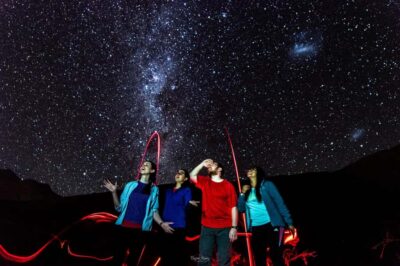
Twilight turns Boulder into a planetarium. You get a 2-hour stargazing session outside the city glow, guided by a professional astronomer, with hands-on telescope time and a relaxed, no-hike setup. It’s the kind of outing that makes the sky feel close, not just far away.
What I like most is the mix of telescopes plus real explanations (with time to ask questions) and the small, friendly format that helps you actually see things instead of just standing around. The included cookies and snacks are a nice touch too, especially when you realize how quickly night can turn chilly.
One thing to consider: warm layers are not included, and it can get cold after sunset. Even if it feels fine in late evening, plan for a real temperature drop once the session starts.
In This Review
- Key things that make this astronomy night work
- Price and value: what $45 really buys you
- Getting there: Boulder’s trailhead without the workout
- From twilight to your last look: how the 2 hours typically unfold
- Telescopes, lights, and the hands-on viewing difference
- What you might see: planets, nebulae, and the “how is that real?” moments
- Cookies and cold reality: what to bring for comfort
- Boulder’s light and foot traffic: how it affects your views
- Who this tour is best for
- Quick, practical tips before you go
- Should you book this Boulder astronomy tour?
- FAQ
- What time does the Boulder Astronomy Tour start?
- Is there any hiking involved?
- What’s included in the tour price?
- What should I wear since it’s outdoors at night?
- What can I see during the tour?
- What if the weather is bad?
- Is there a cancellation window?
Key things that make this astronomy night work
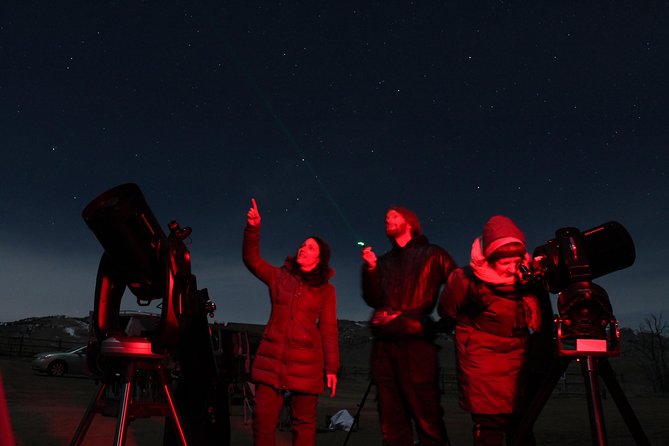
- Car-friendly trailhead, no hiking: You get a simple walk-free setup at the Boulder Valley Ranch Trailhead area.
- Twilight timing: Starting at twilight helps you settle in before the best celestial views come online.
- Telescopes and lights included: You’ll use equipment designed for night viewing, not just a quick look.
- Snacks (cookies and more): Small food comfort while you wait between targets and explanations.
- Small group size (max 22): More time at the telescopes and less crowd chaos.
- Q&A with the guide: You can ask questions as you go, not only at the end.
Price and value: what $45 really buys you
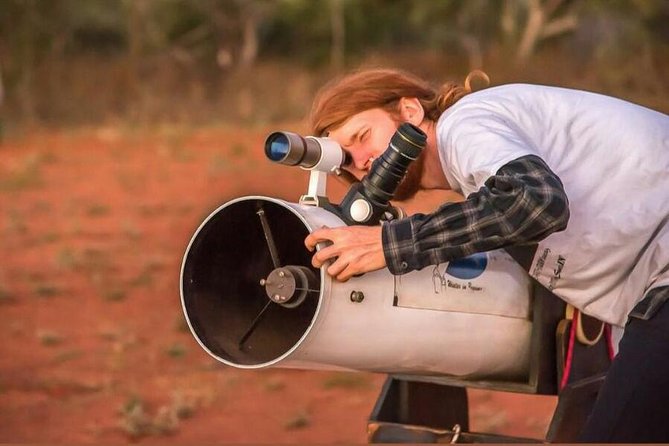
At $45 per person for about 2 hours, this tour is priced like an experience, not a “show-up-and-hope” stargazing session. You’re paying for a pro astronomer’s time, the use of telescopes and night-friendly lights, and a guided flow that makes the sky easier to understand.
That value adds up fast when you consider what you’d otherwise need to source yourself: a quality telescope, guidance on what to point at, and the patience to learn the sky in the dark. Here, you get the equipment and a plan, plus snacks to keep you comfortable long enough to catch multiple targets.
Also, the tour time is long enough to be more than a quick photo stop. With twilight as the starting point, you’re not waiting around in full dark before you even know what you’re looking at.
Getting there: Boulder’s trailhead without the workout
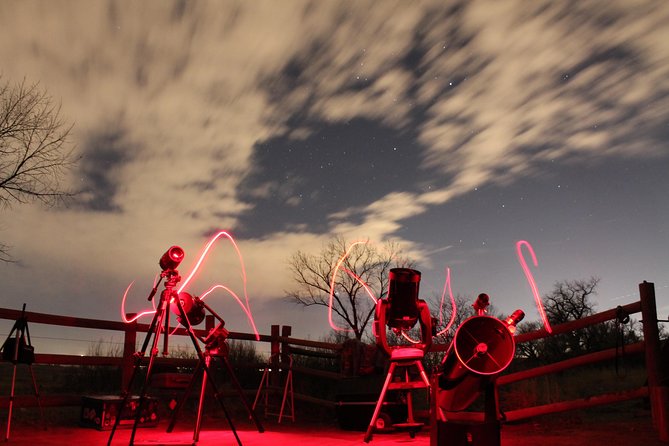
This starts and ends at Boulder Valley Ranch Trailhead, 3900 Longhorn Rd, Boulder, CO 80302. The big practical win is that there’s no hiking required. You can drive, or use a taxi, Lyft, or Uber to reach the trailhead area.
Why that matters: when you’re traveling specifically for stargazing, you don’t want to burn energy on a hike and then spend the best viewing window tired. Instead, you can park or get dropped off, get oriented, and spend your time under the sky.
One more practical note: the trailhead is near where people and vehicles come and go. That can affect your viewing comfort on some nights, since light sources and foot traffic can make the sky feel less isolated than you might expect. It doesn’t mean the tour is bad. It does mean your expectations should be realistic: this is a guided experience outside Boulder, not a remote desert dark-sky sanctuary.
From twilight to your last look: how the 2 hours typically unfold
The tour kicks off at twilight, and that timing is smart. Twilight gives you a buffer to find your bearings, learn what the guide wants you to notice, and get your eyes adjusted before full darkness.
Once the night gets going, you can expect a rhythm that usually includes:
- quick orientation on what’s happening in the sky right now
- interactive telescope sessions where the guide helps you look the right way
- talks about what you’re seeing and why it looks the way it does
- a Q&A period so your questions don’t have to wait
As the tour winds down, you’re also welcome to stay and keep gazing while the group packs up. That last stretch is underrated value. It gives you a chance to look again after the guide has explained what you’re seeing, when your brain is finally synced up with the sky.
The tour size is kept to a maximum of 22, which helps keep the flow manageable at the telescopes and reduces the usual bottleneck effect.
Telescopes, lights, and the hands-on viewing difference
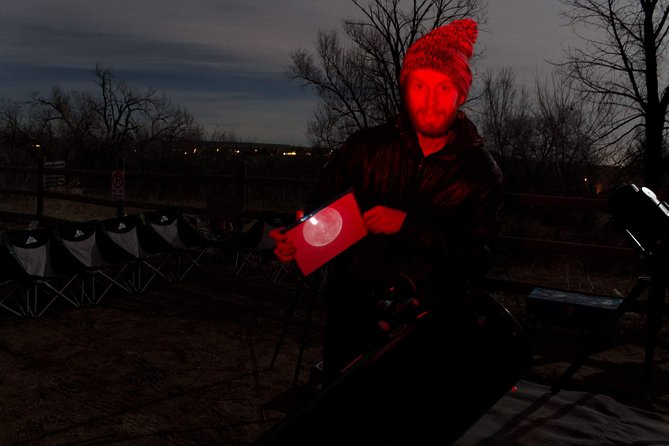
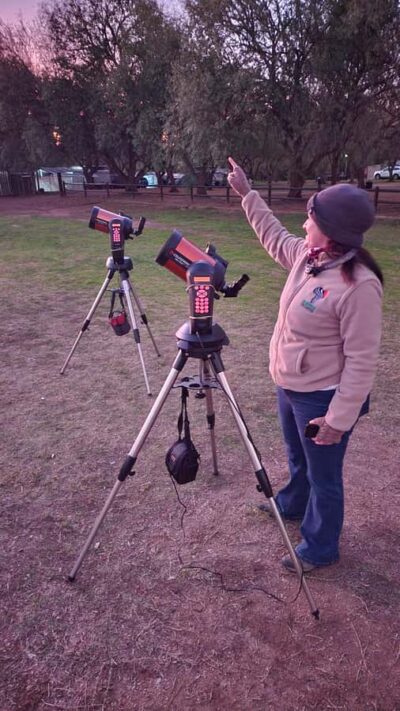
A lot of stargazing activities are basically: here’s the sky, good luck. This one leans the other direction. You get telescopes and lighting tools designed for night viewing, and you’ll use the equipment as part of the program.
What I like about this setup is that it supports different comfort levels:
- If you’re new to astronomy, the guide can help you recognize objects that look like little pinpoints or smudges at first.
- If you already know your planets and constellations, you’ll still get a structured “what to look for tonight” path, plus the chance to ask follow-up questions.
One review notes multiple telescopes with different abilities, plus a pair of binoculars. That’s a practical combination: binoculars are great for wider views and quick scanning, while telescopes take you in closer. Having different tools in rotation can also keep the experience from feeling repetitive.
If you’re wondering whether equipment quality matters, it does here. The difference between a frustrating telescope session and a clear, well-managed one is often what turns a cool idea into a memorable night.
What you might see: planets, nebulae, and the “how is that real?” moments
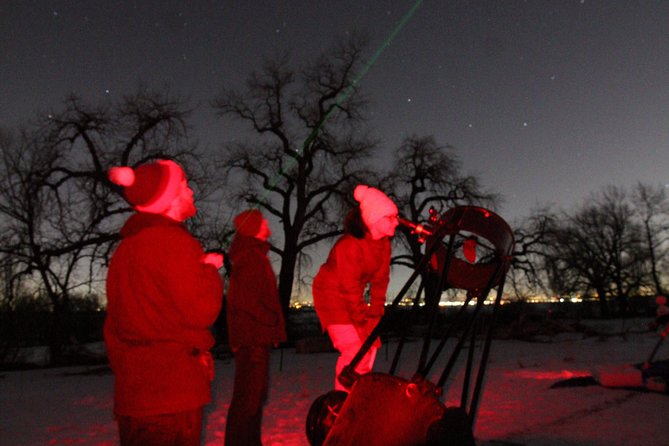
Your exact sky targets depend on conditions, but the experience is set up to show a mix of objects—planets and deeper-sky targets. From the information provided, you can reasonably expect at least some of the following kinds of viewing:
- Planets: Venus and Saturn have been mentioned specifically, and Saturn’s rings tend to be the crowd favorite for good reason. Even when Saturn looks small, it often feels like a tiny solar system you can hold in your head.
- Star clusters and galaxies: These can shift from “I see stars” to “oh, that’s an object with structure,” once you’re viewing with the right magnification and guidance.
- Nebulas: Nebulae can be faint, and that’s where a guided telescope session matters most. The guide can help you position and focus so you’re not just guessing in the dark.
The best part is the explanation side. When the guide points, adjusts, and explains what you’re seeing, the sky becomes a story instead of a collection of random lights.
Cookies and cold reality: what to bring for comfort
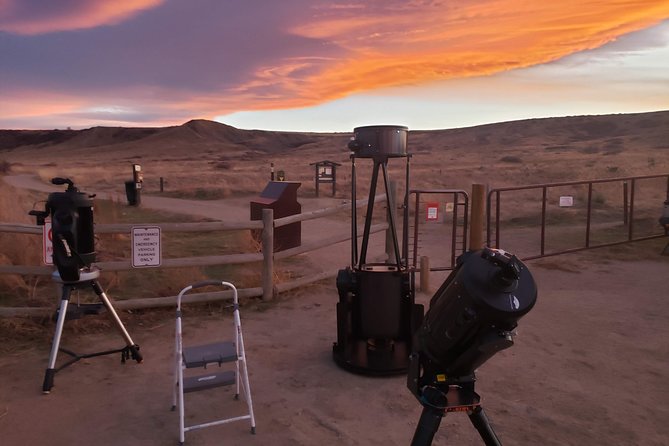
Snacks are included: cookies and other snacks. That’s a real comfort boost on an outdoor night because you may end up waiting between targets while the guide helps others.
But the tour does not include warm clothes, jackets, layers, or blankets. The important part is that “it was warm earlier” doesn’t help once you’re outside at twilight and the temperature drops. Bring real layers. Think gloves, a warm hat, and something that blocks wind.
I’d also suggest bringing something small for sitting comfort, like a compact layer or seat pad if you’re sensitive to cold. The tour is positioned as no-hike, but cold ground is still a factor once you’re stationary.
And if you’re tempted to treat this like an evening stroll, don’t. Even on mild days, plan for the cold to show up.
Boulder’s light and foot traffic: how it affects your views
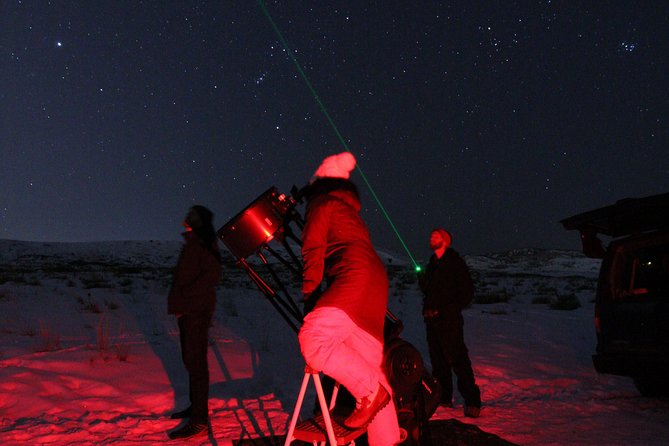
This tour is outside Boulder, and that’s a plus. But it’s not remote. One caution that comes through clearly is that Boulder can be visible from the location, and there may be foot traffic and vehicles coming and going.
Here’s how to think about that as a visitor:
- If you’re chasing the darkest possible sky, you might feel a bit let down on some nights.
- If you want a guided astronomy experience with telescopes and clear teaching, the tour can still be totally worth it.
In other words, you’re not booking a “no light anywhere” situation. You’re booking expert direction, equipment, and a structured session. On nights where conditions are favorable, the objects still come through, and the telescope time makes the light pollution less of a deal-breaker.
Who this tour is best for
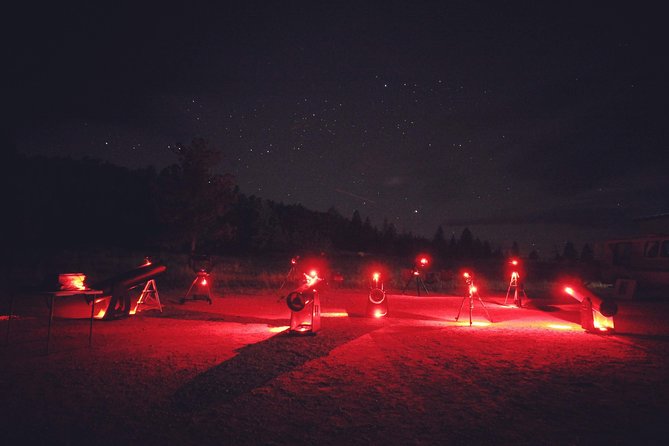
This works especially well if:
- you want a guided first astronomy experience without learning gear basics
- you prefer minimal walking and easy car access
- you enjoy asking questions and getting direct answers during the session
- you’re traveling as a couple or small group and want a shared “look, now this” experience
It’s also a solid pick if you’re visiting the Denver/Boulder area and want one evening activity that feels different from typical sightseeing. The combination of planets, clusters, and nebula viewing tends to create that wow factor quickly, even for people who don’t consider themselves astronomy people.
Service animals are allowed, and most people can participate. Since there’s no hiking required, it’s a more approachable option than many stargazing outings that involve walking to a viewpoint.
Quick, practical tips before you go
Here’s how to set yourself up for the best night:
- Dress for cold. Bring layers and a hat.
- Arrive with enough time to settle in before twilight activities start.
- Keep your questions ready. The format is designed for Q&A.
- If you wear glasses, give yourself time to adjust and clean them before darkness deepens.
- Be patient when the guide switches targets. Telescope time often includes small adjustments that take a minute.
Small mindset shift: stargazing is slower than daytime travel. Your payoff comes when you stop rushing and let the guide’s explanations sync up with what your eyes are seeing.
Should you book this Boulder astronomy tour?
I’d book it if you want a structured, telescope-led astronomy night that’s easy to reach, includes snacks, and gives you time to learn what you’re actually seeing. The rating is strong (a 4.9 score) and 97% recommend it, which is a big signal that people feel they got real value.
Skip it or temper expectations if you’re expecting a totally remote, pitch-black setting with no distractions from nearby lights or traffic. This is Boulder-area viewing with guidance and equipment, not a far-off dark-sky expedition.
If you want an evening that makes the sky feel personal and understandable, this is an excellent way to spend two hours.
FAQ
What time does the Boulder Astronomy Tour start?
It begins at twilight, and the total experience lasts about 2 hours.
Is there any hiking involved?
No. The tour includes an easy-to-access trailhead with no hiking required.
What’s included in the tour price?
The experience includes telescopes and lights and snacks (cookies and other snacks).
What should I wear since it’s outdoors at night?
Warm layers are not included, and it can get cold at night. Bring a jacket and other cold-weather items even if the day feels warm.
What can I see during the tour?
You may view a mix of objects such as Venus and Saturn, along with nebulae, star clusters, and a galaxy, depending on conditions.
What if the weather is bad?
The tour requires good weather. If it’s canceled due to poor weather, you’ll be offered a different date or a full refund.
Is there a cancellation window?
There is free cancellation. You can cancel up to 24 hours in advance for a full refund; cancellations within 24 hours aren’t refunded.