REVIEW · TENERIFE
Sunset and stargazing from Teide
Book on Viator →Operated by Tenerife Stars · Bookable on Viator
Teide at sunset is the kind of magic that feels engineered on purpose. This evening tour pairs a classic Tenerife golden-hour viewpoint with serious star-watching in Teide National Park, where light pollution is kept low by strict protections. I especially like the 3-course dinner with local wine that gives you real energy before darkness, and I also like the guided stargazing setup that uses powerful telescopes.
One thing to consider: the experience can run in different languages depending on the guide, so if you need everything in one specific language, double-check before you go.
The plan is simple and practical. You start early evening, ride to scenic stops, eat, watch the sun drop, then spend focused time at about 2,000 meters. After that, you’re looking up at constellations your ancestors knew, with a guide helping you make sense of what you’re seeing.
Why Teide’s Starlight Reserve Changes the Whole Experience
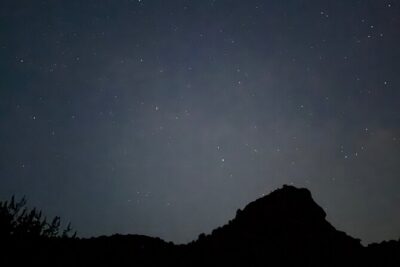
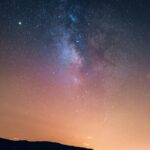
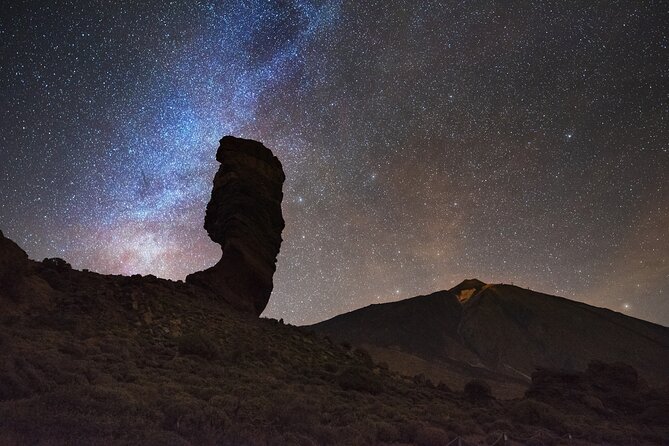
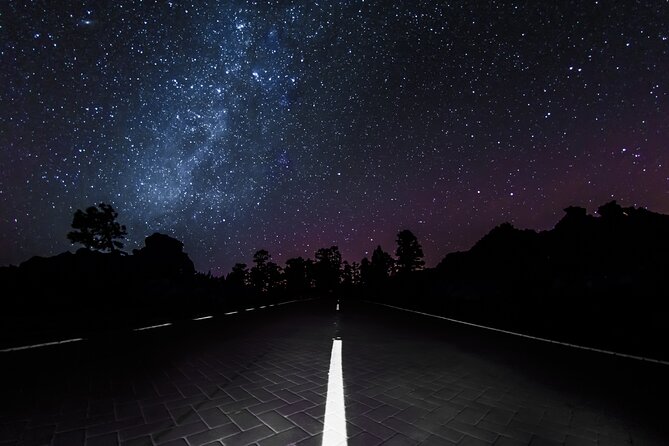
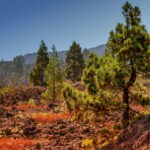
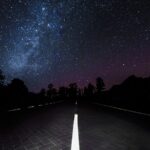
Teide National Park is more than a pretty backdrop for photos. It’s a designated Starlight destination and Starlight reserve, recognized because the night sky here is unusually clean. The key detail is low light pollution inside the park, backed by a special law that controls flight routes and limits stray light. That means your eyes (and your camera) have a better chance of seeing faint stars and clear constellations instead of a washed-out sky.
In This Review
- Key things that make this tour worth your evening
- Teide’s sky rules: what Starlight protection actually means for you
- Timing and transport: a 5:00 pm start that matches the physics
- Stop 1: Guia de Isora dinner with wine, plus vegetarian or vegan options
- Stop 2: Mirador de los Poleos for a sunset with west-island drama
- Stop 3: Queen’s Shoe at 2,000 meters and why telescopes matter
- Price and value: is $77.08 per person a fair deal?
- What you’ll actually do through the evening (so you’re not guessing)
- Who should book this tour from Teide
- Final decision: should you book Sunset and Stargazing from Teide?
- FAQ
- How long is the sunset and stargazing tour from Teide?
- What time does the tour start?
- Where does the tour end?
- Is dinner included?
- Are telescopes included?
- Do they offer vegetarian or vegan meals?
- Is pickup from the north of the island included?
- What happens if the weather is bad?
Key things that make this tour worth your evening
- Sunset views at Mirador de los Poleos with a clear line toward La Gomera, La Palma, and El Hierro
- Dinner first, stargazing after, so you’re not cold, hungry, and staring at the sky with zero patience
- Teide stargazing at around 2,000 meters, where the sky is protected and observations tend to be strong
- Powerful telescopes included, so you’re not just using your phone as a telescope
- Short, focused stops that keep the whole outing moving smoothly across about 6 hours
- Group size capped at 55, which usually helps the experience feel organized instead of chaotic
Teide’s sky rules: what Starlight protection actually means for you
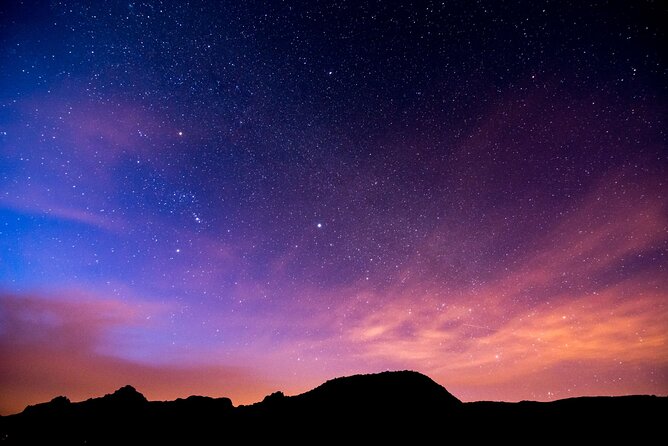
When a place is called a Starlight Reserve, it’s not just marketing. In Teide National Park, there’s a real effort to keep the night sky dark enough for astronomy. The park’s UNESCO World Heritage status adds another layer of protection, but the star-watching magic comes from practical controls on light.
Here’s what you should care about as a visitor: you get a better shot at seeing more stars and sharper constellations. Instead of feeling like you’re fighting glare, you’re more likely to recognize patterns in the sky as the guide points them out. That’s what makes stargazing feel like discovery, not guesswork.
And yes, this tour leans into that “make sense of it” vibe. You’re taught about constellations designed by ancestors, not just told to look up. It’s the difference between seeing stars and understanding what you’re looking at.
You can also read our reviews of more tours and experiences in Tenerife.
Timing and transport: a 5:00 pm start that matches the physics
The tour starts at 5:00 pm and runs for about 6 hours. That timing is smart. It gives you time for dinner while the sky is still bright enough to enjoy the surroundings, then it builds toward sunset and full dark.
You’ll travel by air-conditioned vehicle. That matters in Tenerife because the late afternoon can still be warm, especially if you’re coming from lower elevations. Also, the schedule is built around observation: you’re not stuck sitting in the van for long stretches, and each stop has a purpose.
One note: pickup from the north of the island isn’t included. If you’re staying north, you may need to plan your own way to the meeting area. If you want an easy start, choose lodging closer to the meeting point or plan your public transport route ahead of time.
Stop 1: Guia de Isora dinner with wine, plus vegetarian or vegan options
The first major moment is Guia de Isora, where you’ll enjoy a three-course meal. This is the kind of setup I like for tours that go long after dark. You eat early enough that you’re comfortable, and you don’t end up paying for snacks later when you’re tired and the night is already in motion.
Included with dinner is local wine, plus water and soft drinks. Alcohol isn’t something I treat as a requirement for a stargazing night, but it does help the mood if your group is social and you want the evening to feel festive rather than stiff.
You can also choose a vegetarian or vegan meal. That’s a practical inclusion, because stargazing tours can be frustrating when the “special meal” option is treated like an afterthought. Here, it’s built into the meal planning.
The other helpful detail: the setting has a good atmosphere, and you’ll have a chance for a short walk to enjoy views. That little break does two things. It helps your legs stretch before more driving, and it gives you a moment to enjoy Tenerife in daylight so the evening doesn’t feel like one long rush.
Stop 2: Mirador de los Poleos for a sunset with west-island drama
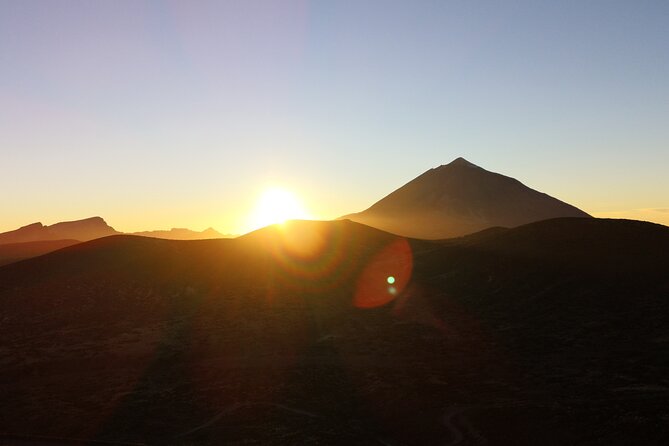
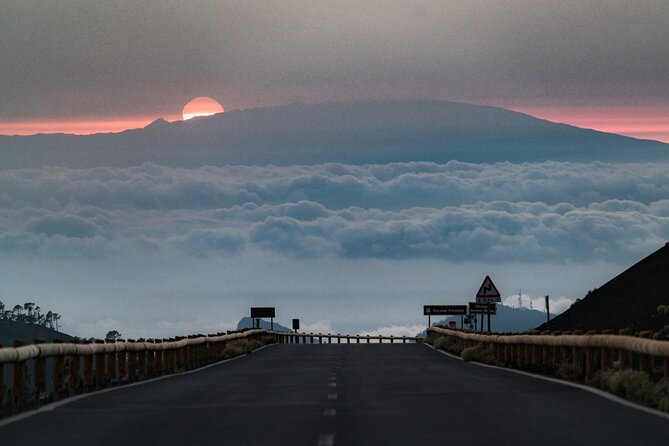
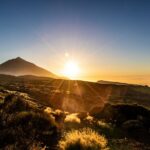
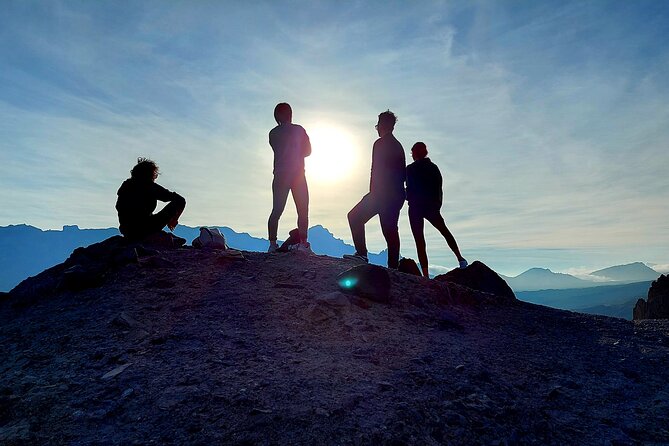
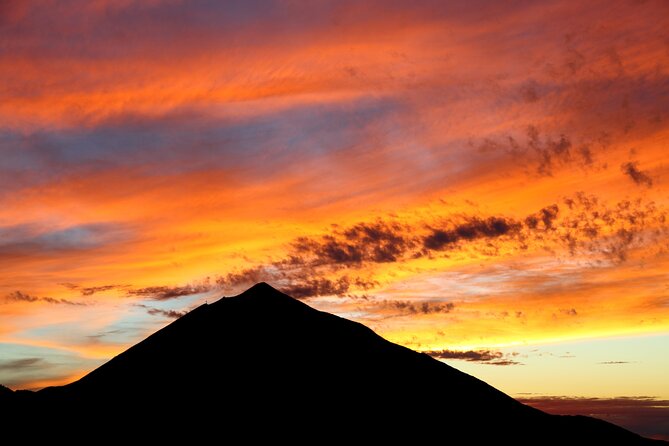
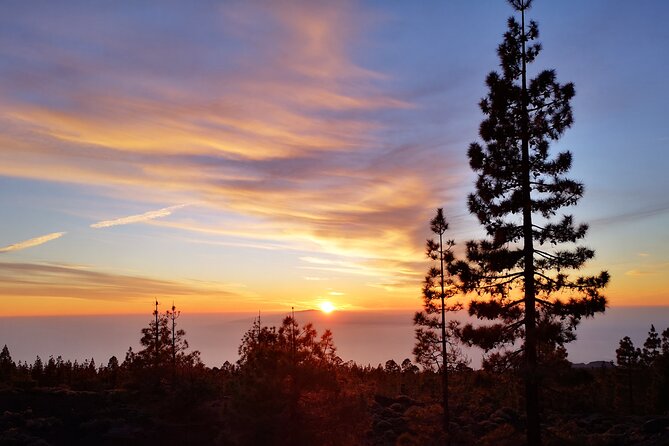
Next comes Mirador de los Poleos, your classic “watch the sun drop” viewpoint. This stop is short, about 30 minutes, but it’s timed for maximum effect. Short does not mean rushed—this is one of those places where you really want to be there for the shift in color, not for a long lecture.
From here, you get the west side of Tenerife lined up with islands including La Gomera, La Palma, and El Hierro. Seeing multiple islands across the horizon is a huge part of why this sunset feels special. It turns a sunset from a single-color event into a wider scene, with depth and scale.
Practical tip: this is where you’ll want to be ready with your phone or camera before the light changes too fast. The sky won’t wait while you’re hunting for a charger or fiddling with settings.
Possible drawback: because it’s a brief stop, you’ll want to move efficiently when the group regroups. If you tend to be slow at transitions, plan to be more decisive here.
Stop 3: Queen’s Shoe at 2,000 meters and why telescopes matter
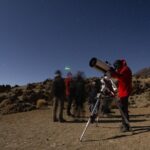
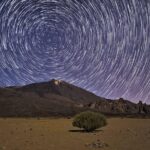
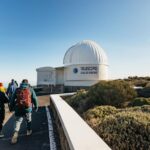
The big payoff is at Queen’s Shoe, where you’ll settle in for stargazing inside Teide National Park at around 2,000 meters. This is the heart of the experience and the part that makes the whole trip feel worth dressing up for.
You’re in a place designed for astronomy. That comes down to two factors:
1) the park’s low light pollution
2) the starlight protections that reduce stray illumination from planes and other sources
At this altitude, the tour focuses on constellations and bright stars first—designed by ancestors—then it shifts into what you can actually see in the night sky. This is where a good guide makes a real difference, because the stars don’t come with labels.
And you’re not left to guess. Powerful telescopes are included. That’s a major value point. A telescope changes the experience from “pretty dots” to real observing. It also helps if you’re traveling with people who want more than a vague astronomy lesson.
From the guide side, I’ve seen examples of this tour being run by folks like Ozzi, who was praised for keeping things entertaining and for knowing the best viewing spots. Another guide mentioned was Gianmarco, described as a true astrofan with real passion. Even without naming every guide, the pattern is clear: the best part of your night isn’t only the park. It’s the way someone turns the sky into a story you can follow.
Time at this stop is about 2 hours, which is just long enough to teach you what to look for and still let you enjoy the view quietly. You’ll likely rotate attention between wide-sky constellations and whatever the telescopes reveal.
Small consideration: stargazing depends on conditions. If the night is affected by weather, the tour may be canceled or rescheduled. Since this is astronomy-focused, that weather dependence is part of the reality of the experience.
Price and value: is $77.08 per person a fair deal?
At $77.08 per person, the value is best understood by what’s included, not just what you pay.
You’re getting:
- transport by air-conditioned vehicle
- a 3-course dinner with local wine
- powerful telescopes
- guided stargazing in a protected, low-light environment
Dinner plus telescopes alone can push costs up on similar tours, especially if you’d otherwise need to book separate astronomy gear or pay for a dedicated observatory session. Here, it’s packaged into one evening flow.
The group cap of 55 travelers also matters for value. Large groups can make stargazing awkward. A cap like this usually keeps the guide’s attention more possible and reduces the feeling of being rushed.
If you’re someone who likes “one ticket, multiple experiences,” this is a strong match. If you already have access to your own astronomy gear and you want total freedom, you might prefer DIY travel. But most visitors will appreciate the structure and the telescope included.
What you’ll actually do through the evening (so you’re not guessing)
This tour works as a step-by-step shift from day to night.
First, you eat and enjoy views while the sky is still comfortable for walking. Then you move to a high-impact sunset stop with island horizons. Finally, you settle into true darkness at Teide for guided constellation viewing and telescope time.
That sequence is the whole point. It prevents the common stargazing-tour mistake of starting too late, eating too late, or spending so long traveling that you arrive exhausted right when you need to pay attention.
You also get breaks that help you stay human. The meal stop isn’t just fuel. The sunset viewpoint isn’t just scenery. And the stargazing time isn’t just “stand here and wait.” Each part has a reason for being in the schedule.
Who should book this tour from Teide
I think this tour fits best if you want a night that feels guided but still magical.
Book it if you:
- want sunset + stargazing in one outing
- like learning what you’re seeing, not only taking photos
- appreciate the planning that goes into low-light stargazing
- want a meal included so you’re comfortable for hours
It’s also a good option for couples and small groups who want to share the sky without building an astronomy plan from scratch.
I’d think twice if you:
- need a very specific language for the entire experience and want zero switching
- dislike structured tours and prefer long, unscheduled wandering
For most people, though, the combination of protected skies, telescopes, and dinner makes it a satisfying use of an evening on Tenerife.
Final decision: should you book Sunset and Stargazing from Teide?
If you’re choosing between a basic sunset stop and a true astronomy night, I’d pick this one. The Teide Starlight setting is the backbone, and the tour doesn’t waste that advantage. Dinner keeps you comfortable. The sunset viewpoint adds drama. The telescopes and guided constellations turn the night into something you can follow.
My biggest reason to book is simple: you’re paying for a guided experience in a place engineered for darkness, not just for pretty views.
My main caution is also simple: check your expectations about guide language and remember that weather matters for star viewing. If you’re flexible and you show up ready to look up, this is one of the better ways to spend your evening in Tenerife.
FAQ
How long is the sunset and stargazing tour from Teide?
It lasts about 6 hours.
What time does the tour start?
The start time is 5:00 pm.
Where does the tour end?
The activity ends back at the meeting point.
Is dinner included?
Yes. A three-course dinner is included, and in winter it is served around 4:30 pm. Wine, water, and soft drinks are also included.
Are telescopes included?
Yes. Powerful telescopes are included for the stargazing portion.
Do they offer vegetarian or vegan meals?
Yes, vegetarian and vegan options may be available.
Is pickup from the north of the island included?
No. Pick up from the north of the island is not included.
What happens if the weather is bad?
This experience requires good weather. If it’s canceled due to poor weather, you’ll be offered a different date or a full refund.