REVIEW · PAGE ARIZONA
Page: Antelope Valley Canyon Stargazing Night Hike
Book on GetYourGuide →Operated by Ligai Si Anii Tours 2 DBA Antelope Valley Canyon Tours · Bookable on GetYourGuide
One sky night in slot canyons feels like a different planet. This moonless hike combines Antelope Valley Canyon walking with guided stargazing, aiming you right at the Milky Way Galaxy center.
I love how the timing is built around a clear, dark sky window, so the stars actually matter. I also like the hands-on feel: you get headlamps for safety, then your guide turns the sky into something you can read—constellations, stories, and the meaning people have found in them for generations.
One possible drawback: the experience can feel rushed if you end up in a big group, and nights get cold fast in this part of northern Arizona.
In This Review
- Key things you’ll care about
- Why a Moonless Slot-Canyon Sky Works So Well
- Meet at the Parking Lot: The 2-Hour Plan
- The Walk Through Antelope Valley Canyon Before the Stargaze
- Your Stargazing Moment: Constellations and the Milky Way Center
- The Guide Makes or Breaks It: Learn the Sky, Not Just the View
- Price and Added Fees: What You’re Really Paying
- What to Bring (So the Cold Doesn’t Run the Show)
- Who This Night Hike Fits Best
- Should You Book This Antelope Valley Canyon Stargazing Tour?
- FAQ
- How long is the Antelope Valley Canyon stargazing night hike?
- How much does the tour cost?
- Is the Navajo permit fee included in the price?
- Are there other fees not included?
- What’s included in the tour?
- What should I bring?
- Is flash photography allowed?
- Who is this tour not suitable for?
Key things you’ll care about
- Moonless sky focus: the tour is designed for maximum stargazing contrast
- Slot-canyon walk with guidance: you learn canyon geology and area history along the route
- Constellations with stories: you’re taught what you’re seeing, not just told to look up
- Milky Way center viewing: the program targets the galaxy’s bright core
- Headlamps included, flash banned: you’ll be able to move safely while keeping the sky view dark
Why a Moonless Slot-Canyon Sky Works So Well
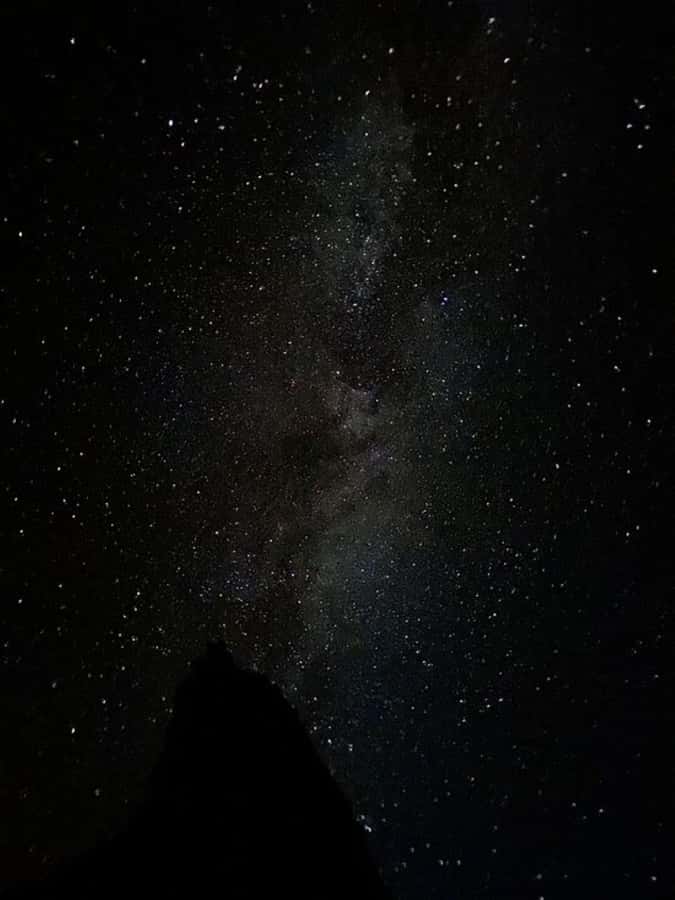
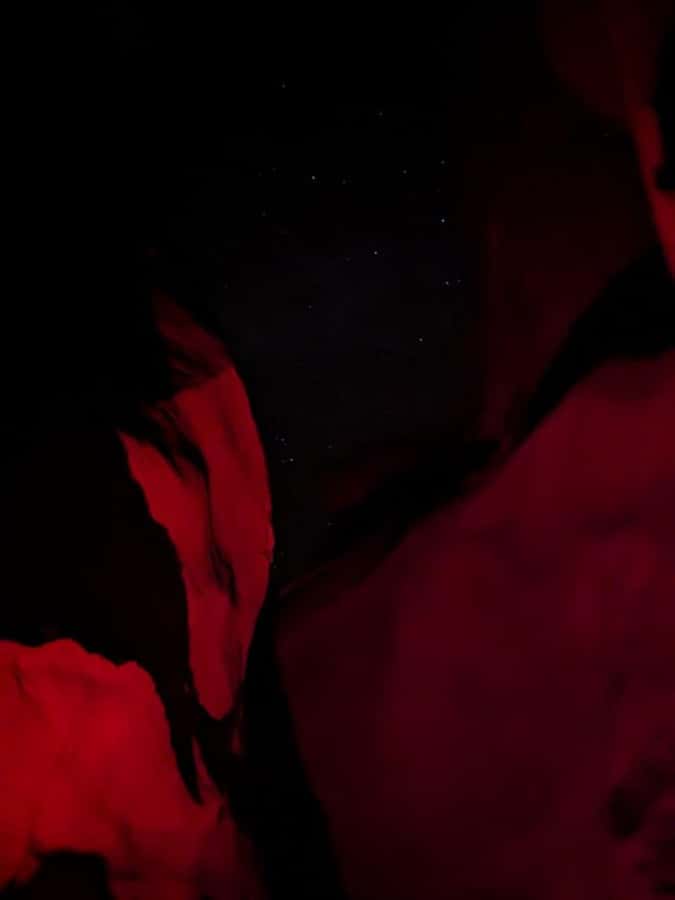
If you’ve ever looked up at stars from a normal parking lot, you know the problem: light pollution ruins the drama. Here, the whole point is a moonless night, which means the sky can actually show off. The difference isn’t subtle. You stop seeing scattered points and start seeing structure—star patterns you can trace, and that glow of the Milky Way when conditions are right.
Then you add the slot-canyon setting. Antelope Valley Canyon turns the sky into a ceiling, framed by dark walls and sky-cut edges. That framing matters. It makes the constellations easier to follow and gives you a sense that the stars aren’t just in the background. They’re part of the place you’re standing in.
This is also a tour with a “stories in the sky” approach. You’re not only looking up. You’re learning the constellation names and the cultural stories tied to them—so the stars become something you can connect to in a personal way, not just a photo opportunity.
Meet at the Parking Lot: The 2-Hour Plan
The tour is short—about 2 hours end to end—so the pacing is intentional. You meet at the Antelope Valley Canyon parking lot, meet your guide, then start walking in the dark with your headlamp. Expect the first part to be about getting oriented and moving safely, while the guide sets the tone for what you’ll learn later.
As you hike, your guide shares context on the area—history and geology—so the canyon isn’t just scenery. It becomes a place with reasons behind its shape.
At some point you reach a “look up” position that’s meant for stargazing. You take a break, switch from motion to observation, and your guide talks you through the sky. After the stargazing stop, you hike back to the parking lot to end the tour.
Because the time window is tight, you’ll want to arrive ready to go. Comfortable shoes and warm layers matter here more than you might think, since you’ll be standing still long enough to feel the cold.
The Walk Through Antelope Valley Canyon Before the Stargaze
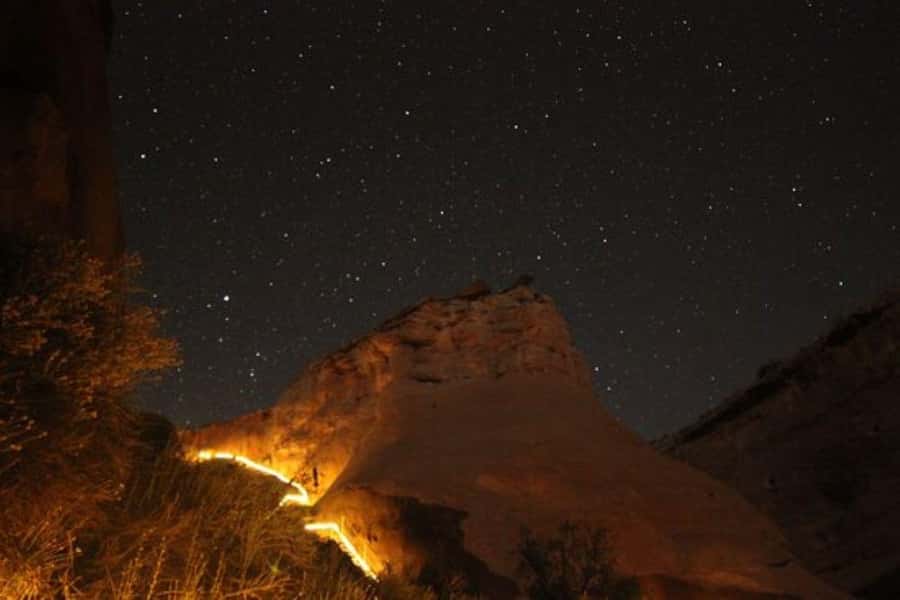
The hike portion is the bridge between day-land and night-sky. You’re walking through the slot canyons of Antelope Valley Canyon, and the guide explains what you’re seeing as you go. That geology talk isn’t filler. It helps you understand why the canyon walls are what they are—how the land forms channels and layers that funnel light, sound, and your attention.
You’ll also get practical cues for night movement. You’re provided a headlamp, but this is not a “race through the canyon” situation. It’s a controlled pace where your guide can keep an eye on everyone and still build time for the sky portion.
One thing to consider: if you dislike groups, this tour may not feel “quiet.” Some people have noted that the hike can be rushed, especially when group size is large. In those moments, the canyon and the stars are still the focus, but you might feel like you’re on a schedule rather than wandering.
If you prefer a slower vibe, go in with the right mindset: think of this as a guided night program with a set stargazing spot, not an open-ended hike.
Your Stargazing Moment: Constellations and the Milky Way Center
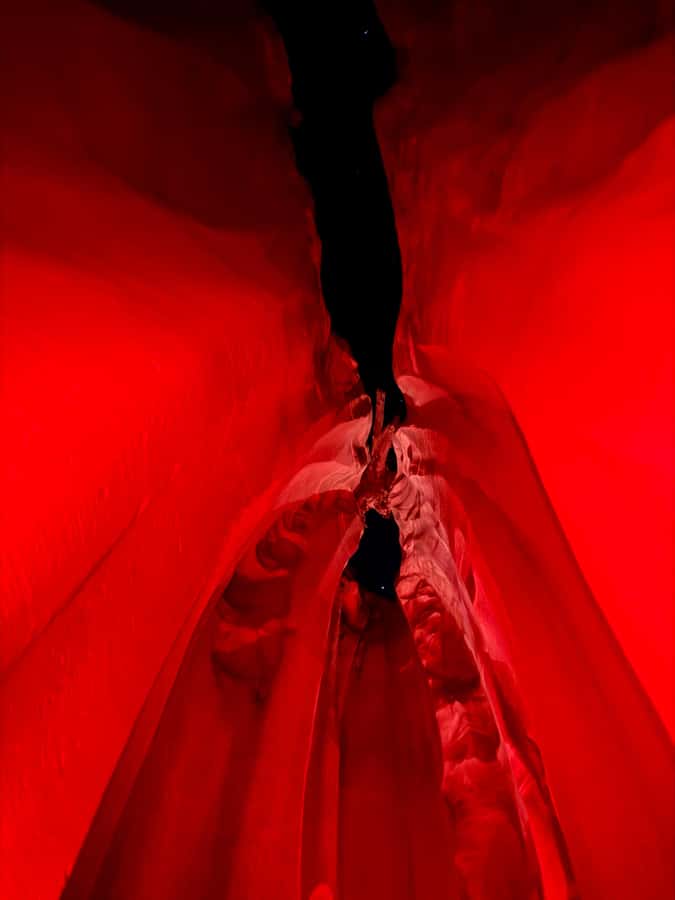
This is the part you’re paying for: a guided stargazing session on a moonless night. Once you reach the spot, you look up and your guide walks you through the constellations—including the stories behind them. The value here is simple: learning makes your eyes more efficient. After a few minutes with a good guide, you’re not just staring. You’re identifying patterns and understanding how people read the sky.
The tour also aims you at one big highlight: seeing the center of the Milky Way Galaxy. That’s the kind of sight that doesn’t happen in most locations, so when conditions cooperate, it’s memorable. It’s also why the “no flash photography” rule exists. Flash can ruin the night adaptation of your eyes (and other people’s), so keeping it off keeps the stargazing experience smooth.
Even if astronomy isn’t your thing, the storytelling angle can work. Many constellation stories come from ways different cultures tracked seasons, navigation, and life rhythms. You don’t need to memorize the sky to feel the meaning. The guide framing is meant to help you connect with the idea that the night sky has been a shared map across many civilizations.
The Guide Makes or Breaks It: Learn the Sky, Not Just the View
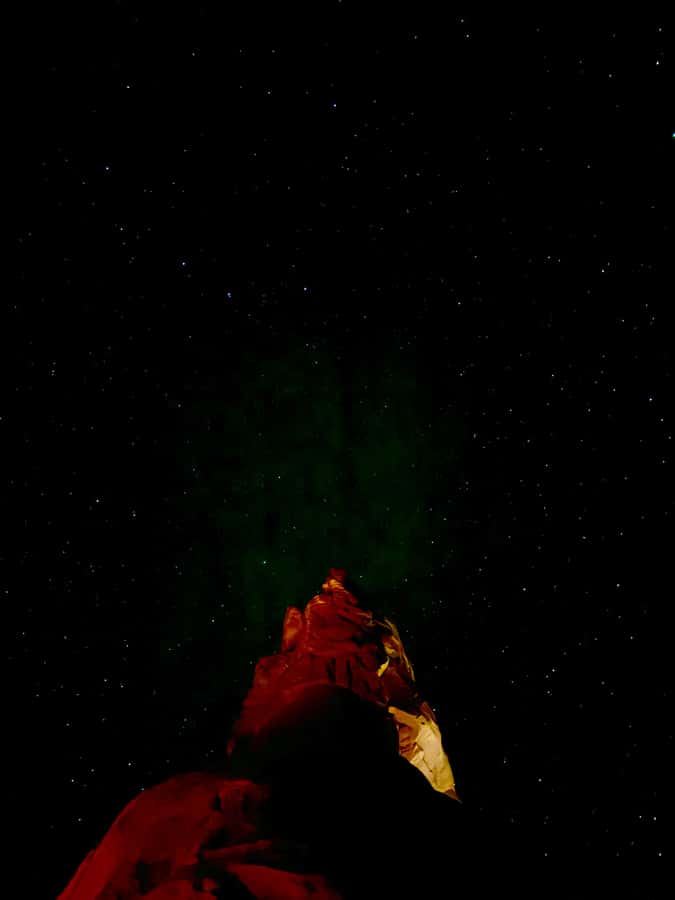
You’ll notice a pattern in what people appreciate most: the guide experience. A well-timed explanation can turn a dark hour into something you remember for years. One guide name that came up in feedback is Wally, who was described as awesome and helped make the experience land.
Here’s why the guide role matters. Without guidance, stargazing often becomes a frustrating mix of guessing and waiting for your eyes to adjust. With guidance, you know what to search for, what you’re seeing, and why it looks the way it does from this part of the sky.
The guide also links the canyon to the stargazing. You’re learning about geology and area history during the walk, then shifting into constellations during the pause. That structure turns the whole tour into one continuous experience instead of two disconnected activities.
If you’re the type who enjoys learning while you travel, this tour rewards you. If you just want pure silence and solitude, it’s probably not the best match, because the program includes instruction and conversation.
Price and Added Fees: What You’re Really Paying
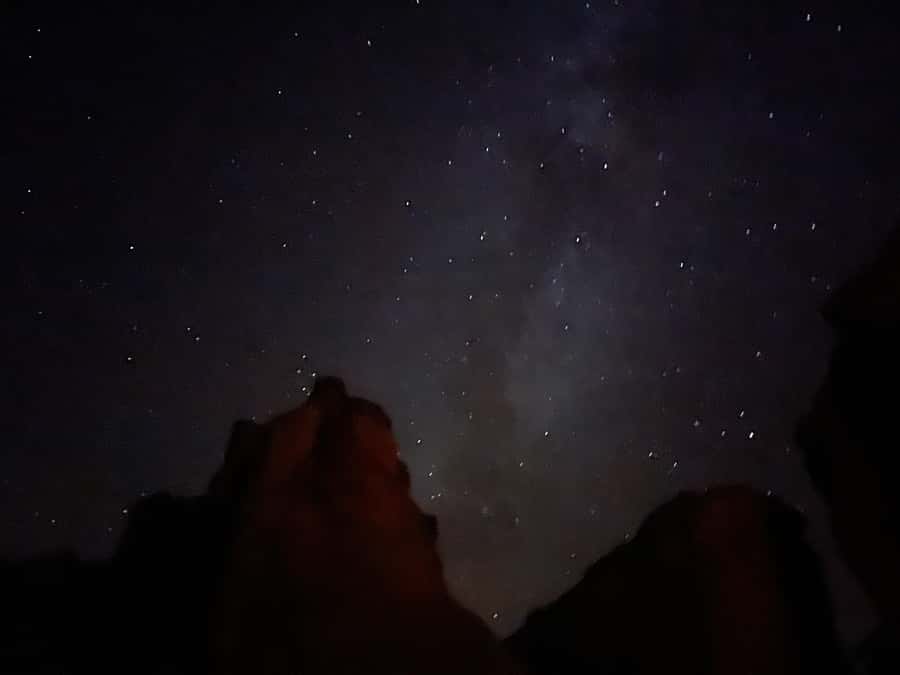
At $65 per person, this is positioned as an experience tour rather than a DIY “walk and hope” stargazing session. The value is in the combination: a guided night hike, headlamps provided, and instruction focused on what you’re seeing in the sky.
But there’s an important financial detail: additional fees are required and not included in the package price. The information you’ll want to watch closely includes:
- An $8 Navajo Permit Fee required but not included in the package price
- A Navajo Nation Park fee of $15 per person listed as not included
Because those fees are separate line items, don’t assume the final total is just the $65. Plan on paying more at booking or on top of your base tour price, depending on how the provider lists them for your specific date.
Also budget for what’s not included: personal hiking gear and your own water supply. The tour includes headlamps, but you’re still responsible for being comfortable out there.
When you compare value, remember this: stargazing from a canyon framed view is hard to pull off well on your own, especially with timing and the need to follow local rules like no flash photography. For many people, paying for a guide is cheaper than it would cost in missed time, failed night visibility, or the stress of figuring out where to stand.
What to Bring (So the Cold Doesn’t Run the Show)
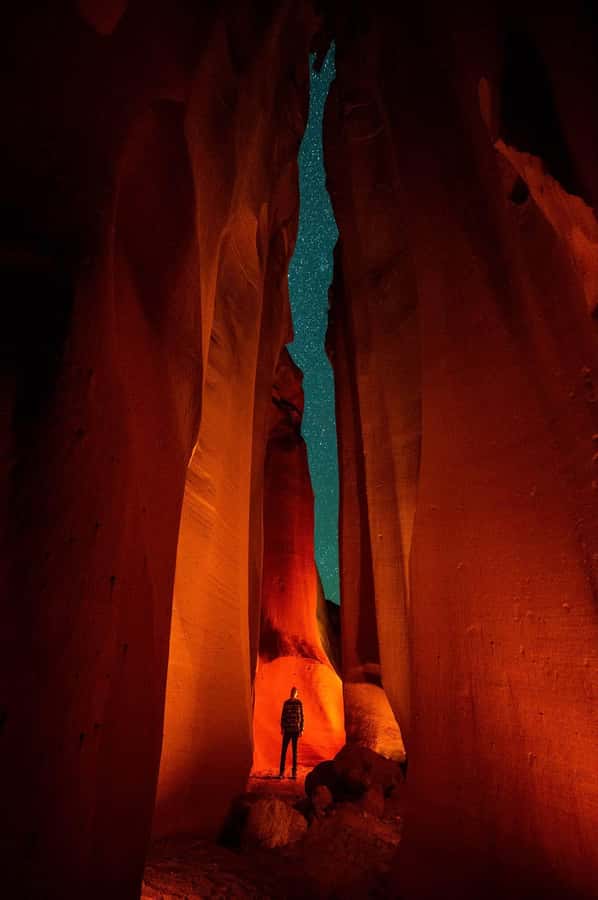
This tour runs at night, and the guidance is clear: wear warm clothing. Night temperatures can drop quickly, and the stargazing part includes standing still long enough to feel it.
Bring:
- Comfortable shoes for dark hiking
- Warm layers (you’ll thank yourself later)
- Water, because hydration still matters in colder conditions
And remember the tour rules:
- No flash photography
You’ll be given headlamps, but your body still needs to stay warm. If you tend to think of Arizona nights as always mild, adjust that thinking here.
Who This Night Hike Fits Best
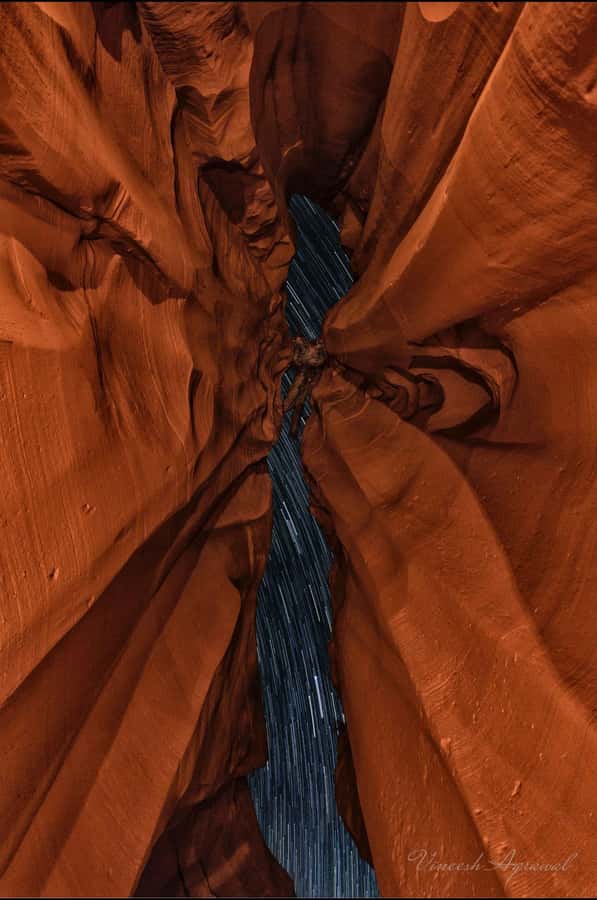
This is a good fit if you like:
- Guided constellations with stories
- A short, focused night plan (about 2 hours)
- Photography-free stargazing where the goal is actually to see, not flash-shot your way through
It’s not a good match if:
- You have claustrophobia (slot canyons can feel tight)
- You need mobility accommodations (the tour is not suitable for people with mobility impairments per the info provided)
- You have young children in the group—children under 6 aren’t suitable for this hike
If you want to reduce risk of disappointment, go in expecting that clouds can affect the sky. One piece of feedback noted a cancellation due to fully cloudy conditions, with an option for a refund or trying another day’s program. So you’ll feel better if you keep flexibility in your travel plan.
Should You Book This Antelope Valley Canyon Stargazing Tour?
Book it if you want a structured, guided way to experience Page, Arizona at night, with moonless stargazing as the centerpiece and a guide helping you make sense of the sky. The $65 base price can be a solid value when you factor in the short guided hike, included headlamps, and the fact that you’re aiming for something specific like the Milky Way’s center.
Think twice or pick a different option if you hate group dynamics, dislike being rushed, or know you struggle in tight canyon spaces. And do the math early: the additional Navajo-related fees can change your total cost, so plan for them rather than hoping they’re small.
If you match the fit, this is the kind of night hike that changes how you look at the stars when you’re back home.
FAQ
How long is the Antelope Valley Canyon stargazing night hike?
The duration is about 2 hours.
How much does the tour cost?
The price is $65 per person.
Is the Navajo permit fee included in the price?
No. An $8 Navajo Permit Fee is required but not included in the package price.
Are there other fees not included?
Yes. A Navajo Nation Park fee ($15 per person) is listed as not included.
What’s included in the tour?
The tour includes a guided night hike, a stargazing experience, and headlamps.
What should I bring?
Bring comfortable shoes, warm clothing, and water.
Is flash photography allowed?
No. Flash photography is not allowed.
Who is this tour not suitable for?
It is not suitable for children under 6, people with mobility impairments, or people with claustrophobia.