REVIEW · MOAB
Astro-Photo, Hiking and Stargazing Tour in Arches National Park
Book on Viator →Operated by Moab Dark Sky Tours · Bookable on Viator
Stargazing in Arches feels like a different park. This 2-hour night tour pairs a stroll through the rock formations with astrophotography support, so you’re not just looking up—you’re photographing what you see. It’s also built around the idea that clear skies and low light make Moab’s night sky truly worth the trip.
Two things I really like: you get hands-on photo help (headlamps, tripods, and guidance for both cameras and phones) and the vibe is small and focused, with a maximum of 6 travelers. The meetup is at the Windows Section Parking Lot, close to where you’ll go next, so you’re not spending the evening wrestling with long transfers.
One drawback to weigh: you’re dependent on weather, and the experience happens after dark. If you’re arriving by your own car and aren’t thrilled with dark roads (or you’re on your first day in the park), plan for that extra challenge.
In This Review
- Key highlights you’ll feel right away
- Arches after Dark: why the night sky changes everything
- Where you meet at the Windows Section Parking Lot
- The 2-hour night hike that turns arches into a photo subject
- Astro-photo gear: headlamps, tripods, and real setup help
- Milky Way moments and constellation teaching that sticks
- Price and value of a $175 small-group night tour
- Who should book this (and who might not)
- A quick reality check on expectations
- Should you book Astro-Photo, Hiking and Stargazing in Arches National Park?
- FAQ
- How long is the Astro-Photo, Hiking and Stargazing Tour in Arches National Park?
- Where do I meet for the tour?
- Is park admission included?
- What’s the group size?
- What equipment do I get for taking photos?
- Will the guide help if I only have a phone?
- What happens if the weather isn’t good?
Key highlights you’ll feel right away
- Small group night tour (up to 6 people) for easier photo instruction and fewer distractions
- Provided headlamps and tripods, designed for safety and steadier star shots
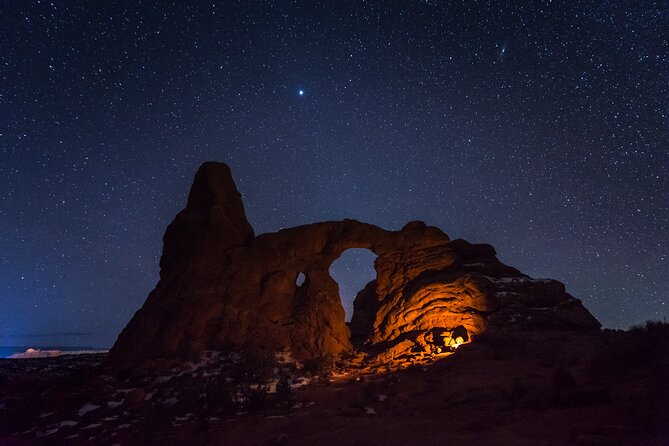
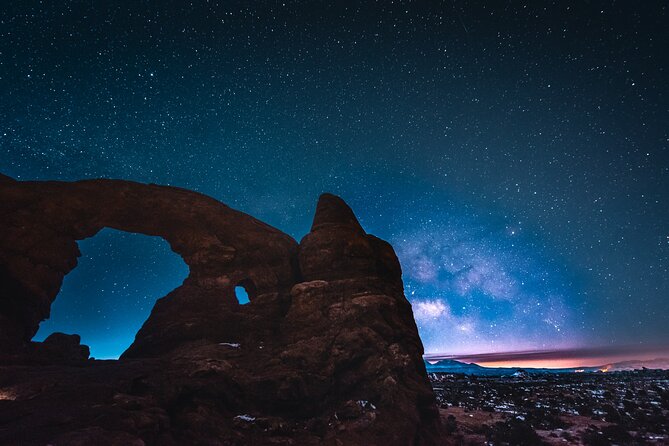
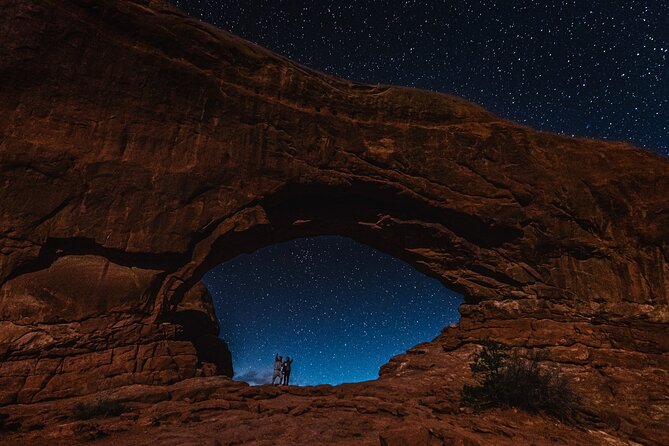
- Arches transformed into natural picture frames for constellations in the night sky
- Guides help with phone settings too, so first-timers can still get strong results
- Low-crowd timing and cool evening temperatures make the park feel unusually calm at night
Arches after Dark: why the night sky changes everything
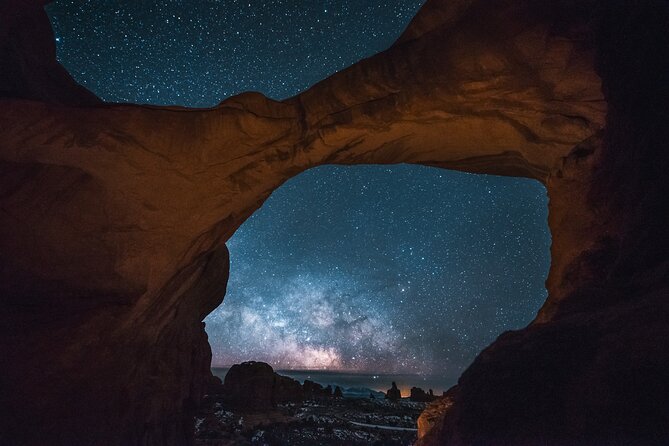
Arches National Park at night hits different. In daylight, you move through giant stone shapes and iconic arches; after dark, the park turns into a giant viewing platform. The stars become the “ceiling,” and the arches become part of the composition, not just the backdrop.
What makes this tour appealing is the way it connects stargazing with the park itself. You’re not parked in one spot waiting for the Milky Way to happen. Instead, you’ll navigate your way through the rock garden area while the night sky does what it does naturally—so you can see the sense of time moving overhead. The effect is part science, part awe.
I also like that the tour is built for the conditions you actually care about: clear skies, reduced light pollution, and a time when Arches is quieter. Those factors matter for photography. They also matter for your brain. A dark sky helps you notice constellations and patterns faster, and it makes the arches feel even more dramatic against the night.
You can also read our reviews of more tours and experiences in Moab.
Where you meet at the Windows Section Parking Lot
Your tour starts and ends at the Windows Section Parking Lot in Moab (Utah 84532). That location choice is practical. It keeps you close to the area you’ll be working in after dark, which helps reduce the time you spend driving around in low visibility.
You’ll want to treat the meetup like a photo appointment, not a casual walk-up. Arrive with enough time to get oriented before it gets truly dark and before tripods start coming out. Since the tour is only about 2 hours, you don’t want to spend your best night minutes fumbling with gear.
One extra point: this tour ends back where it begins. That’s convenient for people staying nearby in Moab, but it also means you’ll still need a plan for getting there and back. If you’re using your own car and your first visit to the park is at night, give yourself a bit of buffer time and avoid rushing.
The 2-hour night hike that turns arches into a photo subject
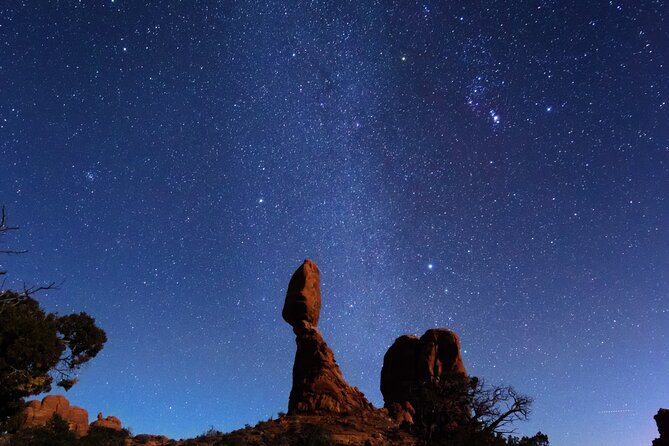
The main stop is inside Arches National Park, and it’s designed like a guided walk with built-in stargazing moments. The idea is simple: you move through the rock formations, talk about the geology and what made these shapes, then use the framing of arches to aim your attention at specific sky moments.
You’ll hear about the forces that formed these natural artworks, and you’ll make the connection between the rock shapes around you and the sky above you. As darkness deepens, the arches shift from scenic objects into something more like a frame. That’s when the constellations start to feel less abstract and more usable for photography.
Expect a paced walk, not a long trek. The tour duration is about 2 hours, and the group size is capped at 6. That usually means your guide can help people get set up without dragging the pace or leaving beginners behind.
A practical caution: night walking requires attention. Even with headlamps provided, you’ll want to watch your footing and stay aware of where your tripod legs are going. The good news is that the tour is set up for this reality, and safety gear is part of what you’re given.
Astro-photo gear: headlamps, tripods, and real setup help
One of the most praised parts of this experience is that it doesn’t just point you toward the sky. You’re equipped for it. Multiple people highlight that you’re given a headlamp for safety and visibility, plus a tripod to help keep your shots steady.
That equipment changes what you can do. Star photography punishes camera shake. A tripod helps you slow things down, keep framing consistent, and spend less time guessing. The headlamp keeps you comfortable moving without blinding everyone else—or yourself—while you reposition.
Where this tour really earns its value is the instruction. The guide is described as extremely knowledgeable about the stars and also patient with photo settings. You’ll learn how to adjust phone and camera settings, even if you’re starting from scratch. In one review, Brandon worked with someone who didn’t have an SLR camera and focused on maximizing phone photos—exactly what you’d hope for on a first try.
Also, you don’t need to be a gear expert. The guides don’t just say “shoot on night mode.” They help you get results with what you’re using. That’s a big deal, because most people arrive with either a phone or a basic camera setup and leave disappointed on DIY nights.
Milky Way moments and constellation teaching that sticks
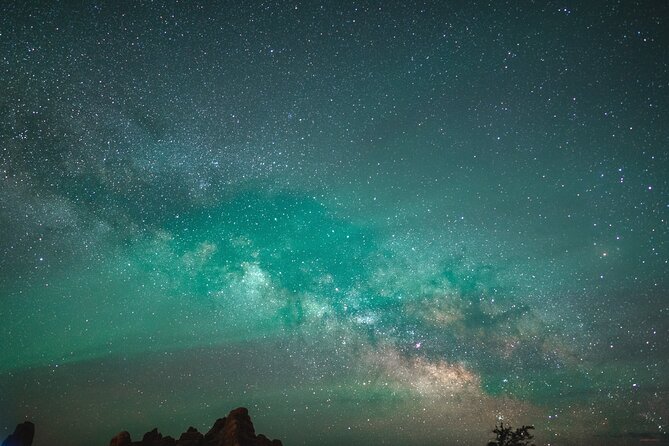
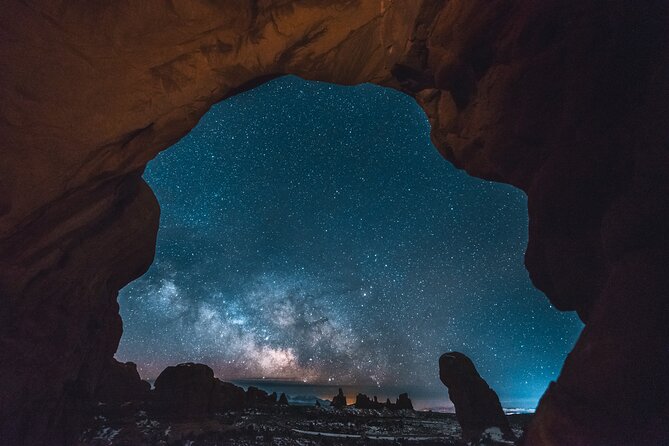
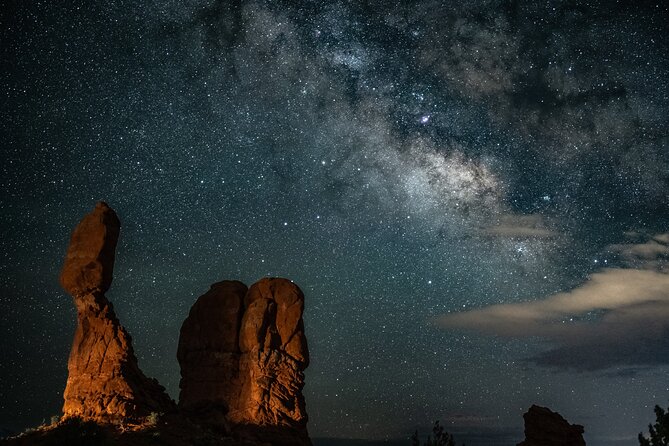
Clear-sky nights are special in any desert area, but Arches gives you a strong payoff because you’re working under a sky that feels vast. The tour centers on what you’re seeing overhead, including moments like the Milky Way.
I like the way guides tie learning to action. For example, guide Sam is mentioned as highly knowledgeable about the stars and the arches. Guide Brandon is also praised for being friendly, patient, and practical with setups. In both cases, the theme is the same: you’re not just receiving facts. You’re being guided to understand what you’re photographing and why that framing works.
If constellations feel like homework to you, this approach helps. Seeing a constellation plan in real time while the arches around you become picture frames makes it easier to remember. And if you’re traveling with kids, that teaching style can be gold. One review specifically mentions that Brandon kept a family engaged and even helped a couple of kids photograph their trip mascot with the stars—fun, not just educational.
The takeaway: you’ll come away with images you’re proud of, plus a better sense of how the sky works. That second part is what turns a quick “wow” into a story you can relive later.
Price and value of a $175 small-group night tour
At $175 per person for about 2 hours, this isn’t the cheapest thing you can book in Moab. So the question is value: what’s included and what kind of results you’re likely to walk away with.
Here’s the value math that matters:
- Small group size (max 6): you get time for setup and questions. That’s usually where DIY nights fail.
- Photo support with gear: headlamps and tripods aren’t just props. They directly affect your success.
- Instruction for phones and cameras: many people don’t have a dedicated astrophotography setup, and learning the basics on the spot is worth money.
- Admission is free for the 2-hour park portion, per the tour details.
If you’ve ever tried star photos on your own, you know the frustration: you spend time testing settings, then come home with blurry, disappointing images. This tour attacks the problem early—gear first, then guidance, then sky time. That’s why many people call it absolutely worth the money.
Still, I’ll be honest about expectation setting. One review notes it felt over priced and thought a telescope would be included. The tour description emphasizes photo gear and instruction, not a telescope. If you’re only interested in seeing stars through a telescope, you may feel like something’s missing.
Who should book this (and who might not)
This tour is a great fit if you:
- want better Milky Way photos than you could get alone
- have a phone or a camera and want settings help
- enjoy short walks and learning under the stars
- travel with kids who do better with hands-on guidance (not just lecturing)
It’s also a smart choice if you want a calmer experience. One highlight you’ll hear emphasized is zero crowds at night, which makes the whole thing feel more personal and less chaotic.
Where it might not be your best match:
- If you hate nighttime driving or you don’t have an easy way to reach the meetup after dark, the experience can feel harder than it needs to be.
- If you’re expecting high-end astronomy equipment beyond what’s provided, set your expectations around photography gear and teaching.
A quick reality check on expectations
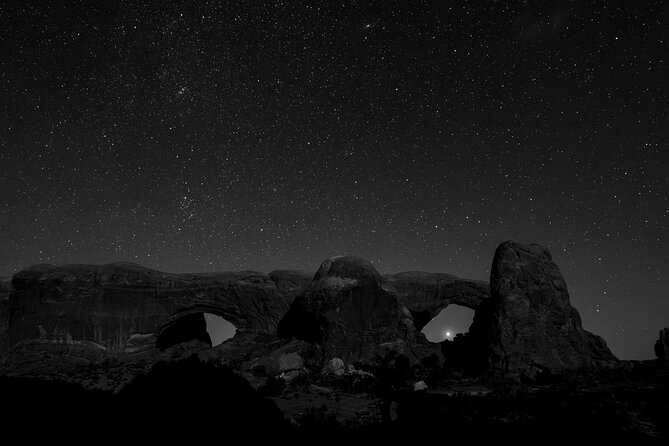
The best way to enjoy this tour is to treat it as an astro-photo workshop inside Arches, not as a giant telescope show.
You’ll get headlamps and tripods, plus guided help with phone and camera settings. That’s the core promise. A telescope isn’t mentioned as part of what you’ll use. If your dream night includes telescope views, you might want to look for a different type of astronomy offering.
That said, the outcome people remember most is not the equipment list—it’s the combination of arches, galaxy-scale views, and guidance that makes your photos better. Seeing the Milky Way and getting photos you didn’t think were possible is a powerful payoff for a two-hour block.
Should you book Astro-Photo, Hiking and Stargazing in Arches National Park?
If you want a high chance of good photos with minimal guesswork, I’d book it. The small group size, provided support gear, and instruction for both phones and cameras make it more than a basic stargazing walk. It’s also a nice way to experience Arches without the daytime crowd pressure.
I’d hold off if your biggest priority is astronomy equipment like a telescope, or if you’re dealing with transportation stress after dark. And because it requires good weather, make peace with the idea that your night depends on the sky cooperating.
If you’re ready for a focused, friendly night shoot among real arches, this is exactly the kind of Moab evening that sticks with you.
FAQ
How long is the Astro-Photo, Hiking and Stargazing Tour in Arches National Park?
The tour lasts about 2 hours.
Where do I meet for the tour?
You meet at the Windows Section Parking Lot (Utah 84532) and the tour ends back at the same meeting point.
Is park admission included?
Yes. The tour details state admission ticket is free for the park portion.
What’s the group size?
The tour is limited to a maximum of 6 travelers.
What equipment do I get for taking photos?
You use provided equipment to photograph the stars. Reviews specifically mention headlamps and tripods, plus help with phone and camera settings.
Will the guide help if I only have a phone?
Yes. Reviews mention guidance on phone settings, including for people without an SLR camera.
What happens if the weather isn’t good?
This experience requires good weather. If it’s canceled due to poor weather, you’ll be offered a different date or a full refund.