REVIEW · TENERIFE
Mount Teide Stargazing with Dinner
Book on Viator →Operated by Tenerife First Excursions · Bookable on Viator
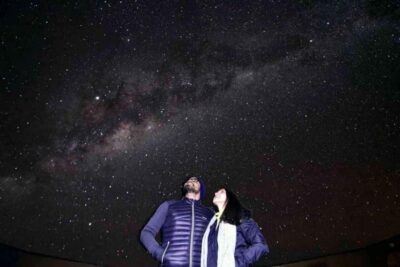
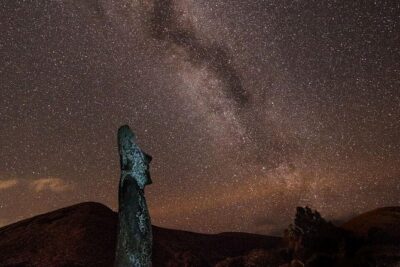
Teide at night feels like another planet. This 6.5-hour Mount Teide stargazing experience pairs a Canarian dinner with a guided sunset and star safari using lasers and telescopes. I like that the guides also connect what you see to both science and mythology, so the sky feels personal, not just technical.
The best part for me is the full evening flow: you’re not just dropped at a viewpoint. You get structured telescope time, plus cold-weather support (think warm layers and hot drinks), and the chance to see standout targets like the Moon and bright planets. A key drawback to consider is that the sky can be spoiled by clouds or a bright moon, and that set meals and waiting times can feel long if you’re hoping for a super-fast, intimate experience.
In This Review
- Key Things That Make This Stargazing Tour Worth It
- How the Evening Really Flows on Teide
- Pickup From the South: What to Expect Before You Even Look Up
- The Canarian Dinner Stop: Filling You Up Before the Cold Hours
- Sunset Above the Sea of Clouds: The Moment the Sky Switches On
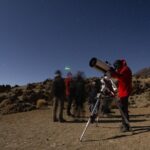
- Telescope Time on Teide: Lasers, Constellations, and Real Targets
- Hot Chocolate, Warm Coats, and the Comfort You Don’t Want to Skip
- Guides Who Tell the Story, Not Just the Facts
- Photos and Timelapse: What You Can Keep After the Night Ends
- Group Size and the Waiting Game
- Value for Money: Is $107.68 a Good Deal?
- When This Tour Is the Right Choice (and When It Isn’t)
- Should You Book Mount Teide Stargazing With Dinner?
- FAQ
- How long is the Mount Teide stargazing with dinner tour?
- What’s included with the dinner?
- Do I get picked up from my hotel?
- What stargazing equipment is provided?
- Is the tour in English, and how big is the group?
- What happens if the weather is poor or I need to cancel?
Key Things That Make This Stargazing Tour Worth It
- Pickup from Los Cristianos to Callao Salvaje: easier door-to-meets-sky logistics than DIY.
- Dinner plus sunset: you’re already fed before the cold hours when stargazing starts to matter.
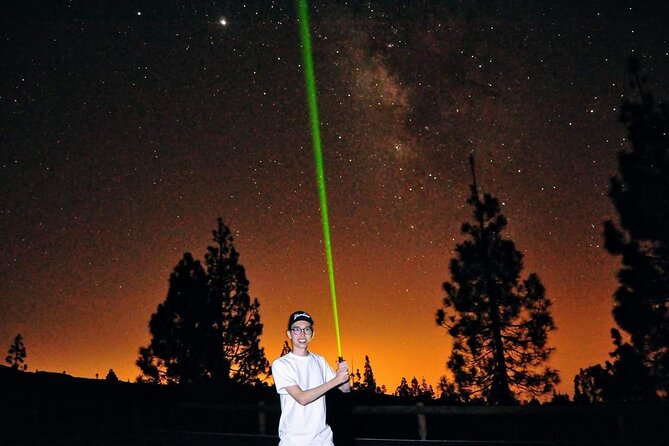
- Lasers and guided constellation pointing: helps you follow the night-sky story without being an astronomy nerd.
- Telescopes for Moon, planets, and deep-sky targets: upgrades the view far beyond naked-eye spotting.
- Warm comfort extras: expect very chilly conditions up high, and you’ll be offered help for it.
- Professional photo extras: the team includes picture add-ons at sunset and with the stars for free (when available that night).
How the Evening Really Flows on Teide
This isn’t a quick “look up for 10 minutes” tour. It’s built like an evening program that moves in stages: transport up, dinner, a high viewpoint sunset, then extended star observation. That order matters. Sunset sets your bearings, and by the time it’s fully dark you’re ready to focus on smaller details like the Moon’s texture, brighter constellations, and star clusters.
Timing is part of the trade-off. You may start early enough that full darkness takes time, and you’ll likely wait for the sky to settle into its best viewing conditions. If you dislike waiting or you’re traveling with very small kids, plan for extra patience.
And yes, it gets cold. Even people who love it still mention the temperature up on the mountain. Bring your best warm layers, and use whatever extra clothing the team provides so your hands and ears can actually stay comfortable.
You can also read our reviews of more tours and experiences in Tenerife.
Pickup From the South: What to Expect Before You Even Look Up
You’ll typically be picked up from the Los Cristianos area extending to Callao Salvaje. The tour notes that pickups aren’t offered from the North of Tenerife or outside the listed pickup zones, so confirm your hotel area is inside range.
When you book, you’re asked to leave your mobile number (with country code) and email so the team can send meeting instructions. That’s not a small detail. With night tours, the difference between clear and vague directions can be the difference between smooth and stressful.
One complaint that came up is that some guests felt the coach transfer was longer than expected because of pickup routing. The fix is simple: double-check your closest pickup point and try to pick the option that minimizes detours. If you know you’ll get impatient, plan your schedule so you’re not already running late from dinner plans elsewhere.
The Canarian Dinner Stop: Filling You Up Before the Cold Hours
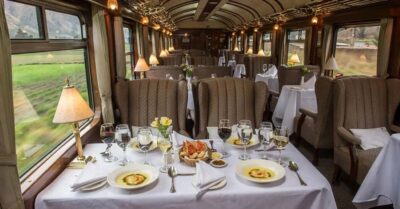
Dinner is included, and it’s paired with one alcoholic drink (wine or beer) with your meal. The menu is described as a typical Canarian meat dish, so this is not a flexible fine-dining situation. If your diet is restricted, it’s smart to set expectations early rather than hope for custom cooking.
What I like about including dinner on this tour is the practical timing. When you’re going to be on Teide in chilly air, hunger is the enemy of good stargazing. When you’re fed before the main viewing block, you can focus on the sky instead of negotiating with your body for warmth and comfort.
The trade-off is quality variability. Some people called the restaurant basic and felt it didn’t match the idea of a full, multi-course meal. If you’re picky about food or you want a bigger, tastier meal, eat a light snack beforehand just in case. That way, you’re never stuck waiting for dinner to become satisfying.
Sunset Above the Sea of Clouds: The Moment the Sky Switches On
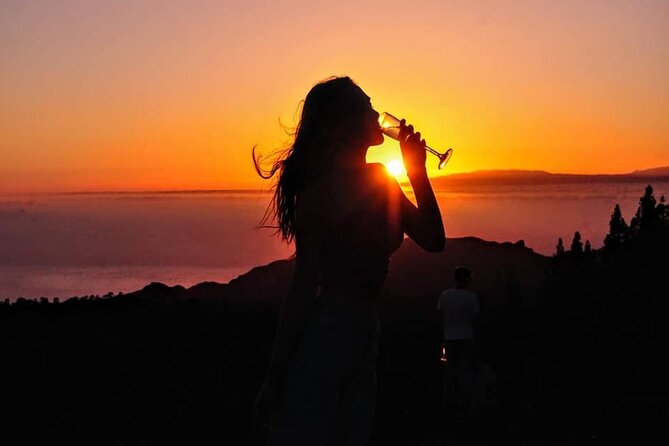
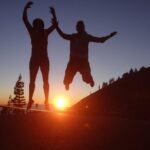
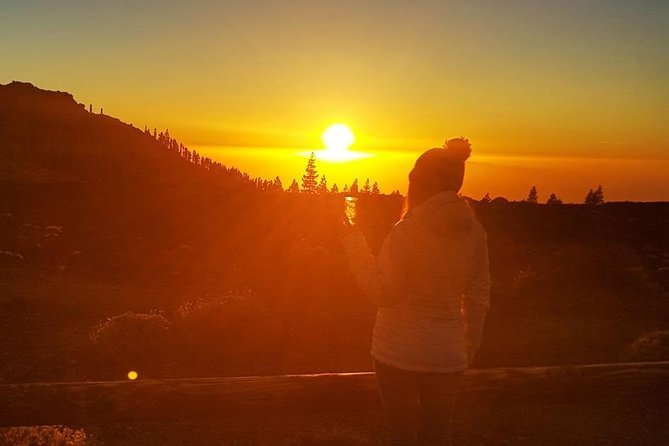
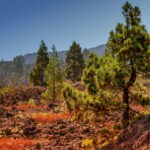
One of the signature parts of this experience is stopping for an impressive sunset from above the Sea of Clouds. That’s the kind of view that changes your mood fast. The light turns golden, the horizon feels wider than the island you started from, and the whole group gets quiet for a bit.
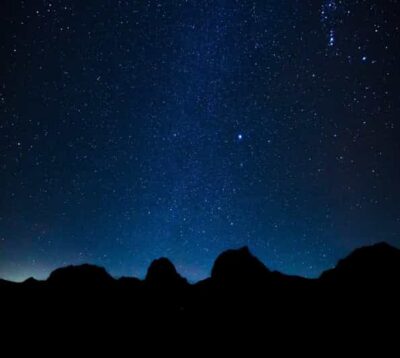
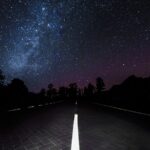
If you arrive on a night with clear visibility, sunset becomes your runway into the stars. You learn where to look, and you start seeing the atmosphere as part of the show—not just the sky itself.
Then reality check: clouds and moon conditions can affect what follows. Some nights deliver strong starlight, others don’t. Even when stargazing is reduced, the sunset stop is still one of the best ways to understand why Tenerife is famous for astronomy.
Telescope Time on Teide: Lasers, Constellations, and Real Targets
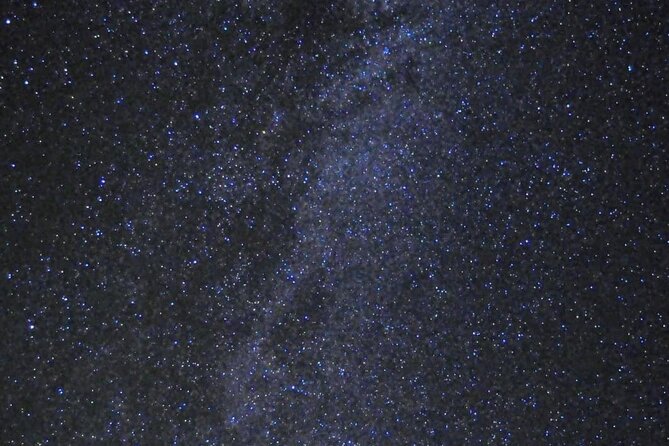
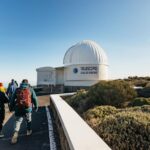
This is where the tour justifies its price. You’re not relying on a phone app and guessing. You get guided telescope viewing so you can actually see the Moon and brighter planets with assistance.
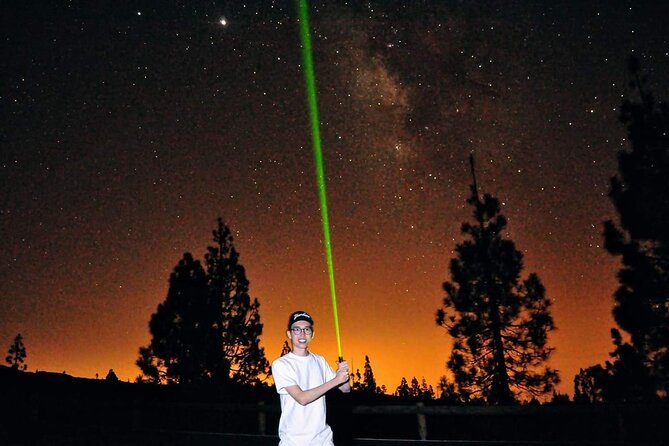
The tour uses professional tools like lasers to help you connect constellations to what you’re seeing in the dark. It sounds simple, but it changes everything for first-timers. Instead of staring up and hoping you spot Orion or Jupiter, you get pointed to it, then explained in plain language.
Telescopes also have limits. Some guests expected larger optics and were surprised the telescope view could feel smaller than they imagined. Still, multiple reviews highlight that the Moon is a true wow moment, and that bright planets like Jupiter can be surprisingly satisfying when you see them through a proper scope.
Two things to take seriously:
- The Moon can brighten the sky. A bright moon can make faint objects harder to see.
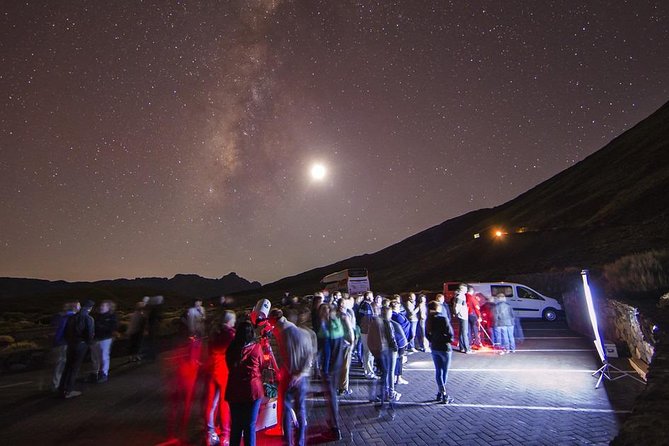
- Waiting is normal. You may spend time in line for telescope access, especially with a group that can be up to 52 travelers.
Hot Chocolate, Warm Coats, and the Comfort You Don’t Want to Skip
Even if your jacket is great on the coast, Teide can still bite. Warmth is not optional here. Multiple guests specifically praise the cold-weather support, including extra layers like puffer jackets, plus hot chocolate partway through.
I’d treat this as a checklist moment. Wear warm socks, a hat, and gloves if you run cold. If you forget, don’t panic—the tour provides warming help—but comfort will affect how long you can enjoy the viewing stretches without rushing through them.
A funny but true detail: the sky can be amazing and still feel like a chore if you’re shivering. When you’re warm enough to relax, you actually notice things. And when you notice things, the guide’s explanations land better.
Guides Who Tell the Story, Not Just the Facts
The guide experience is a big reason this tour has strong ratings. Names that came up include Kieran, Craig, and Hans. People mention guides answering lots of questions, including questions from kids, and keeping the atmosphere fun rather than stiff.
I like this approach because stargazing can be intimidating. If you don’t know where to start, someone pointing to one clear target at a time makes the sky feel doable. That’s where the combination of lasers, constellation stories, and telescope time really works.
Also, the guides don’t just talk through the equipment. They help you understand what you’re seeing, which means when you get home you’re not stuck with only a vague memory of dots in the dark. You remember what each target means.
Photos and Timelapse: What You Can Keep After the Night Ends
If you care about keepsakes, you’ll like how the team handles photography. Guests mention professional photos taken at the sunset point and again during the stargazing, plus a timelapse of the sunset and star imagery compiled for you.
One helpful detail: the photos are shared via a link, reported as a Dropbox link via WhatsApp. That means you don’t have to chase after the images or hope someone remembers to email them later.
Just note: this kind of photo kit can still depend on conditions that night. Clouds and fog can change lighting, and perfect photos can’t happen when the sky won’t cooperate.
Group Size and the Waiting Game
This tour caps at 52 travelers, and that matters because telescope access typically isn’t instant. On busy nights, you may stand around in cold air while you wait your turn. Some guests loved the vibe despite this. Others felt it cut into their enjoyment.
Here’s how I’d plan around it:
- If you hate lines, accept that stargazing always takes time, and bring patience like you would for a popular museum.
- If you want a more intimate vibe, you might prefer a smaller-group astronomy outing or a DIY night under Tenerife skies.
The good news: the guides try to keep the program moving with storytelling and constellation pointing while you’re waiting, so it doesn’t feel like dead time the whole way through.
Value for Money: Is $107.68 a Good Deal?
At $107.68 per person, you’re paying for more than just a viewpoint. Your price includes:
- Dinner
- One wine or beer with dinner
- Telescope access
- Pickup from the Los Cristianos to Callao Salvaje hotel zone
- Guided use of lasers and instruction during the stargazing
That’s a lot bundled into one ticket, especially on a night tour where transport and timing are hard to DIY. If you’d otherwise spend money on a car rental, gas, parking, and an organized viewing setup, the package starts looking like solid value.
The places where it may not feel worth it are predictable:
- If the night sky is limited by clouds or bright moon, the star show is weaker.
- If you’re expecting a more premium dinner experience than a set Canarian meal, you might feel disappointed.
- If you’re very sensitive to long coach pickups or waiting in telescope lines, your overall satisfaction can drop fast.
When This Tour Is the Right Choice (and When It Isn’t)
This tour is best for you if:
- You want a guided first-time experience and don’t want to figure out constellations alone.
- You love the idea of pairing a big view with structured stargazing.
- You appreciate comfort extras like warm layers and hot drinks.
It may be less ideal if:
- You’re already an astronomy hobbyist with your own gear and you know exactly what you’re hunting for.
- You strongly dislike group travel and long waits.
- You’re counting on heavy stargazing on nights with uncertain weather or moonlight.
If you’re traveling with kids, it can be a hit as long as you dress warmly. Still, night tours run late and cold conditions can make little ones cranky before the sky peaks.
Should You Book Mount Teide Stargazing With Dinner?
Book it if you want a night that feels like a full event: dinner, sunset, then telescope viewing with lasers and guided explanations. The strongest signal here is the wow factor from Moon and planets, plus the fact that the program is designed to teach while you look.
Skip it or pick a different option if you hate cold, hate lines, or you need guaranteed faint-object stargazing every time. Weather and sky brightness can’t be controlled, and that affects what you’ll see.
My practical call: if you’re visiting Tenerife and you don’t mind bundling dinner and comfort into an evening outing, this is one of the more convenient ways to get real telescope time on Teide.
FAQ
How long is the Mount Teide stargazing with dinner tour?
It runs about 6 hours 30 minutes (approx.).
What’s included with the dinner?
Dinner is included, along with one wine or beer with dinner.
Do I get picked up from my hotel?
Pickup is offered from the Los Cristianos area to the Callao Salvaje area. The tour notes it does not include pickup from the North of Tenerife or areas outside the listed pickup zone.
What stargazing equipment is provided?
The tour includes telescopes and uses lasers while guides point out constellations and targets in the night sky.
Is the tour in English, and how big is the group?
The tour is offered in English, and the maximum group size is 52 travelers.
What happens if the weather is poor or I need to cancel?
The experience requires good weather. If it’s canceled due to poor weather, you’ll be offered a different date or a full refund. You can also cancel for free up to 24 hours in advance for a full refund.