REVIEW · EASTER ISLAND
Rapa Nui Stargazing
Book on Viator →Operated by Green Island Tours - Easter Island · Bookable on Viator
The night sky on Rapa Nui feels close enough to touch. This tour takes you away from town for telescope views and a guided lesson on how Polynesians read the stars. I like that you get hotel drop-off after the tour, so you’re not stuck figuring out late-night rides. One thing to plan for: it runs only when conditions are right, so weather (and sometimes moonlight) can force a change.
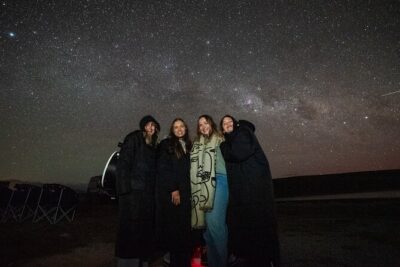
You’ll meet at KatipareHanga Roa at night and head out with a local driver/guide and live commentary. I also love the small group size (max 12), which makes telescope time and questions actually work, not get rushed. The evening includes hot beverage and local cake, which helps when the island air turns chilly after sunset. If you hate last-minute schedule shifts, this may not be your style.
In This Review
- Key points you’ll care about
- A small-group night class under Rapa Nui’s dark sky
- Price and what makes it feel worth $140 per person
- Meeting at Katipare library: timing and how you avoid stress
- Getting to the remote viewing spot before the stars
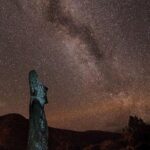
- Anakena Beach at night: telescope time and Milky Way odds
- Ahu Nau after dark: the moai moment that closes the night
- Guides, Polynesian navigation, and what you’ll actually see
- Photos, souvenir prints, and pacing (yes, it can run long)
- Weather, moonlight, and why you must stay flexible on Rapa Nui
- Who should book this tour, and who should think twice
- Should you book Rapa Nui Stargazing with Green Island Tours?
- FAQ
- Where do I meet for Rapa Nui Stargazing?
- What time does the tour start?
- How long is the experience?
- What’s included in the price?
- What is not included?
- How many people are in the group?
- What happens if the weather is bad?
Key points you’ll care about
- Small group (max 12): easier viewing and more time at the telescopes
- Dark skies near Anakena: less light pollution for better Milky Way views
- Night access to Ahu Nau: a special moai/ceremonial-site moment at the end
- Telescope + guidance: you’ll learn what you’re seeing, not just point and stare
- Hot drink and local cake: comfort while you wait for views to sharpen
- Hotel drop-off included: you finish the night without extra hassle
A small-group night class under Rapa Nui’s dark sky
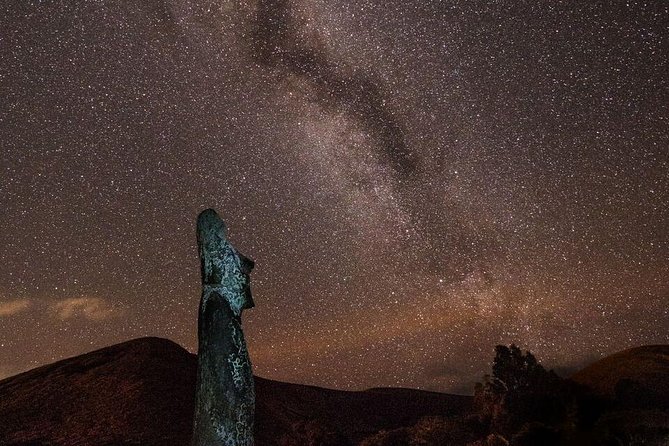
If you only do one stargazing activity on Easter Island, this is the kind that makes the whole trip feel more meaningful. The core idea is simple: get to low-light spots and use telescopes with guided interpretation, so the sky turns into something you can understand. You’re not just looking at stars—you’re learning how to connect them into a map.
The group stays intimate, up to 12 people, and that matters for a stargazing tour. When everyone is close to the telescopes, you spend more time actually seeing details like Saturn’s or Jupiter’s features, not waiting in a slow-moving line. Many nights include a short “star briefing” that helps your eyes adjust and your brain switch from random dots to constellations.
This is also a practical night activity. You’ll start from the Katipare library area and return with hotel drop-off, which is a big deal on an island where late-night transport can get tricky.
You can also read our reviews of more tours and experiences in Easter Island.
Price and what makes it feel worth $140 per person
At $140 per person for about 3 hours 30 minutes, it isn’t a budget add-on. The value comes from what’s built into the price: transportation with a driver/guide, live commentary, a small-group format, and telescopes during the viewing time.
There’s also a “conditions factor.” Stargazing on Rapa Nui depends on clear skies and calm enough wind for telescopes to work well. That’s why the tour is structured to relocate you only when the night will be usable—and why cancellations can happen. When it goes well, you’re paying for the guide’s planning and for the equipment time at a remote site.
Not everything is included. You may need to budget for admission related to the stops (Anakena includes a note that admission tickets are not included). Souvenir photos are also extra—handy if you want them, but not required.
Meeting at Katipare library: timing and how you avoid stress
You’ll meet in front of KatipareHanga Roa, at Centro Lector Katipare. The start time shifts by season: expect 20:00 during summer and 19:30 for winter. Another schedule note lists Sept to April with a start window around 20:30 to 21:00, so treat the exact time on your confirmation as the truth you should follow.
This meeting choice is deliberate. The tour says it’s near public transportation, and it’s central enough to keep the night simple—especially since hotel pickup isn’t included. Plan to arrive a bit early, because once you’re running on Rapa Nui time at night, “close enough” can turn into “we missed each other.”
The tour ends with hotel drop-off, which is a relief after a late evening out near the beach and ceremonial sites. Expect the whole experience to run roughly 3.5 hours, sometimes stretching with telescope time and end-of-tour photo moments.
Getting to the remote viewing spot before the stars
Before you even reach Anakena, the plan is to set up telescopes at a remote site. That’s when the night really starts: you get guided stargazing, you’re away from town lights, and your eyes have time to adjust.
You’ll also get hot beverage and local cake while you settle in. That sounds like a small detail, but it changes the whole feel of waiting for the sky to cooperate. On Easter Island, the evening temperature can be cooler than you expect even after a warm day—so this warmth is practical, not just cute.
The driver/guide is more than transportation here. The tour includes live commentary on board, and the guides connect the sky to Rapa Nui and Polynesian stories, including how people used the stars for navigation across the Pacific. This is the difference between “pretty” and “I get it now.”
Anakena Beach at night: telescope time and Milky Way odds
Anakena isn’t just a scenic stop—it’s built into the viewing strategy. The tour schedules about 40 minutes at Anakena, where you can soak up the night atmosphere and enjoy the best chance at seeing a bright Milky Way from a darker coastline.
If the sky is clear, you’re likely to get telescope views of objects many people only hear about in astronomy documentaries. In past sessions, telescopes have been used to show things like craters on the Moon, and bright planet targets such as Jupiter and Saturn. Some evenings also reach beyond the easy targets, with deep-sky sights like star clusters and nebulae mentioned by guests.
A practical tip: bring something for wind and chill, and don’t head out empty-handed for moving around after dark. One guest specifically suggested having a flashlight/headlamp, since you’ll be operating at night and walking with your hands full.
Admission notes matter here. The stop at Anakena includes an admission ticket not included note, so if entry fees apply, you’ll want to be ready to cover them on your side.
Ahu Nau after dark: the moai moment that closes the night
The final stop is Ahu Nau, with special night access. This is the payoff for many people: seeing the moai and ceremonial setting under the same sky you’ve been studying through the scopes.
Because Ahu Nau comes at the end, it also functions like a “reset.” You’ve spent the early part of the night focusing on stars and navigation stories, then you shift to the island’s human history—still under darkness, still with a guided thread tying it back to the sky.
Some sessions include a longer photo moment at Anakena, with photos taken next to the moai area. That’s not automatic souvenir inclusion—you can buy souvenir photos separately—but the tour experience often includes setup time for those who want pictures captured during the best light.
Guides, Polynesian navigation, and what you’ll actually see
The best stargazing guides do two things at once: they connect the sky to meaning, and they manage equipment so you can see clearly. This tour is built around that balance.
Guides on this experience have been named by guests—Mark and Marc show up in the guide stories you can expect. They tend to run a mix of pointing out sky targets and explaining how Polynesians used the stars for navigation. That connection is one reason people leave feeling like the night “made sense,” not just like they watched dots.
You can also expect accommodation during viewing time. Guests have described guides being friendly and helpful while people look through telescopes and ask questions. In a small group, that personal attention shows up more than it would in a bigger crowd.
What you see will depend on conditions, but the common themes from the experience include:
- bright planets and moon features through telescopes
- the Milky Way when skies cooperate
- star clusters and classic southern-sky targets (when visibility allows)
Photos, souvenir prints, and pacing (yes, it can run long)
There’s a photo component, especially near the moai area. The tour notes that souvenir photos are available to purchase, and some guides have been described as adding music during photo time.
Still, pacing is worth knowing. A couple of experiences mention the photo session feeling longer or a bit confusing in how email addresses are handled for receiving pictures. Translation: if you’re the type who wants a clean, tight schedule, you may find the end-of-tour process takes more time than the stargazing portion.
If you care about getting your own photos, this is also the night to plan smart. Use your phone or camera confidently for the Milky Way only if you know how to hold a steady shot in low light. Otherwise, rely on the guided setup time and consider the souvenir print if you want an easy win.
Weather, moonlight, and why you must stay flexible on Rapa Nui
On Easter Island, stargazing is weather-dependent in a very real way. If skies are unstable or if wind is strong, telescopes can be uncomfortable or hard to use. That’s why the operator may cancel or reschedule. It’s not a “maybe if” situation—it’s an “only if it will work” situation.
Moon phase can also matter. Full-moon nights bring much more light, which washes out stars and can reduce what telescopes make visible. There’s an additional option mentioned in one case: a full moon hike on Terevaka mountain offered instead of stargazing when conditions make stargazing less effective. It’s not a one-to-one replacement, so think of it as an alternative night plan.
Timing around confirmation can feel tight, too. Some guests report short notice changes, and the tour description indicates weather confirmation happens close to the start. The best strategy is to build flexibility into your schedule.
One strong piece of advice from the rhythm of this experience: book for your first night after you arrive. That way, if weather cancels your session, you’re not stuck with zero backup nights.
Who should book this tour, and who should think twice
This stargazing tour is a great fit if you:
- want a guided sky lesson, not just looking up
- enjoy astronomy basics tied to Pacific navigation stories
- like small groups and one-on-one telescope time
- can handle the reality that weather controls the plan
It might be less ideal if you:
- have only one free evening on the island
- dislike last-minute schedule changes and want certainty
- hate cold/wind and don’t plan for night conditions
- are hoping for nonstop telescope time regardless of visibility
If you’re going with family, this also tends to work because the guided stories help kids and adults stay engaged. The tour notes say most travelers can participate, which is useful if you’re unsure about mobility—but it does not list any specific accommodations beyond that.
Should you book Rapa Nui Stargazing with Green Island Tours?
My take: book it if you can be flexible and you want the kind of night that turns Rapa Nui into more than scenery. When the sky is clear, the combination of dark-sky viewing near Anakena, telescope time, and night access to Ahu Nau makes the experience feel special in a way most island activities don’t.
Do it early in your trip so you’re not gambling your whole vacation on one night. Bring a warm layer (even if the day is hot), and consider a flashlight/headlamp for moving around after dark. And be ready for the possibility that the operator may cancel due to weather or moonlight—because on this island, good stargazing is earned, not guaranteed.
If you want a calm, guided night with meaning—stars plus culture—this is a strong choice.
FAQ
Where do I meet for Rapa Nui Stargazing?
You meet in front of Centro Lector Katipare (KatipareHanga Roa). The end of the tour includes hotel drop-off.
What time does the tour start?
Start times vary by season. The tour indicates 20:00 during summer and 19:30 for winter, and it also lists a Sept–April window of 20:30–21:00. Use your booking confirmation for the exact time.
How long is the experience?
It runs about 3 hours 30 minutes (approx.).
What’s included in the price?
Included items are driver/guide, live commentary, hotel drop-off, and a small-group tour (max 12 people). You also get a hot beverage and local cake during the remote telescope setup.
What is not included?
Souvenir photos are not included, and hotel pickup is not included (you meet in front of Katipare library). An admission ticket is noted as not included for the Anakena stop.
How many people are in the group?
The tour has a maximum of 12 travelers, keeping the experience intimate.
What happens if the weather is bad?
This experience requires good weather. If it’s canceled due to poor weather, you’ll be offered a different date or a full refund (subject to availability for rescheduling). If weather changes while you’re out, the team may try to take you out again free of charge on another night, depending on availability.