REVIEW · MAUI
Haleakala Sunset and Astronomy Tour
Book on Viator →Operated by Amazing Maui Stars · Bookable on Viator
Cold summit, stars worth the climb. This Haleakalā sunset and astronomy tour takes you up to about 10,000 feet, with Trish as the guide, plus telescope time for big-sky views. I love the comfort touches like warm outer gear, hot drinks, and chairs for a good sunset spot. I also love the hands-on stargazing with binoculars and a telescope pointed at real targets. The main drawback is altitude and cold, so if you have sinus congestion or just went scuba recently, this may be painful or not a good idea.
You’ll drive into Haleakalā National Park, learn how the volcano shaped Maui, then watch the crater and sunset from above the clouds. Expect it to be dark when you’re doing the astronomy portion, and you’ll want to dress for wind as well as cold.
In This Review
- Key Reasons This Haleakalā Sunset + Stars Tour Works
- First, Plan for the Big Altitude and Cold Reality
- The Drive into Haleakalā National Park: Geology, Plants, and a Crater View
- Sunset Setup: Chairs, Warm Clothing, and Hot Drinks
- Astronomy Time: Telescopes, Binoculars, and the Real Night Sky
- What Food Looks Like on This Tour (and What You Should Bring)
- Price and Value: Is $235 Worth It?
- Who Should Book This (and Who Might Skip It)
- Weather, Cancellation, and the Maui Reality Check
- Getting the Most Out of Your Haleakalā Night
- Should You Book This Haleakalā Sunset and Astronomy Tour?
- FAQ
- Where does the tour start?
- What time does the Haleakalā sunset and astronomy tour begin?
- How long is the tour?
- How many people are in the group?
- What’s included for stargazing and comfort?
- Are hot drinks included?
- Is dinner included?
- Is the tour offered in English?
- Are service animals allowed?
- What should I know if weather is bad?
- Can I cancel for a full refund?
Key Reasons This Haleakalā Sunset + Stars Tour Works
- Small group size (max 7): more personal attention and easier spotting at the summit
- Warm gear + chairs: you can focus on the sky instead of fighting the cold
- Telescopes and binoculars: you get guided viewing, not just a quick look
- Sunset from a high, clear-sky spot: often above clouds for a dramatic horizon
- Haleakalā geology and life: crater views paired with facts about plants and wildlife
- Trish’s hosting style: calm, friendly, and tuned in to your comfort and questions
First, Plan for the Big Altitude and Cold Reality
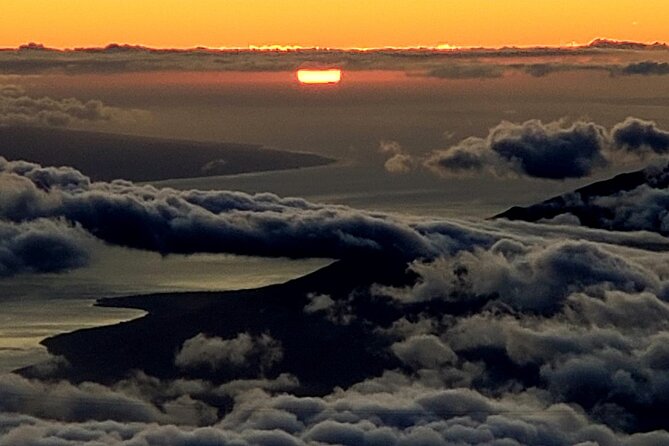
This tour is scheduled around sunset, starting at 4:30 pm and running about 5 hours 30 minutes. That timing matters because you’re climbing while daylight is fading, then staying for the night sky. You’re also going up to around 10,000 feet, which is where the experience gets so good—and where you need to respect the conditions.
Even with warm clothing provided, you should still come ready for chilly summit air. One of the most common pieces of practical advice: dress warm like you mean it, because the temperature can surprise you once the sun drops and the wind picks up. If you’ve got sinus congestion, you may struggle with ear pressure during the climb and especially during the descent, which is exactly when it matters.
If you recently went scuba diving, this also may not be a good fit due to altitude. In other words: the sky is the prize, but the mountain is the boss.
You can also read our reviews of more tours and experiences in Maui.
The Drive into Haleakalā National Park: Geology, Plants, and a Crater View
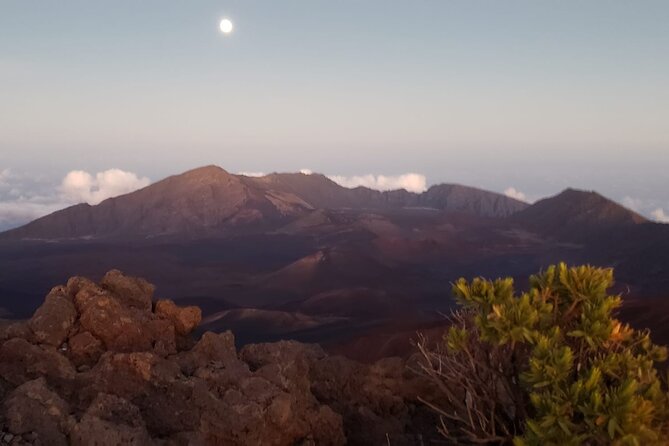
Once you’re picked up at 81 Ahuwale Pl, Makawao, you head toward Haleakalā National Park. The road ride is part of the value, not just transportation. You’ll learn how the dormant volcano shaped Maui, and you’ll hear about the unique life that survives at elevation—things like flora adapted to this harsh, volcanic environment, plus wildlife that’s part of what makes Haleakalā special.
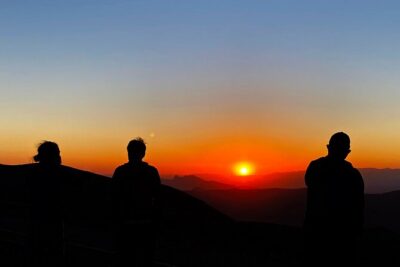
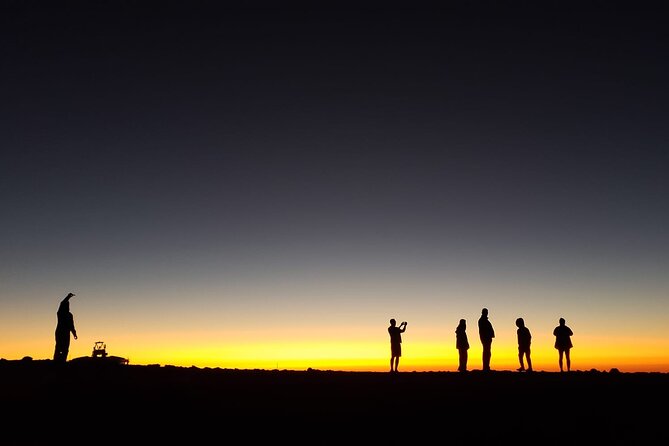
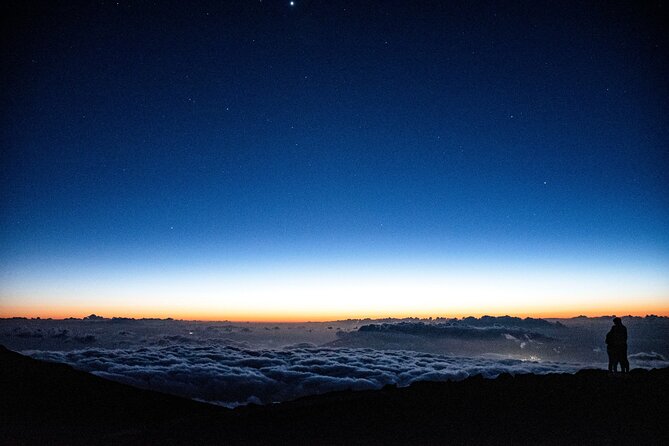
Then you reach the crater-area viewpoint for the sunset. This isn’t a quick roadside photo stop. You’ll get set up, then watch the sun drop while the crater and surrounding volcanic terrain come into sharper focus. In many spots on Maui, clouds can break up the horizon. Here, you’re often high enough that the view can feel like it’s happening above the cloud layer.
Why this matters: learning and seeing happen at the same time. You’re not just killing time until it’s dark. You’re building a mental picture of the place, so the stars later feel like they belong to the same story.
Sunset Setup: Chairs, Warm Clothing, and Hot Drinks
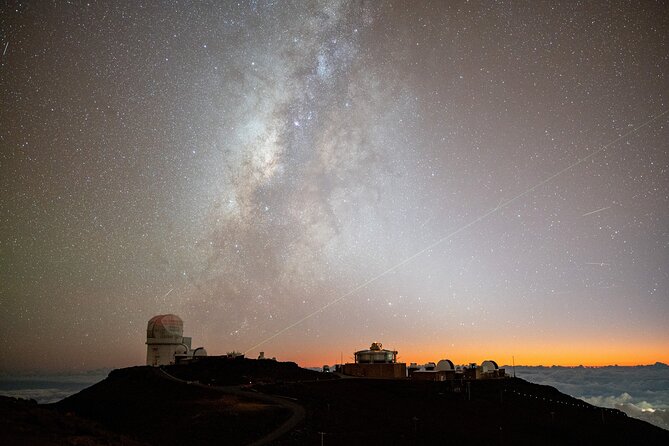
Comfort is a big deal on this tour, because you’re staying outside longer than you might expect. You’ll be provided warm outer ware and seating (chairs) for the sunset viewing. Hot drinks like coffee, tea, and hot chocolate are included, which is a simple but smart move at altitude.
A lot of the best Maui moments are short and packed. This experience slows down on purpose: you get a proper spot to watch the sky change colors, without having to hover or keep moving. And the gear is practical, not just a nice-to-have. You’re less likely to fidget, and you’re more likely to actually see what the guide is pointing out.
One more thing I like: even if you’re traveling with teens or families, sitting still for a few hours isn’t as hard when you’re warm, comfortable, and not doing a strenuous hike.
Astronomy Time: Telescopes, Binoculars, and the Real Night Sky
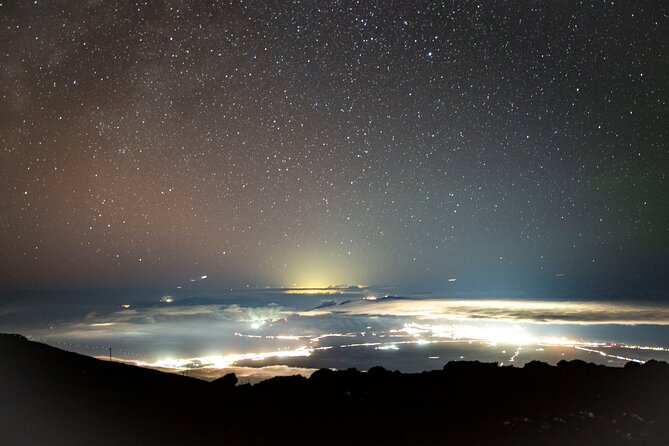
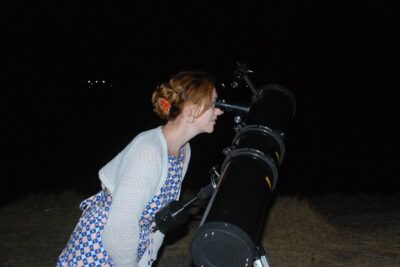
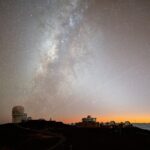
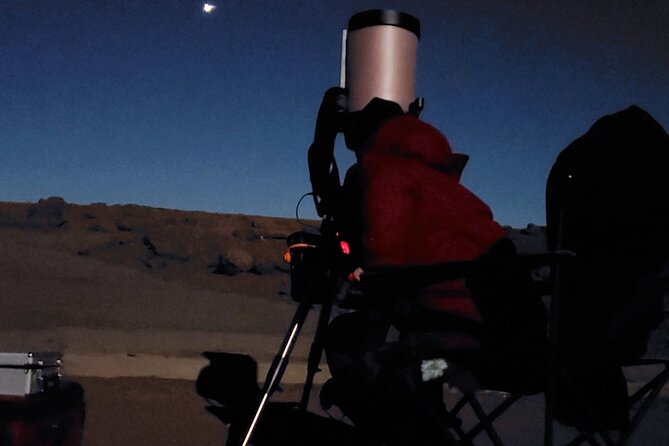
Once sunset fades, the tour pivots from volcano to universe. Telescopes and binoculars are included, and the guide helps you look at major sky targets—especially the Moon and planets. People often come expecting star fields and end up blown away by how much detail you can see with the telescope once it’s properly aimed.
This is also when the guide talks constellations and gives pointers for night viewing. There’s even a focus on practical phone photography tips so you’re not just staring while your camera sits there like a doorstop.
What you should aim for as you plan your evening:
- Bring your phone and charge it beforehand. Night viewing eats battery fast.
- Be ready to look up for long stretches. The best views come with patience.
- Ask questions when the guide pauses between objects. That’s when explanations click for beginners.
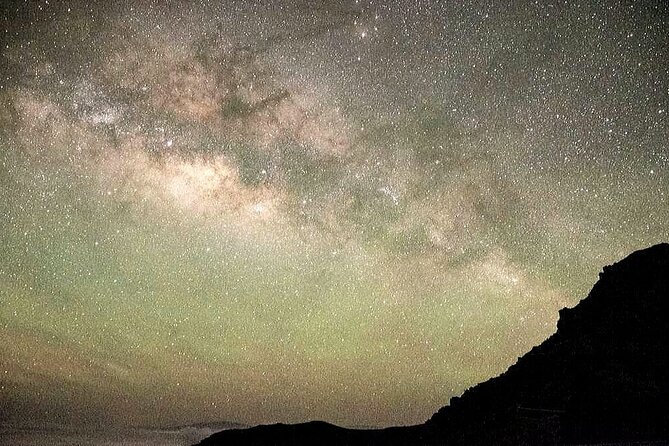
Why the telescope portion is the heart of the tour: Maui’s dark-sky views are great, but everyone sees stars differently. A telescope session turns a vague wow into a clear, specific wow—like seeing the Moon with crisp edges or picking out planets that are hard to spot with the naked eye.
What Food Looks Like on This Tour (and What You Should Bring)
Dinner is listed as not included. The guidance is to bring your own snacks and a boxed dinner or sandwich. That said, several guests describe warm simple food being served during the evening—things like soup, chili and rice, crackers, and hot cocoa.
So here’s my advice: don’t rely on a full meal being provided. Instead, plan for a flexible snack setup you can eat if you get hungry while you’re waiting for the stars. If warm food shows up, great—you’ll be pleasantly surprised. If it doesn’t, you’ll still be fine.
If you have allergies or dietary restrictions, this is worth extra attention. The tour is at a long, cold summit stop, and food timing can matter. If your diet needs are complex, ask directly what’s planned so you can feel confident rather than guess.
Price and Value: Is $235 Worth It?
At $235 per person, this isn’t the cheapest thing you’ll do on Maui. But it’s not just “a van ride + a telescope.” You’re paying for altitude-based access (and the time commitment), plus small-group hosting, warm gear, hot drinks, and guided astronomy at the summit.
Here’s where the value shows up for most people:
- You get a high-quality viewing setup (chairs, warm layers, hot drinks)
- You get guided telescope time instead of a free-for-all
- Group size is limited to 7 travelers, which improves attention and comfort
- The guide is handling timing, sky explanations, and night viewing logistics for you
If your goal is a once-in-a-trip Haleakalā sunset with real stargazing support, this price can make sense. If you’re mainly chasing a budget sunset photo, you can do that on your own. But if you want the night-sky payoff with less stress and more guidance, you’re paying for the experience design.
Who Should Book This (and Who Might Skip It)
This tour says most travelers can participate. That said, the altitude and night timing put a few limits on it.
A good match if you:
- Want a guided Maui astronomy night, not just a drive and hope
- Appreciate small-group experiences (max 7 travelers)
- Like learning how the place works—geology, crater views, and local flora/wildlife
- Need help staying comfortable at the summit (warm outer ware, chairs, hot drinks)
A shaky match if you:
- Recently scuba dived (altitude may be an issue)
- Have sinus congestion or are currently sick (ear pressure on the way down can be painful)
- Hate cold or wind and don’t think you can dress for it
Families often do well here too, since the setup is comfortable and the viewing is guided. Just be realistic: night + cold + waiting is a longer “sit and watch” than many kids expect.
Weather, Cancellation, and the Maui Reality Check
This experience depends on the sky. If weather is poor, the tour may be canceled and you’ll be offered a different date or a full refund. That’s the risk with any summit-based stargazing plan in Hawaii: clouds, wind, or fog can change everything.
The upside is that the operator has a track record of staying on top of conditions and communicating. In one case, the tour was canceled due to high winds, and the guide offered an alternate date while keeping guests updated. That kind of transparency is exactly what you want when you’re making plans around sunset.
My practical tip: build flexibility into your Maui schedule. If your itinerary is jam-packed with zero wiggle room, a weather-dependent tour can feel stressful.
Getting the Most Out of Your Haleakalā Night
If you want this to feel like a highlight, focus on these small moves:
- Dress in layers even though warm outer ware is provided. Wind chill is real up there.
- Eat something beforehand. Dinner isn’t included, and the night portion takes time.
- Plan to look longer than you think. Stars and planets often reveal themselves over time as your eyes adjust.
- If you want photos, ask the guide for phone tips while you’re on the setup. Quick adjustments can make a big difference.
Also, don’t treat stargazing like a one-and-done task. The best part of the night is watching the sky shift and then getting pointed to specific objects with the telescope.
Should You Book This Haleakalā Sunset and Astronomy Tour?
Book it if you want a guided, small-group Haleakalā sunset plus a real astronomy session with telescope viewing at altitude. The comfort setup (warm gear, chairs, hot drinks) plus the guided targets (Moon and planets, constellations) is what turns a pretty night into a memorable one.
Skip or reconsider if cold and altitude pressure are deal-breakers for you, or if you’re dealing with sinus issues or recently scuba dived. Also, if you can’t handle a weather-based change of plans, you may prefer a more time-flexible activity.
If you’re traveling soon and you’re choosing between doing Haleakalā in a hurry versus doing it right, this is one of the ways to do it right—without needing to be an astronomer, and without needing to rough it.
FAQ
Where does the tour start?
It starts at 81 Ahuwale Pl, Makawao, HI 96768, USA.
What time does the Haleakalā sunset and astronomy tour begin?
The start time is 4:30 pm.
How long is the tour?
It runs about 5 hours 30 minutes (approximately).
How many people are in the group?
The group size is limited to a maximum of 7 travelers.
What’s included for stargazing and comfort?
You get a telescope, binoculars, warm outer ware, chairs, and a driver/guide.
Are hot drinks included?
Yes. Hot tea, hot chocolate, and coffee (or tea) are included.
Is dinner included?
Dinner is listed as not included. The guidance is to bring your own snacks and boxed dinner/sandwich.
Is the tour offered in English?
Yes, the tour is offered in English.
Are service animals allowed?
Yes, service animals are allowed.
What should I know if weather is bad?
The experience requires good weather. If it’s canceled due to poor weather, you’ll be offered a different date or a full refund.
Can I cancel for a full refund?
Yes, you can cancel up to 24 hours in advance for a full refund. If you cancel less than 24 hours before the start time, you won’t receive a refund.