REVIEW · BOULDER COLORADO
Boulder: Guided Astronomy Tour
Book on GetYourGuide →Operated by AstroTours.org · Bookable on GetYourGuide
Night sky lessons start right at sunset. This Boulder astronomy tour pairs a professional astronomer with large telescopes and a laser-guided walkthrough, so the stars stop being an idea and start being real. I love how you look through the equipment and learn what you are seeing, not just hear about it.
The group stays small, limited to 7 participants, which makes Q&A feel normal instead of rushed. In recent guide lineups, people highlight staff like Hailey and Kota for knowing their stuff and explaining clearly.
One thing to plan around: the tour depends on clear skies, and it can be canceled if clouds block star viewing.
In This Review
- Key Takeaways
- Boulder Night-Sky Views From an Easy Trailhead
- Meet the Astronomer: How the Tour Actually Works
- Telescope Time: What You’ll Actually See Outside Boulder
- Learning Beyond Starlight: Models, Meteorites, and Real Science
- Comfort Kit That Makes Cold Nights Easier
- Getting Your Bearings: Timing, Sunset Start, and Weather Reality
- Price and Value: Is $45 Worth It?
- Who Should Book This Boulder Guided Astronomy Tour?
- Should You Book This Tour?
- FAQ
- How much does the Boulder guided astronomy tour cost?
- How long is the tour?
- Where do we meet for the tour?
- Do I need to hike to see the telescopes?
- What should I bring for the tour?
- What equipment and guidance are provided?
- Is the tour wheelchair accessible?
- What happens if the sky is cloudy?
Key Takeaways
- Pro-guided, laser-pointer sky map so you always know what you are aiming at
- Big-telescope views with hands-on observing for planets, nebulae, clusters, and galaxies
- No hiking required at an easy-to-reach Boulder Valley Ranch Trailhead
- Comfort-first viewing setup with red lights, camp seating, and extras like hand warmers on request
- Small group pacing (7 max) that keeps questions flowing
Boulder Night-Sky Views From an Easy Trailhead
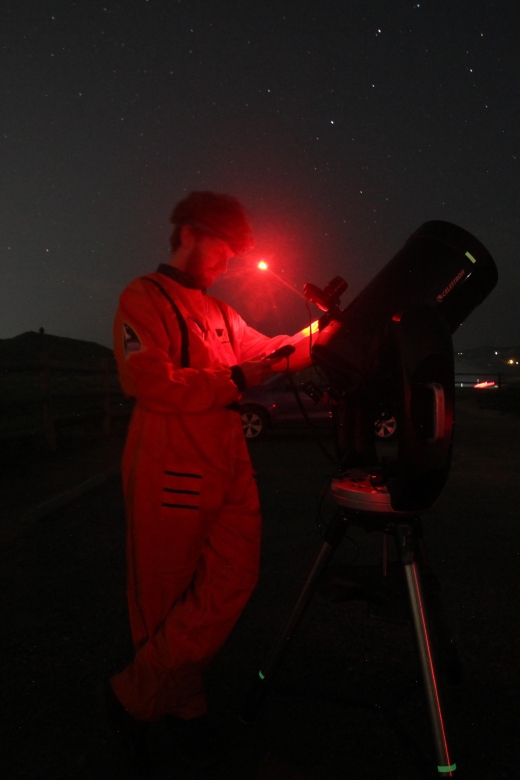
You get the best of Colorado night sky country without turning it into a hike. The tour meets at the Boulder Valley Ranch Trailhead parking lot, with flat ground and an easy setup area, plus a pit toilet on site.
It also helps that you arrive near where evening life is starting up. The area is close enough to feel relaxed about wildlife spotting and sunset watching, and the whole experience is designed to keep you comfortable while you wait for darker skies.
If you are using GPS, I suggest following the directions advice and typing Boulder Valley Ranch Trailhead into Google Maps. That simple step can save you from the usual address-pin confusion.
Meet the Astronomer: How the Tour Actually Works
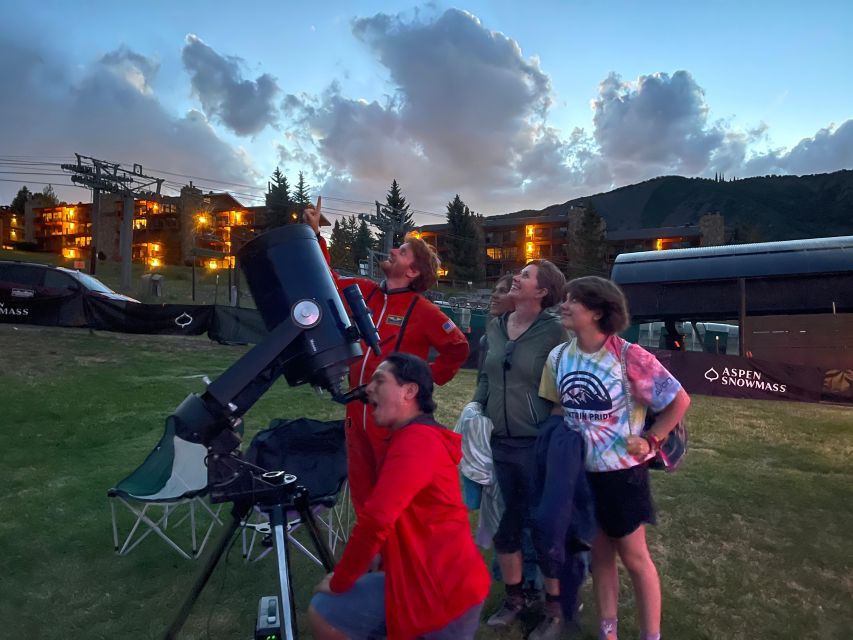
This is a true guided experience, not a drop-off telescope situation. A professional astronomer leads the session in English and builds the night sky lesson around where everyone is standing, what you can see with your eyes, and what the telescopes can reveal.
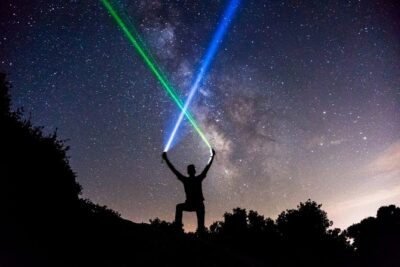
The laser pointer plays a big role. You use it to follow constellations and star navigation ideas in real time, so you do not feel lost while the night gets darker. It is an efficient way to connect the dots before you look through the eyepiece.
The small group limit matters more than you might think. With only up to 7 participants, you get a chance to ask follow-up questions and get guidance that fits what you are actually seeing, including if your first target is hard to locate.
Also, the tour is geared toward adults and older kids who can stay up through the program. This is not a sleepy stroll. For younger children, the timing can mean they nod off once the sky talk and observing stretch longer.
Telescope Time: What You’ll Actually See Outside Boulder
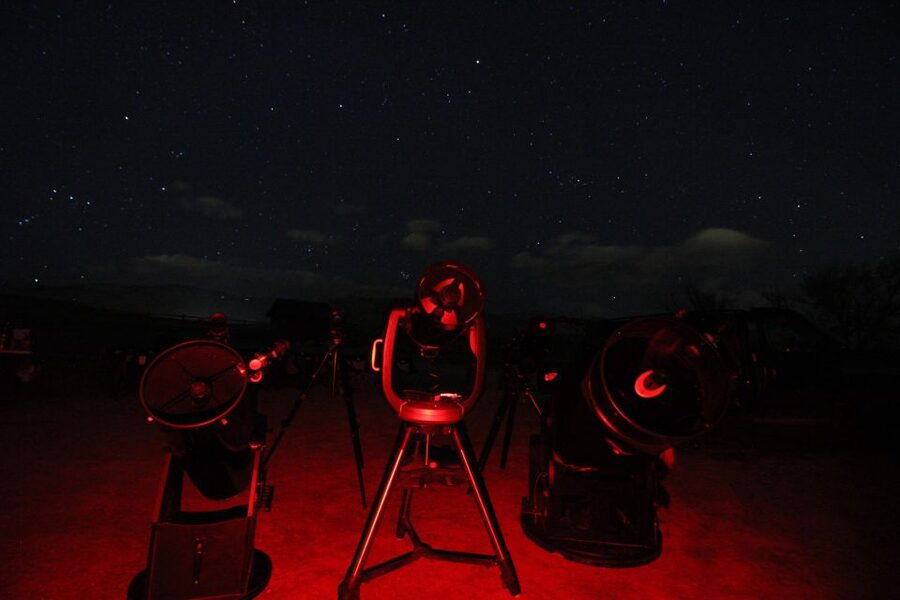
The star viewing focus is hands-on and varied. You can expect a mix of planets, constellations, and star-navigation highlights, plus targets like satellites when conditions line up. The tour also aims for nebula, clusters, and galaxies, so you are not stuck only with the bright, familiar stuff.
Here is the practical truth: what looks best changes from night to night. That is why the tour is structured as a guided tour of categories, not a guarantee of one specific object. On a good clear night, you may also catch shooting stars if you are lucky.
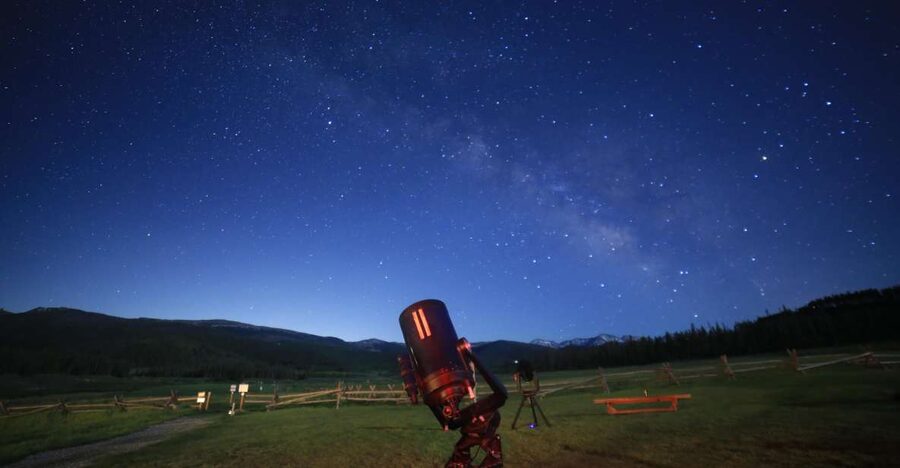
The telescope experience is the payoff. You get a close look through high-powered instruments, and the guide helps you understand what you are seeing as you watch it. That is the difference between seeing a point of light and recognizing it as something with shape, color, or structure.
One smart tip: spend a little time first with your naked-eye view while the guide uses the laser. Then go to the telescope with a mental map. You will usually feel the difference immediately, like suddenly your brain has labels for what your eyes are collecting.
Learning Beyond Starlight: Models, Meteorites, and Real Science
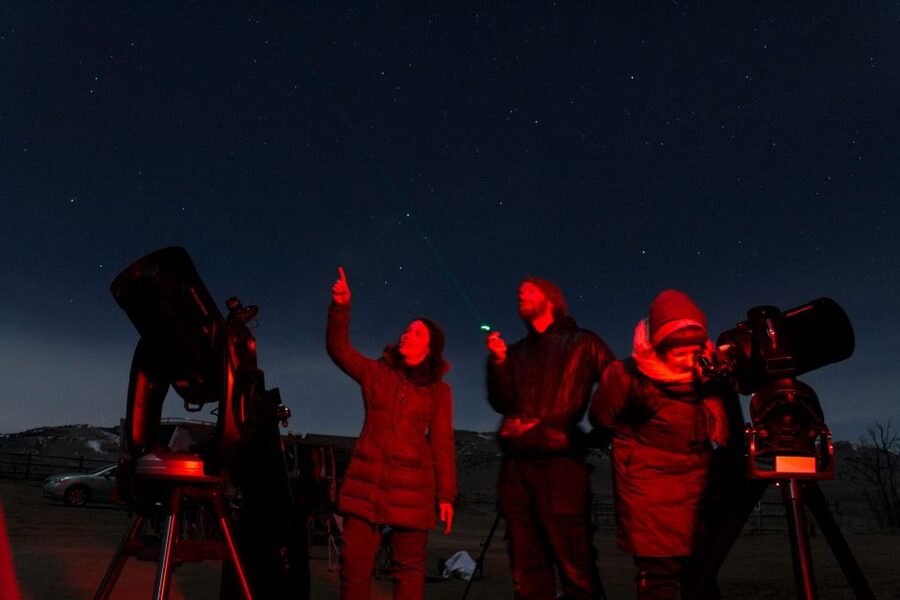
This tour does not treat astronomy like a one-note show. You get educational demonstration equipment that makes the science stick in a concrete way.
Two of the most memorable learning tools are a solar system model and actual meteorites. The model gives you a way to connect the sky targets to distances and orbits, while the meteorites add the fun, grounded reality that space rocks land here on Earth. Even if you know the basics, it helps to see the physical examples while the sky talk is happening.
The guide also uses these moments to answer the questions people naturally come with. If you ask about how star navigation works, why satellites appear where they do, or what you are seeing in a nebula or galaxy, the tour is built for that back-and-forth.
This is also where an all-ages format can work well—because the learning is flexible. Younger observers often connect through the visual wow factor, while older ones tend to latch onto the how-and-why details.
Comfort Kit That Makes Cold Nights Easier
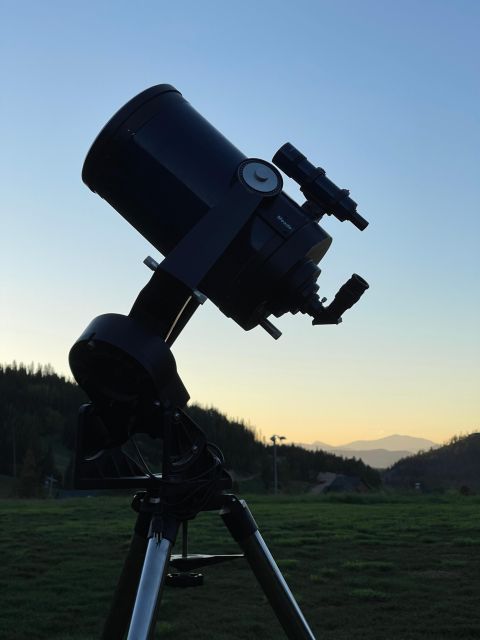
You do not just get telescopes and hope. The tour provides a comfort setup designed for staying out for about two hours after sunset.
You will get red lights for walking around and viewing without ruining night vision. You will also have comfy camp seating for the observing phase, which is huge. Standing the whole time sounds simple until you realize how quickly you lose interest when your legs freeze.
Bug protection is also provided, which is a quiet quality-of-life upgrade in Boulder-area evenings. You can also get bottled water upon request, plus complimentary snacks to keep your energy steady while you wait for the best viewing moments.
Warmth is handled in two layers. The tour provides blankets and scarves, and hand warmers are available upon request. Still, you should plan to bring your own thermal clothing and warm layers, because it can get cold once the sun is gone.
There are also small-accessibility details that matter: a step stool helps with telescope eyepieces, and a cane is available for stability while you wait your turn to look. That means fewer people end up stuck watching rather than observing.
Getting Your Bearings: Timing, Sunset Start, and Weather Reality
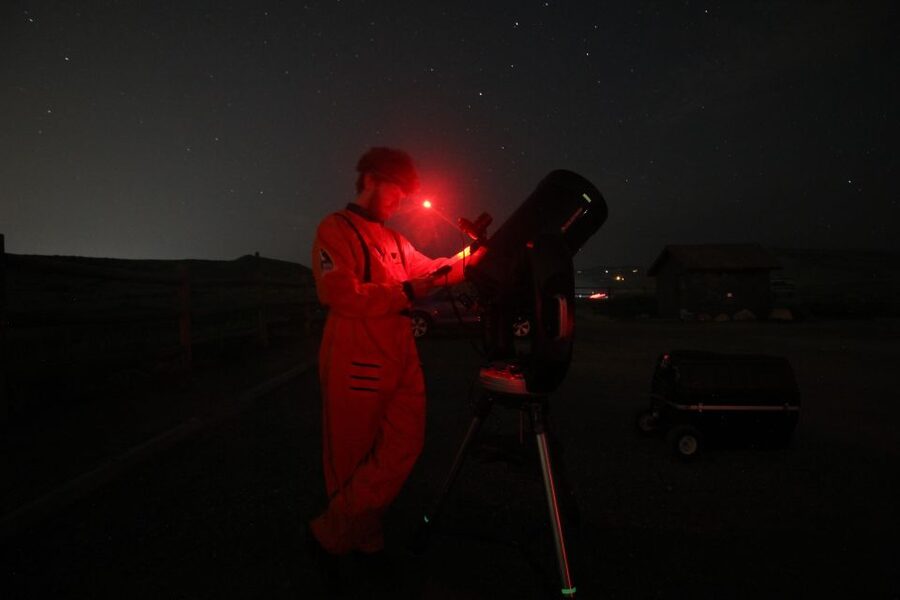
The tour starts at sunset and runs for 2 hours. That timing is intentional. It gives you an in-between window where the sky is darkening, the guide can orient you, and then the telescopes can take over once conditions improve.
Because it is weather-dependent, you should think of the plan as a clear-sky night activity. The tour is subject to cancellation if it is too cloudy to see stars. That does not mean it is unreliable; it means they are honest about what matters most for astronomy.
If you are booking as part of a Boulder itinerary, I recommend building this kind of experience into your plan like you would a mountain weather day. Have flexibility and keep the rest of your evening adaptable.
One more practical note: even on a great night, the sky can look different from start to finish. The guide’s laser pointer and the telescope targets are used to keep you moving through the sky in a sensible order so you get value even if your favorite target ends up competing with clouds for a moment.
Price and Value: Is $45 Worth It?
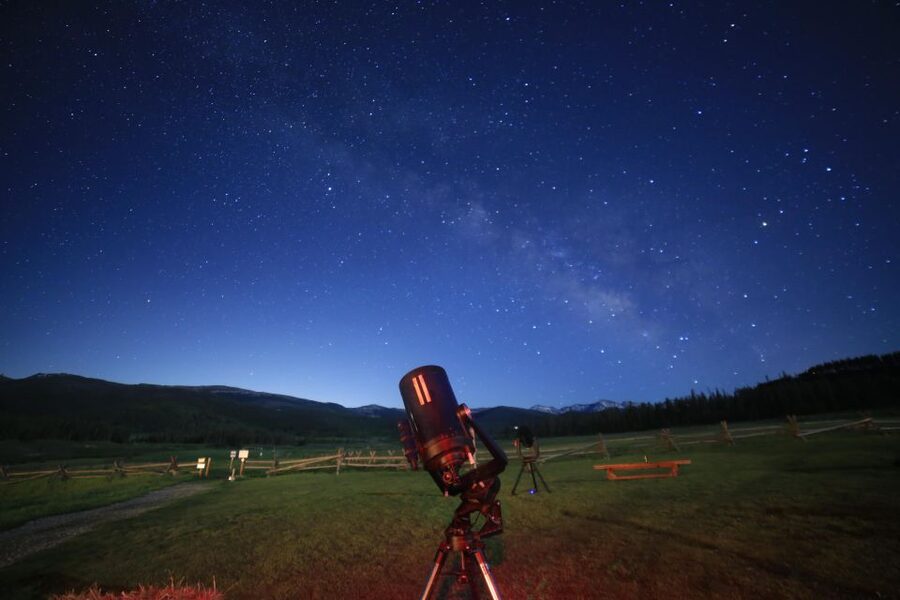
At $45 per person for a 2-hour, pro-led, telescope-based night sky experience, the value mostly comes from what you would otherwise struggle to assemble yourself.
Think about the real costs of doing this on your own. You would need a clear-sky night, access to a quality setup, and the know-how to find objects in a way that makes sense for your eyes. Here, you pay for the equipment, the interpretation, and the steady guidance.
The small group format helps keep the service personal. With only up to 7 participants, you are not watching a demo from the back row. You get hands-on observing time, and the guide can adjust explanations based on what people are actually asking.
You also get take-home extras that make it feel like more than a one-time viewing. There are astronomy-themed postcards and stickers, plus business cards with a quick reference guide so you can refresh what you learned later.
So yes, it is not free. But for Boulder, it is a solid value if you want real telescope viewing and a guided lesson you can actually use next time you look up.
Who Should Book This Boulder Guided Astronomy Tour?
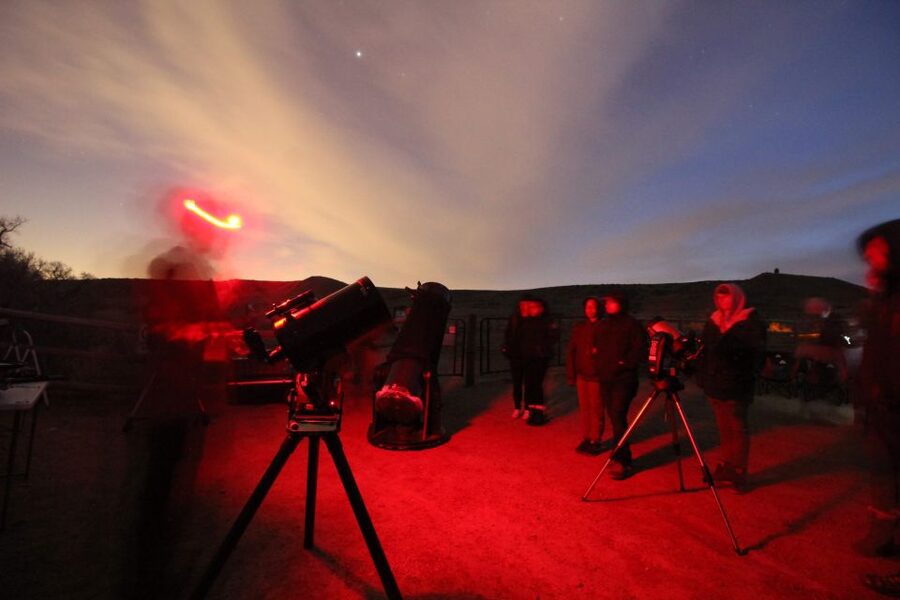
This is an all-ages tour in the best sense: it is approachable, visually strong, and guided by someone who can explain concepts in plain language. Wheelchair accessible features and support items like a step stool and cane mean more people can participate comfortably.
You should strongly consider booking if you:
- want to see planets, nebula, clusters, and galaxies through big telescopes
- prefer a guided laser-and-explainer approach over a solo stargazing attempt
- like Q&A and want someone to help you learn the sky quickly
The two groups to think about first:
- People who stay warm easily will have a smoother time, because you are outside at night and it can cool down fast.
- Parents with very young kids should know the late program can be a challenge. The tour is usually geared toward developed attention for older kids, and babies under 1 are not suitable.
If you are visiting Boulder and want a night plan that feels genuinely local (not just another indoor activity), this is one of the better uses of an evening. It turns Colorado darkness into an asset instead of a hassle.
Should You Book This Tour?
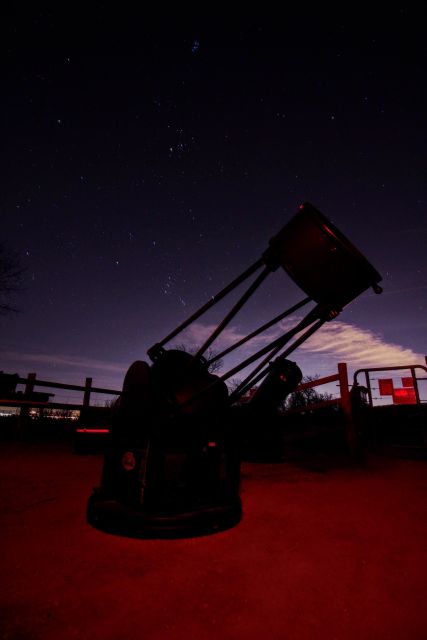
Book it if you want a guided night sky experience that actually shows you things, not just points vaguely at the stars. The combination of professional astronomer guidance, laser-based navigation, and high-powered telescopes is the heart of the value.
Before you go, pack like you mean it: bring thermal layers and plan for cold after sunset. Bring curiosity too. This tour works best when you ask questions and let the guide steer you through what to look for.
And remember the one big decision factor: clear skies. If the weather is cooperative, this is a straightforward, low-stress way to see real deep-sky wonders from just outside Boulder.
If you want to learn the sky fast and see it up close, this is the kind of night you will talk about later, because you can still picture what the telescope revealed.
FAQ
How much does the Boulder guided astronomy tour cost?
It costs $45 per person.
How long is the tour?
The tour lasts 2 hours.
Where do we meet for the tour?
You meet at the Boulder Valley Ranch Trailhead parking lot. The setup is in the southeast corner of the parking lot, opposite the pit toilet.
Do I need to hike to see the telescopes?
No. The tour happens at an easy-to-find trailhead, and there’s no hiking required.
What should I bring for the tour?
Wear thermal clothing and warm layers. Even with provided comfort items, nights can get cold after sunset.
What equipment and guidance are provided?
You get high-powered telescopes, a professional astronomer guide, and a laser pointer for star navigation. You’ll also be provided with red lights, plus learning equipment like a solar system model and actual meteorites.
Is the tour wheelchair accessible?
Yes. The tour is wheelchair accessible and includes accessibility aids such as a cane for stability and a step stool to help with telescope eyepieces.
What happens if the sky is cloudy?
The tour can be canceled if it is too cloudy to see stars. You can also cancel up to 24 hours in advance for a full refund.