REVIEW · TENERIFE
Tenerife: Teide National Park Sunset Picnic and Stargazing
Book on GetYourGuide →Operated by Easytours2.0 · Bookable on GetYourGuide
The sky over Teide is the main character here. This Tenerife tour blends lava-landscape sightseeing with a sunset picnic above the clouds and then rolls right into guided stargazing. It’s a strong choice if you want big scenery without juggling rental cars or timing buses.
I especially like that you get a small group (up to 8) and proper guide time at multiple viewpoints, so the stops don’t feel rushed. And the stargazing part is built on real conditions: Teide National Park is considered one of the top three places in the world for stargazing, alongside Mauna Kea and the Atacama Desert.
One drawback to keep in mind: it gets cold and windy, and night sky views depend on weather and cloud cover. If you hate chilly evenings, this may not be your best match unless you pack layers.
In This Review
- Key highlights you’ll care about
- Teide National Park at 2,100 meters: why this sunset picnic feels different
- Roque García and the lava rock start that sets the tone
- The lunar trail feeling: Paseo Lunar and planned photo time
- Mirador de Samara: the sunset picnic spread and that sea-of-cloud view
- Stargazing near Mount Teide: what the night-sky intro is really for
- Guides and group vibe: small group means more real attention
- Price and value: why $74 can make sense for Teide at this time of day
- What to pack (and what not to ignore) for a Teide evening
- Who this tour suits best, and who should reconsider
- Should you book the Teide sunset picnic and stargazing tour?
- FAQ
- Where is the meeting point?
- What time does the tour start and end?
- How long does the experience take?
- How big is the group?
- What languages are offered?
- What does the picnic include?
- What should I bring?
- Is there stargazing guidance?
- What happens if weather is poor?
- What’s included in the price?
Key highlights you’ll care about
- Sunset picnic at Mirador de Samara with a menu of cheese, tortilla, hummus, ham, and baguette
- Teide National Park at altitude (around 2,100 meters), which helps the air stay crisp for night skies
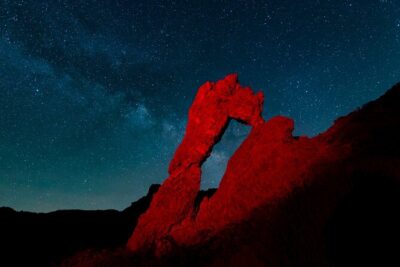
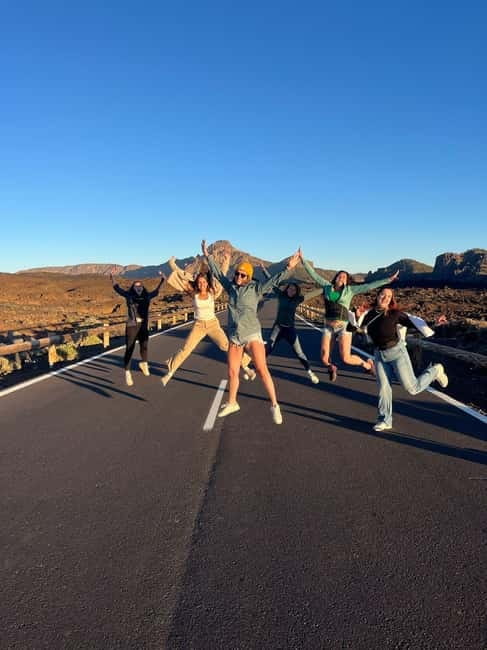
- Roque García + Paseo Lunar for dramatic lava formations and moonlike walking trails
- Time for photos at each stop so you’re not sprinting between viewpoints
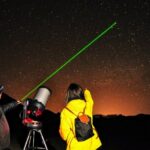
- Guided night sky intro with constellations and planets, plus a chance to spot the Milky Way when conditions allow
Teide National Park at 2,100 meters: why this sunset picnic feels different
Teide National Park is not just scenic. It’s weird—in the best way. You’re in volcanic terrain that looks closer to a lunar postcard than the Canary Islands, and you’re doing it with the day’s light still working for you. The plan starts around mid-afternoon and finishes by early evening, so you catch the park in daylight and then again under stars.
That altitude matters more than you might think. At roughly 2,100 meters above sea level, the air tends to be clearer and you’re closer to the sky you came for. Add the fact that the sunset picnic is planned above the clouds, and you get that layered “sea of cloud” effect that makes Tenerife feel cinematic.
The picnic also isn’t an afterthought. It’s set up as a real moment: sit down, eat, and watch the light shift while the landscape stays sharp and dramatic. It’s the kind of pacing that makes the stars feel earned instead of rushed.
You can also read our reviews of more tours and experiences in Tenerife.
Roque García and the lava rock start that sets the tone
The adventure kicks off with hotel-area pickup from Los Cristianos (with options depending on what you choose), then a van ride toward Teide’s volcanic zone. The first real stop is Roque García, famous for impressive lava rock formations. This is where you start seeing the park’s story in rock, not in brochures.
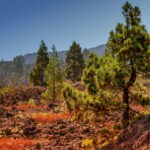
This part works well because it’s visual right away. You don’t need to know geology to feel what you’re seeing. The jagged textures and dark volcanic shapes give you natural contrast, so photos look dramatic even without editing.
You also get a guided portion inside the park (split across two park segments). Those guides tend to point out what you’d likely miss if you wandered alone: the patterns in the terrain, what each viewpoint is showing, and how the volcanic shapes shaped the landscape you’re walking through.
One practical thing: you’ll be dealing with uneven ground and cold air at altitude. Comfortable shoes are a must, and that jacket you keep postponing is suddenly non-negotiable.
The lunar trail feeling: Paseo Lunar and planned photo time
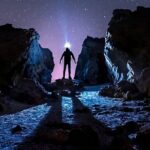
Next comes Paseo Lunar, an otherworldly, moonlike trail. The name is earned. You’re surrounded by volcanic textures that don’t look like anything you’d expect to find in Spain—more like you landed somewhere else and didn’t get the memo.
What I like here is the balance between structure and freedom. You’re guided, but you’re also given time to look, walk at a comfortable pace, and stop for pictures. The tour info notes time at every stop for those once-in-a-lifetime shots, and that matters for Teide because the light changes quickly.
The scenery also rewards patience. Move slowly and scan the ground and the horizon. The “wow” moments often pop up at the edges—thin ridgelines, rock layers, and the way the terrain curves toward viewpoints above the clouds.
If you’re the type who loves photos, this tour is set up for you. You won’t have to film your own schedule in your head.
Mirador de Samara: the sunset picnic spread and that sea-of-cloud view
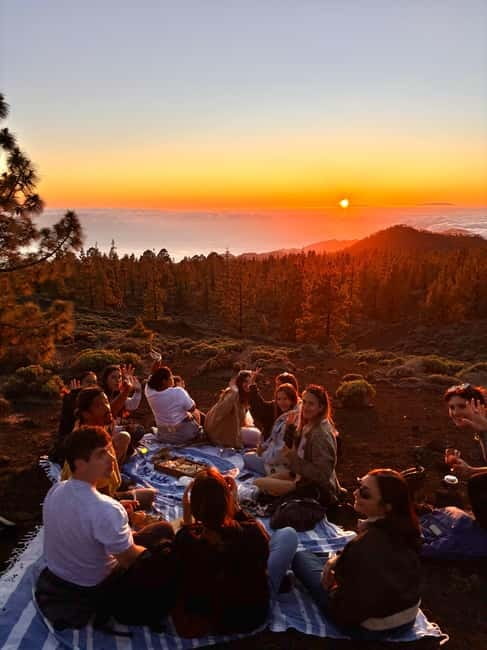
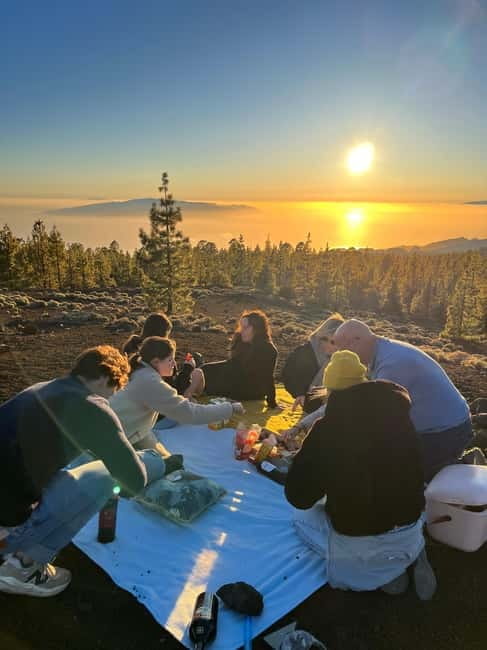
The tour’s emotional peak is the Mirador de Samara stop. This is where you swap volcanic walking for a proper sunset picnic with a menu that’s more substantial than the usual snack box. You’ll have cheese, tortilla, hummus, ham, and baguette, plus snacks and drinks included.
This food choice matters. It’s the kind of balanced set that keeps you satisfied without feeling heavy, and it works well in cool temperatures when appetite can surprise you. If you’re picky with foods, it’s worth knowing there’s a set picnic menu, not a build-your-own style.
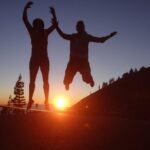
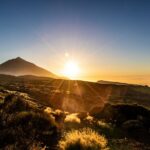
The view is the main event. You’re at a viewpoint above the clouds, so the sunset often looks like it’s happening on another layer of the island. Watching the sky shift from bright to deep orange while the landscape stays sharp is exactly how a good stargazing trip should start.
In guides’ hands, this part also becomes informative without feeling like a lecture. Several guides featured in the experience have a friendly teaching style, and you can feel that during the setup and photo moments.
Stargazing near Mount Teide: what the night-sky intro is really for
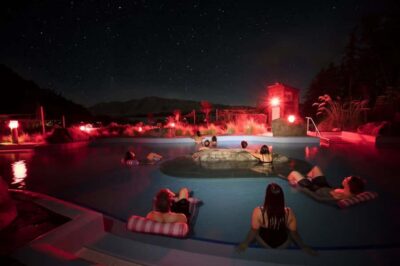
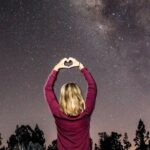
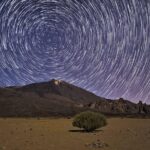
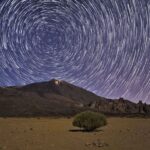
The stargazing component is one of the reasons this tour earns attention. Teide National Park is considered among the world’s top places for stargazing, alongside Mauna Kea and the Atacama Desert. That’s a big claim, but it fits the reality: altitude, darkness, and clear-air conditions often do the heavy lifting.
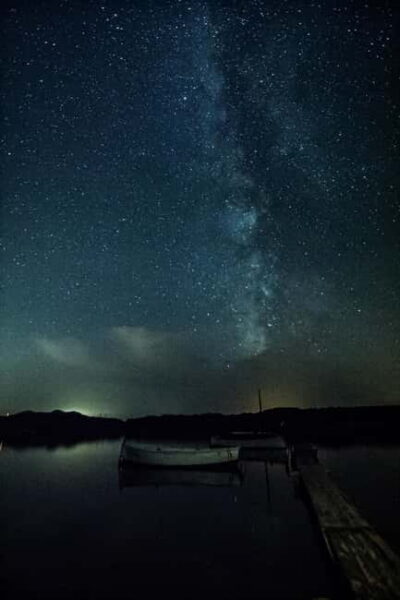
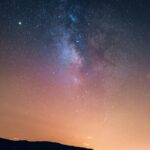
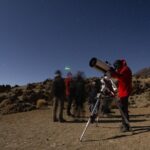
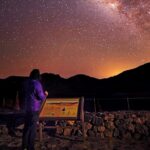
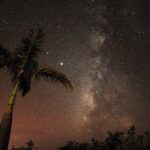
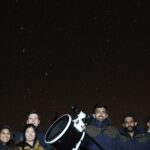
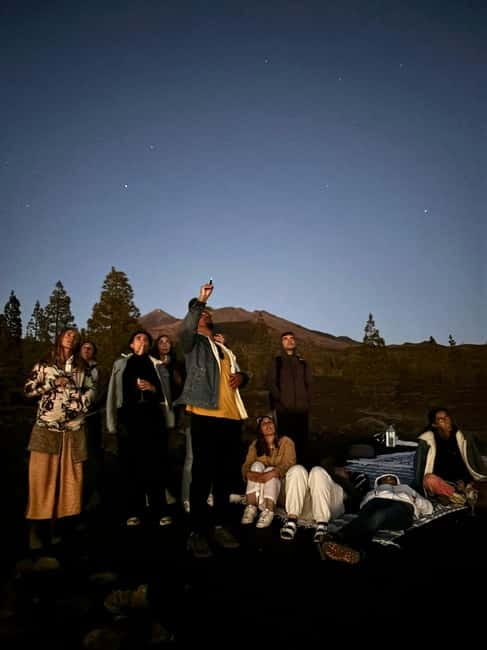
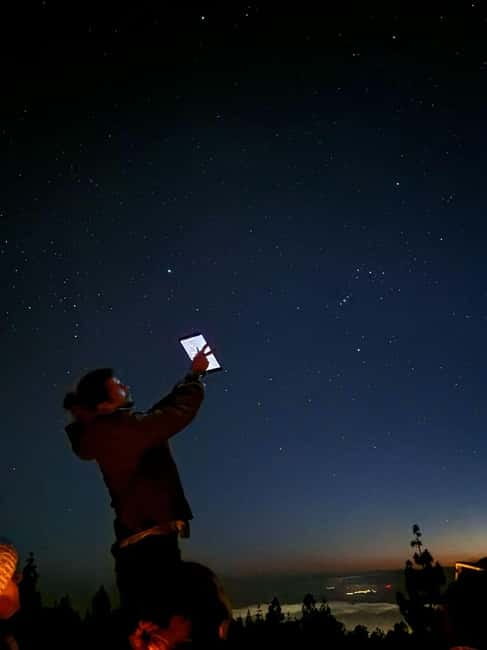
The tour includes an introduction to the night sky, with guidance that helps you look smarter. People often arrive knowing a few bright dots and leave with a working map of constellations and the sense of what you’re actually seeing. Some guides specifically point out constellations, planets, and even mention the Milky Way when conditions allow.
Timing also matters. If you’re waiting for stars, you want the “in-between” moment too: that quick transition when the last sunset glow fades and the first constellations start to pop. This tour builds that into the schedule rather than treating stargazing as a single, short stop.
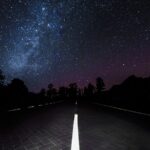
The one variable you can’t control is weather. Clouds can roll in, and on some evenings stargazing may be limited. On the flip side, clear skies can make it feel unreal even when there’s a full moon. The lesson: you’ll still get something from the sky guide as long as there’s enough visibility to point things out.
And yes, you’ll feel the cold. One of the most repeated practical tips is to pack warm layers. It can get very cold and windy, especially in winter. Some evenings include blankets, but you shouldn’t plan on being fine in a light jacket.
Guides and group vibe: small group means more real attention
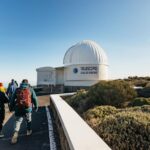
This is a small-group tour limited to 8 participants, and it changes the whole rhythm. When you’re in a larger crowd, you move. When you’re in a small one, you get questions answered and you notice details.
The guides behind this experience are consistently described as friendly and engaging, and you’ll see names like Andrei, Elisa, Stalin, Federico, Tom, Larisa, and DJ Moreno showing up in guide-led experiences. There are also references to Inga handling coordination smoothly with pickup and drop-off communication. Even when plans shift slightly, the team vibe comes through as “handled.”
What you’ll likely appreciate: guides tend to explain things in a way that actually helps you look. That includes planet and constellation orientation during stargazing, not just random facts. When someone points out what to focus on, you don’t waste the dark trying to guess.
Small group also helps with pacing and hearing the guide. You can actually follow along while stopping for photos. For an experience that combines daylight geology and nighttime sky spotting, that clarity matters.
Price and value: why $74 can make sense for Teide at this time of day
At $74 per person for a 3 to 6 hour evening, the price can be a good value if you compare what you’re getting: transportation (pickup and drop-off), guided time in the National Park, and a sunset picnic with snacks and drinks, plus a guided stargazing intro.
The best value here is the combination. If you tried to piece this together yourself, you’d likely spend time and energy on transport and timing. This tour handles the day-to-night flow: park viewpoints in daylight, then Mirador de Samara for sunset, then stargazing in the dark.
Is it the cheapest way to see Teide? Probably not. But it’s one of the less stressful ways to hit multiple viewpoints in one go, especially if you’re staying in areas like Los Cristianos, Puerto de la Cruz, or Playa de las Américas. The included pickup and end drop-offs at those zones also help you avoid last-minute scrambling.
If you’re a photo person, the “time for shots at every stop” is part of the value. A cheaper option that rushes you won’t help you get the images you came for.
What to pack (and what not to ignore) for a Teide evening
This is a practical one because the success of stargazing is strongly tied to comfort. The tour info lists comfortable shoes, warm clothing, and a jacket, and the experiences consistently underline that it gets chilly and windy.
My advice:
- Wear layers you can add or remove quickly.
- Bring a warm hat and gloves if you run cold easily.
- Use grippy shoes, since volcanic terrain can be uneven.
If you want to look at stars longer, comfort becomes more than convenience. If you’re shivering, you’ll stop paying attention to what the guide is pointing out. And that’s the whole point of the guided night sky intro.
Also, keep your camera settings handy. The scenery during sunset shifts fast, and the contrast between dark volcanic rocks and a bright sky can be fun to shoot if you’re ready.
Who this tour suits best, and who should reconsider
This tour is a strong fit for people who want a Teide National Park day-to-night experience without handling logistics. If you love viewpoints, enjoy a calm guided rhythm, and want your sunset and stargazing in one package, you’ll probably be happy.
It’s also a good match if you like being taught just enough to make the sky make sense. The stargazing isn’t only “look up and hope.” You get an intro that helps you spot constellations and planets and understand what you’re seeing.
Who might reconsider:
- If you strongly dislike cold or windy evenings, the stargazing time may feel miserable without serious layering.
- If you hate being on a set schedule with set stops, note that this runs with guided timing at multiple locations.
Should you book the Teide sunset picnic and stargazing tour?
If your Tenerife plan includes Teide and you want the classic combo—volcanic landscapes by day, sunset picnic above the clouds, then guided stars—this is an easy yes. The small group size, guided park time, and the focus on night-sky viewing make it feel designed, not accidental.
If you’re sensitive to cold or you’re counting on specific star visibility, book with the expectation that weather can affect the night sky. Still, even on tougher evenings, the guide-led approach means you won’t feel like you paid just for darkness.
In short: book it if you want one memorable evening that ties Teide’s geology to its sky.
FAQ
Where is the meeting point?
The meeting point is Pistacho Coffee Brunch. You show your booking there to receive a 10% discount, and you should be ready at 3:00pm to enjoy the brunch before pickup.
What time does the tour start and end?
Pickup is at 15:00, and the drop-off is at 20:30.
How long does the experience take?
It lasts 3 to 6 hours, depending on the selected option and schedule.
How big is the group?
The tour is a small group, limited to 8 participants.
What languages are offered?
The live tour guide speaks English and Spanish.
What does the picnic include?
The sunset picnic at Mirador de Samara includes cheese, tortilla, hummus, ham, and baguette, plus snacks and drinks.
What should I bring?
Bring comfortable shoes, warm clothing, and a jacket. It can get cold and windy during the evening.
Is there stargazing guidance?
Yes. You’ll enjoy a peaceful moment under the stars with an introduction to the night sky, including guidance on what to look for.
What happens if weather is poor?
The experience includes stargazing and sunset viewing, and weather can affect it. There has been at least one case where the tour was cancelled due to poor weather and arranged for a following day.
What’s included in the price?
The price includes pickup and drop-off, a guided tour in Teide National Park, and the picnic with snacks and drinks.