REVIEW · TENERIFE
Tenerife. Stargazing at the Teide National Park
Book on GetYourGuide →Operated by Astroguide Tenerife · Bookable on GetYourGuide
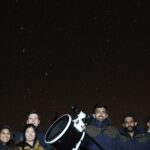
Teide turns the stars into neighbors. In this small-group stargazing session, you get a high-end telescope and a Starlight-accredited guide who ties together myths, science, and what you’re seeing overhead. It’s the kind of calm, slow-paced astronomy night that makes the sky feel personal instead of like homework.
I also like that the guide keeps it practical: you’ll learn how the celestial sphere moves and how to spot key stars and constellations. One catch to plan for: there’s no transfer included, so you’ll need your own way to reach the meeting spot at Ermita de las Nieves.
In This Review
- Key Highlights You’ll Feel Immediately
- Teide National Park: Why This Sky View Actually Works
- Meeting at Ermita de las Nieves: Timing Starts 40 Minutes After Sunset
- What Happens in the 2 Hours: A Full Stargazing Session
- 1) Welcome, sky orientation, and learning the map
- 2) Telescope and astronomical binoculars for real viewing
- 3) The relaxed pace: observation without the feeling of a timetable
- The Guide Matters: Starlight Accreditation and Roberto’s Storytelling Style
- Price and Value: Is $40 Worth It for Teide Stargazing?
- What you’re paying for (the parts that usually cost more)
- What you’re not paying for
- What to Bring (and What to Expect on a Cold Teide Night)
- Who This Tour Suits Best (And Who Might Find It Less Useful)
- The Final Decision: Should You Book This Teide Stargazing?
- FAQ
- FAQ
- Where does the stargazing tour meet?
- When does the tour start?
- How long is the tour?
- What is included in the tour price?
- Are food and drinks included?
- Is transfer included?
- What languages are available?
- Is the tour suitable for wheelchairs?
- Is it okay for very young children?
- When is it best to dress for the tour?
Key Highlights You’ll Feel Immediately
- High-end telescope time, not just a quick look: you spend the session using advanced equipment.
- Starlight-accredited guidance: history, science, and mythology explained in a clear, story-driven way.
- Small group = real questions: you can ask stuff and get answers without feeling rushed.
- Constellations and the sky’s movements: you learn how to orient yourself in the dark.
- Free photos of the experience: you leave with images that capture the night.
- Unhurried pacing: calm observing is the whole point, not a checklist.
Teide National Park: Why This Sky View Actually Works
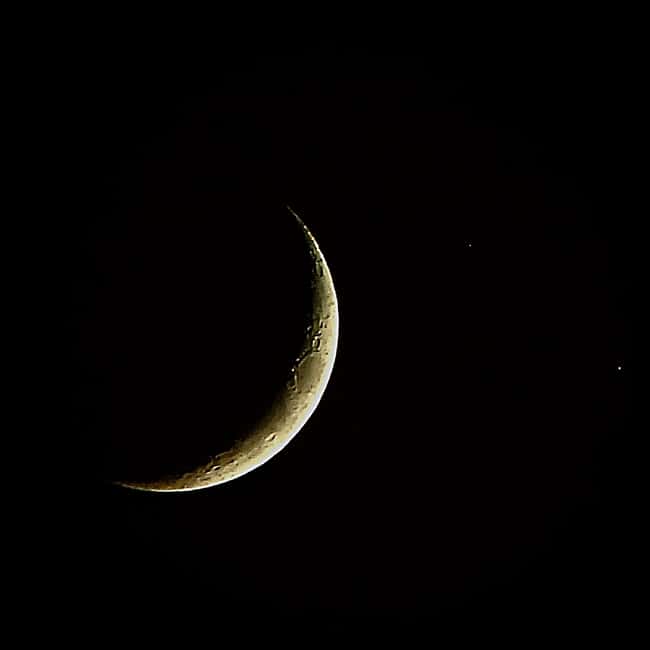
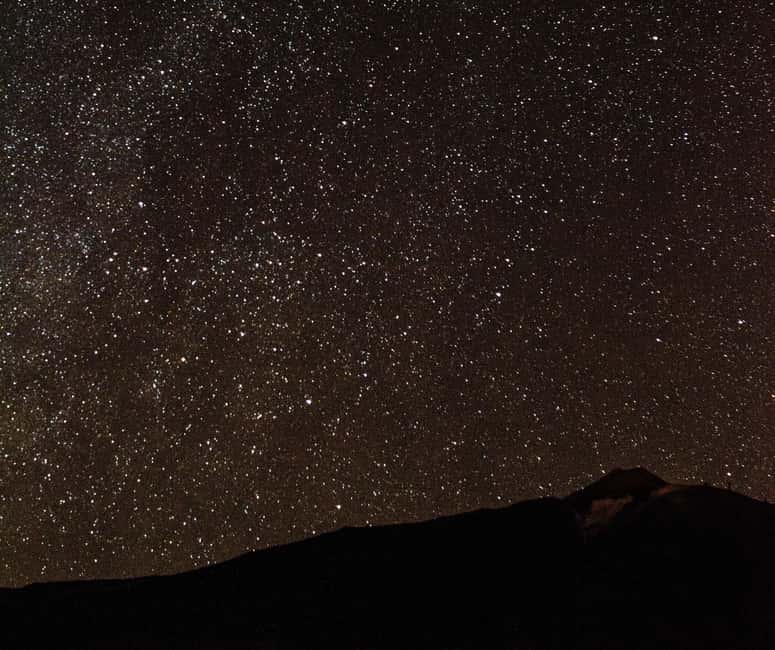
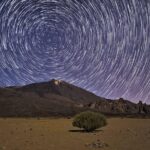
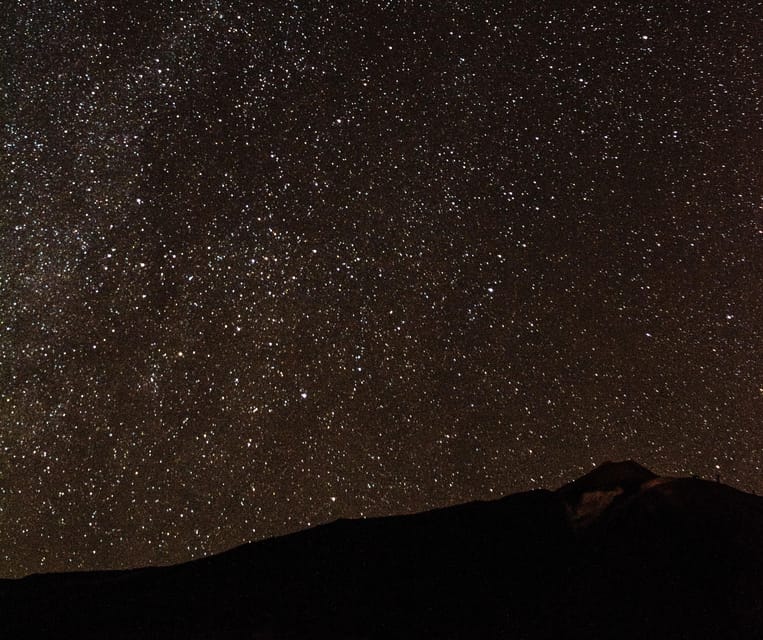
Teide National Park is famous for stargazing for one simple reason: the conditions support really sharp views of the night sky. You’re going to notice that right away in the way the guide runs the evening—this tour is built around patient observation, so the darkness is part of the experience, not an obstacle.
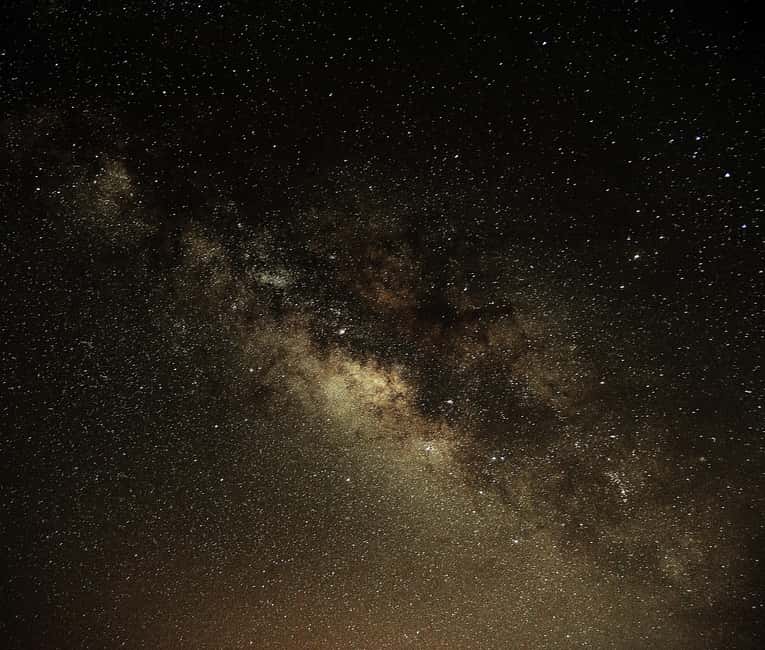
I like that this isn’t just about pointing a telescope and hoping you get lucky. The guide also walks you through what the sky is doing: you’ll learn how the sky changes with time, and how to locate constellations and the most important stars. That turns the night from a moment into a skill. Even if you’re brand-new to astronomy, you’ll end the session knowing what to look for next time.
And because Teide is on Tenerife, you’re in a part of Spain where people actually plan their nights around clear skies and big-atmosphere views. If the weather cooperates, you’re setting yourself up for an experience that feels cinematic, but with real explanation attached.
You can also read our reviews of more tours and experiences in Tenerife.
Meeting at Ermita de las Nieves: Timing Starts 40 Minutes After Sunset
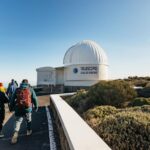
The meeting point is at the Ermita de las Nieves inside Teide National Park. The key detail is timing: the activity begins 40 minutes after sunset. That matters because stargazing is all about transition time—just after sunset, the sky still has leftover light. By the time the tour starts, it’s dark enough to take full advantage of the telescope and binoculars.
You’ll want to arrive early-ish so you can get oriented before the group starts. If you’re driving, you’ll appreciate that the location is easy to find and there’s parking available, which helps if you’re coming in a rental car. Since transfer isn’t included, having a workable plan for reaching the meeting area is your job.
Also, bring weather-appropriate clothing. The tour is outdoors and the stargazing window is at night, so it can get cold fast. Based on what people report, extra warmth is not overkill.
What Happens in the 2 Hours: A Full Stargazing Session
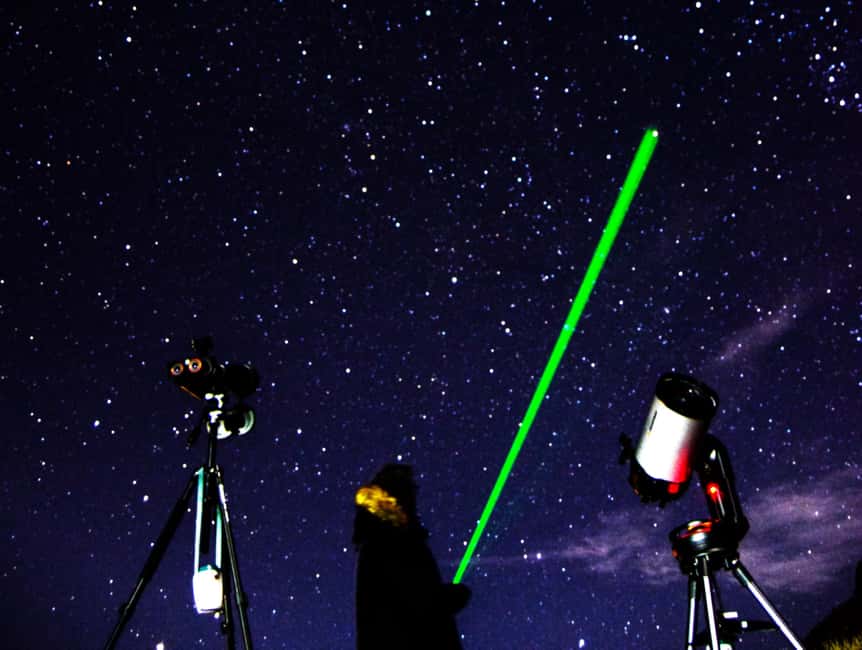
This is a true stargazing session, designed to be complete, not rushed. The structure is built around giving you time to (1) learn what you’re seeing and (2) actually see it through equipment.
1) Welcome, sky orientation, and learning the map
You don’t just jump into the telescope. The guide first helps you understand the firmament: the history, science, and mythology behind the sky. That means constellations and major stars aren’t presented like random dots. You’ll get context for why different cultures talked about the same lights in different ways.
Then you get practical astronomy: how the celestial sphere moves, how to locate constellations, and how to distinguish important stars. This is the part that makes the rest of the night click. Once you know what you’re looking at, the telescope becomes more than a device—it becomes a way to confirm your mental picture.
2) Telescope and astronomical binoculars for real viewing
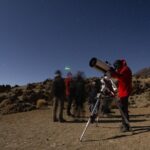
Next comes the equipment time. You’ll use:
- a telescope (the main event)
- astronomical binoculars for wider-field viewing
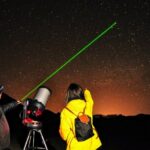
- explanations supported with laser technology, which helps the guide point things out clearly in the dark
In plain terms: binoculars help you “find,” and the telescope helps you “zoom in.” That combo is great for first-timers because you’re not stuck staring at one narrow view. You can also compare what you think you’re seeing with what the sky actually shows.
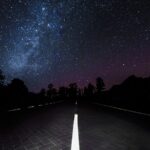
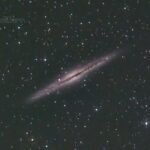
People have reported spotting planets and even galaxies through the telescope when conditions line up. Shooting stars also happen sometimes, and it’s exactly the kind of moment you’ll appreciate more because you’ve just learned what’s where.
3) The relaxed pace: observation without the feeling of a timetable
The tour is explicitly unhurried. That translates to fewer rushed transitions and more time at each stop of the night. You’ll get enough time to observe, ask questions, and refocus as the sky changes.
That pacing is one of the most valued parts of this experience. Astronomy isn’t like visiting a museum exhibit where you can speed-run comprehension. The sky moves. Your eyes adjust. The atmosphere changes. This tour leaves space for all of that.
The Guide Matters: Starlight Accreditation and Roberto’s Storytelling Style
This experience is led by a Starlight-accredited tour guide, which tells you the explanations aren’t random. They’re built to help you understand the sky in a structured way—history and mythology on one side, science on the other.
In practice, the guide’s style is what makes the learning stick. Multiple people highlight Roberto specifically for being professional, passionate, kind, and great at answering questions. He doesn’t just explain; he tells it in a way that feels like you’re part of the conversation.
That’s important because stargazing can go one of two ways:
- You end up seeing cool things but not really knowing what they are.
- Or you leave with both the sight and the context.
This tour aims for the second, and the Starlight approach supports that goal. Expect to talk about the history of constellations and the science behind them, plus how to understand what moves across the sky during the session.
Also, the vibe is small and personal. When the group is limited, you get better question time and less waiting for your turn.
Price and Value: Is $40 Worth It for Teide Stargazing?
At around $40 per person, this is one of those experiences that can feel either like a bargain or like a splurge depending on what’s included. Here’s the value math that matters:
What you’re paying for (the parts that usually cost more)
- High-end telescope access (equipment like this is usually not cheap)
- astronomical binoculars
- laser-supported explanations
- free photos taken during the experience
- a Starlight-accredited guide
- a small group format, which improves your actual time with the equipment
What you’re not paying for
- food and drink
- transfer to the meeting point
- anything outside the photo and equipment package
For many people, the biggest value comes from the guide + equipment combo. Without that, stargazing can turn into a cold standing-in-place exercise. With it, you learn how to spot things and you get equipment that actually shows more than you can see with the naked eye.
So yes, I think it’s good value—especially if you’re coming to Tenerife mainly for nature and memorable nights, and you can handle making your own way to the meeting spot.
What to Bring (and What to Expect on a Cold Teide Night)
This tour is outdoor at night, so your comfort affects your enjoyment. The only explicit requirement is weather-appropriate clothing, but I’d treat it like this is a real night on a mountain.
Based on what people report, the cold can be serious. Some guests mention that the guide provides helpful extras like water, chocolates, and even additional warm layers such as fleece jumpers or jackets. Even with that, you should still come prepared.
A practical packing list:
- warm layers you can keep on even while looking through equipment
- something to protect hands and keep you comfortable
- a dark-sky-friendly mindset: slower is better
- an open question list for the guide
And plan for the basics: food and drink are not included. If you’re hungry, eat before you go. If you want water, bring some if you think it’ll help you personally, though guests have reported water provided during the session.
Who This Tour Suits Best (And Who Might Find It Less Useful)
This is a strong fit if you:
- want a guided introduction to the night sky, not just a passive viewing
- like small-group experiences where you can ask questions
- appreciate calm, patient activities
- want a memorable Tenerife night tied to a world-class stargazing location
It’s also great for older kids and teens because it’s structured and interactive. People have mentioned taking teenagers and finding the format comfortable and not meal-centered.
You might consider another option if you:
- need a package that includes transport from your hotel, because transfer isn’t included
- expect a long meal stop as part of the experience, because food and drink aren’t part of this tour
Also, it’s listed as not suitable for babies under 1 year, and it is wheelchair accessible—so it’s designed with different mobility needs in mind.
The Final Decision: Should You Book This Teide Stargazing?
I’d book it if your goal is a real astronomy night at Teide: a small group, a Starlight-accredited guide, and real time at high-end equipment. The value is strongest when you want both the visuals and the understanding—constellations, stars, the sky’s movements, plus science and mythology in one calm session.
Before you click confirm, do two quick checks:
- Can you get to the meeting point at Ermita de las Nieves on your own? Transfer isn’t included.
- Are you ready for cold-weather stargazing? Dress for night on a mountain.
If those boxes are checked, this is the kind of Tenerife experience that sticks with you—because you’re not just looking up. You’re learning how to look up.
FAQ
FAQ
Where does the stargazing tour meet?
You meet at the Ermita de las Nieves in Teide National Park.
When does the tour start?
The activity starts 40 minutes after sunset.
How long is the tour?
The duration is 2 hours.
What is included in the tour price?
The tour includes a telescope, astronomical binoculars, and explanations with laser technology, plus free photographs.
Are food and drinks included?
No. Food and drink are not included.
Is transfer included?
No. Transfer is not included.
What languages are available?
The live tour guide is available in English and Spanish.
Is the tour suitable for wheelchairs?
Yes, the tour is wheelchair accessible.
Is it okay for very young children?
It is not suitable for babies under 1 year.
When is it best to dress for the tour?
Bring weather-appropriate clothing, since it’s an outdoor night session.