REVIEW · EASTER ISLAND
Easter Island: Rapa Nui Stargazing Tour
Book on GetYourGuide →Operated by GREEN ISLAND TOURS LIMITADA · Bookable on GetYourGuide
Night sky. Real island stories.
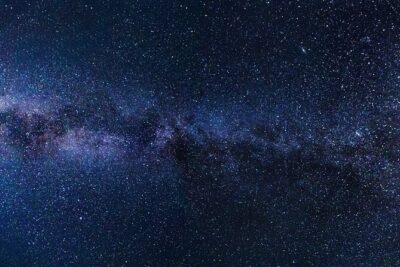
This Easter Island Rapa Nui Stargazing Tour turns the dark hours into a lesson on how Polynesian voyagers read the heavens. You’ll learn the basics of astronomy and Rapa Nui archeo-astronomy, then you’ll use a telescope at a remote observation site to see what you were just studying. It’s hands-on, Southern Hemisphere focused, and built for people who want more than a quick look at stars.
I especially love the blend of navigation history and practical sky-watching, so constellations and planets don’t feel random. Second, you also get a telescope-based viewing experience plus night access to Ahu Nau Nau, with a coffee break and a digital photo to make the night feel complete. The small group size (up to 12) keeps it personal.
One thing to watch: the experience depends on good weather, and the ground at night can be uneven at observation spots. If you’re bringing anyone with mobility issues, this tour isn’t suitable for wheelchair users, and you’ll want sturdy shoes.
In This Review
- Key things that make this stargazing tour worth it
- Katipare Library start: meeting time matters on Rapa Nui
- The 3-hour flow: how the tour builds from sky stories to telescope viewing
- Telescope viewing at a remote observation site: what to expect
- Polynesian navigation lessons: why the story makes the stars click
- Ahu Nau Nau at night: the photo moment you actually plan for
- Coffee break and included treats: small comforts matter at night
- Price and value: what $140 buys you on Rapa Nui
- Logistics you should plan for: tickets, timing, and full-moon limits
- Who should book this (and who might not love it)
- Should you book this Easter Island stargazing tour?
- FAQ
- What time do I meet for the tour?
- Where is the meeting point?
- How long is the tour?
- How much does it cost?
- Is hotel pickup included?
- Is the National Park ticket included?
- What language is the guide?
- Do I need good weather for this tour?
- Is the tour available during full moon?
- Is there a limit on group size?
- Is it wheelchair accessible?
Key things that make this stargazing tour worth it
- Polynesian voyaging + astronomy basics so you understand what you’re looking at, not just where to point your phone
- Telescope time at a remote site for clearer star-and-planet viewing
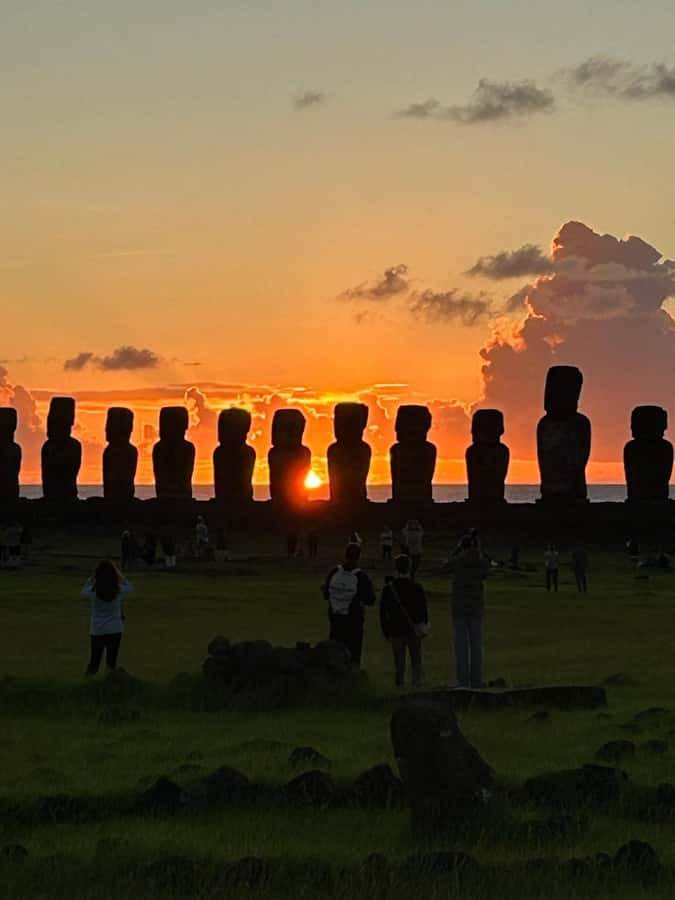
- Night access to Ahu Nau Nau paired with photo opportunities under dark skies
- Coffee break plus hot chocolate and local cake to keep the night comfortable
- Small group (max 12) which helps you ask questions and move at a steady pace
Katipare Library start: meeting time matters on Rapa Nui
You start in front of Katipare Library (Centro Lector Katipare) in Hanga Roa. There’s no hotel pick-up, so plan to get there on your own, then you’ll join the group and head out. If you’re staying in town, it’s still worth leaving extra time. Night on a remote island can make even short walks feel longer.
Meeting time shifts by season. In summer, you’ll meet at 21:00. In winter, it’s 19:00. That matters because stargazing success depends on being set up before the sky gets truly good. Arrive early enough to settle in, use the restroom if needed, and get ready to stand around outdoors.
You’ll travel with a driver/guide and get live commentary. The tour guide runs in English and Spanish, so you can follow along without playing catch-up.
You can also read our reviews of more tours and experiences in Easter Island.
The 3-hour flow: how the tour builds from sky stories to telescope viewing
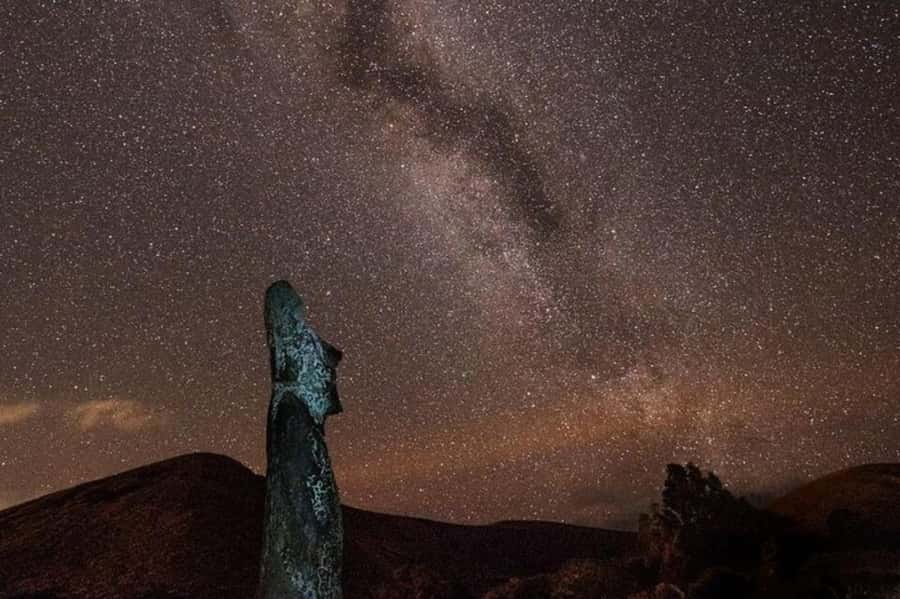
This is a tight, 3-hour evening, so the pace is intentional. It’s not a long nighttime campout. Instead, the evening is structured so you get context first, then visual payoff.
It typically runs like this:
- You meet at Katipare Library and get oriented.
- You head out to traditional observatory locations where you’ll gaze at stars and constellations visible from the Southern Hemisphere.
- You learn navigation techniques and astronomy basics before you look through the telescope.
- You get a coffee break (with hot chocolate and local cake included).
- You’ll have access to Ahu Nau Nau at night, with time for photos and a digital photo captured as part of the experience.
What I like about this setup is that it reduces the usual stargazing letdown. If you arrive and only stare, the sky can feel like a blur. Here, you’re given ideas to latch onto, so you know why you’re seeing what you’re seeing.
Telescope viewing at a remote observation site: what to expect
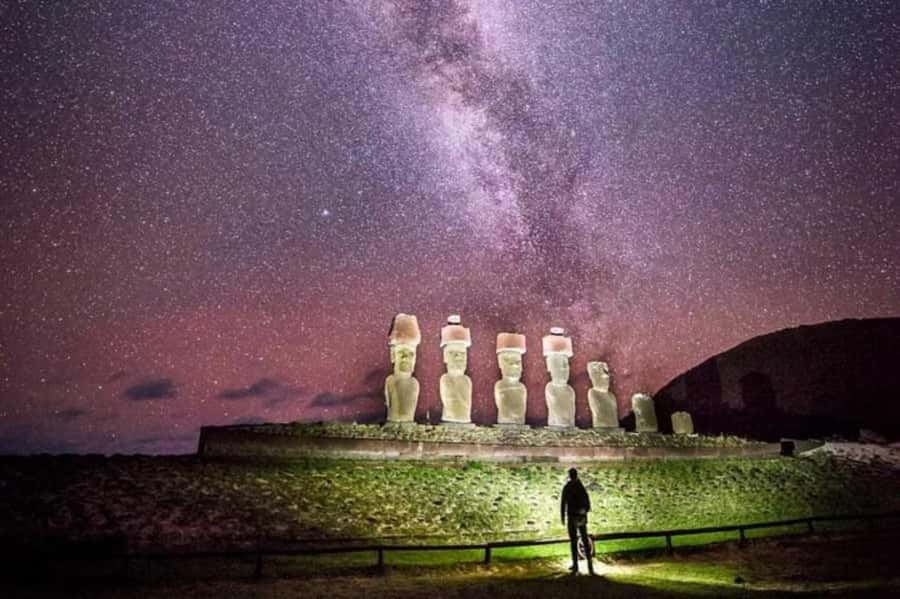
The telescope is the main performance. You’re not just counting a few bright dots and hoping. The goal is to show stars and planets more clearly from one of the island’s darker, remote-feeling observation zones.
A key detail: you’ll be at an observation site where the night sky is the star of the show. That’s why weather matters so much. If the sky is hazy, telescope time won’t feel as sharp or satisfying.
You’ll also have the chance to take your own photos. The tour includes a digital photo, and they leave room for you to shoot additional pictures yourself, including star photos using your own setup (tripods have been possible for phone photography in at least one experience). If you care about getting clean star shots, bring a plan for how you’ll hold your phone steady and avoid jostling.
One practical tip: the night is dark, and some spots can be uneven. Wear shoes you trust. Even if you’re only walking a few steps between viewpoints, you don’t want to be thinking about balance instead of looking up.
Polynesian navigation lessons: why the story makes the stars click
This isn’t a lecture-only tour. The value is that the astronomy lesson connects directly to Rapa Nui and the wider Polynesian voyaging tradition.
You’ll learn principles of basic astronomy and how voyagers used the night sky to guide journeys. That matters because constellations and celestial movements stop being random when you understand what you’re tracking. You also cover navigational techniques and the archeo-astronomy of Rapa Nui, which is a fancy way of saying the island’s people had deep ways of reading the sky.
And because you’re on Easter Island, you’re seeing a Southern Hemisphere sky, which changes the feeling completely compared to what many people are used to at home. If you’ve only ever looked for the big, familiar patterns from the Northern Hemisphere, this tour helps you re-map the sky.
It’s also why the 3-hour length works. You don’t get lost in theory. You get enough background to enjoy the observing, then you go straight into telescope viewing and nighttime observation.
Ahu Nau Nau at night: the photo moment you actually plan for
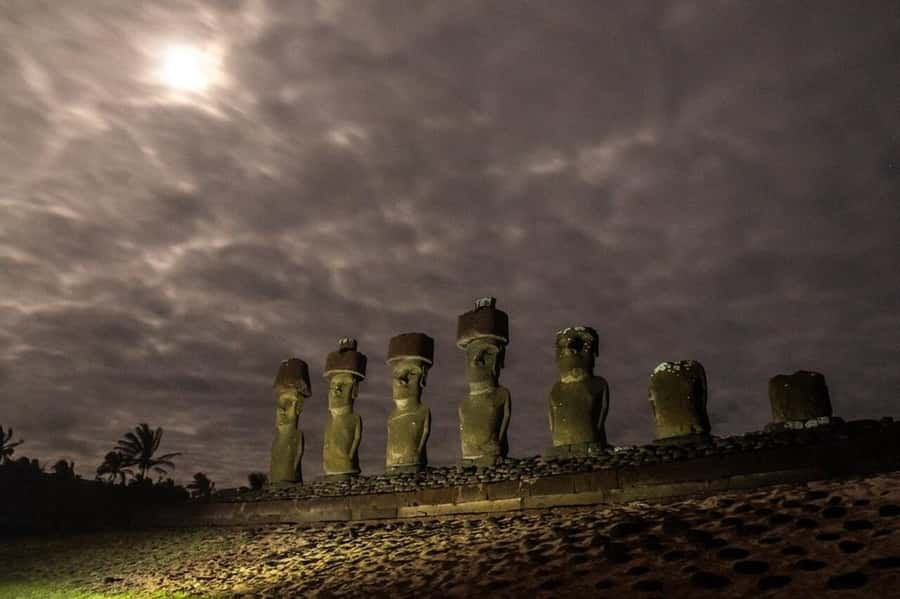
One of the most memorable parts is the access to Ahu Nau Nau at night. A lot of Rapa Nui experiences happen in daylight, when the moai and platforms are all about the details you can see in the sun. Here, the moai become part of the night scene—framed by sky, shadows, and starlight.
You’ll also get the kind of photo time that feels purposeful. The tour includes a digital photo, and you can take your own shots too. That combination helps because not everyone travels with the confidence or gear for long-exposure night photography.
If you’re hoping for great photos, come ready to slow down. This is not the type of tour where you rush through the stops. The idea is to stand, look, and capture your moment without constantly moving.
Coffee break and included treats: small comforts matter at night
Stargazing tours can be cold and slow. This one helps with included warmth: hot chocolate and local cake, plus a coffee break.
It’s a small addition, but it changes how the evening feels. You’re outside for a while. A drink and a sweet bite make waiting between telescope turns or viewpoint switches less annoying and more enjoyable.
Also, you’re not stuck guessing what’s available. The tour builds in these comfort breaks so you can focus on the sky rather than your own energy level.
Price and value: what $140 buys you on Rapa Nui
At $140 per person, this isn’t a budget add-on. So you should ask: what does the money buy?
In practical terms, it buys you:
- A guide who explains what you’re looking at, not just where to look
- Telescope time at a remote observation site
- Access to Ahu Nau Nau at night
- A digital photo and the ability to take your own photos
- A small-group experience (max 12)
- A heated-up break with hot chocolate and local cake
If your dream is a quick walk outside and a few casual star checks, you may feel like this costs too much. There’s an on-the-ground reality here: the telescope viewing is the big centerpiece, and the night’s structure is designed around that. If you expected a longer, stop-and-stops “more is more” night program, set your expectations for a concentrated experience.
On the other hand, if you want star knowledge tied to Rapa Nui navigation and you care about actually seeing stars and planets clearly, $140 starts to make sense fast. It’s paying for quality time, guidance, and the tools to see what the naked eye sometimes can’t.
Logistics you should plan for: tickets, timing, and full-moon limits
A couple of practical rules can affect your evening.
First: you need a National Park ticket for entry. The tour itself doesn’t include that admission.
Second: the tour is not available close to the full moon, specifically 4 days before and 2 days after. That’s smart. Bright moonlight washes out faint stars and reduces telescope impact. If your travel dates land around that window, you’ll need to adjust.
Third: weather is the decider. If conditions are poor, the tour will be canceled and you’ll be offered a different date or a full refund. That’s good protection, even if it’s annoying when you’ve planned around an evening out.
Finally: there’s hotel drop-off, but again no pick-up. The meeting point is fixed at Katipare Library, so your night logistics should start there.
Who should book this (and who might not love it)
This tour is a strong match for:
- People who want stargazing with real context, especially Polynesian navigation and Southern Hemisphere sky viewing
- Travelers who like small groups and live commentary
- Anyone who wants night photos with moai included, plus an included digital photo
It may feel less ideal for:
- People who expected a packed evening with many different activities
- Anyone sensitive to standing around outdoors at night
- Wheelchair users, since the tour isn’t suitable for that
One more thing: the ground at observation sites can be uneven, so choose footwear carefully. If you’re traveling with older folks, consider bringing a headlamp style light or asking the guide what the walking is like that night.
Should you book this Easter Island stargazing tour?
If you’re torn, here’s the simple decision rule I’d use: book it if you want guided, telescope-based stargazing with Polynesian navigation stories and night access to Ahu Nau Nau. This is built for people who value understanding what they’re seeing and getting a few standout photo moments.
Don’t book if your priority is a free-form, casual night walk with lots of extra stops and little structure. This tour is focused. The payoff is the sky, the telescope, and the night moai setting—not a long list of unrelated activities.
If you can match the timing (meeting time in your season) and the sky cooperates, you’ll likely come away with a clearer mental map of the Southern Hemisphere and a night you’ll remember long after you leave Rapa Nui.
FAQ
What time do I meet for the tour?
You meet in front of Katipare Library. The meeting time changes by season: 21:00 in summer and 19:00 in winter.
Where is the meeting point?
The meeting point is Katipare, Hanga Roa, Easter Island, Valparaíso, Chile, in front of Katipare Library (Centro Lector Katipare).
How long is the tour?
The tour lasts about 3 hours.
How much does it cost?
The price is $140 per person.
Is hotel pickup included?
No. There is no hotel pick-up. You meet in front of Katipare Library, and the tour includes hotel drop-off.
Is the National Park ticket included?
No. You need your National Park ticket for entry.
What language is the guide?
The live tour guide provides commentary in English and Spanish.
Do I need good weather for this tour?
Yes. This experience requires good weather. If it’s canceled due to poor weather, you’ll be offered a different date or a full refund.
Is the tour available during full moon?
No. It is not available close to the full moon, from 4 days before through 2 days after.
Is there a limit on group size?
Yes. The tour has a maximum of 12 travelers.
Is it wheelchair accessible?
No, it is not suitable for wheelchair users.