REVIEW · KABIRA BAY
Private Stargazing Photography Tour In Kabira Bay
Book on GetYourGuide →Operated by Ishigaki private tour Betanagi · Bookable on GetYourGuide
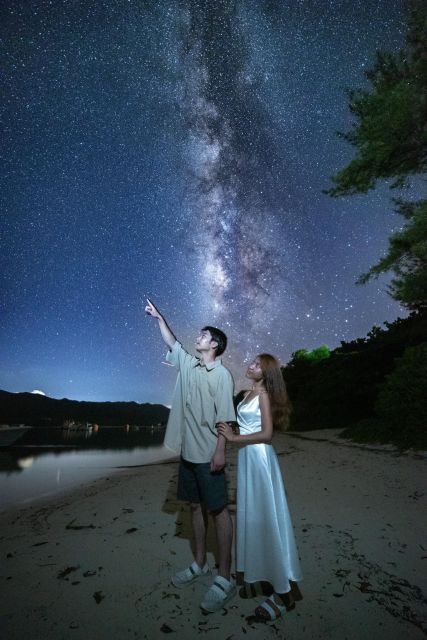
Kabira Bay turns night skies into your camera roll. The difference here is where you go—far from Ishigaki’s brighter center—so the stars actually look like stars. I also love that the guide is a Starry Sky Sommelier with English explanations you can follow while you shoot.
One thing to keep in mind: this is a photo-focused experience, not a long, sit-and-listen stargazing lecture. If you want hours of deep constellation storytelling only, you might want to mentally shift your expectations before you book.
In This Review
- Key Things You’ll Notice on This Tour
- Why Kabira Bay Makes Stargazing Easier Than City Centers
- Price and Logistics: What You’re Really Paying For
- Getting From Ishigaki to the Darker Sky (Without Losing Your Night)
- Kabira Bay: The One-Hour Photo and Star Session
- Meet the Starry Sky Sommelier (and Why English Matters)
- Photography Results: Crisp Shots With Real Positioning Help
- Weather Reality: When Clouds Show Up, the Plan Still Moves
- Who This Tour Suits Best
- Accessibility and Comfort Considerations
- Should You Book This Kabira Bay Private Stargazing Photo Tour?
- FAQ
- How long is the Private Stargazing Photography Tour in Kabira Bay?
- Where do you get picked up in Okinawa?
- Is transportation included?
- Is this tour private?
- What happens during the time at Kabira Bay?
- What is a Starry Sky Sommelier®?
- Is the tour wheelchair accessible, and is the guide English-speaking?
- What if the sky is cloudy?
Key Things You’ll Notice on This Tour
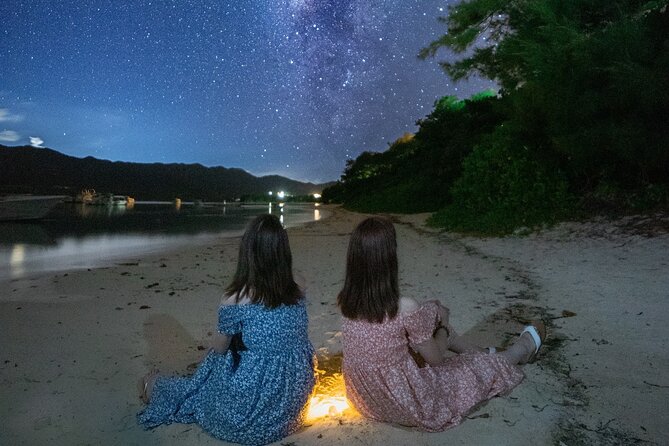
- Kabira Bay at night: a darker-sky spot about 30 minutes each way from the city center.
- Private setup: no other guests along for your session.
- Hotel pickup/drop-off included: you spend less time organizing, more time looking up.
- English constellations while shooting: guided by a certified Starry Sky Sommelier.
- Weather-aware flexibility: the schedule can shift when skies don’t cooperate.
- One hour at the main viewing/photo stop: enough time to get good framing and crisp shots.
Why Kabira Bay Makes Stargazing Easier Than City Centers
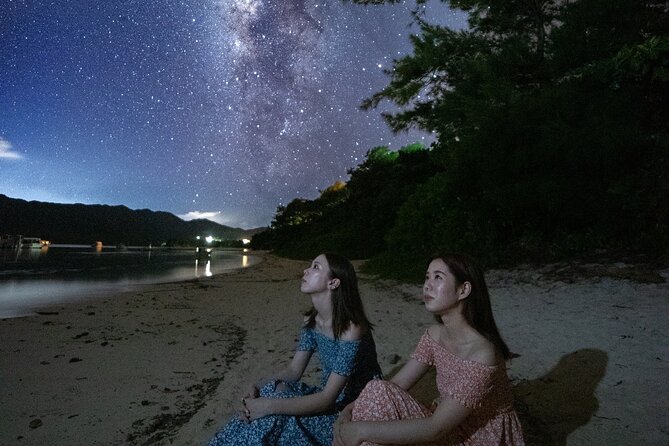
If you’ve ever tried to photograph stars near a town center, you already know the problem: bright lights wash out the sky. This tour solves that the practical way. You’re headed to Kabira Bay, the island’s famous sightseeing area, and it’s far enough from the central areas to cut down on light pollution.
That matters because stargazing isn’t just about curiosity—it’s about contrast. When the sky is darker, you can see more stars, and your photos have a better chance of turning out sharp instead of gray-and-blurry. The tour’s timing is short (90 minutes total), but the payoff comes from picking the right sky.
And yes, Kabira Bay is a known name for a reason. You’re not driving to some random hill. You’re going to a scenic, established spot where the environment helps you get clean horizons and good angles for sky shots.
Price and Logistics: What You’re Really Paying For
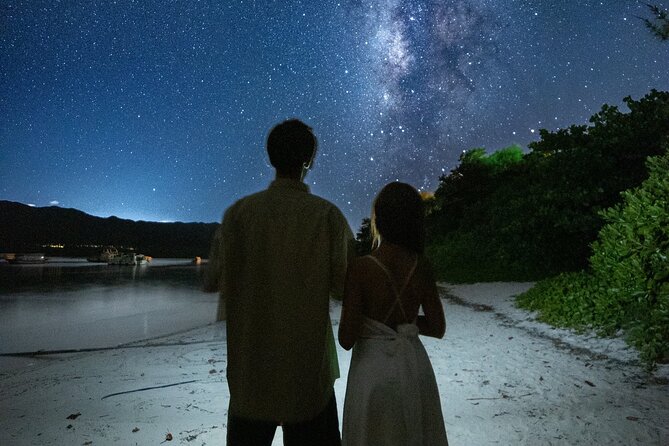
At $83 per person for 90 minutes, you’re paying for three big things: a private guide, transportation, and hands-on shooting help under real nighttime conditions.
Here’s the value math that makes sense for most people:
- You don’t have to figure out transport or timing on your own.
- You get a guide who can explain the sky in English while you’re actively photographing.
- You’re not sharing the experience with other groups, which keeps the pace comfortable and lets you ask questions without feeling rushed.
The tour also runs with a minimum of 2 participants, which is normal for a private experience. If you’re traveling solo, you’ll want to check availability based on that.
One small practical tip: plan to be in the lobby about 5 minutes before pickup. That’s not glamorous, but it keeps the whole night running smoothly.
Getting From Ishigaki to the Darker Sky (Without Losing Your Night)
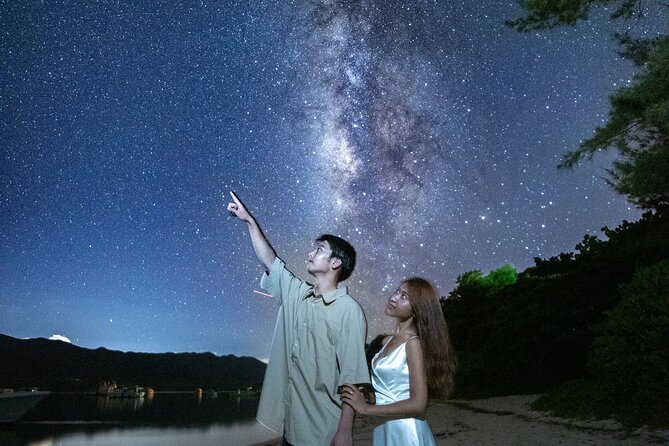
Your tour starts with pickup in Ishigaki. From there, you head to Kabira Bay—about 30 minutes one way from the central area.
This is one of the smartest parts of the setup. In Okinawa, it’s common to piece together rides, schedules, and locations. Here, the tour includes hotel pickup and drop-off, so you’re not wasting your best stargazing hours on logistics.
It also helps that the tour is described as completely private, meaning you’re not waiting behind a parade of other people. For stargazing photography, timing is everything. The sky won’t pause while someone in another group is still arguing about where to stand.
Kabira Bay: The One-Hour Photo and Star Session
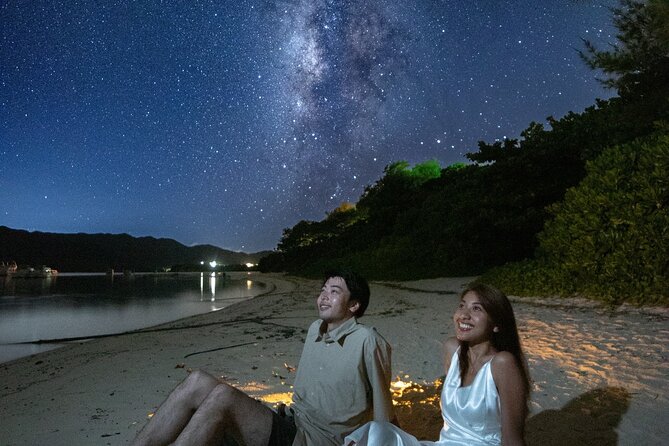
Once you arrive, the itinerary focuses on one main stop: Kabira Bay. You get about 1 hour there, and it’s built around three activities:
- A photo stop (you get the place and angles)
- Guided tour (you’re not just left to guess)
- Shooting range time (time to take pictures with direction)
This format is great for first-timers. Even if you’ve used a camera at night before, stars can be tricky because you’re fighting for exposure, focus, and composition all at once. Having guidance while you’re doing it keeps you from wasting the most important minutes trying to figure out settings or positioning.
One reviewer-style takeaway that matches what this tour is built for: you’ll spend most of your time shooting. In other words, you’ll be looking up, framing, adjusting, and taking shots—with the guide assisting you as you go. If you like action and hands-on help, you’ll probably love this. If you want a slower pace purely for viewing, you might find it feels more efficient than leisurely.
Meet the Starry Sky Sommelier (and Why English Matters)
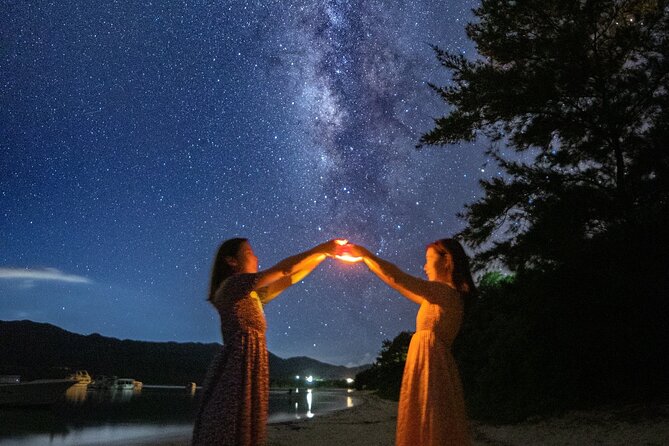
The standout credential here is that the photographer has a Starry Sky Sommelier® certification. It’s described as a star guide title registered by Yamagata University, modeled after how a wine sommelier recommends wines based on experience and knowledge.
That might sound fancy, but what you actually feel is the difference between:
- pointing at the sky and saying good luck, vs.
- explaining what you’re seeing in a way you can follow while you’re shooting.
The tour is in English, and the guide is set up to explain constellations and help you enjoy the sky through the lens—literally. Review notes also mention good preparation and staying in contact ahead of time, including practical tips like the color of clothing that works well for shooting.
That kind of small planning matters. If you’re photographing at night, what you wear shows up in the photo lighting and can affect how clearly you appear against the stars. You’ll get guidance tailored to conditions rather than random advice.
One more real-world detail: even when clouds moved in, the guide’s background and flexibility helped keep the experience moving. That’s the difference between a tour that depends on perfect skies and one that knows how to adapt.
Photography Results: Crisp Shots With Real Positioning Help
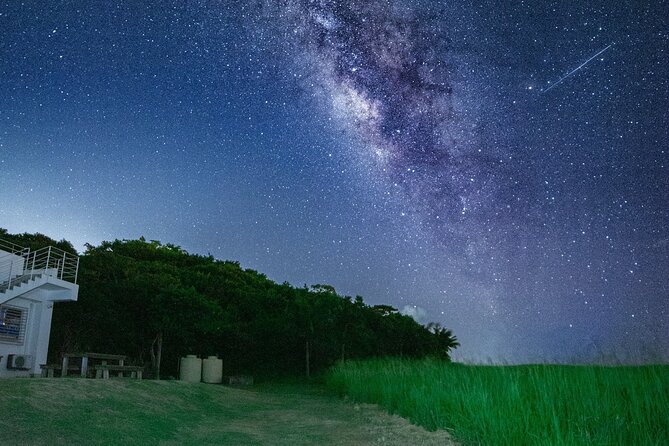
The best stargazing tours don’t just talk. They help you take better photos. This one leans hard into that.
From the feedback you have here, the common thread is that the guide helps with:
- positioning (where you stand and how you aim)
- shooting guidance (so your images come out crisp)
- constellation context while you photograph (so the sky is more than just pretty dots)
People specifically call out that the photos turned out very nice and that the guide spoke very good English. Others mention weather changes but still got amazing shots after adjustments.
A practical note based on how the experience is described: this is not only about learning constellations as a main event. One comment even points out that it’s mostly about the photoshoot, with less time spent on constellation stories than someone might expect if they’re looking for a deep “lecture” style.
So if you’re the type who wants star names and mythology for hours, you might still enjoy it—but you should go in expecting a photo-first evening with constellation explanations mixed in.
Weather Reality: When Clouds Show Up, the Plan Still Moves
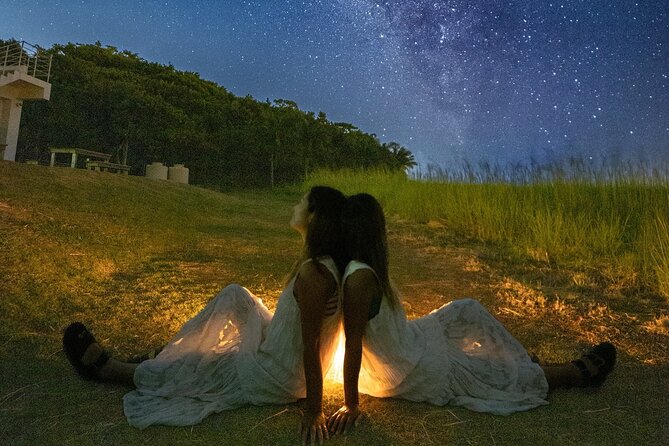
Night skies are unpredictable. That’s especially true in places where humidity and weather shifts can roll in fast.
The good news is that this tour is described as flexible. In practice, that means:
- you might meet later if the skies aren’t cooperating yet
- you might reschedule to another evening if the outlook looks poor
Reviews mention cases where evenings were cloudy but the guide worked around it, including meeting spontaneously in the evening or finding another day that offered better conditions. Another person noted the guide stayed in contact over multiple days watching for changes.
That adaptability is worth something. Stargazing is the kind of thing that can go from magical to frustrating quickly if the plan is rigid. Here, the tour aims to keep your odds higher.
Who This Tour Suits Best
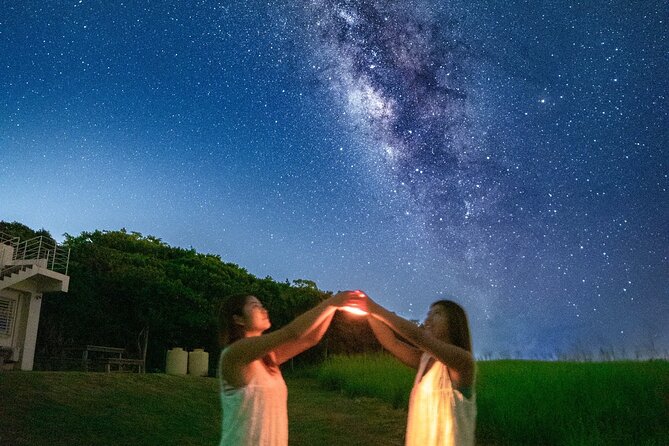
This is a strong fit if you:
- want to photograph stars and you prefer hands-on guidance
- want a darker-sky location like Kabira Bay instead of guessing in the city
- value an experience that’s truly private, not a shared group scramble
- need English explanations while you’re actively shooting
It’s also a good match for couples, small groups, and anyone who wants a structured session without dragging gear around Okinawa alone.
If you’re traveling with someone who doesn’t care about photography but still wants to see stars, this can still work—especially because the guide explains what you’re looking at. But keep in mind the time is concentrated on getting images. It’s not a long stargazing-only evening.
Accessibility and Comfort Considerations
The tour is listed as wheelchair accessible, which is a big deal for night activities where surfaces, walking distance, and setup can become frustrating fast.
That said, since the core experience includes getting into position for shooting and taking photos in a designated area, you’ll likely still want to be prepared for short periods of standing or maneuvering—though the tour does account for wheelchair accessibility in its offering.
Should You Book This Kabira Bay Private Stargazing Photo Tour?
Book it if you want the simplest path to better star photos: Kabira Bay, private transport, English guidance, and a guide focused on getting you real results. At $83 per person, you’re not paying just for sightseeing—you’re paying for someone to manage timing, help with positioning, and explain the sky while you shoot.
Don’t book it (or adjust expectations) if you’re mainly hunting for a long, calm, story-heavy stargazing session. This tour is built around photography time first, with constellation guidance woven in.
One last practical angle: the experience includes reserve now, pay later and free cancellation up to 24 hours in advance, which is helpful because weather can change quickly at night. If you’re flexible, you give yourself a chance to catch better skies.
If you want an evening that feels like a guided photo shoot under a darker sky, this is a smart way to spend your time in Ishigaki.
FAQ
How long is the Private Stargazing Photography Tour in Kabira Bay?
The tour duration is 90 minutes total, with about 1 hour at Kabira Bay for the photo stop, guided tour, and shooting time.
Where do you get picked up in Okinawa?
Pickup and drop-off are from Ishigaki. You should wait in your hotel lobby about 5 minutes before your scheduled pickup time.
Is transportation included?
Yes. Hotel pickup and drop-off are included, and the tour offers private transportation to Kabira Bay.
Is this tour private?
Yes. It’s a private group experience with no other guests.
What happens during the time at Kabira Bay?
You’ll have a photo stop, a guided tour, and a shooting range session, all focused on stargazing photography.
What is a Starry Sky Sommelier®?
It’s a certified starry sky guide title registered by Yamagata University. The concept is similar to a wine sommelier: the guide uses knowledge and experience to teach you how to enjoy the sky and space.
Is the tour wheelchair accessible, and is the guide English-speaking?
The tour is listed as wheelchair accessible, and the instructor provides English guidance.
What if the sky is cloudy?
Based on past experiences, the guide may adjust plans when weather changes. Some schedules shift to another evening, or you may meet at the best time if clouds move through.