REVIEW · LAS VEGAS
Las Vegas: Death Valley Sunset and Stargazing Day Tour
Book on GetYourGuide →Operated by EMOTION TRIP · Bookable on GetYourGuide
Sunset and stars in one long day. This Death Valley tour strings together the park’s biggest sights, then caps it with Zabriskie Point at golden hour and sky watching later at night. I especially like how the schedule gives you photo stops and real breathing room, so you’re not just rushed from one dot on a map to the next.
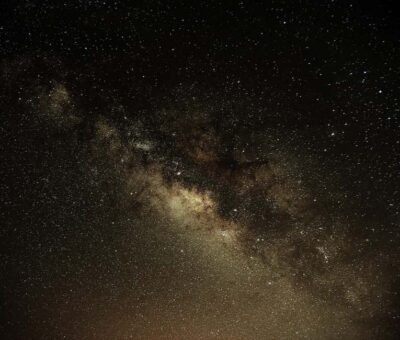
I also love the contrast: lowest points and blistering heat by day, then dark skies and Milky Way-style night photography energy after sunset. The one thing to keep in mind is that it’s a long day in a remote area, and the tour isn’t a good fit if you have mobility limits or any back/health concerns.
In This Review
- Key Highlights You’ll Feel
- A Long Day in Death Valley: What 12 Hours Really Means
- Strip-Only Pickup: How to Set Yourself Up for Success
- Pahrump Start: A Quick Reset Before the Park Gets Serious
- Death Valley National Park Photo Stop and Time to Breathe
- Dante’s View: The Viewpoint That Changes How You See the Park
- Badwater Basin: Lowest Sea Level and Maximum Photo Drama
- Artist’s Palette: Rainbow Mountains Time
- Furnace Creek Break: Where Food Becomes Your Choice
- Zabriskie Point Sunset: The Big Payoff
- Amargosa Valley Stargazing: Dark-Sky Timing After Sunset
- What Makes the Value Work: Three “Death Valley Moods” in One Day
- Price and Practicalities: Is $249 Worth It?
- Who Should Book It (and Who Should Skip)
- Should You Book This Death Valley Sunset and Stargazing Tour?
- FAQ
- What’s the tour length?
- How much does it cost?
- Is food included?
- Do I get hotel pickup and drop-off?
- What time does pickup happen?
- How many people are in the group?
- When does stargazing start?
- Is stargazing affected by the moon?
- Final Note
Key Highlights You’ll Feel
- Zabriskie Point sunset: one of Death Valley’s best viewing areas, with time to linger and take it in
- Badwater Basin salt flats: photo-friendly stops at the lowest sea level point
- Dante’s View viewpoints: wide panoramas that make the whole park click in your head
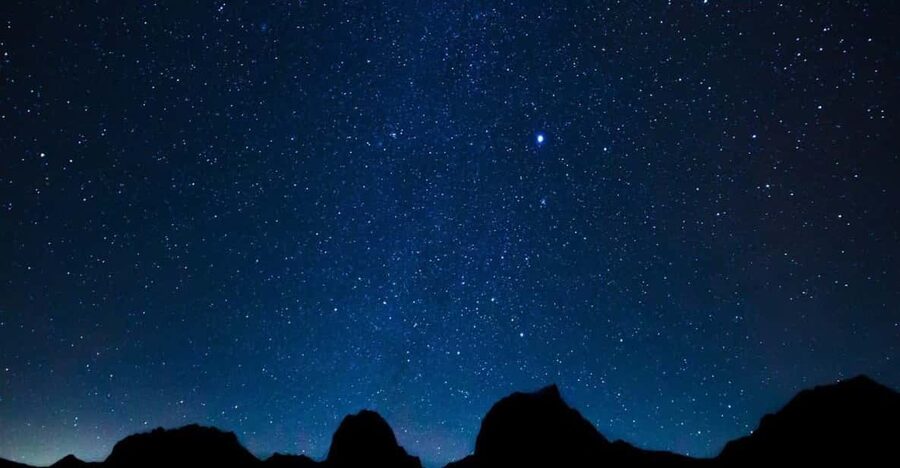
- Amargosa Valley stargazing: timed for darker skies, about 1.5 hours after sunset
- Small group (up to 14): easier pacing and more personal attention from the guide
A Long Day in Death Valley: What 12 Hours Really Means
This is a full-day excursion, and it feels like one. Expect a steady rhythm of driving between points, short breaks, and several planned stops where the guide helps you get the best angle before moving on.
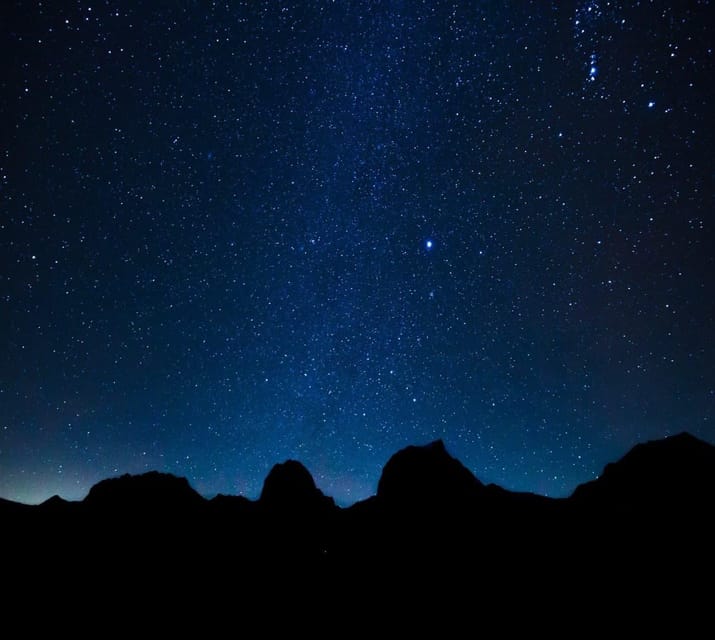
The payoff is that you cover more than one “version” of Death Valley in a single day. By late morning you’ll be dealing with dramatic elevation changes and sweeping views. By evening you’re waiting for a single, specific moment: sunset at Zabriskie Point. Then you switch gears completely and look up at the stars in Amargosa Valley when it’s properly dark.
One practical note: because pickup time depends on the sunset schedule (it can start as early as 8 AM), you’ll want a flexible morning. This is not the kind of tour where you sleep in, roll out late, and still expect the best night sky.
You can also read our reviews of more tours and experiences in Las Vegas.

Strip-Only Pickup: How to Set Yourself Up for Success
Pickup is included, and it’s limited to hotels on the Las Vegas Strip. That matters because it shapes everything about the tour: fewer detours, more time in the park, and smoother timing.
You’ll get the exact pickup location and time from your guide the day before. On tour day, plan to arrive in the lobby about 10 minutes early. Late arrivals can mean you miss the group, and there are no late-arrival refunds listed for missed pickup.
Also, the tour isn’t “walk everywhere.” It’s driving-heavy, with short walks at key stops. That’s good if you want variety without hiking for hours, but you still need comfortable shoes for uneven desert terrain and photo-trail sections.
Pahrump Start: A Quick Reset Before the Park Gets Serious
The itinerary includes a stop in Pahrump for about 20 minutes. Think of this as a warm-up moment: bathroom break energy, stretch time, and a chance to settle in before you start stacking the viewpoints.
Pahrump is also a useful mental transition. Las Vegas is bright and easy. Death Valley is the opposite: big distances, sharp light, and minimal shade. This brief stop helps you switch from city mode to desert mode without burning time later.
Don’t overthink it. Use the time to top off water (you’ll have unlimited bottled water on board) and get your sunglasses and sunscreen ready. In the hottest conditions Death Valley is known for, small steps add up.
Death Valley National Park Photo Stop and Time to Breathe
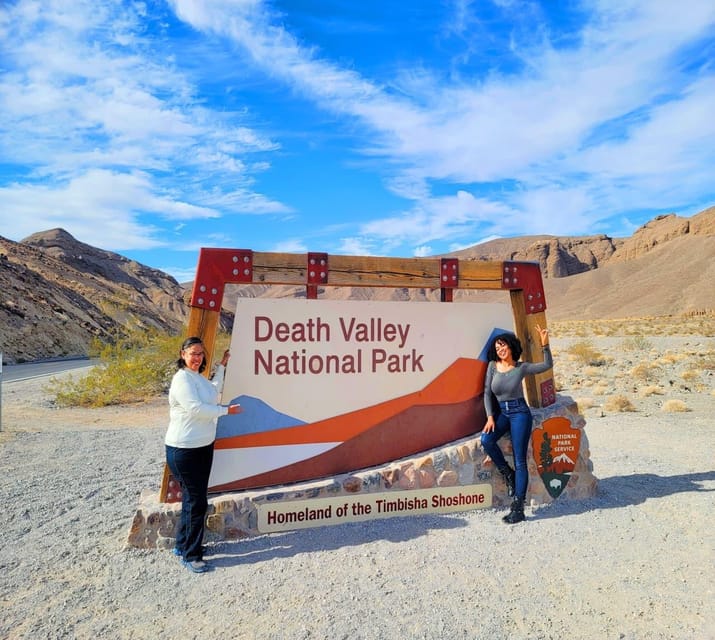
You’ll have a photo stop and free time at Death Valley National Park (around 20 minutes). Even if you’ve seen the park name a thousand times in photos, getting that first on-the-ground moment matters.
This is also where I like to check my own gear: phone storage, camera settings, and whether I’ve remembered something simple like lip balm or a layer for after sunset. During the day it can feel brutal; later, it can surprise you.
A good guide keeps this stop purposeful. The goal isn’t to do a lot of wandering here—it’s to get your bearings, grab your first shots, and move into the higher-impact viewpoints.
Dante’s View: The Viewpoint That Changes How You See the Park
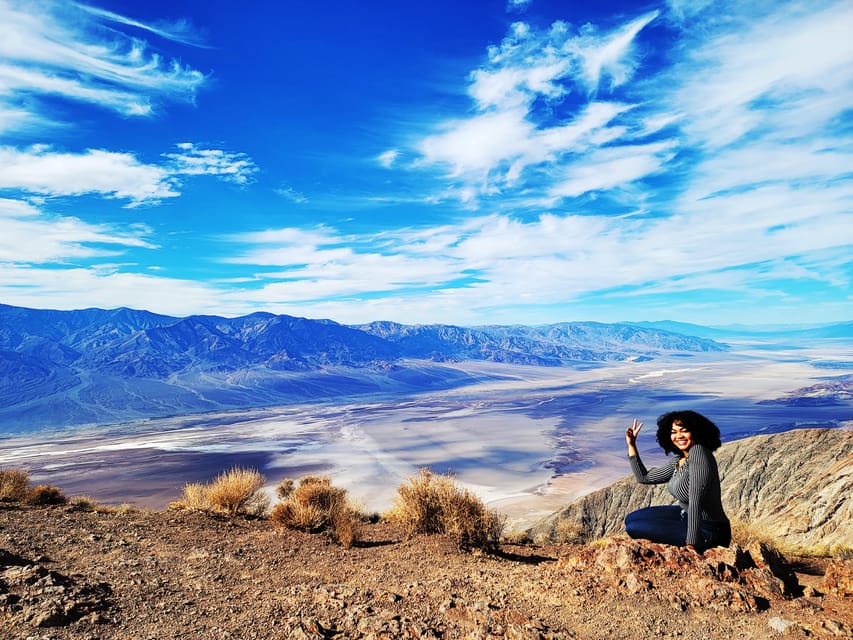
Dante’s View gets a dedicated photo stop, sightseeing time, and free time (about 30 minutes total). This is one of those places where the park suddenly makes sense because you can see huge portions of the terrain at once.
I like Dante’s View because it’s not just about taking a picture. It’s about understanding scale. You’ll notice the way the valley and ranges relate to each other—how “desert geography” actually works when you’re looking down instead of across.
Comfortable footwear helps because there’s a trail portion that you’ll want to walk at least a bit. One of the strongest pieces of feedback from past guests was that the walk is worth it, and that Dante’s View was stunning.

Badwater Basin: Lowest Sea Level and Maximum Photo Drama
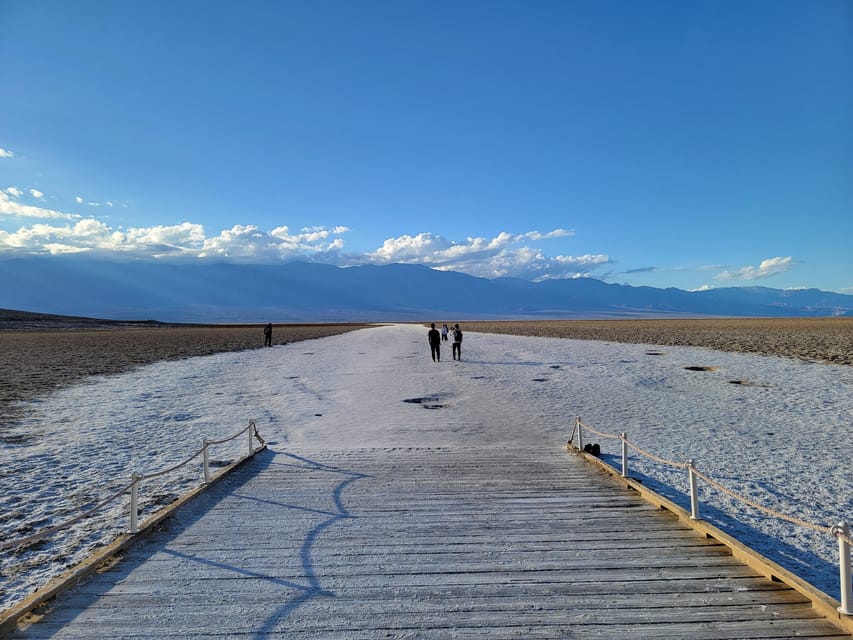
Next comes Badwater Basin with photo stop and sightseeing/free time (around 30 minutes). Badwater is the park’s iconic “lowest point” moment, and it delivers in photos—mostly because the terrain looks otherworldly.
There’s also time at Furnace Creek before and after this segment. You’ll have a break around Furnace Creek (about 20 minutes before Badwater, then around an hour later). That pacing is smart. It keeps you from feeling like you’re stuck in the heat with no rhythm.
Here’s the reality of Badwater: you’ll want to move quickly enough to get good shots, but not so fast that you’re shaky, sweaty, and frustrated. Use the guide’s timing, then slow down once you pick your favorite angles. The salt flats can create a clean, bright background that makes your photos look sharp with even simple compositions.
Artist’s Palette: Rainbow Mountains Time
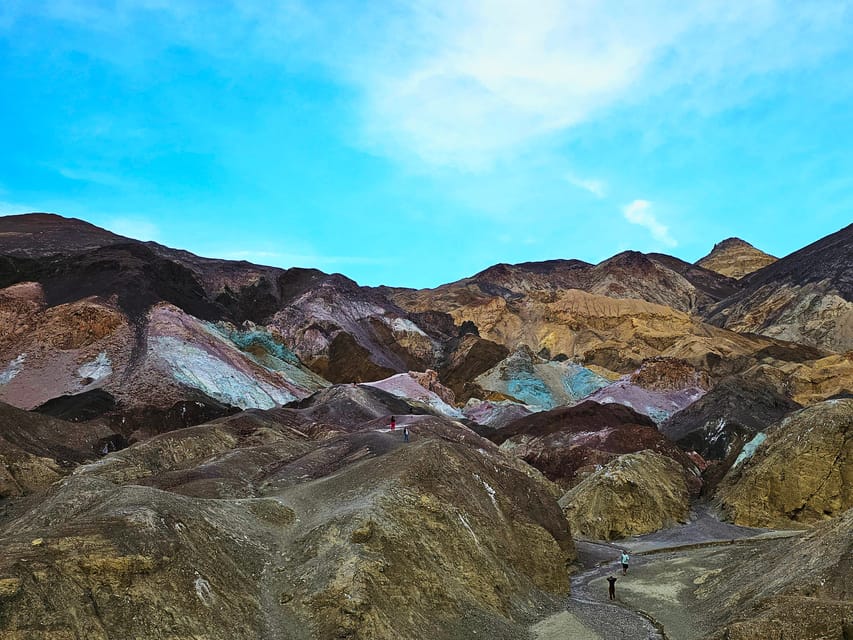
Artist’s Palette is built for color. You’ll get a photo stop, plus sightseeing and free time (about 30 minutes). If you like geology, this is a standout because the colored bands can look subtle or dramatic depending on the light.
It’s a great break from the “lowest point” theme and a nice reminder that Death Valley isn’t just one beige area. It’s layers, minerals, and a whole lot of heat-driven change.
I’d treat this as your “slow stop” of the day. Take a few photos, then step back and look with your eyes for a minute. Color like this often reads differently once you stop photographing.
Furnace Creek Break: Where Food Becomes Your Choice
Furnace Creek shows up again later with free time (about 1 hour). Food and drinks are not included on the tour, so this is when you’ll want to plan for whatever you’ll eat.
In practice, this is one of the most important moments for comfort. A full-day tour can work fine if you refuel and reset. If you skip lunch, you’ll feel it when the day stretches toward sunset and the night portion starts.
If you’re the type who likes options, use this hour to choose something that fits your energy level. Keep it simple and drink water, because the desert doesn’t give you much mercy.
Zabriskie Point Sunset: The Big Payoff
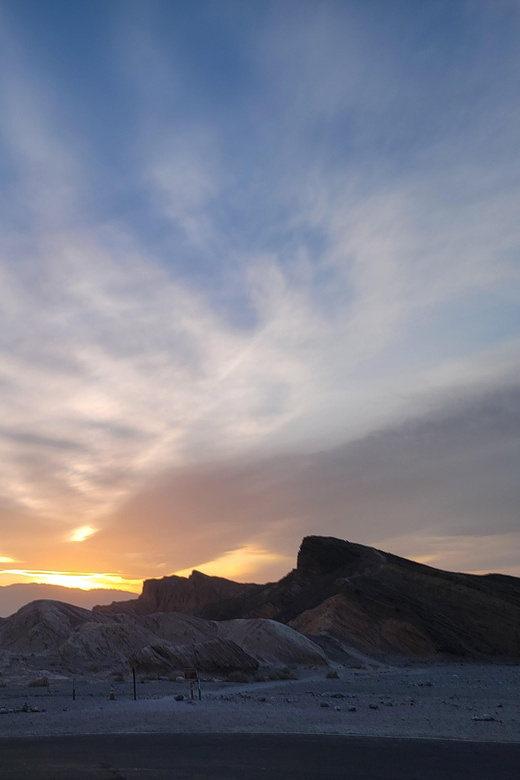
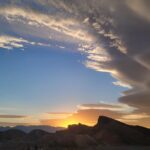
Zabriskie Point is where the tour points its arrow. You’ll have photo stop, sightseeing, free time, and sunset time (about 40 minutes). This stop is repeatedly described as one of the park’s most beautiful viewpoints, and for a lot of people it’s the moment that justifies the whole long drive.
The key is timing. Pickup times vary from 8 AM to 1 PM depending on sunset, so the guide is working backward from the sky.
What I like about Zabriskie Point is the layout of the experience: you can take photos, but you’re also meant to watch the light shift over the desert. If you want a simple photo strategy, shoot a few wide frames first, then come back for close-ups once the colors deepen.
Even if conditions shift and sunset doesn’t go exactly as planned, you still get a strong viewing session. The light before and after sunset can still be gorgeous, and the next phase (stars) is coming soon anyway.
Amargosa Valley Stargazing: Dark-Sky Timing After Sunset
Stargazing happens about 1 hour and 30 minutes after sunset in Amargosa Valley. This timing matters because you’re waiting for darkness to fully set in, not just the moment the sun disappears.
Moon phase changes what you can see. On nights with a bright moon or full moon, fewer stars will be visible. That’s not the tour failing—it’s physics. Plan your expectations around that.
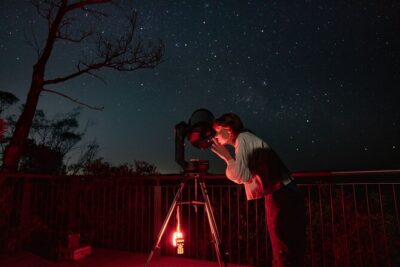
This is also where the guide’s skills can make a difference. Some guides have shared nighttime photography tricks and helped people with Milky Way shots. If you like photos, this is a good moment to be vocal about what you want—candid shots, posed photos, or tips for smartphone vs camera settings.
Bring patience here. When you’re looking up, you don’t need to rush. The tour format gives you time to enjoy the view, plus a gentle walk around the scenery without turning it into a forced hike.
What Makes the Value Work: Three “Death Valley Moods” in One Day
The best part of this tour is not any single stop. It’s the sequencing.
You start with iconic viewpoints and photo anchors, then you hit the park’s extremes—lowest sea level energy at Badwater Basin and the color play of Artist’s Palette. Then you close with sunset and stargazing, so you get the desert in two totally different light settings.
The small group size (limited to 14) helps. It’s easier to keep timing under control and still give you enough personal space to photograph or ask questions.
Also, unlimited bottled water helps you avoid the common trap: dehydration ruining your photos and your mood. Food and drinks are not included, but water is covered, which is a big deal in a place where heat can take over quickly.
If you’re someone who wants authentic-feeling desert time without spending days driving between viewpoints on your own, this tour is a strong option. You’re trading total freedom for a guided path that hits the major “must see” moments.
Price and Practicalities: Is $249 Worth It?
At $249 per person for a 12-hour tour, you’re paying for more than sightseeing. You’re paying for hotel pickup/drop-off from the Strip, a professional guide, fees and taxes, and unlimited bottle water. In a remote park, that kind of logistics support is part of the value.
What’s not included is food and drinks, so you’ll need to budget for lunch in Furnace Creek. Also, you’ll be spending a long day on the road, and that’s part of the cost—time and fatigue, not money.
This isn’t a “cheap day trip” style experience. It’s a structured, guided day focused on high-impact stops plus nighttime viewing. If your priority is seeing both a top sunset viewpoint and dark-sky stargazing in the same trip, the price starts to make sense.
Who Should Book It (and Who Should Skip)
This tour is small-group and runs about 12 hours, with stargazing and uneven desert terrain. It’s listed as not suitable for:
- Children under 5
- Pregnant women
- People with back problems
- Wheelchair users
- People over 75
- People with pre-existing medical conditions
If any of those apply, don’t gamble on “it’ll probably be fine.” Death Valley conditions and long time in the vehicle can be tough even for people without medical concerns.
Who it suits best:
- Couples and friends who want one “big Death Valley” day without planning every turn
- People who care about photography and like being guided to good timing
- Stargazers who want a dark-sky session and can handle waiting for moon conditions to cooperate
- Anyone comfortable with a long day and a little walking for viewpoint trails
Should You Book This Death Valley Sunset and Stargazing Tour?
If you want one guided day that covers multiple iconic Death Valley moments—viewpoints by day, Zabriskie Point at sunset, then stargazing in Amargosa Valley—I think it’s a smart way to spend your time. The combination is the big selling point: you’re not choosing between sunset and stars. You’re doing both.
Book it if you’re ready for a long schedule, can handle the desert heat, and you’ll bring the basics like sunscreen, sunglasses, comfortable shoes, and comfortable clothes. Skip it if mobility or health limits might be an issue, or if you’re looking for a relaxed half-day.
FAQ
What’s the tour length?
The tour runs for 12 hours.
How much does it cost?
It’s priced at $249 per person.
Is food included?
No. Food and drinks are not included.
Do I get hotel pickup and drop-off?
Yes, hotel pickup and drop-off are included, but pickup is only available from hotels on the Las Vegas Strip.
What time does pickup happen?
Pickup time varies from 8 AM to 1 PM depending on the sunset time. Your guide provides the exact pickup location and time the day before.
How many people are in the group?
The tour is limited to 14 participants, making it a small group.
When does stargazing start?
Stargazing takes place about 1 hour and 30 minutes after sunset.
Is stargazing affected by the moon?
Yes. On nights with a bright moon or full moon, fewer stars are likely to be visible.
Final Note
If your dream includes both a top Death Valley sunset and a real night-sky session, this tour is built for that day-to-night transition. Just go in prepared for the long hours and desert conditions, and you’ll have a memorable, focused experience.