REVIEW · BLUE MOUNTAINS
Stargazing with an Astronomer in the Blue Mountains
Book on Viator →Operated by Blue Mountains Stargazing · Bookable on Viator
You look up, and the sky answers fast. In the Blue Mountains, this 90-minute stargazing tour turns a scary-dark night into a clear, guided lesson about the Southern Hemisphere sky.
I especially like the professional-grade telescope paired with a real astrophysicist who can explain what you’re seeing instead of just pointing at it. The other thing I like is the hands-on flow: naked-eye constellation spotting first, then telescope time, plus a Q&A so questions don’t get swallowed by the dark.
One possible drawback: weather can change everything. If wind or cloud rolls in, you may not view from the original lookout the way you hoped, and the operator can switch you to an indoor planetarium option instead.
In This Review
- Quick hits on Blue Mountains stargazing (before the night gets real)
- Where you start at Wentworth Falls Lookout Track—and what that means
- The astronomer-led lesson: from constellations to telescope views
- What you might see in the Southern Hemisphere sky
- Comfort details that help you actually enjoy the hour
- Weather reality: the 1pm decision and the indoor planetarium option
- Price and value: what $60.97 buys you in the real world
- Accessibility and practicalities that make this tour easier than it sounds
- Who this is best for (and who should think twice)
- Should you book Stargazing with an Astronomer in the Blue Mountains?
- FAQ
- What is the duration of the stargazing tour?
- How much does the tour cost?
- Where does the tour start?
- What celestial objects might we see?
- Is the tour offered in English and French?
- Are drinks provided?
- What happens if the weather is bad?
- Does the indoor planetarium tour always run?
- Is the experience wheelchair and stroller accessible?
- Do I need to worry about printed tickets?
Quick hits on Blue Mountains stargazing (before the night gets real)
- Professional telescope + astronomy binoculars so you’re not just watching from a distance
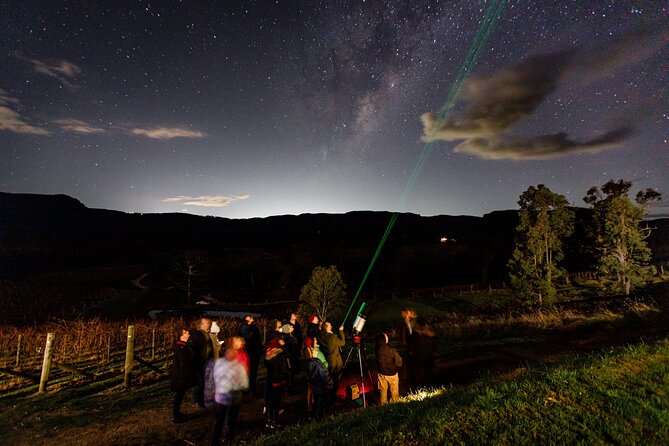
- Laser-guided constellation storytelling to help you connect patterns in the sky to real targets
- Hot or cold drinks provided, weather dependent, with complimentary hot chocolates listed
- Small group size up to 20 people, which helps questions actually get answered
- Bad-weather plan at 1pm: reschedule credit or an indoor 90-minute planetarium tour
Where you start at Wentworth Falls Lookout Track—and what that means
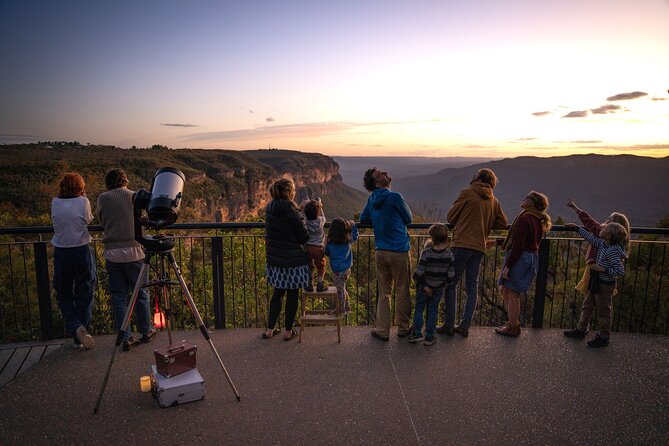
This tour meets at Wentworth Falls Lookout Track in New South Wales, and it ends back at the same spot. That matters because you’re not bouncing between locations at night; you’re learning the sky from one consistent viewing area.
The whole experience runs about 1 hour 30 minutes, and the group stays capped at 20 people. A smaller group is a big deal for stargazing: it keeps the telescope time from feeling rushed and makes it easier for your guide to answer questions in the moment.
If you’re using public transport, it’s described as near public transportation, so you’re not forced into a long private transfer just to see a few hours of night sky.
And yes, this is designed to be practical at night: tickets are mobile, so you’re not hunting for paper in the dark.
The astronomer-led lesson: from constellations to telescope views
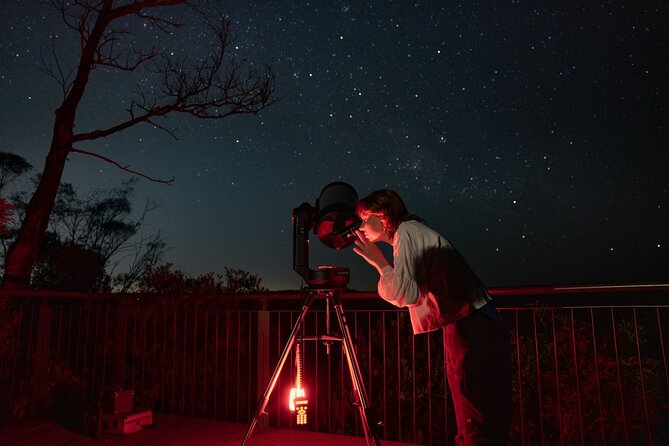
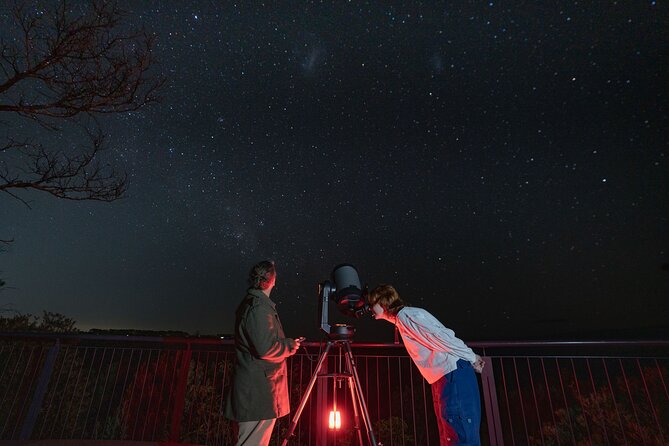
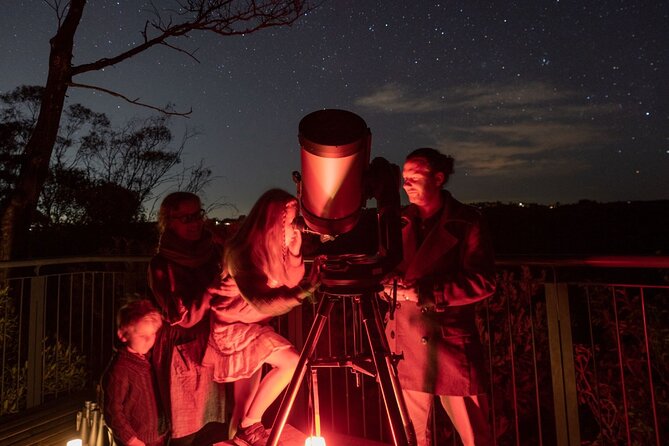
The heart of the night is the guide—an astrophysicist with over ten years’ experience. The idea is simple: you learn how to find things in the sky with your eyes first, then the professional equipment helps you see details your naked eye can’t.
You’ll start by identifying constellations you can spot without tools. That’s a useful skill even after the tour ends, because it helps you recognize patterns again on your own. Then comes the equipment step: astronomy binoculars and a state-of-the-art telescope for deeper views.
A major plus here is the laser-guided storytelling. When constellations are explained with a light pointer (and the guide keeps it aligned to what’s actually overhead), the sky stops feeling like random dots.
You also get Q&A with the astronomer. This is where the tour earns its keep. If you’ve ever asked someone a question about astronomy and gotten a short, vague answer, you’ll appreciate the format that encourages real conversation.
Language support is also a nice detail: English and French are available, so you’re more likely to understand the explanations without straining.
What you might see in the Southern Hemisphere sky
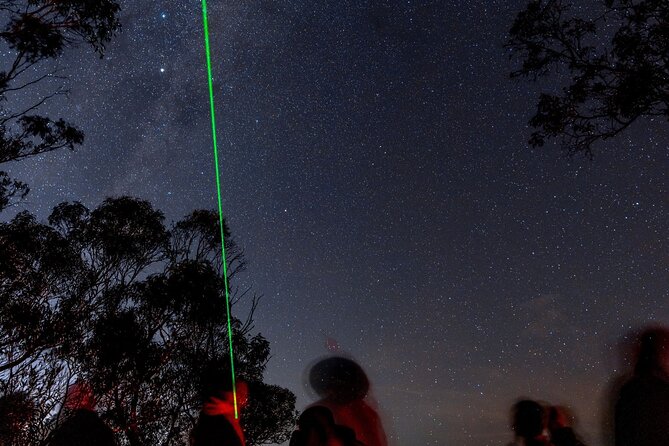
What you see depends on the time of year and the night conditions, but the tour lists a solid menu of targets. Think of it as a guided route through the best “greatest hits” of the Southern night sky.
Here are the kinds of things you can look out for:
- Moon views, including craters (when the Moon is in the right phase and timing works)
- Planets like Mars and Venus
- Saturn’s rings, when viewing conditions and timing line up
- Jupiter’s moons, which look like small moving points near the planet
- The Orion Nebula
- Star clusters and double or triple stars
- Deeper space targets like galaxies and even the Milky Way
What’s valuable for you is not just the list, but the teaching approach. When the guide points out a target and then helps you understand what makes it interesting, it becomes a story you can recall later—not just a photo opportunity.
If it’s your first time seeing constellations from the Southern Hemisphere, this kind of instruction pays off quickly. The moment you spot the Southern Cross for the first time, the whole sky starts to make sense.
And if you’re more curious than casual—someone who likes asking why something looks the way it does—Q&A is where you can connect the visual to the science.
Comfort details that help you actually enjoy the hour
Stargazing is only fun if you stay comfortable enough to keep looking upward. This tour provides warm or cold drinks, depending on the weather, and it specifically lists complimentary hot chocolates.
In practice, that means your hands and face stay functional, so you’re not constantly zipping up, stretching your neck, and giving up. I also like that the experience is built to be interactive; comfort helps you stay engaged long enough to learn something.
If you tend to get cold fast, plan layers. Even when drinks are provided, nights in the Blue Mountains can shift from pleasant to chilly fast.
Weather reality: the 1pm decision and the indoor planetarium option
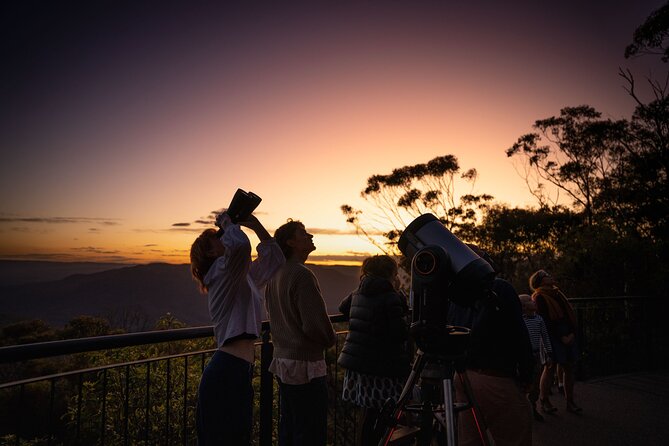
Outdoor stargazing lives and dies by cloud cover and wind. This operator handles that uncertainty with a clear plan.
At 1pm on the day of the tour, you choose between two options if conditions turn bad:
- A transferable gift voucher/credit to reschedule (valid for 3 years)
- An alternative 90-minute indoor planetarium astronomy tour, run inside a dome with a powerful projector and cinema-style experience
There’s one important condition: the indoor planetarium runs only if there are at least 8 people. So if you’re booking close to the night and hoping for a specific “outdoor only” experience, keep that in mind.
One more practical note: wind can make viewing harder even when the sky is partially clear. If you’re someone who hates windy outdoor waits, dress for it, and be ready for the viewing location to shift if needed.
Also check what your confirmation message says. The information provided here points to a straightforward decision at 1pm, but day-of instructions can vary based on the specific situation.
Price and value: what $60.97 buys you in the real world
The price is $60.97 per person for about 1.5 hours. That’s not cheap like a simple bus-and-walk, but you’re also paying for real astronomy hardware and a trained astrophysicist.
Here’s what’s included that actually affects value:
- Professional-grade telescope time
- Astronomy binoculars
- Laser-guided constellation storytelling
- Hot chocolates plus warm or cold drinks
- Q&A with the astronomer
- A small group size capped at 20
When you compare that to “stand around and look” sky events, the difference is the structure: you learn how to find things, then you get equipment time to see them more clearly.
One more value cue: it’s commonly booked about 24 days in advance on average. That doesn’t mean you must book early, but it does suggest the experience is popular enough that the spots can fill, especially when the sky stays clear.
If you’re traveling from farther away, I’d treat this as a fixed plan you secure early, then let the weather backup plan handle the rest.
Accessibility and practicalities that make this tour easier than it sounds
This experience is listed as wheelchair and stroller accessible. That’s a big checkbox for a night tour where it would be easy to assume you’re just standing in uneven ground for an hour.
It also notes service animals are allowed, and it’s described as suitable for most people. If you bring a stroller, this setup is specifically meant to accommodate that, which makes it more family-friendly than many stargazing options.
Confirmation is also clearly handled: you should receive confirmation within 48 hours of booking, subject to availability.
And there’s a specific “good to know” rule: if you don’t receive an email at 1pm on the day of the tour, that means the stargazing tour is confirmed. That’s helpful when you’re trying to plan dinner, transport, or your evening window.
Who this is best for (and who should think twice)
This tour is a great fit if you want:
- A guided introduction to the Southern Hemisphere night sky
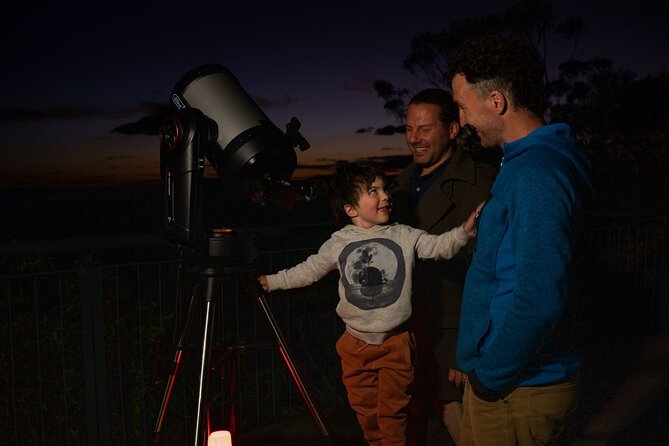
- A real telescope experience without needing to know anything beforehand
- Hands-on learning with constellations and structured pointing
- A chance to ask questions rather than just watch silently
It’s also a smart choice for couples and small groups who want a calm, focused night program without a long day-trip.
You might think twice if:
- You hate outdoor weather uncertainty and want zero possibility of an indoor plan
- You’re looking for a long show (this is about 90 minutes, not a full-night event)
Should you book Stargazing with an Astronomer in the Blue Mountains?
I think this one is worth booking if your main goal is learning the sky and actually seeing celestial objects through proper equipment. The mix of naked-eye constellation work, laser-guided explanation, telescope viewing, and Q&A is what makes it more than a quick glance.
Book it early if you can, because it’s capped at 20 people and it tends to be reserved a few weeks ahead. Then rely on the weather plan for peace of mind: you’ll either reschedule using transferable credit or switch to the indoor planetarium format if conditions don’t cooperate.
If you’re the kind of person who wants the night sky to feel understandable, not mysterious, this tour does that job fast.
FAQ
What is the duration of the stargazing tour?
It runs for about 1 hour 30 minutes.
How much does the tour cost?
The price is $60.97 per person.
Where does the tour start?
The meeting point is Wentworth Falls Lookout Track, New South Wales, Australia, and it ends back at the same place.
What celestial objects might we see?
Depending on the time of year and the night’s conditions, you might see the Moon (including craters), Mars, Venus, Saturn’s rings, Jupiter’s moons, the Orion Nebula, star clusters, double and triple stars, and deep-sky objects like galaxies and the Milky Way.
Is the tour offered in English and French?
Yes. English and French languages are available.
Are drinks provided?
Yes. Warm or cold drinks are provided depending on the weather, and hot chocolates are listed as complimentary.
What happens if the weather is bad?
At 1pm on the day, you can choose to receive a transferable gift voucher/credit to reschedule (valid for 3 years) or attend the alternative 90-minute indoor planetarium astronomy tour.
Does the indoor planetarium tour always run?
It runs only if there are at least 8 people booked for that indoor option.
Is the experience wheelchair and stroller accessible?
Yes. Wheelchair and stroller access is listed, and service animals are allowed.
Do I need to worry about printed tickets?
No. Tickets are mobile.