REVIEW · LA PALMA
La Palma: Guided Stargazing Tour
Book on GetYourGuide →Operated by RHBUGGY C.B · Bookable on GetYourGuide
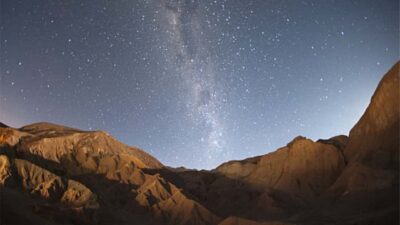
La Palma’s night sky feels close. This guided tour takes you up to a 1,300-meter stargazing spot and puts a telescope in your hands for real views, not just photos.
I also like the way the guide uses plain, accessible language to connect what you’re seeing with constellations and the stories humans built around the sky. The one drawback to keep in mind is weather can change the plan, including possible cancellations.
In This Review
- Key Things I’d Watch For on This La Palma Stargazing Tour
- Why La Palma’s Sky Works So Well (And Why the Altitude Matters)
- Meeting Point Reality: You’ll Coordinate by WhatsApp or SMS
- Telescopes Are Provided: Setup, Practice, Then the Sky
- The Guided Star Story: Constellations, Astrology, and Real Viewing Targets
- What you might see through the telescope
- What the 1.5 Hours Feels Like on the Ground
- Price and Value: Why $41 Can Make Sense (If You Want Telescope Time)
- Weather Can Change Everything Here (And That’s Not Just a Small Detail)
- What to Bring So You Don’t Waste the Best Part of the Night
- Who This Tour Is For (And Who Might Want to Skip It)
- Should You Book This Guided Stargazing Tour on La Palma?
- FAQ
- How long is the La Palma guided stargazing tour?
- What’s included in the price?
- Do I need to bring anything?
- Is hotel pickup and drop-off included?
- Where do I meet the guide?
- What language is the guide speaking?
- What celestial objects will I be able to observe?
Key Things I’d Watch For on This La Palma Stargazing Tour
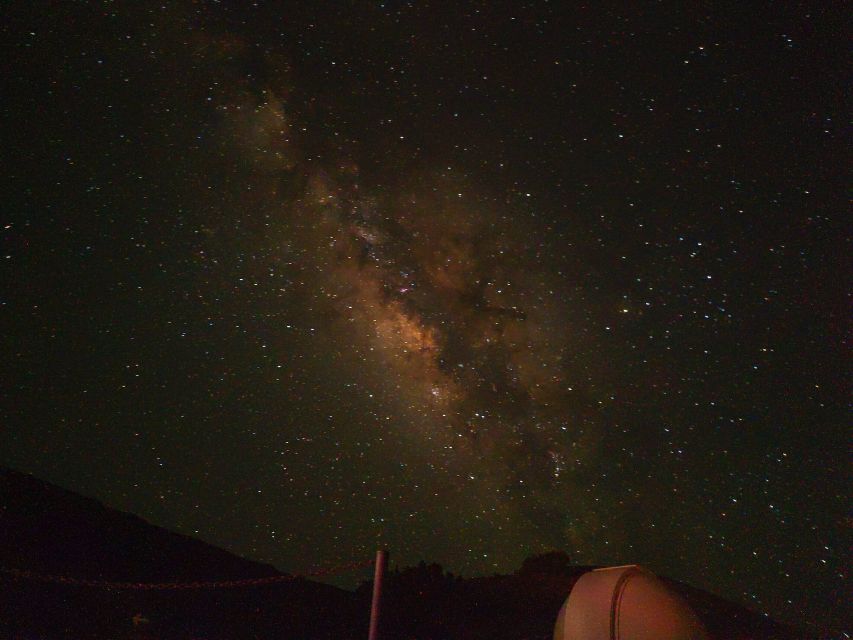
- A 1,300-meter viewing spot: Higher altitude helps you chase clearer, darker-sky conditions.
- Telescope time is included: You’re not just told about stars; you get to look through optics.
- Simple guide explanations in English: Expect star groups, planets, and moon observations explained without heavy jargon.
- A guided “visual journey”: You’ll move from overview to specific celestial targets instead of staring in silence.
- Weather-dependent meeting location: The exact spot can shift, and conditions can force changes.
Why La Palma’s Sky Works So Well (And Why the Altitude Matters)
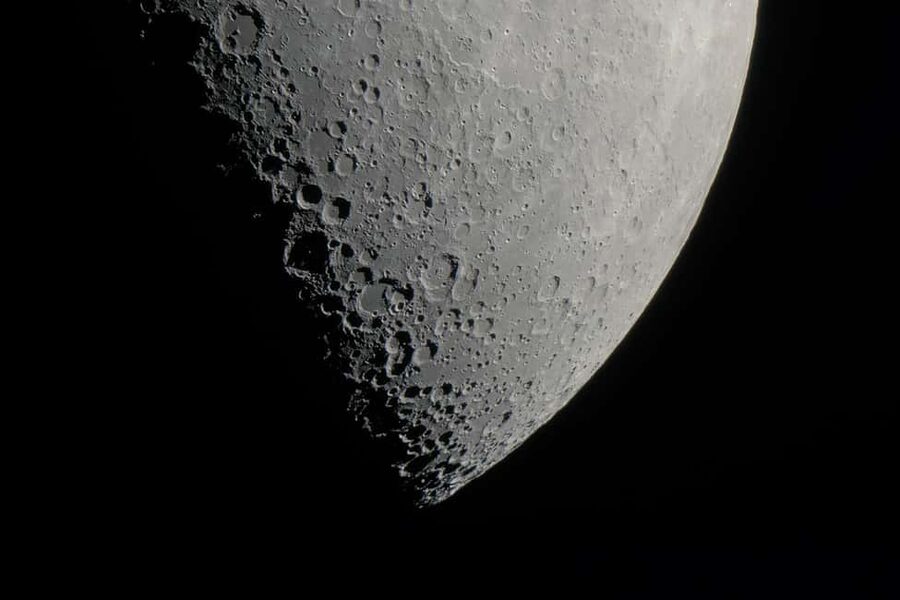
If you’ve ever watched stars from a city, you know the problem: light pollution turns the sky into a gray ceiling. La Palma is different. This tour specifically begins at a stargazing location on the island at 1,300 meters, which matters because it gives you a better shot at darker skies and steadier viewing than you’d get down near sea level.
Think of it like this: your telescope is only as good as the conditions it’s pointed at. The altitude isn’t a marketing line here—it’s part of how the operator chooses the best “astronomical viewpoints” on the island for the night.
You also get fresh air and a slower pace that’s kind of rare in travel. This is one of those experiences where you actually pause your day, look up, and let the world shrink down to the sky overhead.
You can also read our reviews of more tours and experiences in La Palma.
Meeting Point Reality: You’ll Coordinate by WhatsApp or SMS
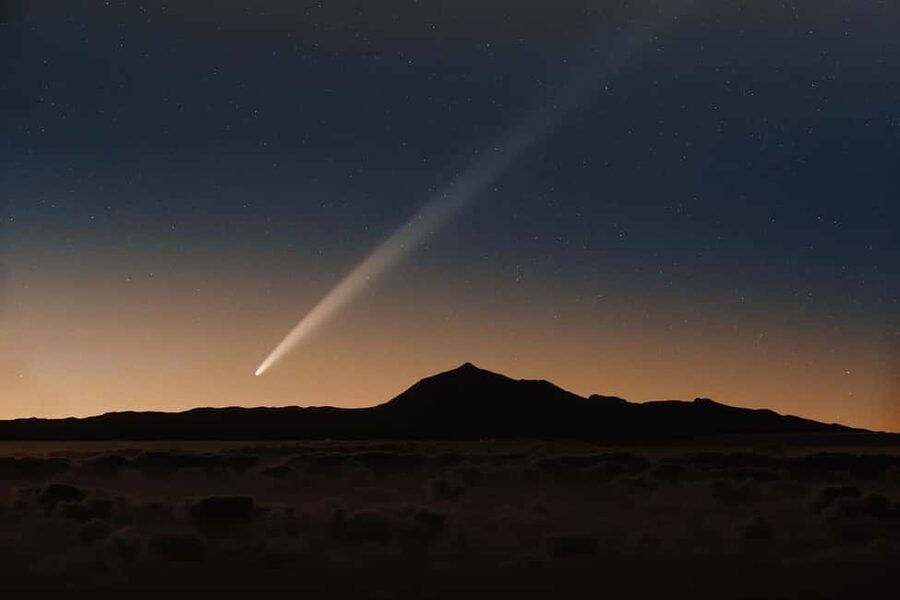
One practical thing I like about this tour is that they handle the island’s unpredictability upfront. Because weather and cloud cover can shift, the meeting point may vary night to night. Rather than leaving you guessing, you’ll get the exact location by WhatsApp (or by SMS if you don’t use WhatsApp).
What that means for you: plan for a bit of coordination time and keep your phone charged. You don’t need to stress, but you do need to be ready to follow the message to the correct spot at the start time.
Also note: there’s no hotel pickup or drop-off. You’ll be responsible for getting yourself to the meeting point they send you.
Telescopes Are Provided: Setup, Practice, Then the Sky
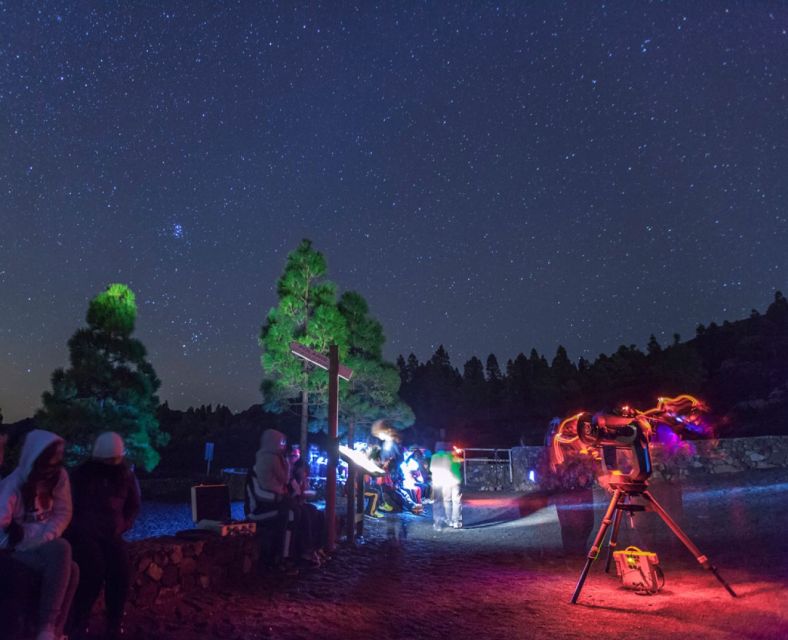
The flow of the night is simple, and that’s a good thing. After you arrive at the stargazing location, your guide gives you telescopes and explains how to use them. Before anyone jumps to the good stuff, you’ll set up the equipment, do a quick practice, and then start gazing.
That “practice first” step is more important than it sounds. Telescopes can feel intimidating if you’ve never used one, especially in the dark when you’re tired and wearing winter layers. A brief run-through helps you avoid the classic frustration of losing time fiddling while the sky is doing its thing above you.
You’re also not on your own. The guide takes you through what to look for, then helps connect the view to what’s in the sky—star groups, planets, nebulas, and the moon.
The Guided Star Story: Constellations, Astrology, and Real Viewing Targets
This is not a lecture where you just stand around and listen. Your guide leads you on a visual journey through the sky, with the telescope as the main event. As you look, you learn about star groups and the planets you can see at that time.
A fun part of the experience is the human side of astronomy. The tour includes learning how humans have interpreted and used stars over tens of thousands of years. That’s a long time, and it gives you a fresh angle: the night sky isn’t just scientific—it’s cultural.
The tour also mentions astrology, so if that’s part of your interest, you’ll hear it in the context of how people have connected patterns in the sky to meaning over time. If you’re more science-minded, you can still enjoy it because the guide keeps things accessible and focused on what you can actually spot.
What you might see through the telescope
Based on the tour description, expect views of several categories of nighttime objects, including:
- Nebulas
- Star groups (constellations)
- Planets
- The moon
Exactly which objects are available depends on the night and conditions, but the guiding idea stays the same: you’ll look at standout targets rather than only learning abstract “where to find” directions.
What the 1.5 Hours Feels Like on the Ground
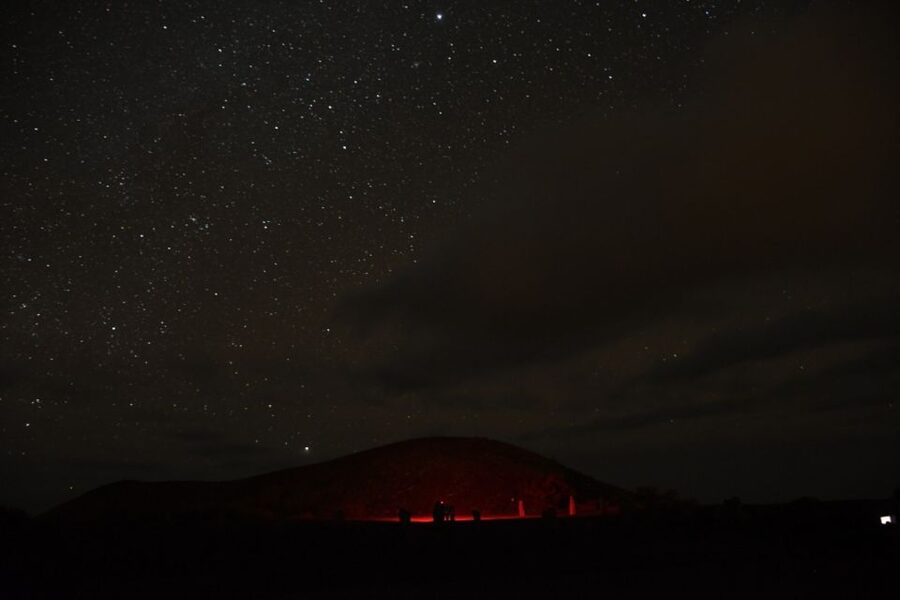
This tour runs about 1.5 hours. For stargazing, that’s a realistic window. Long enough to set up, get comfortable with the telescope, and actually enjoy a few different views. Short enough that you’re not standing outside freezing for ages waiting for the sky to cooperate.
Here’s how you can think about the time:
- First, you get telescopes and basic instructions.
- Then you spend time getting oriented and practicing.
- After that, the guide starts moving you through objects you can observe.
If you’re traveling and juggling schedules, this is also a manageable commitment. You don’t have to dedicate half a night or lose an entire evening.
Price and Value: Why $41 Can Make Sense (If You Want Telescope Time)
At $41 per person, this tour sits in the “budget-friendly for a guided telescope experience” range. The value comes from two things you normally pay more for separately:
- A live guide who explains what you see in English.
- Use of a telescope included in the price.
You’re not just paying for storytelling. You’re paying for equipment, guidance, and the choice of a viewing spot optimized for night conditions.
One thing to weigh: you’ll pay with time and effort, not just money. You’ll need warm clothing, and you’ll be outside at night. If you’re hoping for a warm, indoor, hands-off experience, this won’t be your best fit. If you want real looking—through optics, with someone pointing and explaining—then $41 starts to feel fair.
Weather Can Change Everything Here (And That’s Not Just a Small Detail)
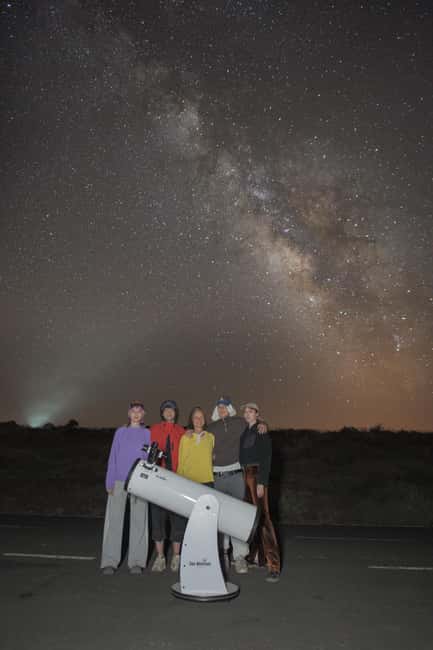
La Palma’s weather can be a spoiler for stargazing anywhere on an island. This operator is upfront that the meeting point may vary based on conditions, and the guide actively assesses astronomical viewpoints to avoid clouds when possible.
The other important part: when weather cancels the tour, the company handles it decently. In at least one case, a cancellation happened due to conditions beyond their control, and they let the guest know in advance, offered alternative dates, and provided a refund if another date couldn’t work out.
That matters because the sky isn’t guaranteed on any island at any time. A tour that’s flexible and communicative is more valuable than one that shrugs and keeps the money.
My practical advice: don’t treat this like a guaranteed must-see. Treat it like a high-probability night out. If you can, keep some schedule flexibility. And if the forecast looks iffy, still go—just stay ready for plan changes.
What to Bring So You Don’t Waste the Best Part of the Night
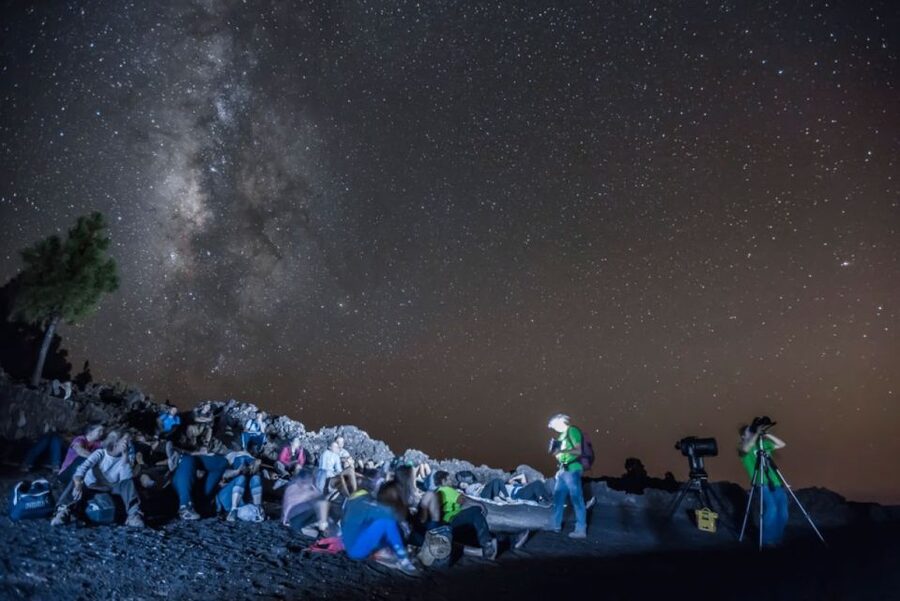
You’ll be outside, at altitude, at night. This is not the moment to travel light.
Bring:
- Warm clothing
- A jacket
- Food and drinks
Why food and drinks? Because once you’re set up with a telescope, you’ll likely want to stay focused. Having something with you prevents the “I’m cold and hungry, so I’ll stop enjoying this” problem.
Also, dress for cold first, then consider how many layers you can comfortably move in while adjusting the telescope setup.
Who This Tour Is For (And Who Might Want to Skip It)
This stargazing tour is a great match if you:
- Want guided telescope viewing, not just a night walk
- Enjoy astronomy in a friendly, approachable way
- Like the human history side of the stars (stories, interpretation, and how people used them)
- Are comfortable meeting at a variable location sent by phone message
You might skip it if you:
- Hate coordinating logistics by WhatsApp/SMS or can’t access your phone
- Get uncomfortable standing outside in cool night air
- Want a long, multi-stop itinerary with lots of downtime and stops you can explore like a typical sightseeing day
Should You Book This Guided Stargazing Tour on La Palma?
I’d book it if you want a short, well-led night where the telescope is part of the deal. The experience is built around real viewing—telescopes included, a guide who explains what you’re seeing in English, and a viewing spot chosen for conditions around 1,300 meters.
I’d also book it with one smart mindset: weather is the wildcard. If you can be flexible with plans and you’ll be prepared with warm layers, this becomes a very worthwhile way to spend an evening on La Palma.
If you’re on the fence, think about what you want most—quiet star gazing alone, or guided telescope time that helps you actually understand what you’re looking at. This is the guided option, and it does that job well.
FAQ
How long is the La Palma guided stargazing tour?
The tour lasts about 1.5 hours.
What’s included in the price?
It includes a guided tour and use of a telescope.
Do I need to bring anything?
Yes. You should bring warm clothing, a jacket, and food and drinks.
Is hotel pickup and drop-off included?
No. Hotel pickup and drop-off are not included.
Where do I meet the guide?
The meeting point can vary due to weather conditions. You’ll receive the exact location via WhatsApp, or by SMS if you don’t use WhatsApp.
What language is the guide speaking?
The tour is offered with a live guide in English.
What celestial objects will I be able to observe?
The tour description includes observing things visible at night such as nebulas, star groups, planets, and the moon.