REVIEW · LA PALMA
La Palma: Premium Stargazing Tour for 10
Book on GetYourGuide →Operated by RHBUGGY C.B · Bookable on GetYourGuide
Stars look close on La Palma. This 1.5-hour premium stargazing tour takes you up to Roque de Los Muchachos for crisp night skies, telescope viewing, and a guide who turns the heavens into something you actually understand. It’s not just staring up and hoping for the best.
I especially like the high-grade telescopes and the way the tour keeps things in plain language. I also like the altitude game plan: being around 1,300 meters helps you get above the cloud layer more often, so you waste less time on gray skies.
One real consideration: in cooler months, the cold can hit hard after sunset. If you’re not bundled up, the price can feel steep for a short outing that quickly turns into a hands-warming exercise.
In This Review
- Key Things I’d Plan Around
- Roque de Los Muchachos: Why This Summit Matters
- What Happens in 1.5 Hours: Telescopes, Practice, Then the Sky Show
- What You’ll See Through the Telescopes (Nebulas, Planets, Moon)
- Cold Weather Reality: Small Groups, Turn-Taking, and Comfort
- Price and Value: Is $88 Worth It for 90 Minutes?
- Logistics on La Palma: Getting There Without Stress
- Who Should Book This Tour (and Who Might Not Love It)
- Should You Book? My Decision Guide
- FAQ
- FAQ
- Where does the stargazing tour meet?
- How long is the tour?
- Is telescope use included?
- Do I need to bring warm clothing?
- Is hotel pickup included?
- Do I need my own transport?
- What languages is the tour offered in?
- Can I cancel and get a refund?
- Can I reserve without paying right away?
Key Things I’d Plan Around
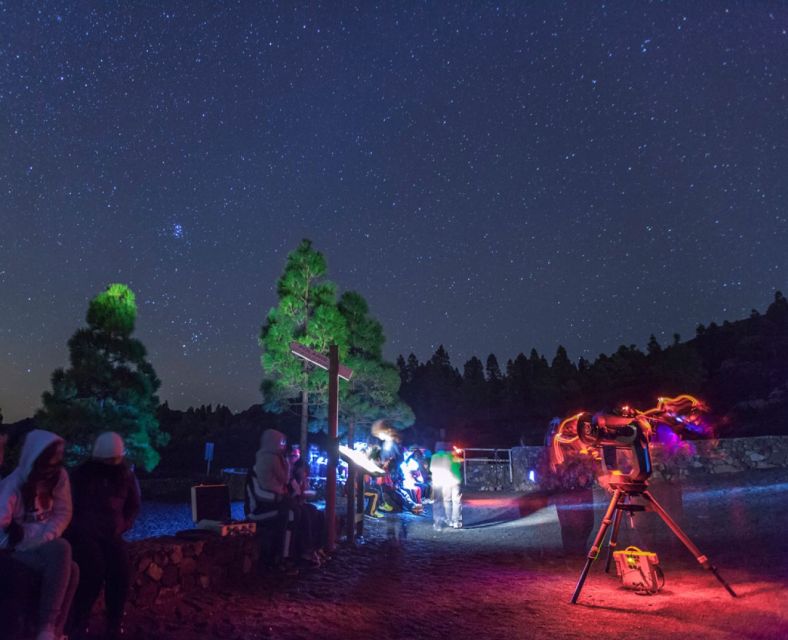
- Roque de Los Muchachos meeting point by the Museo Roque de Los Muchachos visitor center parking lot
- Altitude focus (about 1,300 meters) to get above the sea of clouds for clearer viewing
- Telescope handout + quick setup practice before you start looking
- What you’ll spot at night: nebulas, star groups, planets, and the moon
- Small group limits (advertised for up to 10, but timing can slow if a few extra people show up)
Roque de Los Muchachos: Why This Summit Matters
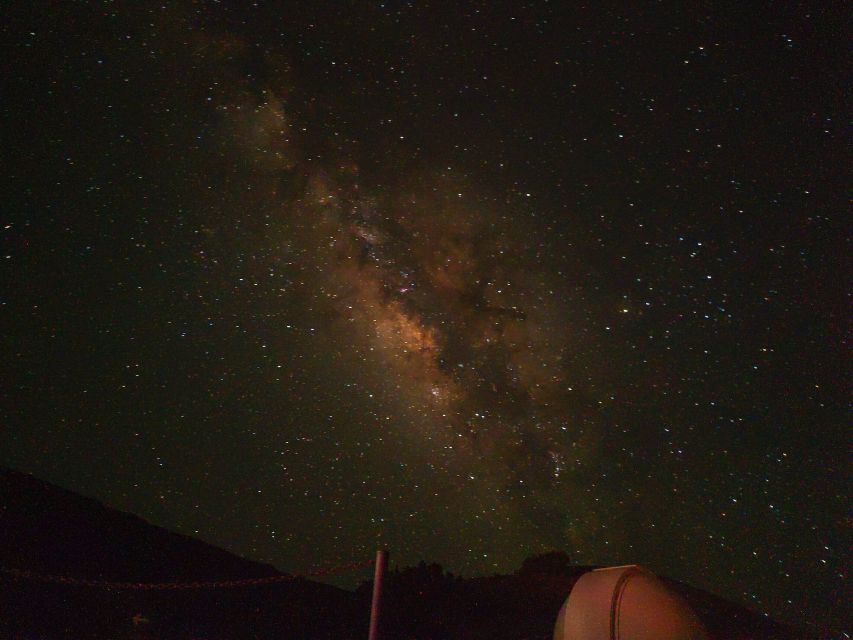
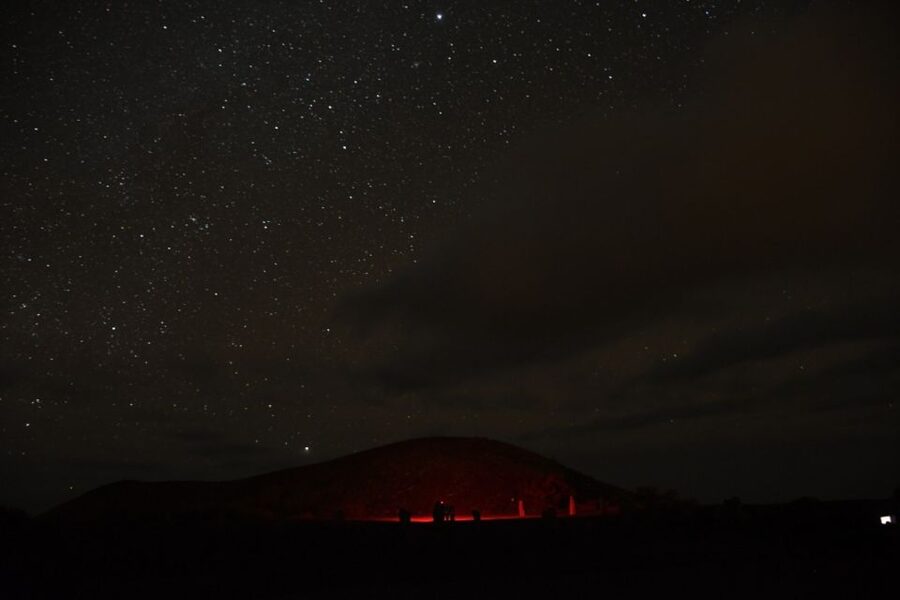
La Palma is famous for its night sky, and this tour targets one very specific reason: conditions. The meeting is fixed at Roque de Los Muchachos, right by the visitor center parking area (Museo Roque de Los Muchachos). That’s convenient because you don’t have to hunt around the island for some random lookout.
The key advantage is altitude. You’re going to a stargazing spot at about 1,300 meters, and the tour is built around three sky-friendly benefits. First, you’re above the sea of clouds, which often forms at lower levels. Second, air at elevation is typically cleaner. Third, that cleaner air means less turbulence, which helps stars stay sharper in the telescope instead of wobbling around.
One important reality check: lower parts of the island just don’t offer the same visibility guarantee. So even if you’re tempted to watch from the nearest viewpoint back down the hill, this is the part where the tour makes sense—this isn’t about saving a drive, it’s about stacking the odds for a good sky.
You can also read our reviews of more tours and experiences in La Palma.
What Happens in 1.5 Hours: Telescopes, Practice, Then the Sky Show
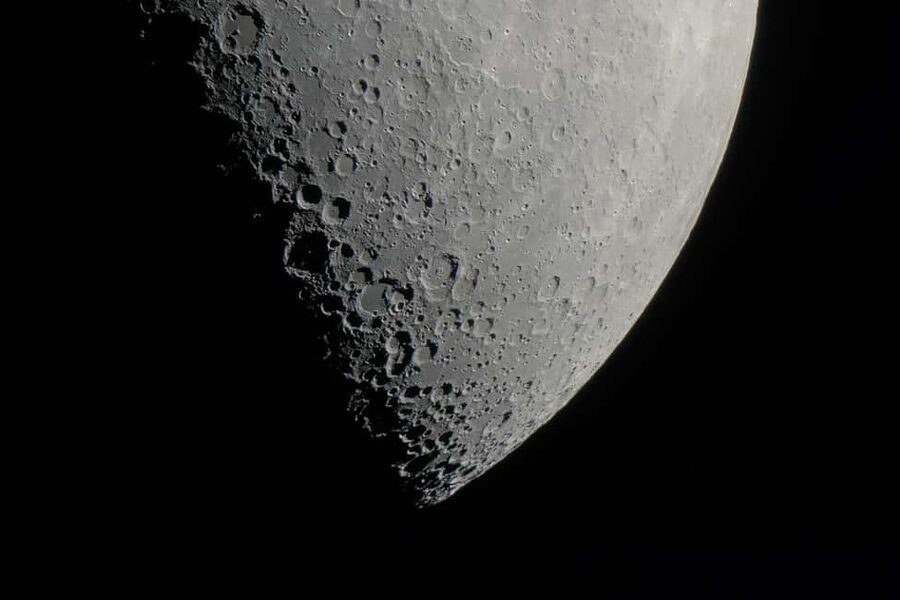
The tour runs about 1.5 hours, which sounds short until you realize stargazing is all about timing. You’re not spending half the night in transit or setting up gear from scratch. Instead, the pace is designed so you get used to the telescope quickly, then you can focus on the sky.
Here’s the flow you should expect:
1) Meet at Roque de Los Muchachos
You’ll gather at the fixed point near the visitor center parking lot. Since it’s always the same start, you can spend less time guessing and more time planning your climb up the mountain.
2) Head to the best stargazing spot
The activity is described as happening in the high summit zone with the altitude target (around 1,300 meters). This is where the tour’s “clear sky” logic comes from.
3) Telescope handoff and a quick how-to
You’re given the telescopes and get a brief introduction. Expect some basics like how to point the scope and how to handle the view without bumping the setup. Then there’s time for practice so you’re not fumbling when the guide moves to the next object.
4) A guided visual tour of constellations and objects
The guide takes you through what you can see: star groups (constellations), planets, nebulas, and the moon. Part of the fun is how humans have interpreted stars over tens of thousands of years—so you’re not just learning astronomy terms, you’re learning the stories people built on top of the night sky.
5) You keep looking long enough to feel the difference
This is not a 10-minute telescope demo. The telescopes and guide time are meant to be enough for you to experience several types of objects in one sitting.
If you want a simple mental picture: the tour starts with getting you ready, then it becomes a guided “sequence” of views. That sequencing matters because one object teaches you how to see the next one more clearly.
What You’ll See Through the Telescopes (Nebulas, Planets, Moon)
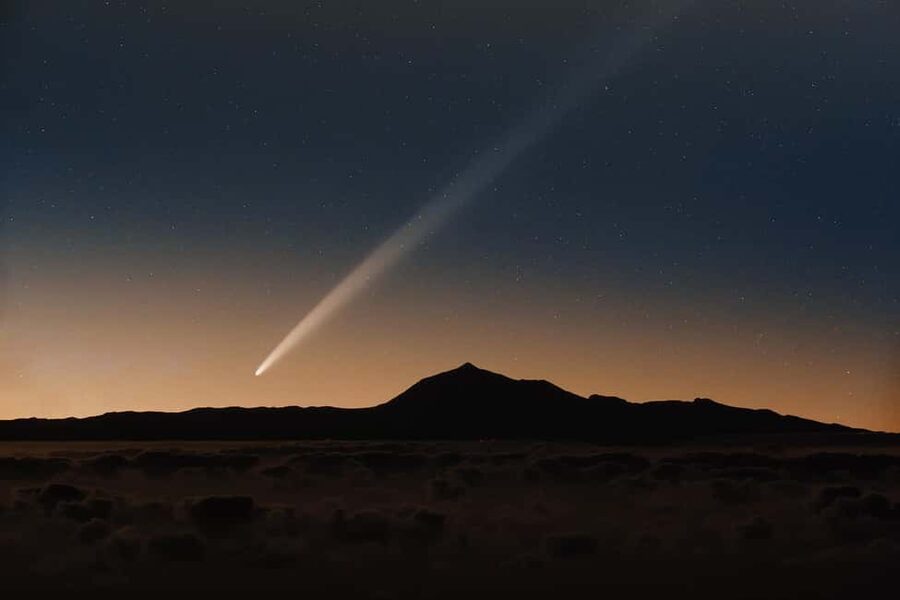
The tour promises outstanding night objects, and the list is specific: nebulas, star groups, planets, and the moon. That variety is what makes guided stargazing worth paying for. A self-guided night can be great, but you often end up finding the same handful of bright targets.
Nebulas are the star of the “wow” factor because they’re often faint and easy to miss with the naked eye. In a telescope, the difference between guessing and actually seeing is huge. Star groups (constellations) add context. You start recognizing patterns instead of just collecting random bright dots.
Planets and the moon tend to be the easier wins. They’re bright targets, and once you see them through a telescope, you understand why this hobby hooks people for life. A guide can also help you understand what you’re looking at in plain terms, so you’re not staring at a fuzzy circle wondering what your mission was.
One extra thing I like about this format: when the guide builds each viewing on the last one, you start to connect the dots faster. In past experiences, guides such as Angelo and Antonio have been praised for using everyday language and keeping explanations connected to what you’re seeing. If your guide uses that approach, you’ll pick up more in an hour than you’d expect.
Cold Weather Reality: Small Groups, Turn-Taking, and Comfort
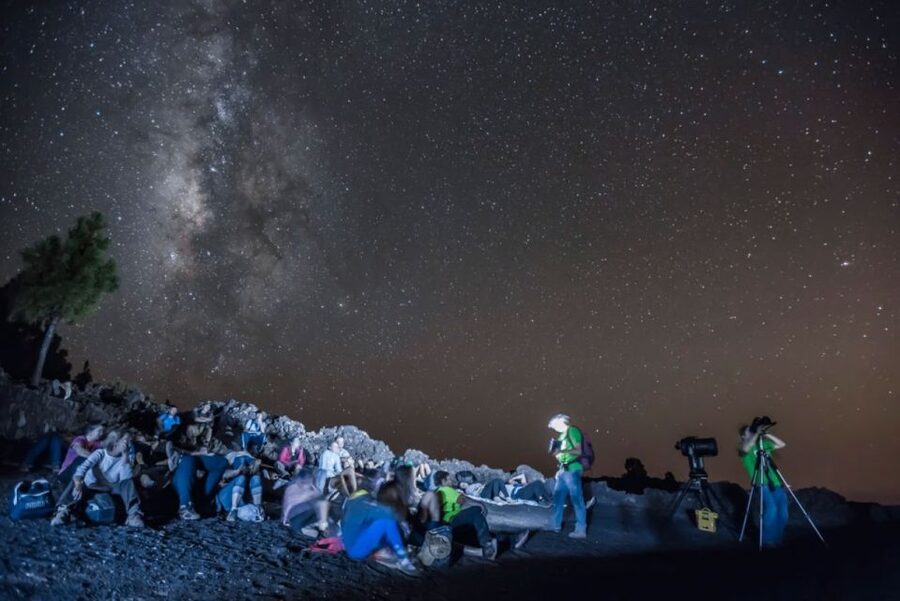
This tour is designed as a small group experience, limited to 10 participants. In ideal cases, that means you can take turns through the telescope without waiting forever. In one account, the group ended up being a bit larger than expected, and it slowed the process of having turns. That’s not a reason to skip the tour—it’s a reason to know that telescope time is the bottleneck.
Now add weather. The tour gives a clear warning: bring very warm clothing. It’s specifically noted that temperatures drop significantly at altitude, and a past winter outing highlighted temps under 5°C as a challenge. Translation: you’ll likely stand still for stretches while you wait your turn, and standing still is when cold gets personal.
My practical advice:
- Bring extra layers, not just a warm coat.
- Include something for your head and hands.
- Consider bringing a small snack or picnic items so you’re not under-fueled in the cold.
- Wear shoes with good grip, because Roque de Los Muchachos is not a place to be slipping around when you’re focused on the sky.
If you go in a season where the sky is less cooperative, you might also get cloudier conditions. The tour does not promise a cloud-free night every single time, so keep your expectations flexible, especially in winter months.
Price and Value: Is $88 Worth It for 90 Minutes?
At $88 per person for about 1.5 hours, this sits in the “premium” category. So the value question isn’t just price. It’s what you’re buying.
You’re paying for:
- A guide who explains what you’re seeing in accessible language
- Telescope use (and help setting it up)
- A location strategy built around above-the-clouds, cleaner-air conditions at altitude
- A structured viewing sequence: nebulas, star groups, planets, and the moon
In other words, you’re not paying only for the telescope. You’re paying for the whole package that turns a potentially confusing night into a guided experience.
Where value can feel weaker is when conditions don’t line up for the group—cold makes it harder to relax, and cloudiness can reduce what you can see. One review also criticized the price as high for the experience in January. They wanted a bit more included (like an entry ticket to the visitor facilities nearby), though the tour itself lists telescope use and guiding as the included items.
My take: this is a good price if you treat it as a sky-focused mission. It becomes a less satisfying deal if you’re the type who hates cold, or if you’re expecting a long night with lots of extra add-ons. If you choose a clearer evening and arrive dressed for winter, the guidance + telescope access makes the cost feel more justified.
Logistics on La Palma: Getting There Without Stress
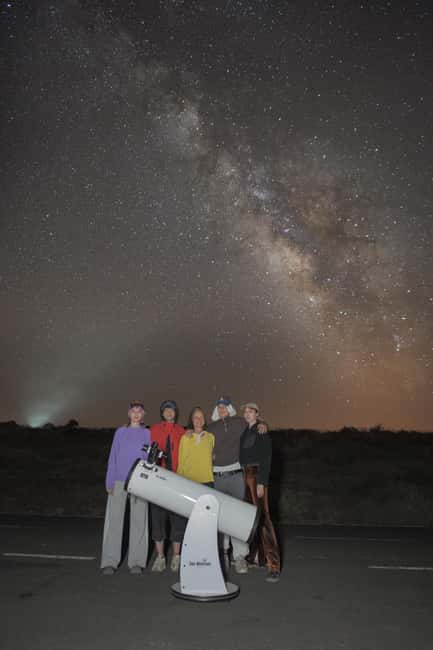
Transport is a big deal here because hotel pickup and drop-off are not included, and the use of a personal vehicle is required. That means you should plan your drive up to the summit zone yourself.
The meeting point is also very specific and helpful:
Roque de Los Muchachos, next to the Visitor Center Parking Lot (Museo Roque de Los Muchachos).
Exact map pin: https://maps.app.goo.gl/BrUj11XNsqQYNAaQ8
Two practical tips that make your night smoother:
- Go up the same day so you can catch the sunset from Roque de Los Muchachos before the stargazing starts. It also helps your brain shift from daytime mode to night mode.
- Do a little acclimatization by taking a short walk or drive around the area so your body adapts to the altitude before the tour begins.
Because you’re driving yourself, you’ll also want to watch the weather around the time of your visit. If clouds roll in, your telescope views may be limited—so plan for flexibility and don’t treat the tour like a sure thing during rough-weather weeks.
Who Should Book This Tour (and Who Might Not Love It)
I’d book this if you fit one of these:
- You’re new to astronomy and want your first telescope experience guided.
- You like learning while you look—especially when the guide turns space into simple, human stories.
- You want a high-altitude stargazing session instead of a lower lookout with more haze and turbulence.
I’d think twice if:
- You’re not comfortable standing outdoors in real winter cold.
- You hate waiting and turn-taking (telescope time is shared).
- You’re expecting a long evening of telescope access. This is 1.5 hours, not an all-night session.
This tour also works well as a couples activity. It’s focused, not crowded, and it gives you a shared “we saw that” moment without needing to know anything about stars beforehand.
Should You Book? My Decision Guide
Book it if you want a structured, high-quality stargazing night at altitude, with telescope time and a guide who helps you understand what you see. The altitude strategy at Roque de Los Muchachos and the telescope setup make this feel like a mission, not a gamble.
Skip or reconsider if cold weather will ruin your mood, or if you’re not ready to handle a shared group experience where telescope turns take time. If you’re visiting in cooler months, treat warm layers like an essential item, not an optional extra.
If your goal is to see planets, nebulas, and the moon through a telescope while learning the stories behind the sky, this tour is a solid match.
FAQ
FAQ
Where does the stargazing tour meet?
You meet at Roque de Los Muchachos, next to the Visitor Center Parking Lot (Museo Roque de Los Muchachos).
How long is the tour?
The tour lasts about 1.5 hours.
Is telescope use included?
Yes. The tour includes use of a telescope plus a guided experience.
Do I need to bring warm clothing?
Yes. You should bring very warm clothing, including a jacket, because temperatures drop significantly at altitude after sunset.
Is hotel pickup included?
No. Hotel pickup and drop-off are not included.
Do I need my own transport?
Yes. Transport is required by personal vehicle, and transport is not provided.
What languages is the tour offered in?
The guide typically speaks English and Spanish.
Can I cancel and get a refund?
Yes. There is free cancellation up to 24 hours in advance for a full refund.
Can I reserve without paying right away?
Yes. You can reserve now and pay later.