REVIEW · VIRGIN RIVER
Stargazing in Zion National Park’s International Dark Sky
Book on Viator →Operated by Stargazing Zion · Bookable on Viator
The sky gets real when the lights go out. Zion’s International Dark Sky area turns a normal evening into a guided look at galaxies, constellations, and the Milky Way. You’ll be taken to a dark-sky field near the park, then led through the night as astronomical twilight settles.
I love the setup: each person gets a body-hugging Yogibo pod, plus blankets, so you can actually relax while you look up for a long time. I also like that the tour is built around hands-on viewing—each guest gets Celestron Outland X binoculars from their pod, then moves on to telescopes with laser pointers guiding you around the sky.
One thing to plan for: this is weather- and darkness-dependent. Even if clouds roll in, the guides can adjust, but you should still expect a bit of cold and wind in the Zion area once the sun goes down.
In This Review
- Quick hits you’ll feel right away
- Zion’s International Dark Sky: why this spot is different
- The short walk to the viewing field near La Verkin
- Yogibo zero-gravity pods and Celestron binoculars: the comfort advantage
- The guide-led sky show: lasers, constellations, and real astronomy time
- Telescope time: what you can see when the sky cooperates
- Cold night reality: comfort gear and small perks that add value
- Price and value: is $199 worth two hours in the dark?
- Who should book this stargazing tour in Zion?
- Make the most of your night: practical tips before you go
- Should you book Stargazing Zion?
Quick hits you’ll feel right away
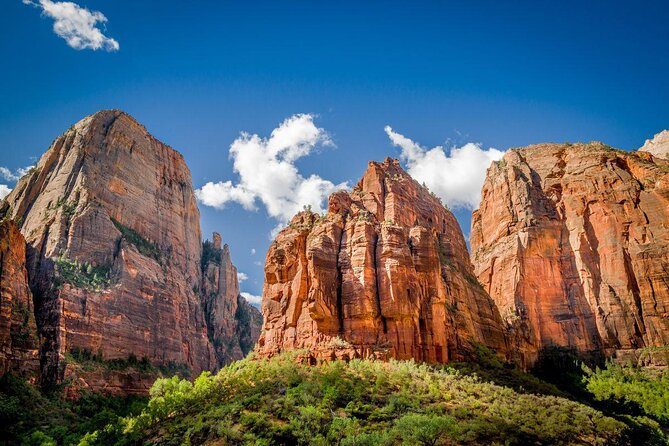
- International Dark Sky location: less light pollution means sharper, more dramatic sky views
- Your own Yogibo pod: zero-gravity lounging that keeps you comfortable and reduces neck strain
- Binoculars at your seat: Celestron Outland X binoculars while you wait for the best sky moments
- Laser-pointer guidance: constellations and targets explained while the sky is still easy to follow
- Big-telescope views: up-close looks at galaxies, nebulae, and clusters when skies cooperate
- Hot drinks and blankets: coffee, tea, and hot chocolate to take the bite out of the evening
Zion’s International Dark Sky: why this spot is different
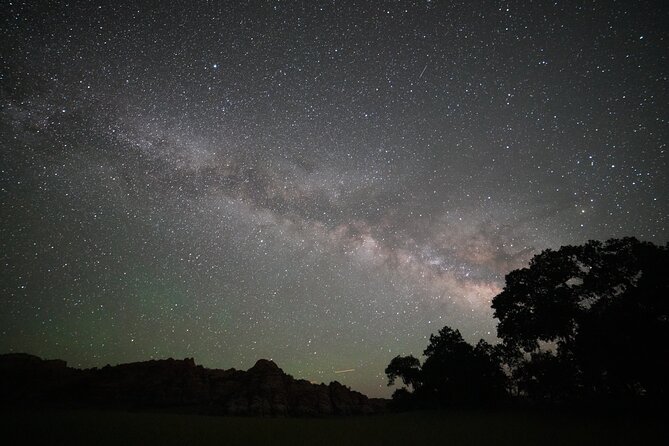
Zion is popular for daytime hiking, but at night it’s the darkness that does the heavy lifting. This tour takes place in an area adjacent to Zion National Park’s newly dedicated International Dark Sky Park, which matters because dark-sky design is all about reducing stray light. In plain terms: the sky shows more. Stars look brighter. Faint objects are easier to find. And the Milky Way looks like something you can actually take in, not just a dim smudge.
You’ll feel the payoff fast. The tour starts with you getting oriented as twilight fades, which is key. Too many stargazing events jump straight to the telescopes without helping you learn where to look. Here, the guides use the sky as a living map while you’re still able to line things up.
The short walk to the viewing field near La Verkin
Your evening begins with a 10-minute walk from the start point to the stargazing area. That’s not a huge trek, so it works as a “get moving” warm-up without turning the night into a hike. It also serves a practical purpose: you’re moving away from brighter pockets of light before you settle in.
The meeting point is listed near La Verkin (use the provided 8V7R+CJ La Verkin coordinates). One useful detail: for exact directions to the site, you provide an email address in the message center. That’s worth doing, because “meet at the coordinates” is fine in theory, but the last stretch of a rural drive is where people lose time.
Also note the tour doesn’t include transportation. If you don’t have a rental car, you’ll need to solve that on your own before booking.
Yogibo zero-gravity pods and Celestron binoculars: the comfort advantage
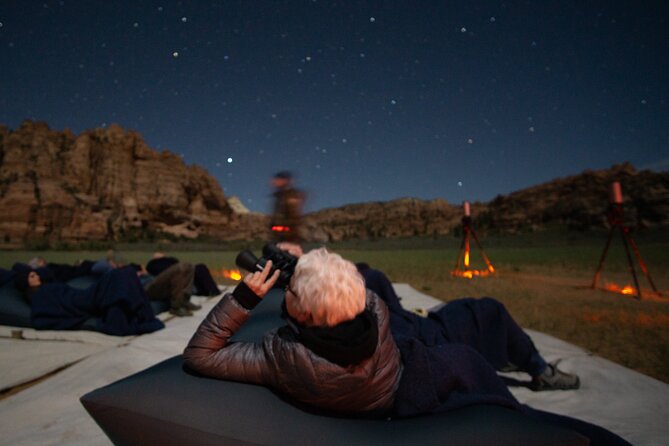
Most stargazing tours ask you to stand around. This one makes you sit—happily. Each guest lounges in their own Yogibo pod. The design is meant to conform to your body, so you’re not constantly readjusting to avoid pressure points. That sounds small until you’re staring at the sky for long enough that your shoulders start plotting a rebellion.
You’ll also have a pair of Celestron Outland X binoculars while you’re lounging. That means you’re not waiting for the “big moment” to start seeing things. Binocular viewing is where you build your eye for what’s in the sky—bright constellations, standout stars, and the early sense of depth that telescopes later amplify.
Blankets and hot drinks add up too. Coffee, tea, and hot chocolate aren’t just a nice touch. They’re how you keep the evening comfortable enough that you can focus on the sky rather than on how chilly your hands feel.
The guide-led sky show: lasers, constellations, and real astronomy time
Once it’s dark enough, your astronomy guides run a structured program—about two hours total. The tone is part lesson, part guided “look here, now look there.” Laser pointers help the guides point out constellations and targets in a way that makes the sky feel less like random dots and more like a chart you can follow.
The guide approach also shows up in how the group experience is managed. Your small group size matters here: the event caps at 18 travelers, so it stays controlled and it’s easier for guides to help people who are still learning what they’re looking at.
You might hear different guide names over time—some recent guides include Matt, Justice (or Justin, depending on the pairing), and Devin. The important part isn’t the name. It’s that the guides are running an organized explanation while also adapting if conditions change. One review highlighted how the guide handled unexpected cloud cover, and that’s a real-life advantage: the sky doesn’t always cooperate on a schedule.
Telescope time: what you can see when the sky cooperates
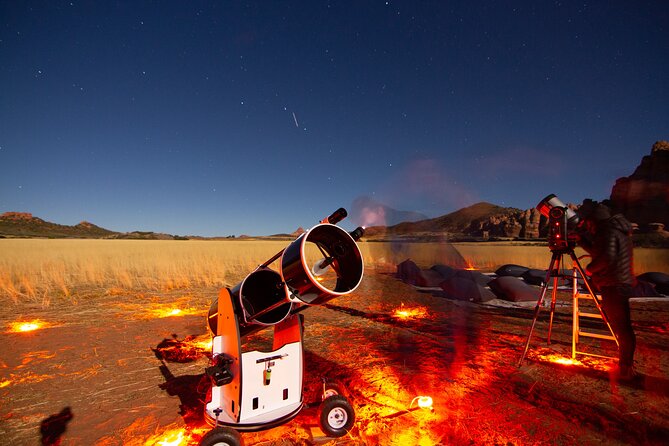
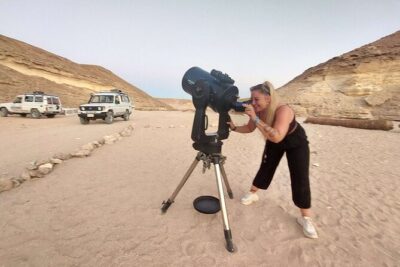
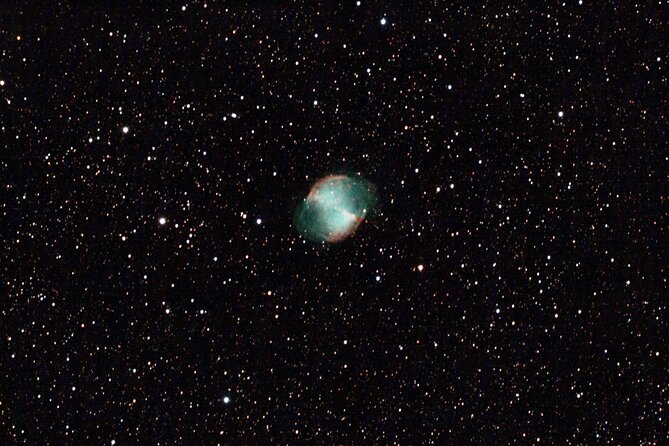
The big payoff of this tour is telescope viewing. You’ll get an up-close look at celestial objects like galaxies, nebulae, and clusters through the tour’s powerful telescopes. This is where dark skies turn “wow” into “wait, I didn’t know it looked like that.”
What you can realistically expect:
- Brighter targets will be easier to spot even if conditions aren’t perfect.
- Fainter targets like nebulae and some galaxy details depend heavily on darkness and clarity.
- If skies are hazy, you may get fewer crisp views, but the guides can often shift focus to what’s visible.
If you’re chasing a specific target, stargazing is humbling. The sky’s mood is never fully in your control. Still, having both binoculars and telescopes gives you a two-step path: you learn the layout first, then you get the “close-up” moments.
Cold night reality: comfort gear and small perks that add value
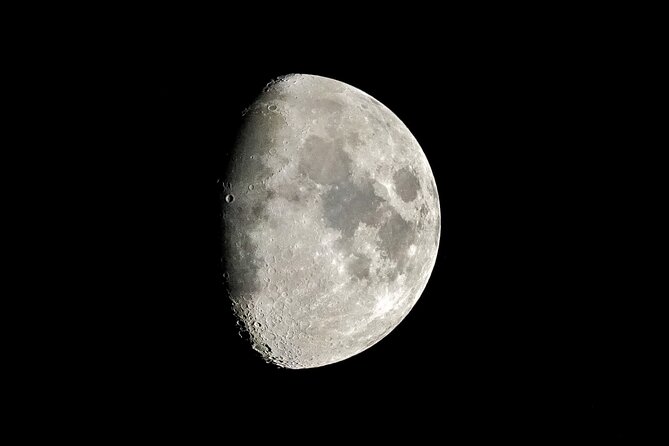
This is an outdoors evening, and the Zion area can cool down fast. One review called out cold and extremely windy conditions in September. Even if you won’t experience the same intensity, it’s smart to treat this as a “bring layers” night.
The included gear helps:
- Blankets in the pods
- Hot beverages so you can warm up between moments
- A seating setup that doesn’t punish you for staying still
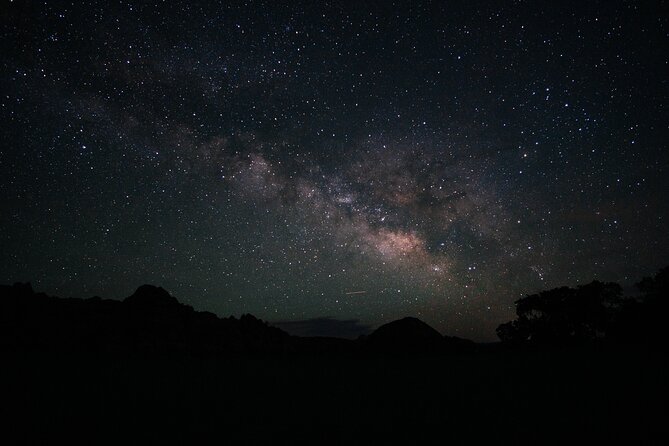
Another small perk with big impact: there’s a chance you’ll receive a photo email from the photographer, including a Milky Way background shot. That’s the kind of souvenir that feels more honest than a generic souvenir shop photo. And because the telescopes are involved, you may get images that show what you saw more clearly than your eyes alone.
Price and value: is $199 worth two hours in the dark?
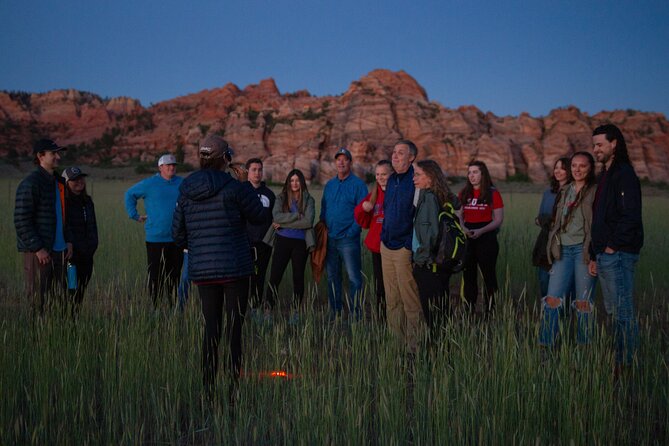
At $199 per person for about two hours, this isn’t a bargain-basement activity. But it’s also not trying to be. You’re paying for a few things that are hard to recreate on your own:
- Guides who lead you to a dark location and run an organized sky program
- Telescopes you likely don’t have access to
- Comfy, individual Yogibo pods instead of crowded bleachers or standing-room-only viewing
- Included extras like blankets and hot drinks
- A small group setting capped at 18 people, which makes the whole experience feel more personal and less chaotic
The biggest practical cost isn’t the ticket—it’s logistics. Since transportation isn’t provided, you’ll want to be sure you can reliably reach the meeting point near La Verkin and return afterward. If you’re driving yourself anyway, the value math improves fast because you’re not adding a second expense just to get there.
Also, this tour tends to sell at a steady clip. On average, people book about 59 days in advance, which tells me demand is real. If Zion is on your trip calendar, don’t wait until the last week to try to grab a spot.
Who should book this stargazing tour in Zion?
This works especially well if you:
- Want to learn your way around the night sky, not just look at it
- Prefer a guided explanation with laser pointers and structured viewing
- Care about comfort enough to choose pods instead of constant standing
- Like a small-group vibe (max 18) where you can ask questions
It may be less ideal if you:
- Want a totally self-guided stargazing session with no instruction
- Can’t stand cold evenings, even with blankets and hot drinks (you can still dress for it, but it’s outdoors)
- Need hotel pickup or transportation included (it’s not part of the tour)
English is listed as the offered language, so if your group needs another language, plan on that constraint before booking.
Make the most of your night: practical tips before you go
Here’s what will help you get better views and a better time:
- Dress for wind and dropping temperatures. Blankets and hot drinks help, but they don’t replace proper layers.
- Arrive ready to sit back and look up. The pod design works best when you let yourself relax rather than constantly adjusting.
- Bring your curiosity. The tour is set up to explain galaxies and constellations as you go, so ask questions when the guide invites them.
- Have a flexible mindset about cloud cover. The guides can adapt when conditions shift, but stargazing is always at the mercy of the sky.
- If you want the Milky Way-style photo, stay engaged during the photo moments. Those are quick beats that are easy to miss if you’re busy adjusting gear.
Should you book Stargazing Zion?
If your idea of a great Zion evening includes dark skies, guided astronomy, and real telescope viewing, this is a strong choice. The biggest reasons are simple: you get a comfortable, individual setup (Yogibo pods), the guidance helps you actually understand what you’re seeing (laser pointers and constellation walkthroughs), and the included equipment makes it worth doing even if you’re not an astronomy nerd.
I’d book it if you want an educational night that still feels relaxed. I’d reconsider it if you’re looking for a budget outing with no logistics and zero outdoor discomfort. But for most people planning Zion for daytime hikes, this fills a perfect gap: a calm, starry counterpart to the trails.