REVIEW · AQABA
Wadi Rum Full Day Jeep Tour – Stargazing Overnight in a Cave – Traditional Food
Book on Viator →Operated by Wadi Rum Desert Dreams · Bookable on Viator
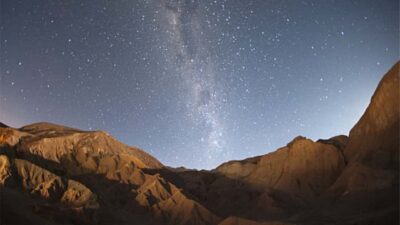
Wadi Rum at night is a whole different world. This small-group jeep tour plus a remote cave stargazing overnight turns a long day of desert stops into an unforgettable night under real skies. I especially love how the itinerary mixes big-name sights with quieter places like narrow canyons and the White Desert transition, so the scenery never feels repetitive.
My other favorite part is the food setup: lunch and dinner are cooked in the desert, and you get breakfast the next morning right where you sleep outside. The main thing to think about is comfort: you’ll be sleeping outdoors in a cave area, and the desert can get chilly, so pack for warmth even if it looks hot during the day.
In This Review
- Key Points I’d Prioritize
- Two Days in Wadi Rum: What You’re Really Getting for $123.76
- Meeting Point at Wadi Rum Village: Starting at 10:00am
- Day 1 Jeep Route: Springs, Canyons, Dunes, and Lawrence Sites
- Lawrence’s Spring: The Oasis Stop That Feels Like a Movie Set
- Khazali Canyon: Rock Inscriptions and Caravan Echoes
- Red Sand Dune Climb: The One That Looks Easy Until You’re In It
- Little Bridge and Umm Fruth Rock Bridge: The Photos Are the Point
- Traditional Lunch: Cooked Outside With a View
- Abu Khashaba Canyon: A Peaceful Walk Through Green Contrasts
- Lawrence’s House: Stone Piles and Big Sky Views
- White Desert Transition: A Different World Without the Crowds
- Mushroom Rock: Fun Shapes and Extra Shade
- Burdah Rock Bridge: Admire Now, Hike Later if You Want
- Sunset Viewpoint: Tea by Fire as the Sky Turns
- Day 2 Cave Night: Breakfast, Sunrise, and Stargazing Sleep Setup
- Practical Tips That Make the Day Smoother
- Wear for Sand, Not Pavement
- Bring Warm Layers for the Cave Night
- Expect a Mix of Sitting and Short Walking
- Don’t Rush Photos at Bridge Stops
- Keep Cash/Payment Needs in Mind
- Who This Tour Suits Best (And Who Might Feel Frustrated)
- Should You Book This Wadi Rum Jeep + Cave Stargazing Overnight?
- FAQ
- What time does the tour start and where do I meet?
- How long is the tour?
- What’s included in the price?
- What meals are provided?
- Is a Visitors Center transfer included?
- How big is the group?
Key Points I’d Prioritize
- Small group (max 15) for less waiting and easier guide attention on the stops
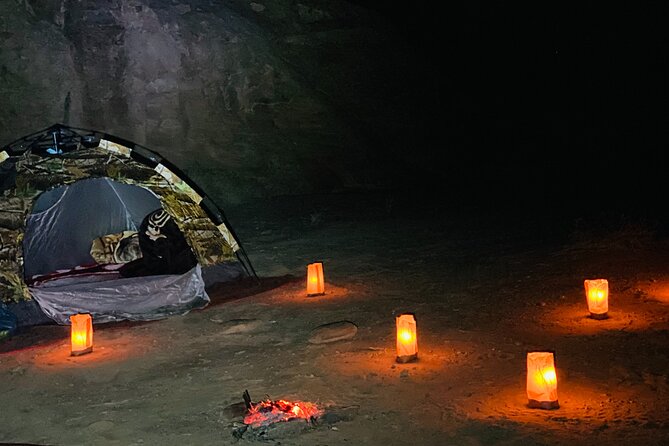
- Overnight in a cave outside with mattress and blankets for stargazing-friendly sleeping
- Full meals included: lunch, dinner, breakfast, plus tea and bottled water
- Major photo moments at Umm Fruth Rock Bridge and multiple rock-bridge viewpoints
- A mix of walking and climbing from short canyon walks to softer-sand dune climbs
- Sunset tea viewpoint with a fire and a long, unhurried desert pause
Two Days in Wadi Rum: What You’re Really Getting for $123.76
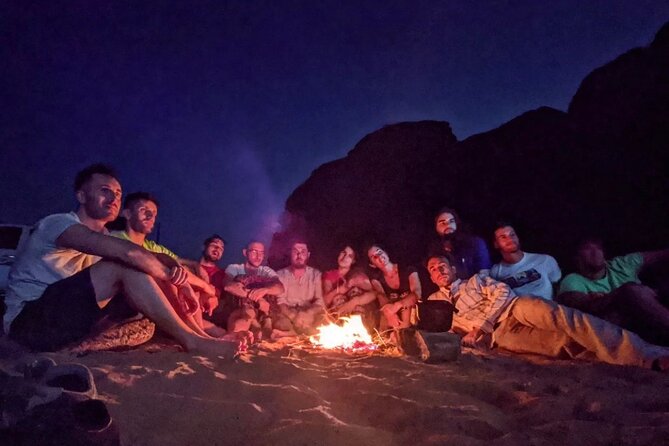
At $123.76 per person, this isn’t the “cheapest possible” way to see Wadi Rum. But it also isn’t just a ride. You’re paying for a structured route through the protected area, guided stops at multiple natural and cultural sites, all meals, and the overnight setup (mattress, blankets) for sleeping outside near a remote cave.
What makes the value feel right is that you’re not doing logistics yourself. You start at the Wadi Rum Rest House in the village, you’re back there at the end, and you’re covered for the desert portion with transfers. For many people, that’s the real cost saver: less time sorting transport, less guessing where to eat, and more time actually seeing the place.
The other value point: timing. You’ll catch both sunset and sunrise conditions, which is when Wadi Rum turns from “pretty” into “how is this real?” The tour is also weather-dependent, because stargazing depends on it—so if conditions are poor, you’ll be offered a different date or a full refund.
You can also read our reviews of more tours and experiences in Aqaba.

Meeting Point at Wadi Rum Village: Starting at 10:00am
You meet at the Wadi Rum Rest House in Wadi Rum Village, and the tour typically kicks off around 10:00am. It’s a practical start: once you enter the village, the rest house sits just to the right, and you’ll find a supermarket and souvenir shop nearby. That matters because you might want water or small extras before the jeep leaves.
When everyone is checked in and welcomed by the guide, you head out. The small-group size (maximum 15 travelers) means you’re usually not stuck in a long line of jeeps waiting for stragglers. Still, arrive a few minutes early so you don’t start the desert day stressed.
Also note the meeting/end rhythm: you’ll return to the same meeting point. If you’re planning your Aqaba stay afterward, this helps you plan without weird “drop-off in the middle of nowhere” surprises.
Day 1 Jeep Route: Springs, Canyons, Dunes, and Lawrence Sites
Day 1 is the full Wadi Rum circuit day. It’s a long one, but it’s paced with stops that each change the scene: water, rock inscriptions, desert walking, bridges, a cooked lunch, then Lawrence’s cultural sites and a transition toward white sand.
The jeep travel is part of the experience—not just transport—because Wadi Rum’s scale is hard to grasp until you’re rolling across it. The guide drives, you scan the horizon for the next stop, and when you get out, the walk is short enough to stay fun but varied enough to feel like you’re earning the views.
Lawrence’s Spring: The Oasis Stop That Feels Like a Movie Set
One of the first stops is Lawrence Spring, a natural water source where cool water runs down the mountains. It’s a real oasis pocket with small trees, green moss, and a vibe that’s worlds apart from the surrounding sand.
Two reasons this stop is worth it:
- It gives you something concrete to compare the desert against—water changes everything.
- You can relax and watch camels as they come around, and you can also climb for wider views and Thamudic inscriptions.
Time here is about 30 minutes. That’s enough to breathe, take photos, and decide if you want the climb or prefer to stay low and soak up the quiet.
Khazali Canyon: Rock Inscriptions and Caravan Echoes
Next up is Jebel Khazali, stopping for a canyon walk between split mountains. This is one of those places where you notice the “human layer” in Wadi Rum: merchant and pilgrimage traces, plus inscriptions you can spot with the right guidance.
You’ll see:
- Thamudic, Nabatean, and Islamic inscriptions
- petroglyphs of humans, animals, and even soles of feet
- a series of basins deeper in
The walk is about 30 minutes. It’s not about speed; it’s about slowing down enough to see the marks along the canyon walls.
Red Sand Dune Climb: The One That Looks Easy Until You’re In It
The tour hits the famous red sand dune, about an hour of time at the stop. From a distance it looks like a simple climb. Up close, it’s soft and tiring. That’s also why it’s fun: you’ll work a bit, the locals tend to move easily, and the top reward is a panoramic view of the valley.
For descending, the guide may encourage running or sandboarding—and that’s a great “you’re really in the desert now” moment. Just remember: soft sand drains energy. Wear shoes you trust, and don’t plan on climbing like it’s a hiking trail.
Little Bridge and Umm Fruth Rock Bridge: The Photos Are the Point
After the dune, you get two very different bridge stops.
At Little Bridge, the climb is short—just a few meters high—but the view is impressive and photo-friendly. It’s also easier for families or anyone who doesn’t want a bigger scramble. You’ll likely end up back down with time to enjoy a cup of sweet tea in a Bedouin tent, with chances to relax and shop for souvenirs.
Then there’s Umm Fruth Rock Bridge, the big one for photos. It’s about a 15-meter-high bridge, and it’s mostly your chance to get a dramatic picture with the “wow” factor. The guide stays on the ground, then takes your camera/phone and helps you get up. There are small holes built into the rock to make it easier for tourists to climb.
It’s still a climb—so if you’re not steady on your feet, take it slow and choose your pace. The pay-off is that signature bridge composition from on top.
Traditional Lunch: Cooked Outside With a View
Lunch is a highlight for me because it’s not just “included.” You stop at a scenic spot and the guide prepares a traditional Bedouin meal cooked outside on the fire. The menu changes daily, but the tour focuses on warm, simple comfort foods like vegetables, bread, hummus, yogurt, and other local treats.
You get about an hour here. That’s long enough to eat, plus either:
- explore nearby with a short hike, or
- just sit and watch the desert shift colors as the day moves on
This is also where the small-group format helps. You’re not herded through a buffet line. You’re sitting in the desert while someone cooks. That makes the meal feel like part of the day instead of a break from it.
Abu Khashaba Canyon: A Peaceful Walk Through Green Contrasts
After lunch, you head to Abu Khashaba Canyon for a walk in a deep, narrow valley. This one often surprises people because there’s more green here than you’d expect in Wadi Rum.
You’ll walk about 30 to 45 minutes, surrounded by tall rock walls with birds chirping. Locals have hung bottles to collect rainwater, giving birds a water source—so the area feels like a calm pocket rather than a “dead” desert.
Your guide picks you up on the other side, so you’re not stuck backtracking.
Lawrence’s House: Stone Piles and Big Sky Views
Next is Lawrence’s House, an important stop tied to the region’s caravan history. Nabateans laid foundations over 2000 years ago as a caravan stop. It later became known as Lawrence’s House due to the story of T.E. Lawrence.
You’ll climb up, and you’ll notice countless piles of stones. Bedouins stacked stones as road markings, and from the top you get long sightlines into the desert plain—perfect for photos and for that “this place feels ancient” feeling.
Time is about 30 minutes. Short climb, strong payoff.
White Desert Transition: A Different World Without the Crowds
Then comes the White Desert area, where the scenery shifts from red sand and famous rock tones into something much paler. The tour notes that it’s less heavily visited by tourists, which can mean you’re more likely to spot wildlife and flora you might miss elsewhere.
You’ll have about 30 minutes. This stop is great for people who like variety: you’re looking at a visible transition from the red desert to white sand, plus changes in rock formations and even the feel of the terrain.
Mushroom Rock: Fun Shapes and Extra Shade
Mushroom Rock is a short stop with a playful subject: a rock formation shaped by years of erosion where the lower part wore out faster than the top.
It’s a fun photo stop, but it’s also useful because it can give a bit of shelter while you rest. Bedouins have historically used formations like this to take cover during hot desert walking.
Burdah Rock Bridge: Admire Now, Hike Later if You Want
At Burdah Rock Bridge, the tour makes a stop close by so you can admire it from a distance. The guide explains that a full climb to reach the bridge can take up to four hours and is not included in this jeep tour (it’s available as a hiking tour or by request).
This is smart planning. You get the dramatic view without committing to a long hike on the same day.
Sunset Viewpoint: Tea by Fire as the Sky Turns
The day finishes at a sunset viewpoint with about an hour there. The tour takes you to a secluded area with panoramic desert views as the sun drops.
While you watch, the guide prepares sweet Bedouin tea on the fire. You’ll sit on a mattress or in the sand. This is the moment that makes the previous driving and stops feel worth it: the whole day slows down into one of those “just sit and let it happen” desert scenes.
Day 2 Cave Night: Breakfast, Sunrise, and Stargazing Sleep Setup
Day 2 starts with an outside cave wake-up. You’ll enjoy breakfast with sunrise views—breakfast is typically served around 7:00 to 8:00am.
The important part for comfort and stargazing:
- you’re provided mattress and blankets
- you’re sleeping outside a remote cave area
- dinner and breakfast are included, so you aren’t hunting for food after sunset
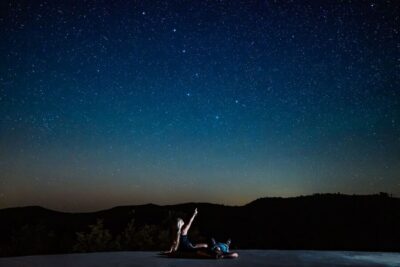
Stargazing depends heavily on weather. That’s why the tour mentions it requires good conditions. If the sky clears, this overnight makes Wadi Rum feel like a “real” astronomy experience rather than a casual nighttime stroll.
Also, for an honest expectation: it’s still outdoors. You might hear noises from nearby animals or dogs in the night, and in the dark those sounds can feel dramatic. It’s part of sleeping in the desert—bring earplugs if you’re a light sleeper.
After breakfast, you’ll be dropped back at the Wadi Rum Rest House in the village around 9:00am (typically about 30 minutes).
Practical Tips That Make the Day Smoother
Here’s how to get the most out of this tour without overthinking it.
Wear for Sand, Not Pavement
Bring shoes that handle soft sand and uneven ground. A dune climb isn’t technical, but it’s still a workout because the sand sinks under you. On rock bridges like Umm Fruth, take the climb slowly. If you’re nervous about heights, tell your guide and move at your own pace.
Bring Warm Layers for the Cave Night
Daytime can feel hot, but nighttime outdoors can cool down fast. You’ll have blankets, but layering helps. Think a light jacket or warmer layer you can put on when the night air settles.
Expect a Mix of Sitting and Short Walking
The stops include short museum-like moments (inscriptions), photo climbs, and short canyon walks. Plan on moderate effort. The tour specifically notes you should have moderate physical fitness.
Don’t Rush Photos at Bridge Stops
At Umm Fruth, your guide helps with positioning for photos and takes your phone/camera while you climb. Give yourself extra seconds to settle your stance and follow instructions. It’ll save time and keep things calm.
Keep Cash/Payment Needs in Mind
The tour notes that a Visitors Center transfer isn’t included and can be booked extra for 10 JOD. If you’re arriving to the area needing that segment, factor it into your planning so you’re not scrambling.
Who This Tour Suits Best (And Who Might Feel Frustrated)
This is a strong match if you want:
- a structured day in the desert without figuring out routes yourself
- real meals cooked on-site, not just snacks
- an overnight that’s made for stargazing
- photo stops at iconic bridges and rock formations
You might feel less thrilled if you:
- hate sleeping outdoors, even with mattress and blankets
- need everything to be fully paved and flat
- prefer a shorter day with fewer stops and more downtime
- are extremely sensitive to nighttime sounds outdoors
It’s also a good pick for couples and small groups of friends who want the freedom of a max 15 group without paying for a private tour.
Should You Book This Wadi Rum Jeep + Cave Stargazing Overnight?
I’d book it if your goal is to see Wadi Rum in full story mode: jeeps by day, tea at sunset, sleep outside near a cave, then breakfast in the early light. The combination of stops—Lawrence Spring, Khazali Canyon, the dunes, multiple rock bridges, White Desert, and Lawrence’s House—gives you variety that feels like more than a highlight reel.
If you’re choosing between a quick day tour and an overnight, the overnight is the differentiator. Daytime views are great. But the reason people remember Wadi Rum is usually the sky at night and the quiet after everyone else leaves.
If the weather is questionable, keep flexible plans in mind, because stargazing depends on it and the tour may adjust.
FAQ
What time does the tour start and where do I meet?
The tour starts at 10:00am and you meet at the Wadi Rum Rest House in Wadi Rum Village. The experience ends back at the same meeting point.
How long is the tour?
It runs for about 2 days.
What’s included in the price?
The tour includes lunch, dinner, breakfast, tea, bottled water, an overnight in a cave outside, sleeping gear (mattress and blankets), and transfer to/from Wadi Rum Village.
What meals are provided?
You get lunch and dinner on day 1, plus breakfast on day 2, along with tea and bottled water.
Is a Visitors Center transfer included?
No. The Visitors Center transfer isn’t included and can be booked extra for 10 JOD.
How big is the group?
This experience has a maximum of 15 travelers.