REVIEW · ISHIGAKI
【March-June】Private Firefly Viewing & Stargazing tour
Book on Viator →Operated by 石垣島プライベートツアー ベタ凪 · Bookable on Viator
Yaeyama himebotaru fireflies light up for a short, specific window—then the sky steals the show. This March–June private tour in Ishigaki, Japan pairs prime firefly viewing with stargazing in one of the island’s best dark-sky areas.
I especially like two things: the tight timing that matches the fireflies’ real activity, and the way the night sky gets explained by an official local guide with a laser pointer. The result is not just pretty photos—it’s a real sense of place, from the glowing ground-level rhythm to the constellations overhead.
One consideration: the experience depends on weather, and the fireflies’ peak viewing is brief. If clouds move in or conditions are off, you’ll still get guidance—but the sky and lights may not hit as strongly.
In This Review
- Key Highlights at a Glance
- Why Ishigaki’s Dark Sky Reserve Changes the Stargazing Game
- March–June Timing: the Tour’s Real Superpower
- Mount Omoto Fireflies: What Makes the Viewing Special
- Banna Park Stargazing with a Laser Pointer Guide
- Private Tour Logistics: Pickup, Timing, and Not Wasting Night Hours
- Price and Value: What $248 Really Covers
- Who Should Book This Firefly + Stars Tour (and Who Might Skip)
- Quick FAQ About Yaeyama Himebotaru Fireflies and Dark-Sky Stargazing
- FAQ
- When can I see the Yaeyama himebotaru fireflies?
- How long is the tour?
- Is this a private tour?
- Do I get pickup and transportation?
- What happens after the firefly viewing?
- Is admission included?
- Is good weather required?
- Should You Book This Tour?
Key Highlights at a Glance
- Private, small-group feel (minimum 2 participants) so you’re not sharing the moment with strangers.
- Mount Omoto at the right time for Yaeyama himebotaru fireflies, which show best for about 30 minutes after sunset.
- April–June only visibility window—the viewing season is specific, so plan around it.
- Banna Park stargazing in the Dark Sky Reserve with an official Ishigaki City guide pointing out constellations.
- Guide adaptability to temperature and humidity, helping choose the best viewing location each night.
- Round-trip transportation and pickup offered, so you spend less time figuring out the logistics of a night tour.
Why Ishigaki’s Dark Sky Reserve Changes the Stargazing Game
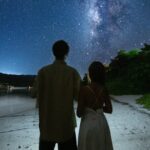
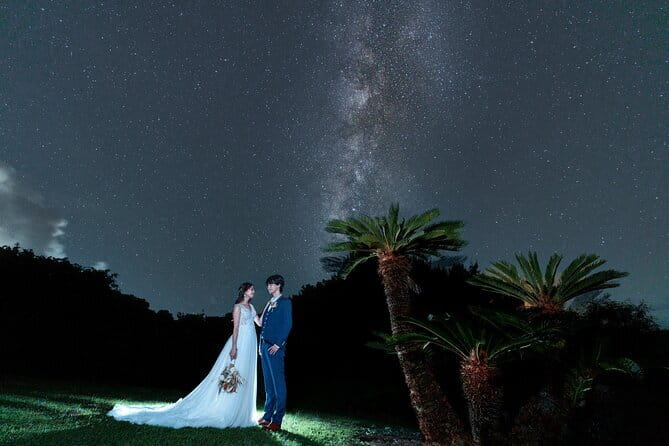
If you care about stargazing, Ishigaki is a smarter pick than many other places—because it’s tied to dark-sky protection. This tour leans into that with a post-firefly stargazing stop at Banna Park, framed around the idea that you’ll actually see the night sky clearly enough to make sense of it.
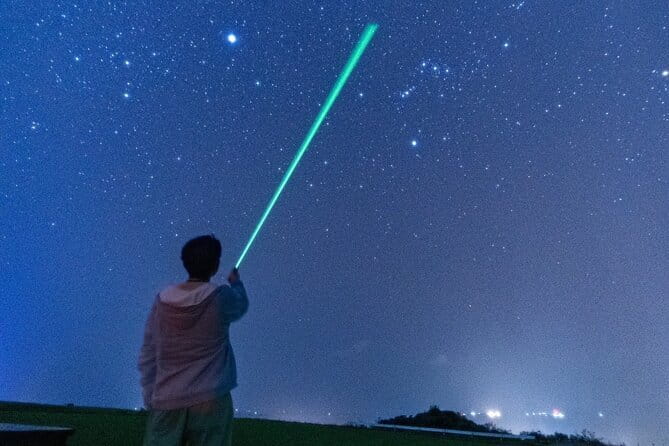
What makes that valuable is not just the darkness. It’s the explanations you get while you look. An official Ishigaki City guide uses a laser pointer to help you trace constellations, so you’re not just staring up and guessing. You’ll likely get more enjoyment, even if you’re not a “serious astronomy” person.
And since you’re doing this right after the fireflies, the contrast hits hard: glowing insects on land, then the big scale of the sky.
You can also read our reviews of more tours and experiences in Ishigaki.
March–June Timing: the Tour’s Real Superpower
This tour runs when the fireflies are actually available: April to June (with the broader tour season listed as March–June). The key detail is that the fireflies aren’t a long, all-night event. They’re active for about 30 minutes after sunset at the best viewing times.
That timing matters because firefly watching is one of those activities where being a little late can cost you the main show. A private tour format helps here: you’re not stuck waiting for a bus full of schedules. The guide can focus on your group and move when it makes sense.
You also want to think about the second half: stargazing. Even in perfect conditions, it’s still weather dependent. Clear skies make constellations pop; cloud cover can soften the experience. This tour is designed around the reality that you’re watching a natural event, not a controlled light show.
Mount Omoto Fireflies: What Makes the Viewing Special
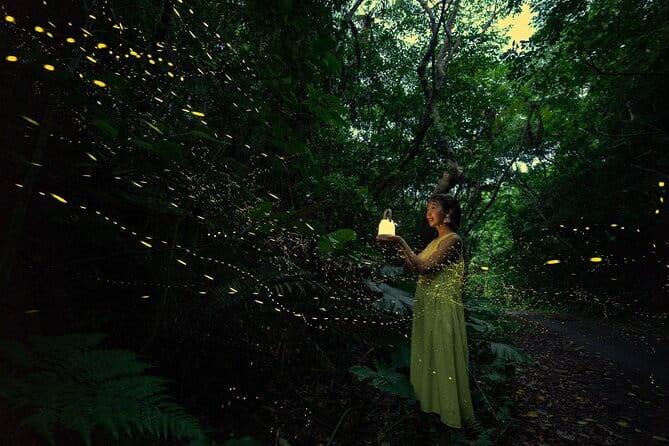
Your first stop is Mount Omoto, where you’re set up for Yaeyama himebotaru fireflies. These are described as rare fireflies that emit bright, rhythmic light. In other words: it’s not a random blink—it feels more like a pattern you can start to notice as the minutes pass.
Here’s what I’d plan around:
- The best activity is only about 30 minutes after sunset.
- The viewing window is seasonal, so you want the right months, not just the right day.
- The locations that work best can shift with conditions, because temperature and humidity affect visibility.
Your guide helps with exactly that last part. When conditions change, the guide chooses the best spot for that night. This is a big deal because areas for fireflies are limited. Joining a tour is usually the only practical way to access the right viewing area at the right time without guessing.
There’s also a mental trick that the Mount Omoto setup plays on you. When the fireflies start up, it can feel like the dark itself is turning into light—so dense that it’s hard to count. That kind of moment is why people remember this tour, not just because it’s scenic, but because the effect is so complete.
Admission is free for this stop, which helps keep the “what you’re paying for” focused on the experience, not ticket add-ons.
Best takeaway: if you want a night where you actually feel the season alive, Mount Omoto is doing the heavy lifting.
Banna Park Stargazing with a Laser Pointer Guide
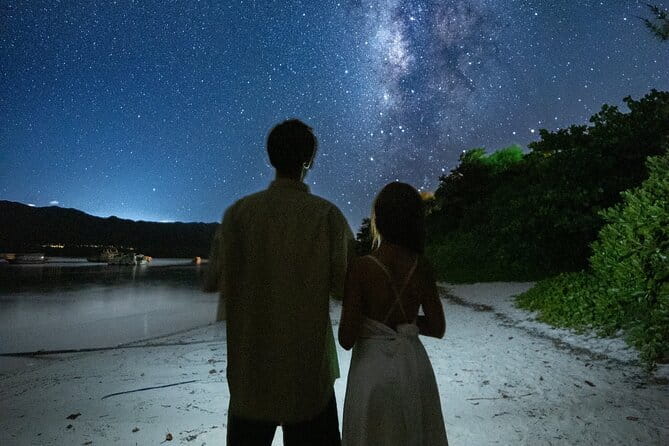
After the fireflies, the tour shifts to stargazing at Banna Park. This is the part that earns the “dark sky” label, because it’s meant for real viewing—not just a quick look and move on.
The stargazing session is about 20 minutes, which sounds short until you realize something important: constellations are easiest to learn when you get guided attention instead of guessing for an hour. With a laser pointer, the guide can show you where to look, how patterns connect, and how the sky changes with your position.
In the experience style here, the guide is part teacher, part night navigator. One of the most useful details is that the constellations change depending on the season. So if you come in a different month, the same sky won’t teach you the same lesson.
The other factor is weather. Since this half depends on sky conditions, you’ll get your best outcome when the evening is clear. If the sky is hazy, you may still enjoy the guidance, but the stars you can pick out may be fewer.
Bottom line: Banna Park turns stargazing from a vague activity into something you can actually follow in real time.
Private Tour Logistics: Pickup, Timing, and Not Wasting Night Hours
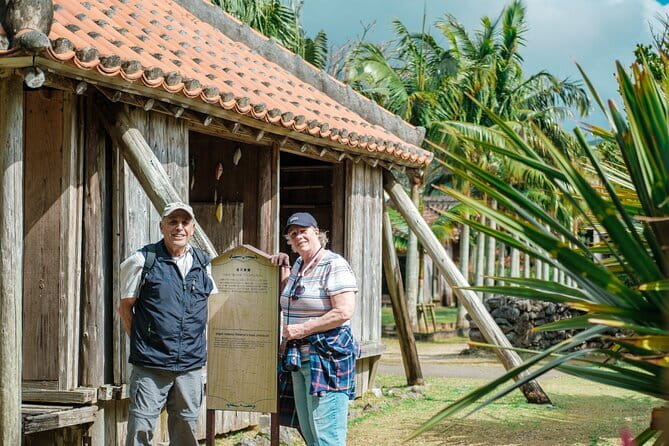
Night tours can be a pain if you’re doing them solo—transport is awkward, timing is tight, and you’re juggling dark roads. This one is built to reduce that stress.
You get round-trip transportation, and pickup is offered, which matters because you’ll be traveling before sunset and then moving again afterward. A pickup-first plan also helps you stay on schedule for the fireflies, when minutes are everything.
It’s also a private tour, so you only share the experience with your group. The minimum number of participants is 2, which is worth knowing if you’re traveling as a solo and hoping to “just join.” If you’re two people, the private format can feel like a good value compared with paying for multiple separate activities.
One more helpful note: the tour is described as near public transportation and allows service animals. That doesn’t tell you everything about comfort or access, but it does mean the provider considered practical needs.
Price and Value: What $248 Really Covers
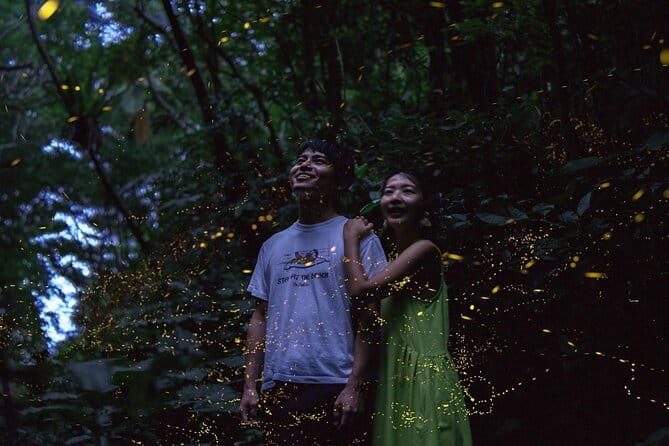
At $248, this tour isn’t “cheap.” But for a private night experience with transportation, two guided segments, and seasonal firefly viewing, it’s easier to justify.
Here’s where the value comes from:
- You’re paying for the timing and placement, not just for looking at bugs and stars.
- The firefly window is only about 30 minutes after sunset, so the guide’s ability to pick the right spot for that night matters.
- You get two locations connected in one flow: Mount Omoto for fireflies and Banna Park for stargazing.
- You also get guided explanation with a laser pointer, which makes the stargazing time more meaningful than a short free-for-all.
Also, admission is free for both stops listed (Mount Omoto and Banna Park tickets). That means the price is largely about the guide, the scheduling, and getting you to the right viewing areas instead of stacking extra charges.
If you compare this to the cost of taxis plus the time it takes to find a good stargazing spot on your own, the private format starts to look less like an indulgence and more like “buying back your evening.”
Who Should Book This Firefly + Stars Tour (and Who Might Skip)
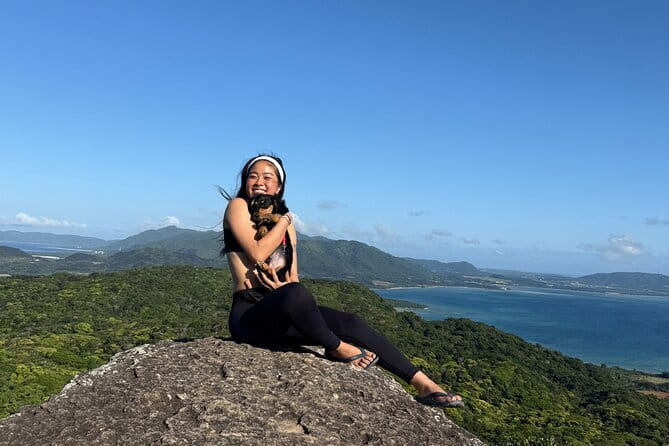
This tour makes the most sense if you:
- Want a spring night activity that’s truly seasonal (April–June).
- Care about guided stargazing, not just scenic darkness.
- Prefer private scheduling so you’re not stuck waiting on others during the short firefly window.
It’s also a good match if you’re traveling with someone who enjoys nature effects—because fireflies can be more impressive in person than in photos. And when the sky is clear, you get that two-part payoff: glowing insects, then clean star patterns you can follow with help.
You might think twice if:
- Your trip timing is outside the firefly season. If the months are wrong, the core attraction isn’t there.
- You’re hoping for guaranteed stargazing. The sky is weather dependent, and cloudy conditions can reduce star visibility.
One nice touch from the experience style: the guide you’re working with is described as friendly, helpful, and fluent in English (and one guide named Saito was specifically mentioned as knowledgeable and friendly). That’s the kind of detail that makes a tour feel smoother when you don’t want language barriers at night.
Quick FAQ About Yaeyama Himebotaru Fireflies and Dark-Sky Stargazing

FAQ
When can I see the Yaeyama himebotaru fireflies?
You can see the fireflies during April to June. They’re only active for about 30 minutes after sunset, so timing within the evening matters.
How long is the tour?
The tour lasts about 2 hours.
Is this a private tour?
Yes. It’s a private tour/activity, meaning only your group participates. There’s a stated minimum of 2 participants.
Do I get pickup and transportation?
Yes. Pickup is offered, and the experience includes round-trip transportation.
What happens after the firefly viewing?
After Mount Omoto, you move to an open area at Banna Park for stargazing. An official Ishigaki City guide explains constellations using a laser pointer.
Is admission included?
For the listed stops, admission tickets are free.
Is good weather required?
Yes. The experience requires good weather. If it’s canceled due to poor weather, you’ll be offered a different date or a full refund.
Should You Book This Tour?
If you’re in Ishigaki during April to June and you want a night that combines a short, real firefly show with guided stargazing in a Dark Sky Reserve setting, I’d book it. The private format plus transportation helps you stay on schedule for the brief firefly activity window, which is the make-or-break factor.
Pick it especially if you value structure: a guide helping you choose the best spot based on conditions, then a laser-guided stargazing session you can actually follow. The only reason not to is timing (outside the season) or if you’re unlikely to get a clear night—but that’s also why having a tour plan beats rolling the dice on your own.