REVIEW · AUCKLAND
Nocturnal Wonders Tawharanui Kiwi Spotting and Stargazing Tour
Book on Viator →Operated by Social Nature Movement · Bookable on Viator
Night has its own kind of wildlife.
This small-group Tawharanui tour takes you into the park after dark, when nocturnal birds and other creatures are active and the sky turns properly star-filled. I like the focus on kiwi tracking during twilight, not just a quick drive-by search, and I also like that the stargazing is built into the same outing at a site chosen to cut down city light glare. One thing to consider: you’re heading out in darkness and the experience depends on good night conditions, so timing and animal sightings can never be 100% guaranteed.
The setup is friendly and question-friendly, with a maximum of 10 people so you’re not lost in the crowd. I also appreciate the optional upgrade to glamping tents if you want to stay longer, even though campsite fees aren’t included. The only possible drawback is simple: the tour is about 3 hours, so you’ll leave wanting more night-time nature than you can fit in one session.
In This Review
- Key things that make this tour worth your time
- Why Tawharanui at night turns the park into a real adventure
- The small-group setup that makes asking questions actually work
- Kiwi discovery in twilight: what you’re really doing out there
- Stargazing at a park site chosen for the stars
- Walking in the bush: up close with nature, without pretending it’s easy
- Glamping tents are optional, but campsite fees are on you
- Price and value: $93.09 for a guide-led night with equipment
- Timing and meeting point: where the night starts and ends
- Weather matters more than you think
- What your night might look like, based on the tour’s strongest moments
- Who should book this kiwi spotting and stargazing tour
- Should you book Nocturnal Wonders at Tawharanui
- FAQ
- How long is the Nocturnal Wonders Tawharanui tour?
- Where does the tour start and end?
- What is the group size?
- What do I get during the stargazing portion?
- Does the tour include admission tickets?
- Are the glamping tent and campsite fees included?
- What is the cancellation policy?
Key things that make this tour worth your time
- Small group size (max 10) means more Q&A and easier wildlife spotting
- Twilight kiwi discovery focuses on finding traces and learning how to read the bush
- Telescopes and binoculars are provided for planets, constellations, and the big sky
- Indigenous astronomy stories connect what you see up top with meaning below
- A walking approach gets you closer to the park’s living systems than drive-through tours
- Optional glamping lets you extend the night with park-side comfort
Why Tawharanui at night turns the park into a real adventure
Tawharanui Regional Park is already known as a strong North Island nature stop, with dramatic coastlines and lots of species. But most visits happen by daylight, when your best views are usually of plants, birds you can spot easily, and scenery you can photograph without thinking.
Doing it at night changes the whole rhythm. You shift from sightseeing to searching: you’re listening, scanning, and paying attention to tiny signs that something is moving when it should be hardest to find. That matters for kiwi spotting, because the North Island brown kiwi doesn’t act like a theme-park attraction. It’s about timing, subtlety, and having a guide who knows what “trace” looks like.
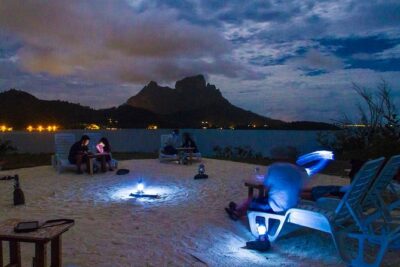
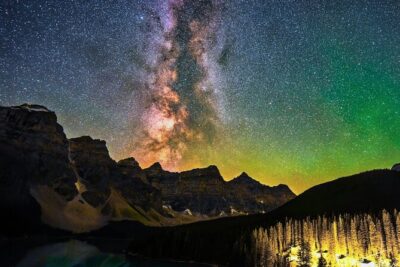
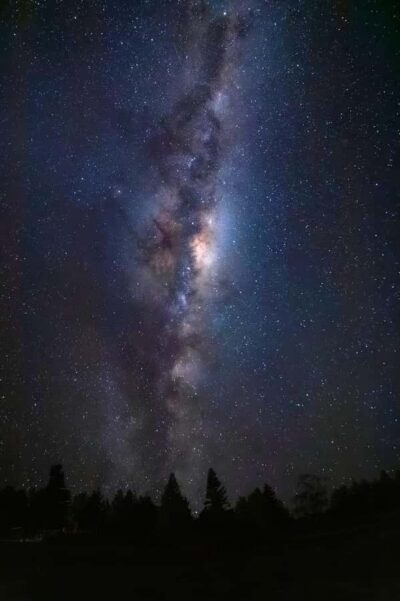
Then you get the second half: the sky. The stargazing part isn’t tacked on as an afterthought. It’s at a secluded location inside the park, so you can actually see the stars without them getting washed out. If you’ve ever looked up from the city and felt like you were seeing the idea of stars, this is the fix.
You can also read our reviews of more tours and experiences in Auckland.
The small-group setup that makes asking questions actually work
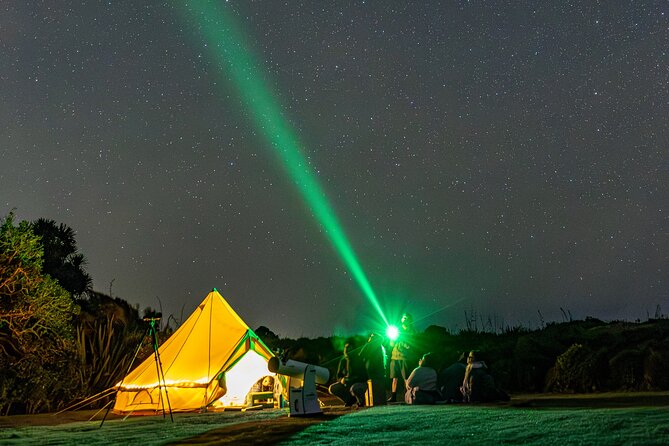
This isn’t a bus tour. It’s capped at 10 travelers, which changes everything about how you experience the park.
First, it’s easier to hear your guide when you’re paused on a track. Second, you can ask specific questions while you’re still in the context—like what you’re looking at, what kiwi behavior looks like at this time of night, or why the stargazing site matters. Third, the group stays manageable for a walking approach in the native bush.
The experience provider lists it as a small-group outing, and the format lines up with what you’d hope for at night: fewer people, more attention. Also, you’re back at the meeting point by the end, so you’re not stranded in the dark with no way home.
Kiwi discovery in twilight: what you’re really doing out there
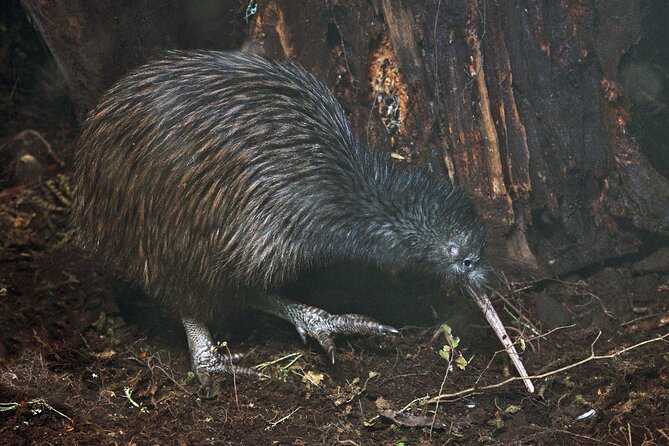
The kiwi portion starts as twilight descends at the Tawharanui Peninsula side of the park. You follow your guide through native bush, moving with patience and intention. The goal isn’t just to “see kiwi” like a checkbox—it’s to understand how to look for evidence of activity.
In practical terms, that means you’re staying alert for traces of kiwi. Your guide shares insights about these birds as you go, so you’re not just guessing what you’re noticing. The other benefit of twilight timing is that it’s often the window when multiple nocturnal creatures start to show themselves, even if kiwi sightings vary.
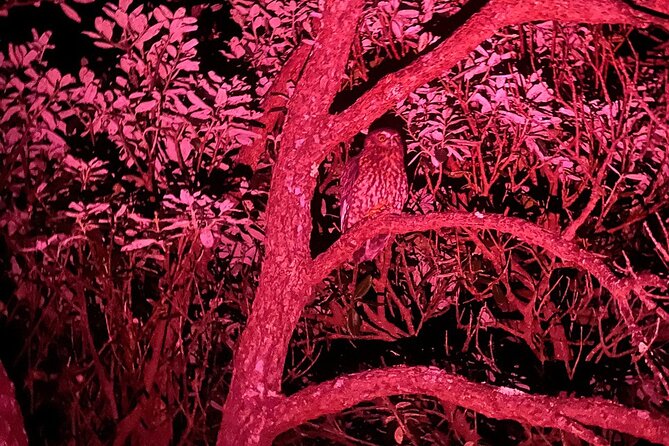
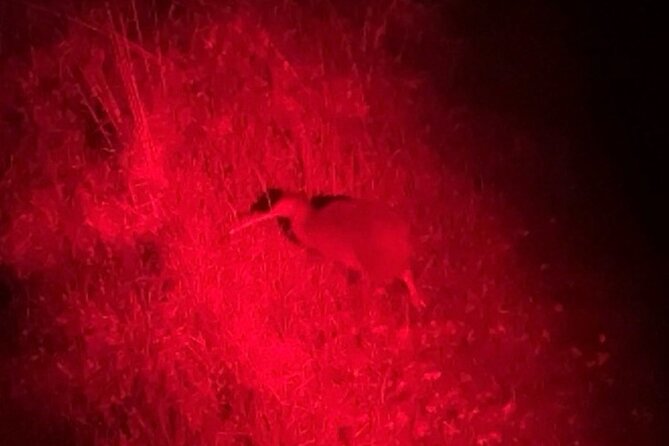
North Island brown kiwi are the headline, but the tour also frames the night as a whole ecosystem. That can include nocturnal birds, insects, and reptiles, depending on conditions. When the group is lucky, you may get a moment that feels unreal—like being close enough that you can observe what makes kiwi so hard to spot in daylight.
Stargazing at a park site chosen for the stars
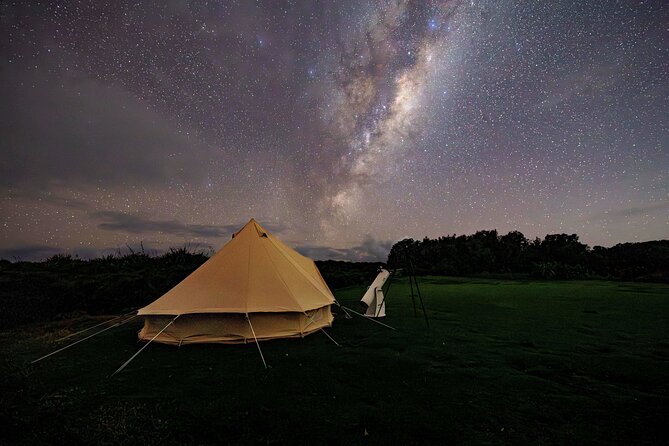
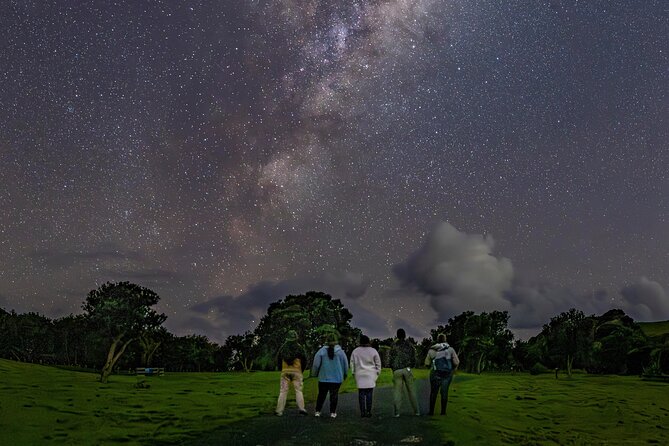
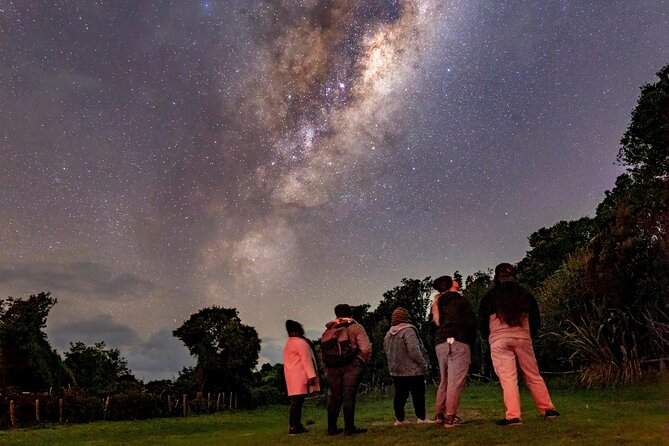
After the bush time, you shift gears to a secluded stargazing site inside Tawharanui Regional Park. It’s designed to keep the glare of city lights down, so the sky isn’t just dark—it’s readable. That matters, because stars you can’t clearly distinguish in a light-polluted area aren’t much fun, even with good intentions.
Your guide provides telescopes and binoculars, so you’re not stuck doing all your stargazing with your eyes alone. The plan also includes learning: you uncover stories connected to the night sky, including indigenous astronomy. That’s one of the reasons this doesn’t feel like generic star photos and quick points.
One small but meaningful detail: you’re seeing the sky from within the park itself, not from a roadside turnout. That makes your night feel like one continuous experience—wildlife search on the ground, and sky-reading above.
Walking in the bush: up close with nature, without pretending it’s easy
You’re on foot for the nature part, and that’s the difference between this and tours that mostly pass viewpoints. The walking option means you get up close to the park’s living details.
At night, that’s both a benefit and a reality check. The benefit is clarity: you’re in the environment where kiwi and other nocturnal animals operate. The reality check is that you’ll be moving in darkness and focusing your attention, which can be tiring if you’re expecting a light stroll.
Still, the walking approach also helps the guide manage group flow. With a max of 10 people, your pace and spacing don’t collapse into a line of headlights. It stays more like a guided walk with stops, listening breaks, and short bursts of searching.
If you’re choosing the walking version over the longer camping-style experience, plan to treat this as a concentrated evening. It’s not a half-night festival. It’s a guided session designed to fit into about 3 hours.
Glamping tents are optional, but campsite fees are on you
There’s an option to enhance the experience by camping out in glamping tents. That’s a real plus if you don’t just want the guided portion—you want extra time in the park setting and the chance to slow down after the tour.
The key point for planning: campsite bookings and fees aren’t included. So if glamping is your priority, you’ll want to handle those separately and budget for them.
If you’re the type who hates the idea of leaving right when your brain is finally tuned to night sounds, the glamping option can make sense. If you’d rather keep things simple and comfortable without extra logistics, you can still do the main tour and be fully satisfied with the guided kiwi search plus stargazing.
Price and value: $93.09 for a guide-led night with equipment
At $93.09 per person for roughly 3 hours, this isn’t the cheapest thing on the Auckland-area list. But it also isn’t overpriced for what you get.
Here’s what you’re paying for, in plain terms:
- A guide leading a small-group outing (max 10)
- Specialized equipment for the night sky like telescopes and binoculars
- The kiwi-focused search approach, which depends on guide knowledge and timing
- The stargazing site experience inside the park, plus an education component
- An admission ticket free note in the tour details
You’re essentially buying two expert-led sessions stitched together: a twilight bush search for the North Island brown kiwi and a guided stargazing session with optical help. If you’ve ever tried to do stargazing on your own near light sources, you know how much time gets wasted. A guided night helps you use that time better.
So the real value question is this: do you want your night out to feel structured and teach you how to look? If yes, the price starts to feel reasonable. If you only want a casual glance at stars, you might prefer a lighter option.
Timing and meeting point: where the night starts and ends
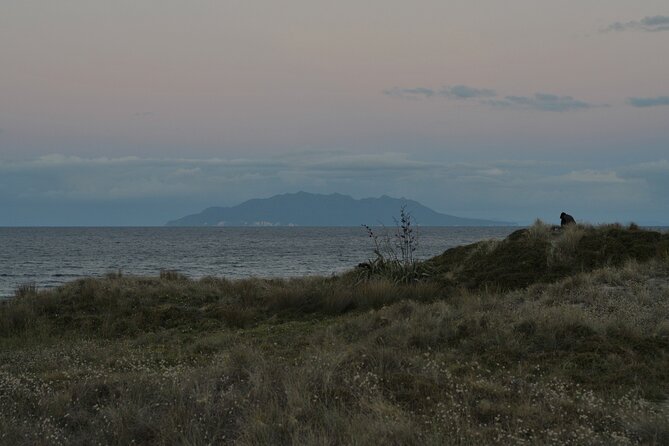
The tour starts at Tawharanui Regional Park, 1181 Takatu Road, Tāwharanui Peninsula 0986, New Zealand and ends back at the meeting point. Duration is listed at about 3 hours.
That “return to start” detail matters because night logistics can get annoying fast. You’re not left figuring out transport after dark. You also get a clear arc: twilight kiwi search, then the stargazing site.
One more practical detail: confirmation is received at booking, and the tour uses a mobile ticket. That’s convenient when you’re juggling multiple bookings.
Weather matters more than you think
This experience requires good weather. That’s not marketing language. It’s a night wildlife + stargazing setup, so rain, heavy cloud, or poor conditions can reduce visibility and make the bush search less effective or less safe.
The good news is that the tour includes a weather adjustment approach: if it’s canceled due to poor weather, you’ll be offered a different date or a full refund. There’s also free cancellation up to 24 hours in advance for a full refund, which gives you breathing room if your Auckland plans are flexible.
Also remember a simple truth: kiwi spotting is part animal behavior, part luck. Even with a good guide, nature doesn’t put on a guaranteed show every night. The tour is designed to maximize your odds, not to promise the exact result.
What your night might look like, based on the tour’s strongest moments
The high rating—4.9 out of 5 from 23 reviews—matches the kind of experience people tend to love here: moments that feel personal and close.
One of the standout praise points is the kiwi outcome. In at least one case, the guide Justin helped the group see multiple kiwis and get close to one. That aligns with what this tour is built to do: help you find evidence, then improve your chances of a real sighting when it happens.
So if your main goal is kiwi spotting with a guide who can talk you through what you’re observing, this tour fits. If your main goal is purely astronomy—like photographing deep-sky objects—you’ll still get telescopes and binoculars, but the star portion is still part of a combined 3-hour evening rather than a full-night observing marathon.
Who should book this kiwi spotting and stargazing tour
I think this is a great match if you:
- Want North Island brown kiwi odds improved by a proper guide-led search
- Like getting outside after dark and paying attention instead of just driving by scenery
- Care about the “how” as much as the “what,” especially for stargazing and indigenous astronomy stories
- Prefer a small-group format where you can ask questions and stay connected to the guide
It can also suit couples and solo travelers who want an easy plan with a set meeting point. If you’re traveling with a group of friends, the max 10-person cap keeps it from turning into a chaotic meetup.
If you hate night walking, dislike uncertainty, or want a long evening of astronomy only, you may prefer a different style of star tour or a daytime nature option.
Should you book Nocturnal Wonders at Tawharanui
Book it if you want one guided outing that covers both the bush at twilight and the sky after dark, with equipment that makes the stargazing part actually useful. The small-group size, the focus on kiwi discovery in native bush, and the telescope/binocular setup are the big wins.
Skip it—or at least plan with flexibility—if you’re counting on one perfect outcome like guaranteed kiwi sightings. Even with good weather, wildlife is wildlife, and this is an experience built around increasing chances, not controlling results.
If you’re excited by the idea of reading the park like a nature mystery and looking up with help, this is a very solid way to spend a half-day in the Auckland region.
FAQ
How long is the Nocturnal Wonders Tawharanui tour?
The tour is listed as approximately 3 hours.
Where does the tour start and end?
It starts at Tawharanui Regional Park, 1181 Takatu Road, Tāwharanui Peninsula 0986, New Zealand, and ends back at the meeting point.
What is the group size?
The maximum group size is 10 travelers.
What do I get during the stargazing portion?
Your guide provides telescopes and binoculars, and you’ll also learn about constellations, planets, and indigenous astronomy.
Does the tour include admission tickets?
The tour details show admission ticket free.
Are the glamping tent and campsite fees included?
Campsite bookings and fees are not included.
What is the cancellation policy?
You can cancel for a full refund up to 24 hours in advance of the experience start time.