REVIEW · TWIZEL
Twizel: Stargazing Tour with an Astronomer and Telescope
Book on GetYourGuide →Operated by Stargaze Mackenzie · Bookable on GetYourGuide
Twizel turns the night sky into a classroom. I love how this laser-guided stargazing tour uses a qualified astronomer to point out what you’re actually seeing, not just what sounds cool. My other favorite part is the small group feel, so the pace stays calm and you can ask questions instead of yelling over everyone. One thing to plan for: there are no toilets at the viewing spot, so go before you arrive.
In 75 minutes, you’re seated outside on blankets, taught the basics of constellations and planets, then taken to telescope viewing for whatever objects are best that night. The finish is the sweet part: you get a personal astro photo under the stars, which beats trying to do everything yourself with your phone in the dark.
In This Review
- Key moments worth circling
- Twizel’s Dark Sky Reserve: why the sky looks different here
- The 75-minute flow: from laser pointers to telescope targets
- Telescope views you can actually learn to see
- Your personal astrophoto: a souvenir that’s also a memory tool
- Price and value: what you’re paying for at $59
- Where you go and how to show up for the best night
- Who should book this Twizel stargazing tour?
- Should you book? My decision checklist
- FAQ
- How long is the Twizel stargazing tour with the astronomer?
- What’s the price per person?
- Where do I meet the guide?
- What should I bring for the tour?
- What are the rules during the stargazing session?
- What ages is the tour suitable for?
Key moments worth circling
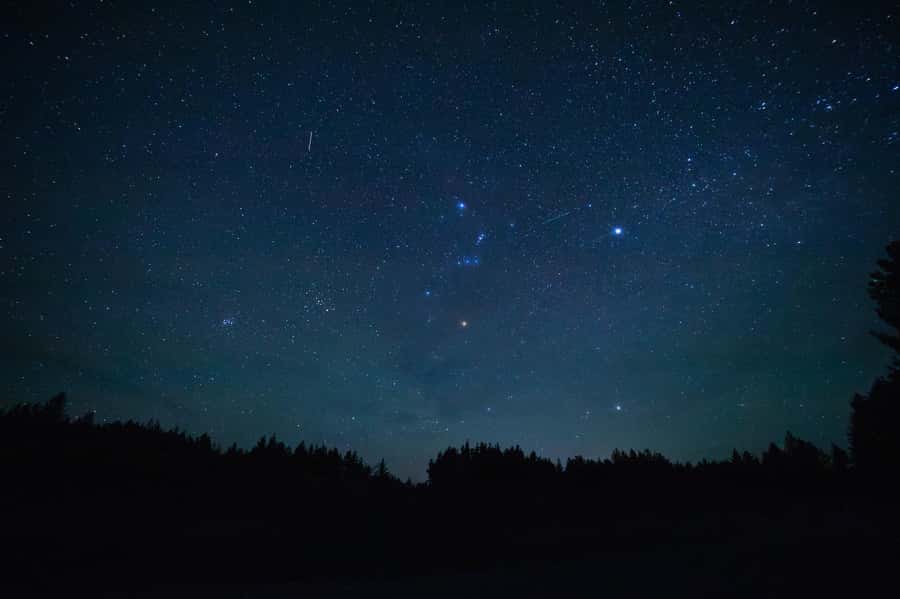
- Dark Sky Reserve conditions: Twizel is in the Aoraki Mackenzie International Dark Sky Reserve, where light pollution stays low and the sky stays crisp.
- Laser-guided constellations and planets: You’ll follow the guide’s pointer to learn the story of the sky you’re seeing in real time.
- Telescope viewing tailored to the night: Plan for planets and deep-sky objects based on what’s visible when you arrive.
- A real astro lesson, in plain language: Explanations are science-based, but they stay understandable for non-astronomers.
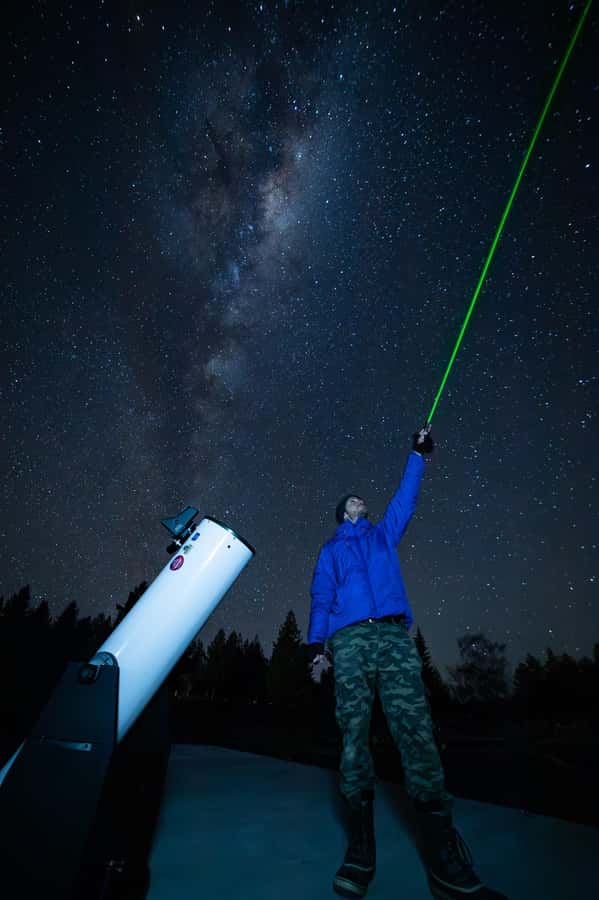
- Your own photo at the end: You don’t leave empty-handed—your guide captures you under the Milky Way when conditions allow.
Twizel’s Dark Sky Reserve: why the sky looks different here
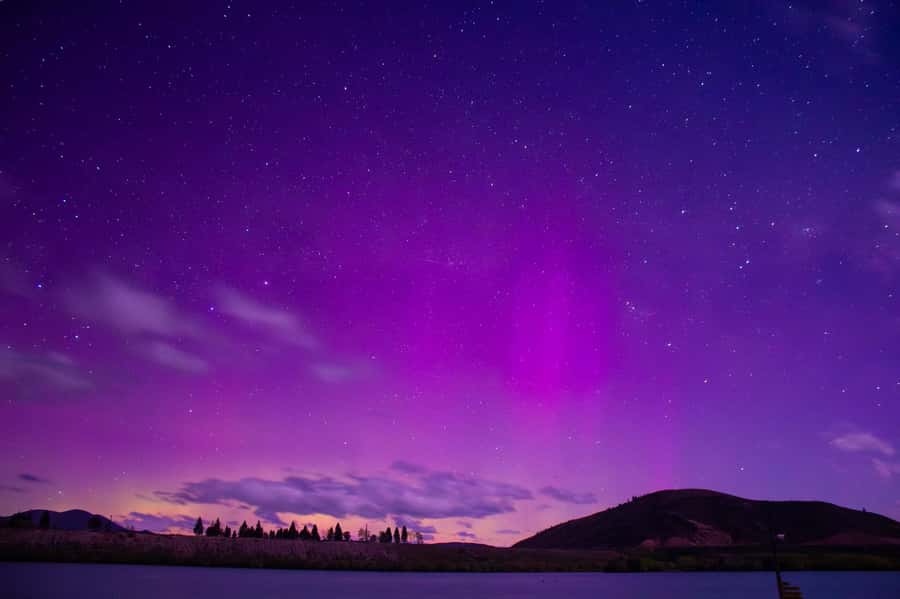
Twizel sits in one of the world’s best settings for night sky viewing. The tour operates in the Aoraki Mackenzie International Dark Sky Reserve, where the whole point is protecting dark skies for astronomy and for wildlife and the wider environment that depend on natural night lighting.
What you notice first is not just that the sky is dark. It’s that stars don’t blend together. The Milky Way can look bold, and the bright planets don’t feel like distant dots—they look like targets with features you can learn to recognize.
This is also why a guided experience makes sense. In a light-polluted city, most people look up and see scattered pinpricks. Here, you can actually match what’s in the sky to what the guide explains—constellations, planets, and deep-sky objects start to feel logical, not random.
The 75-minute flow: from laser pointers to telescope targets
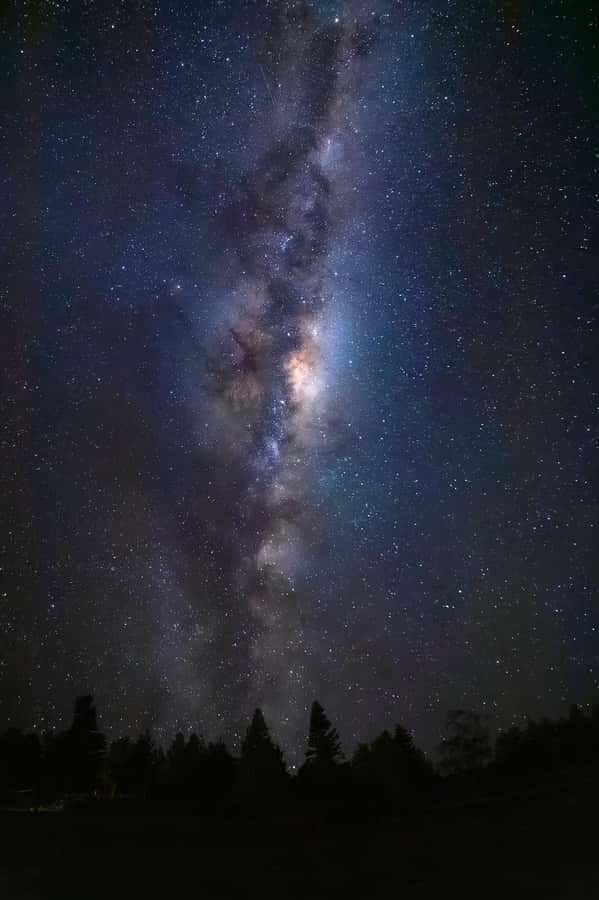
This tour moves in two distinct acts, and I like that structure because your brain doesn’t get overloaded.
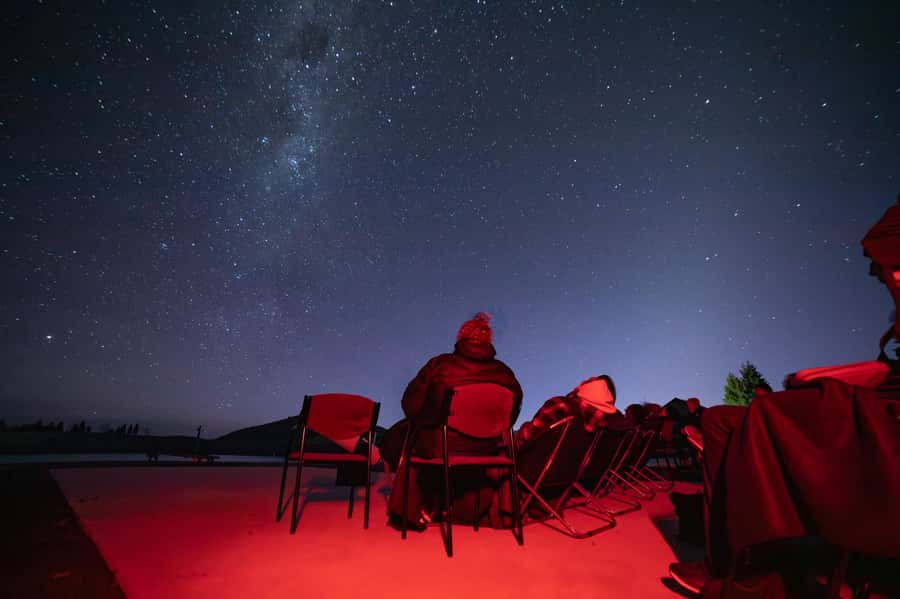
First comes the guided sky lesson. You sit outdoors in comfortable seating with blankets, then the astronomer uses a laser to show you celestial objects you can’t fully grasp by eye alone. This is where the tour becomes a real learning experience: you’re not just told where to look, you’re taught what you’re seeing and why it matters scientifically.
The guide—Daniel, who runs the stargazing operation—brings an enthusiastic, teaching-first style. From the stories shared by recent visitors, you can expect topics like the southern hemisphere’s constellations, plus famous planets and what makes them interesting. People also highlight that explanations stay clear even for beginners, which is huge if astronomy is new to you.
Then the second act shifts to the telescope. This part is weather- and season-dependent, and that’s a good thing. The guide focuses on what can be seen best at your time of year, which usually means you’ll spend your telescope minutes wisely instead of watching time pass.
One more detail I appreciate: there’s no pressure to do everything in one go. The tour is only 75 minutes, so it’s long enough for learning and telescope viewing, but short enough to keep things comfortable when the temperature drops.
Telescope views you can actually learn to see
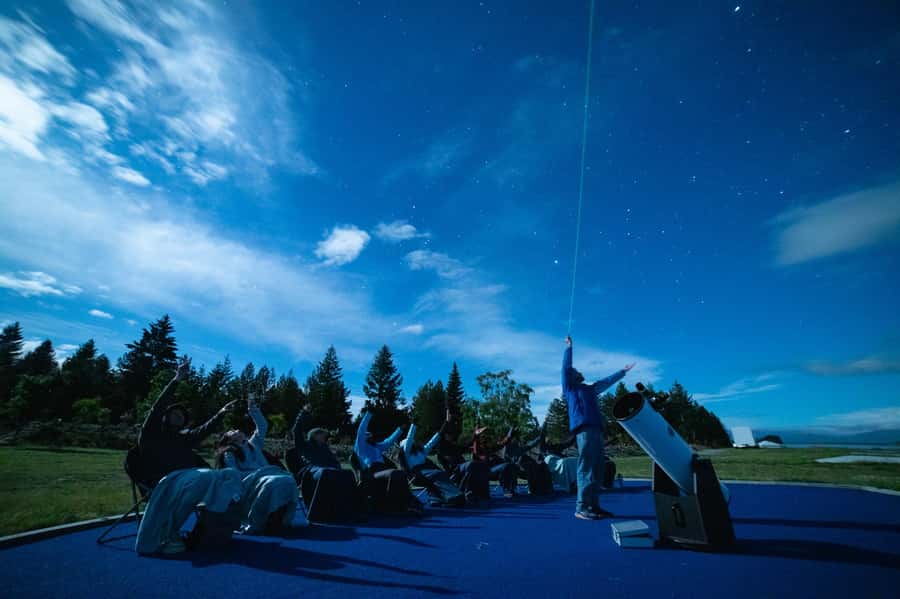
The telescope segment is where the tour earns its keep. A powerful scope doesn’t just make objects bigger—it changes how you understand them.
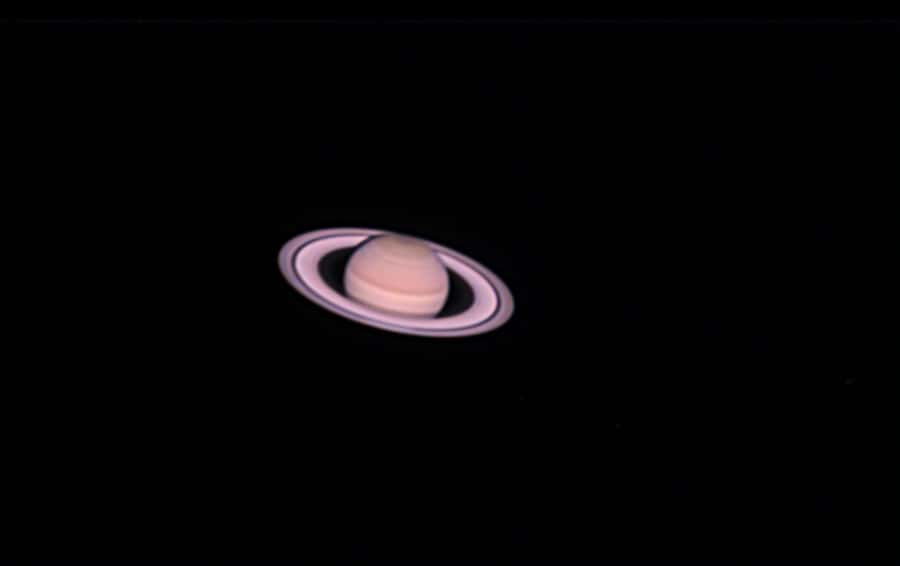
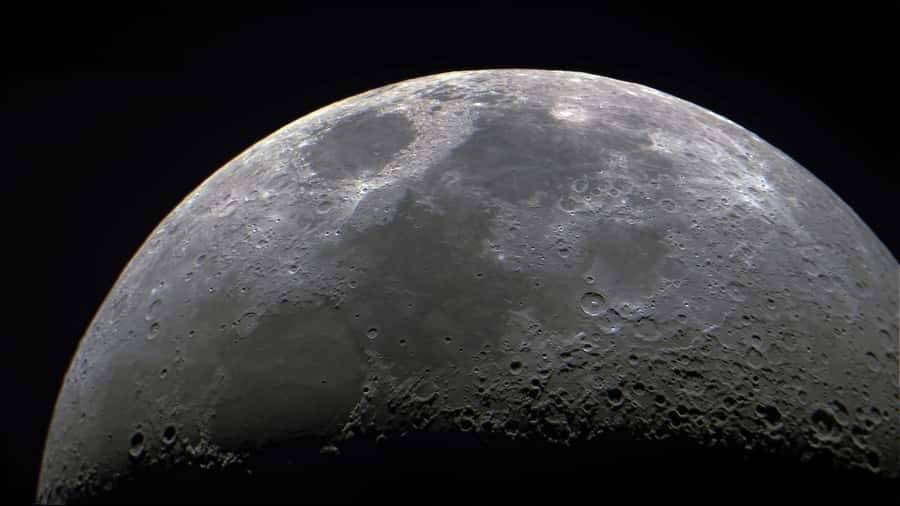
Depending on visibility that night, you might look at planets and their features, plus deep-sky targets like nebulae and star clusters. Visitors have specifically mentioned views such as Jupiter with its bands and moons, and Saturn with its rings and moons. That’s the kind of moment that makes the earlier sky lesson click: you finally see why astronomers get excited about what looks tiny at first.
People also mention targets deeper than the planets—things like Alpha Centauri and nebulae such as the Tarantula Nebula. You’re not promised any one object every time, because the sky doesn’t care about schedules. But you can expect a thoughtful selection based on what’s actually up there and visible.
What you should do before the telescope time is simple: listen closely during the explanation. If you know what the guide is pointing at, you’ll “read” the object through the eyepiece instead of just staring. This is also where the guide’s science-based commentary matters most, because it turns a view into understanding.
And yes, it can feel a bit magical. But it’s the calm, guided kind of magic—the kind that teaches you how to look again later on your own.
Your personal astrophoto: a souvenir that’s also a memory tool
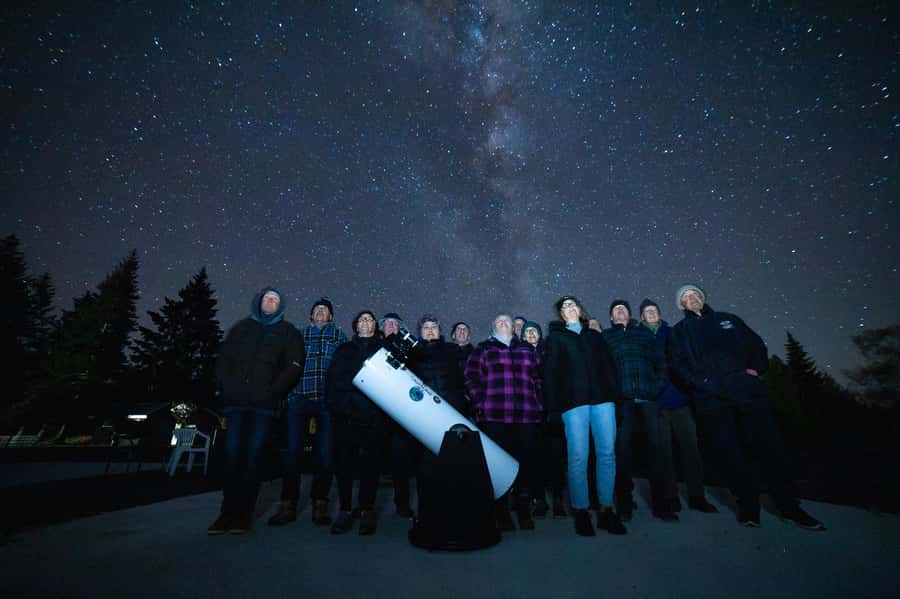
The tour ends with a personal astro photo of you under the stars. For many people, that becomes the favorite part to bring home, because it’s tied to what you experienced—not just a random night selfie.
The practical value is obvious: low light photography is tricky, and your phone isn’t set up for the job. Having the astronomer handle the camera work means you get a shot that actually fits the night sky conditions.
There’s also a subtle learning benefit. When you see the photo later, you can compare it to what you were shown—Milky Way placement, constellations the guide pointed out, and where you were standing relative to the sky. It turns your memory from vague awe into something you can revisit with a bit more clarity.
Even better, recent visitors describe photos as clear and detailed, with strong color and crispness. That suggests the guide takes the imaging seriously, not as a last-minute add-on.
Price and value: what you’re paying for at $59
At $59 per person for a 75-minute guided experience, you’re paying for three things that are hard to replicate on your own:
1) Expert guidance in a dark-sky setting
Dark skies are only half the equation. The other half is knowing what you’re looking at. This tour combines a qualified astronomer with a laser-guided explanation, so your time under the stars feels productive, not just passive.
2) Telescope time with explanations
You don’t just get access to a scope—you get someone who can show you how to look through it and what you should notice once you’re there. That makes the telescope time more than a photo op.
3) A personal astrophoto
A good photo at night is hard. The fact that you end with a professionally handled image adds real value, especially if you’re traveling without advanced camera gear.
The main value trade-off to understand is this: it’s not a long festival. It’s 75 minutes, so you’ll get a focused experience, not an all-night session. If you want hours of unstructured sky time, you might prefer DIY stargazing with gear. But if you want the science lesson and telescope viewing in one efficient package, this price looks fair.
Where you go and how to show up for the best night
Logistics matter more than most people think with stargazing tours. Here’s what you need to know to keep the night smooth.
You check in at the starting location at 50 Kate Cameron Drive. Your guide meets you at the car park on the first left as you enter Lake Front Road. Arrive about 5 minutes early so you can get settled before it gets fully dark and everyone starts looking up at once.
Bring warm clothing. Even in summer, this part of the Mackenzie region can get very cold at night. Layers are the move, plus a hat and gloves if you run cold easily. The tour provides blankets and comfortable outdoor seating, which helps a lot, but you still want to start warm so you can focus on the sky.
Also, follow the viewing rules: no flash photography, and no alcohol or drugs. Those rules protect both your eyes and the people around you, and they keep the environment respectful for the dark-sky setting.
Finally, accept one reality upfront: tours run only in clear conditions. If the night isn’t clear enough, you’ll be notified and offered a refund or reschedule. That’s part of stargazing, not a surprise after you arrive.
Who should book this Twizel stargazing tour?
This is a strong pick if you want a guided astronomy experience without having to learn anything technical before you go.
You’ll probably love it if you:
- enjoy science explanations, even at a beginner level
- want to see planets and deep-sky objects through a telescope, not just admire the stars
- like small-group settings where you can actually pay attention and ask questions
- care about getting a photo that actually captures the night sky
It’s also a good choice for couples and solo travelers who want a peaceful, calm activity. People describe the environment as quiet and relaxing, with the guide acting more like a friendly instructor than a performer trying to fill time.
If you’re bringing kids, the tour is for ages 6 and above. If you’re hoping to bring a very small child under 6, this one isn’t suitable.
Wheelchair accessibility is listed as available, so if mobility is a factor, this is a good option to consider from the start.
Should you book? My decision checklist
Book it if you want an efficient night that teaches you how to see the sky, not just a quick look through a telescope. The combination of laser-guided constellations, a qualified astronomer’s explanations, telescope viewing, blankets, and a personal astrophoto makes it feel like more than just an outing.
Skip it if you:
- hate cold weather and don’t want to dress in layers for an outdoor evening
- want a long, free-form stargazing session without instruction
- can’t be flexible with weather, since clear conditions are required
If you like astronomy in any form—curious beginner to science fan—this is exactly the kind of experience that turns a trip into a skill. You’ll leave knowing what to look for the next time you see Twizel’s sky.
FAQ
How long is the Twizel stargazing tour with the astronomer?
The tour runs for 75 minutes.
What’s the price per person?
The price is $59 per person.
Where do I meet the guide?
The guide meets you at the car park on the first left as you enter Lake Front Road, with the starting location listed as 50 Kate Cameron Drive.
What should I bring for the tour?
Bring warm clothing. Even in summer, nights in the Mackenzie region can be cold, so layers, hats, and gloves are recommended.
What are the rules during the stargazing session?
You’re not allowed flash photography and alcohol and drugs. Intoxication is also not allowed.
What ages is the tour suitable for?
The tour is for ages 6 and above. Children under 6 are not suitable.