REVIEW · CANMORE
Night Adventure with possible stargazing and Aurora chasing
Book on Viator →Operated by Canmore Travel-Moraine Lake and Lake Louise shuttle/bus · Bookable on Viator
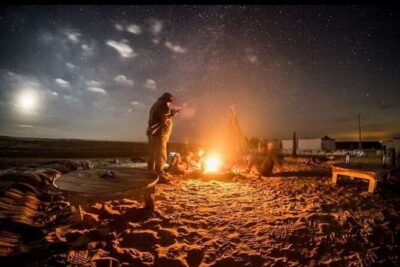
The sky can change your whole mood. This Banff-area night adventure turns an intimidating winter drive into an easy plan, with dark-sky stops, warm drinks, and a telescope so you can focus on the stars instead of logistics. I especially like the pickup and drop-off, which means you avoid wrestling with parking and night driving. Blankets and inflatable loungers also make it feel like you’re camping for the night sky, not battling cold weather.
What you’ll miss if conditions are rough is the main magic trick: the sky show. Aurora Borealis and stars aren’t guaranteed, and the tour can run under everything from clear sky to cloudy periods and light snow, so your best views depend on Mother Nature. Even so, the guides set you up to make the most of whatever shows up that evening.
In This Review
- Key Things to Know Before You Go
- A Banff Night Plan You Can Actually Follow
- Pickup Timing in Canmore and Banff (and How to Not Miss It)
- Settling In at the First Banff National Park Dark-Sky Stop
- Telescope Time, Hot Drinks, and What You Might See
- Aurora Chasing Without the Fantasy Pressure
- Weather Range and Winter Comfort That Actually Works
- Small Group Energy and Guide Style That Keeps You Engaged
- Who This Tour Fits Best (And Who Might Skip It)
- Price and Value: What $111.84 Gets You
- Should You Book This Night Adventure?
- FAQ
- How long is the Banff night stargazing tour?
- What time does the tour start?
- Where do they pick up in Canmore and Banff?
- Is Aurora Borealis guaranteed?
- What weather conditions does the tour run in?
- What happens if weather is bad?
- What’s included in the tour price?
- What’s not included?
- Is there a minimum number of guests?
- Is the tour suitable for kids?
Key Things to Know Before You Go
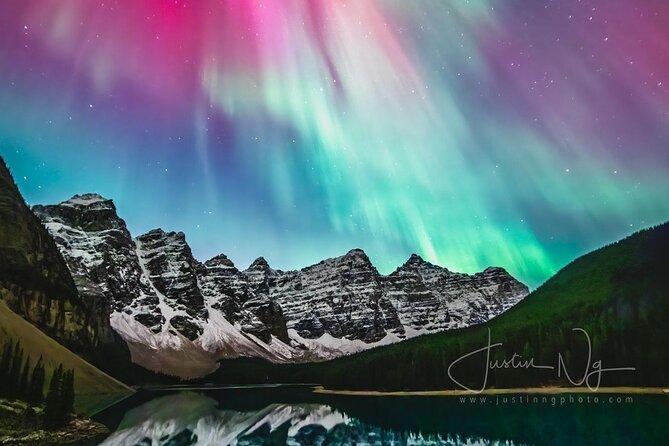
- Multiple dark-sky stops in and around Banff so you’re not stuck in one spot all night
- Telescope included, which helps you go from random twinkles to recognizable targets
- Hot tea and hot chocolate, served while you relax in inflatable loungers
- Headlamps and cleats (if needed) for getting around and staying steady in winter dark
- Small group size (max 13) keeps the pace comfortable in the cold
- Aurora Borealis is possible but not promised, and the tour plans for mixed sky conditions
A Banff Night Plan You Can Actually Follow
If you’ve ever stared at the forecast in Banff and thought, I hope I made the right choice, you’re the ideal match for this kind of guided night tour. Winter nights can feel tricky: roads, darkness, and cold all pile up fast. This tour handles the heavy lifting with transport and a guided setup, so you can spend your energy watching the sky.
The trip runs about 2 to 4 hours, averaging closer to 2.5 to 3.5. That timing matters because it gives you enough night to wait for a clear break in the clouds, but it’s not so long that you’ll feel frozen through and through. You’ll also be in a small group of up to 13, which helps you stay focused instead of feeling like you’re stuck in a crowd.
I like that the focus is practical: you get a comfortable observation base, you get warm drinks, and you get help spotting what’s overhead. And if you’re an Aurora chaser, the tour is set up for that goal too, even though the sky has the final vote.
You can also read our reviews of more tours and experiences in Canmore.
Pickup Timing in Canmore and Banff (and How to Not Miss It)
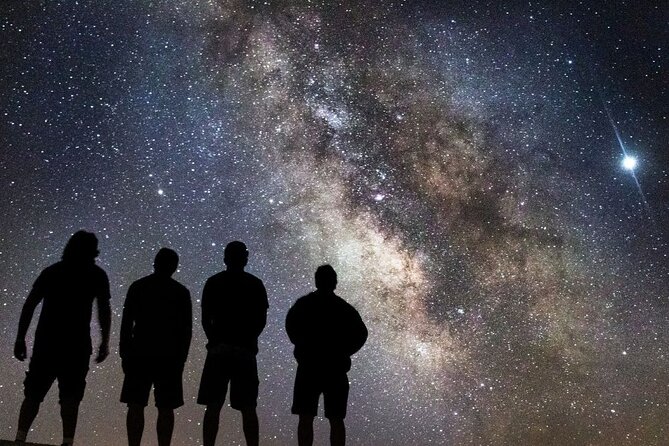
The whole experience starts with timing. The tour begins at 7:15 pm, but pickup depends on where you’re staying, and the window matters. From Canmore, the winter schedule runs at 7:15 pm; from Banff, it’s 7:45 pm. Each pickup window is about 15 minutes, and the advice is to be ready roughly 10 minutes before.
If your driver is visiting multiple stops, they might arrive a bit early or late. That’s normal in mountain logistics, but it’s still smart to treat pickup like a flight: be waiting. You’ll also get a mobile ticket, which makes it easier to check in.
Transportation is by passenger van or SUV, and this matters more than you might think. A comfortable ride keeps you from arriving already tense or exhausted, and it’s a big part of why this works well for a first-time night in the Rockies.
Settling In at the First Banff National Park Dark-Sky Stop
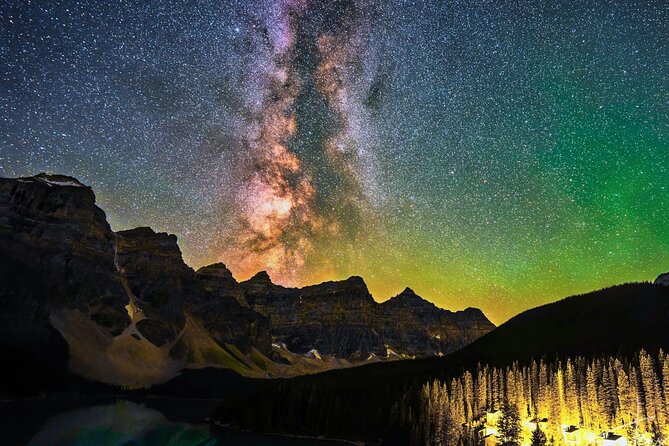
After pickup, the tour heads into the mountains for the kind of darkness that makes stars look sharp instead of washed out. You’ll visit several dark skies locations, not just one viewpoint. That’s a real advantage, because clouds and light pollution can vary from spot to spot, and a short move can make the difference between faint smudges and a proper view.
Once you reach the best area, the guides set up your observation base. This is where the comfort upgrades shine. You’ll use chairs and inflatable loungers, plus blankets for warmth. You’ll also have headlamps to help you navigate the area without killing your night vision completely.
The tour mentions cleats if needed, which is a safety detail I’m glad they include. In winter darkness, slippery footing can turn a fun night into a stressful one. Even if you feel steady, the presence of traction help tells you the guides are thinking about more than just stargazing.
Telescope Time, Hot Drinks, and What You Might See
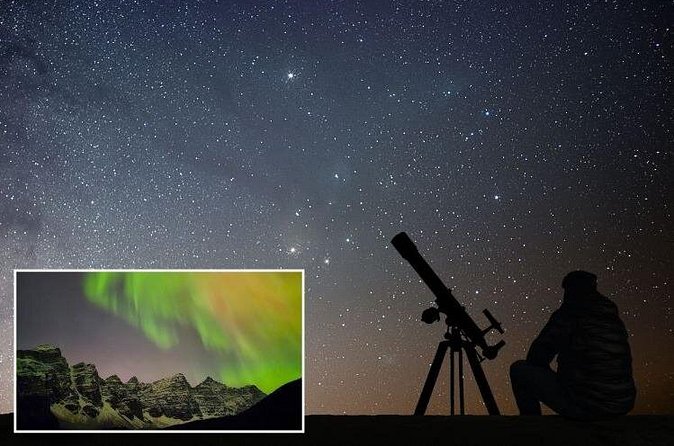
Stargazing tours can turn into a lecture you barely hear over your own cold teeth. This one is built to keep you comfortable enough to actually enjoy the sky. When you’re settled in, you’ll sip hot tea and hot chocolate while you watch. That small ritual matters because your body relaxes when you’re warm, and you stay patient instead of constantly shifting around.
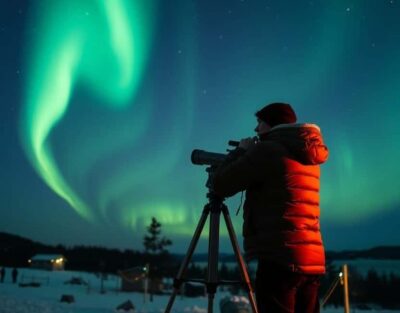
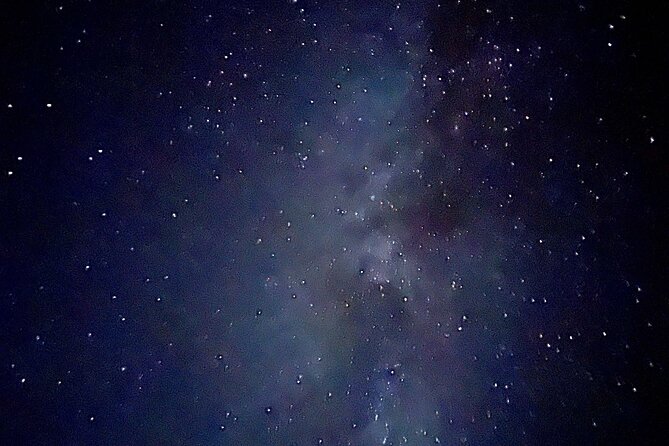
The telescope is included, which is a big deal for getting real value out of a night tour. With the right sky conditions, you can go beyond bright dots and actually see details. For example, some nights can deliver Jupiter and its moons through the telescope, and on clearer evenings you may spot the Milky Way’s arm with the naked eye.
The guides also point out constellations and guide your eyes so you’re not just guessing. One fun extra mentioned is a surprise activity you can capture with your smartphone. The exact idea varies with conditions, but the point is the guides keep the evening playful without turning it into chaos.
And about the aurora: stars and Aurora Borealis sightings are not guaranteed. Still, this tour’s setup is designed so you’re ready the moment the sky gives you something.
Aurora Chasing Without the Fantasy Pressure
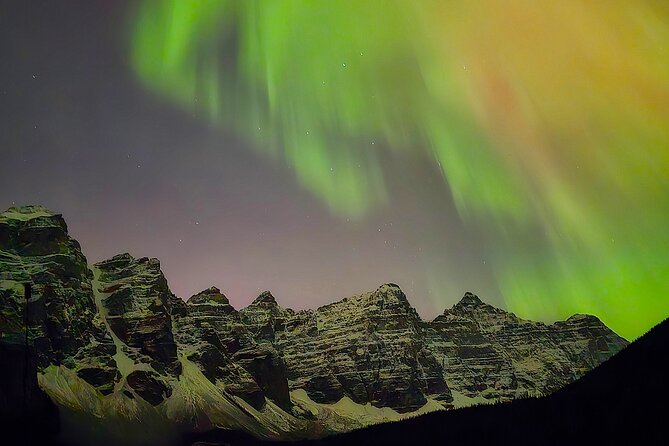
It’s tempting to plan an Aurora trip like it’s a movie you’ll watch on schedule. This tour takes a more honest approach: the northern lights can happen, but they’re not promised. You’ll get a chance to chase, and the tour continues under a range of weather conditions, including partly cloudy and light snow.
In practical terms, this means you should show up ready for a mixed sky. Cloud cover can shrink the Aurora into nothing, and even for stars, thick clouds reduce what you’ll see. On the plus side, the tour can run during cold, wintry scenes that still look beautiful even when the sky isn’t perfectly clear.
If the weather is rainy or heavy snow, you get an option to reschedule or receive a full refund. That’s important for your planning because you’re not stuck hoping for a miracle on a terrible-sky night.
Weather Range and Winter Comfort That Actually Works
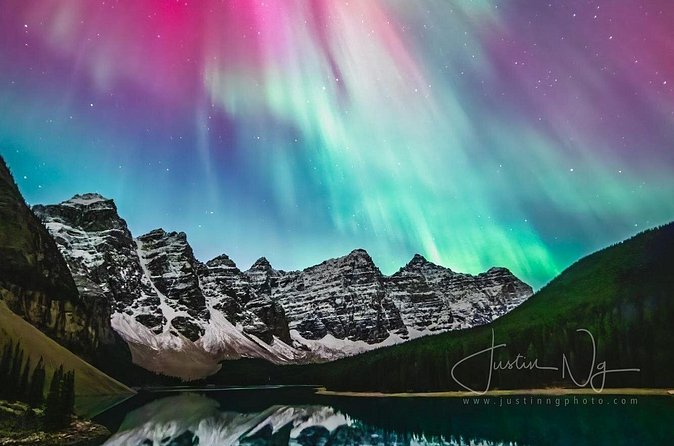
This tour operates in temperatures from -20°C to +20°C, so winter is expected, not an exception. They run under changing sky conditions such as clear sky, partly cloudy, mainly cloudy, and cloudy periods. Light snow is mentioned as a magical time in the mountains at night, which makes sense: snow in the air can soften the landscape while keeping the ground bright enough to find your spot.
What you wear will decide whether this feels cozy or miserable. The guidance is very direct: warm hats, mitts or gloves, neck warmers, winter jackets, snow pants, thermal base layers, and warm socks and boots. They strongly recommend Hothands hand and foot warmers, and you can purchase those in Banff and Canmore.
I’d also plan to move slowly when you’re bundled up. You’ll be sitting for periods, then repositioning occasionally. If you wear layers that let you adjust, you’ll avoid getting sweaty on the ride and freezing at the observation stop.
One more comfort note: if you don’t handle winter well, this is still worth considering because the tour provides blankets and loungers. Just don’t rely on provided warmth alone.
Small Group Energy and Guide Style That Keeps You Engaged
A max group size of 13 is a quiet win. You can actually hear your guide, ask questions, and get help without feeling like you’re waiting your turn while the sky changes. Reviews also highlight how guides use stories and local details to keep the cold from taking over your attention.
Some guide names show up in accounts of the experience, including Pam and Denisse. The common thread is a friendly, upbeat style that mixes sky facts with local life. One account also mentioned wildlife safety being taken seriously, including bear safety. Even if you’re more focused on the constellations, that matters because it signals the guides have a safety plan for the environment you’re in.
Another practical benefit of this group setup: you feel more confident at night. If you’d hesitate to go out alone in winter darkness, this takes away that fear while still giving you a real outdoors experience.
Who This Tour Fits Best (And Who Might Skip It)
Most travelers can participate, but there are clear child guidelines. The tour is not recommended for children under 8 years old. If you bring a child under 6, they must sit in a proper child safety seat that you provide. A booster isn’t enough, and if you don’t bring the right seat, the tour requires you to bring your child or you may not be allowed to board.
For families with older kids who can handle cold and sitting quietly, this can be a great end-of-day activity. For younger kids, the cold and the patience needed for night skies may be tough.
Also, service animals are allowed. If you have a service dog, you should let the operator know in advance so everything is handled smoothly.
Finally, if you have mobility concerns, you’ll want to be thoughtful about winter footing and waiting outside. The tour does provide headlamps and cleats if needed, but it’s still an outdoor night experience.
Price and Value: What $111.84 Gets You
At $111.84 per person, you’re paying for more than just access to a dark viewpoint. You’re paying for transportation, guided setup, telescope use, blankets, inflatable loungers and chairs, hot tea and hot chocolate, and equipment help like headlamps (and cleats if needed). That bundle is where the value lives.
What’s not included is also important. Food isn’t included, so if you want dinner beforehand, plan it. Also, you’ll need to handle a Banff National Park Pass yourself, since it’s not included.
If you’re thinking about doing this independently, add up the real costs: transportation in winter, finding a true dark-sky spot, and having warm gear and astronomy help. This tour turns that messy planning into one paid night with fewer unknowns.
One more value tip: because aurora and stars depend on sky conditions, you’re smart to book with flexible expectations. This tour offers rescheduling or a full refund option when weather turns rough enough.
Should You Book This Night Adventure?
Book it if you want a guided way to experience Banff at night without turning the evening into a stressful logistics puzzle. I think it’s especially worth it if you’re going solo, you’d rather not drive in winter darkness, or you want help finding real sky targets through a telescope.
Skip it if your main goal is guaranteed Aurora Borealis, because the tour is explicit that sightings aren’t guaranteed. Also skip or reconsider if you’re traveling with small children who can’t handle sitting outside in the cold.
If you go in prepared with warm layers and a flexible mindset, you’re likely to come away with an evening that feels both fun and genuinely rewarding, whether the sky brings stars, planets, or a northern lights tease.
FAQ
How long is the Banff night stargazing tour?
It runs about 2 to 4 hours (approx.). In practice, it’s described as a 2.5 to 3.5-hour tour.
What time does the tour start?
The start time is 7:15 pm.
Where do they pick up in Canmore and Banff?
From December 1st to March 7th: pick-up is 7:15 pm from Canmore and 7:45 pm from Banff. Pickup is within a 15-minute window, and you should be ready 10 minutes before the window begins.
Is Aurora Borealis guaranteed?
No. Stars and Aurora Borealis sightings are not guaranteed.
What weather conditions does the tour run in?
The tour runs under a range of weather conditions, including clear skies, partly cloudy, mainly cloudy, cloudy, and light snow. Tours operate in temperatures from -20°C to +20°C.
What happens if weather is bad?
If it rains or snows heavily, the operator offers the option to reschedule or a full refund.
What’s included in the tour price?
Hot chocolate and tea, use of a telescope, use of headlamps and cleats if needed, blankets, inflatable loungers, chairs, and transportation by passenger van or SUV.
What’s not included?
Food is not included. A Banff National Park Pass is also not included.
Is there a minimum number of guests?
Yes. The tour requires a minimum of four guests to run. If the minimum isn’t met, you’ll be offered an alternative date, a different service, or a refund.
Is the tour suitable for kids?
It’s not recommended for children under 8 years old. Any child under 6 must be seated in a proper child safety seat that you provide (not a booster). Service animals are allowed.