REVIEW · BIG ISLAND OF HAWAII
Mauna Kea Stargazing Experience + Photos
Book on Viator →Operated by Epic Tours · Bookable on Viator
Stars beat any TV show. This Mauna Kea stargazing tour pairs a live astronomer-led sky talk with smart telescope views in a darker, quieter spot than the busy Onizuka area. Two things I really like are private-group level photo attention and the chance to ask your questions directly to experts while you view objects like galaxies and nebulae. The main drawback to consider is how cold it can get, plus the meeting-point drive is on dark, narrow mountain roads.
The first big win is the Celestron Origin smart telescope experience. You’re not just pointing at a phone app; you get guided viewing of deep-sky targets (think star clusters, nebulae, and galaxies) and a real-time explanation led by people like Dylan and James. Second, you get included medium-resolution photos—with portraits shot by the astro-photographer—so your night ends with more than memories.
The part that can catch you off guard is logistics and temperature. There’s no hotel pickup, you meet at the Pu’u Huluhulu Cinder cone parking area, and winter nights can drop to around 30°F—parkas help, but you’ll still want real cold-weather basics.
In This Review
- Key Points to Know Before You Go
- Where You Start (Pu’u Huluhulu Parking) and Why It Matters
- Smart Telescope Star Talk With Experts Like Dylan and James
- The Real Payoff: Nebulae, Star Clusters, and Galaxies (Not Just Pretty Lights)
- Why the Location Shifts: Mauna Kea vs Mauna Loa
- Photos After Dark: Milky Way Portraits and Medium-Resolution Files
- Cold Weather Reality: Parkas, Time Outdoors, and What to Wear
- Meeting-Point Logistics, Group Size, and How the Night Feels
- Value and Price: $299 for Astronomy Gear, a Pro Photo, and a Guarantee
- Who Should Book This (and Who Might Want to Skip)
- Should You Book Epic Tours Mauna Kea Stargazing?
- FAQ
- How long is the Mauna Kea stargazing experience?
- How much does the tour cost?
- Where do I meet the tour?
- Is hotel pickup included?
- Are photos included, or do I pay extra?
- What happens if the sky is cloudy?
- Does the tour operate in bad weather?
- What should I wear?
- Is there a group size limit?
- Are children allowed?
- Is the tour suitable for people with mobility or medical limitations?
Key Points to Know Before You Go
- Astronomer-led sky talk with hands-on questions during the session
- Smart telescope viewing of deep-sky objects using a Celestron Origin setup
- Quiet, remote locations on Mauna Kea or Mauna Loa to reduce light and crowd interference
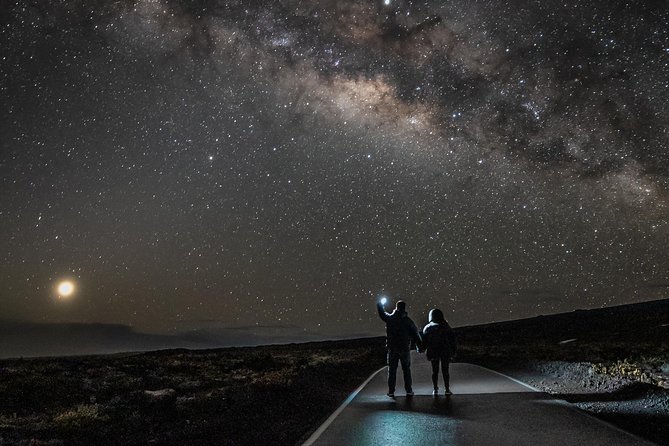
- Portrait photos included with the Milky Way backdrop, plus medium-resolution files at no extra cost
- Stargazing guarantee: if clouds prevent star viewing, you’re covered (free tour/full refund)
Where You Start (Pu’u Huluhulu Parking) and Why It Matters
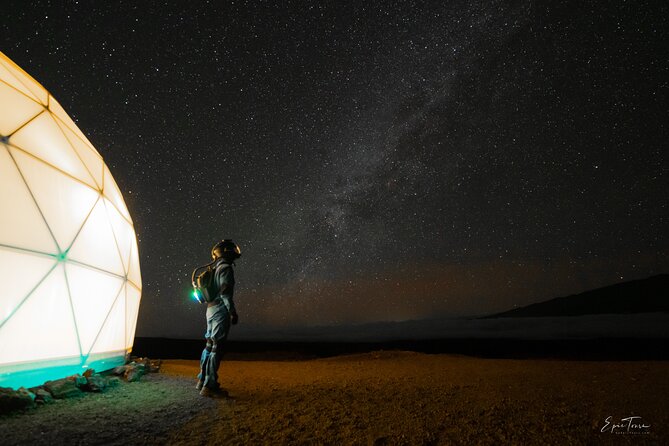
This experience is built around darkness, not convenience. You meet at the Pu’u Huluhulu Cinder cone parking lot, and the tour returns you there at the end. That means no hotel pickup, and it also means you’ll drive yourself up the mountain in the dark.
Why does this matter? Because Mauna Kea stargazing is very sensitive to light and timing. You can’t always predict your night sky, but you can reduce the common problems—headlights, crowding, and light pollution. The tour’s approach is to avoid the heavy foot traffic around the usual visitor areas and instead use time slots and locations chosen for better observing.
One practical note: several people mention the final miles can feel like a one-lane, curvy, pitch-dark drive. If you’re at all nervous driving mountain roads at night, slow down and give yourself margin. And if you’re using coordinates from a link, double-check them before you set off—because once you’re in that dark stretch, there’s not much room for guessing.
You can also read our reviews of more tours and experiences in Big Island of Hawaii.
Smart Telescope Star Talk With Experts Like Dylan and James
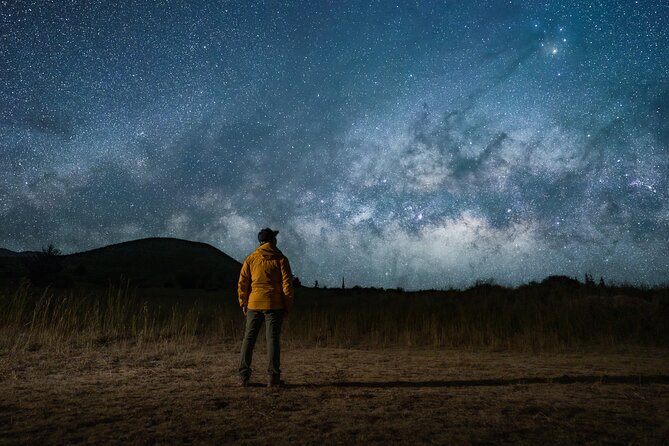
The heart of the night is the live star talk, led by an astronomer who also knows how to photograph what you’re seeing. People specifically call out Dylan for an upbeat, funny style that made the science feel like conversation, and they praise James for clear communication and lots of answering.
During the session, you use a smart telescope setup while the astronomer guides you through what’s up in the sky. The tour focuses on more than just identifying constellations. You’ll also get explanations that connect targets you’re viewing to real astronomy—how we study objects far beyond the solar system and how telescopes (and cameras) reveal details your eyes can’t.
This is where the “ask anything” part becomes more than a gimmick. When the guide points out an object—like a nebula or galaxy—you can ask what it is, where it is, or what you’re actually seeing. That turns a basic stargazing outing into an evening that feels like learning a skill you can keep using on future trips.
The Real Payoff: Nebulae, Star Clusters, and Galaxies (Not Just Pretty Lights)
Here’s the difference between a casual night of stars and a serious astronomy session: you stop thinking only about what you can name. You start thinking about what you can resolve.
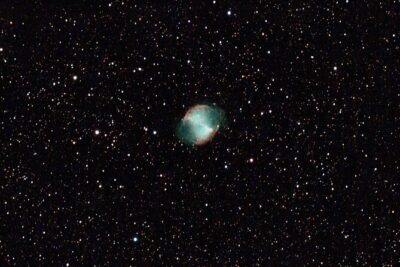
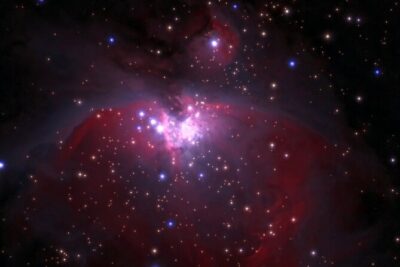
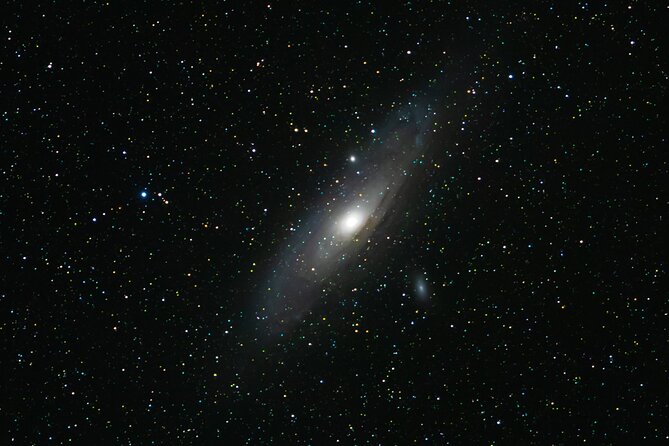
This tour uses the smart telescope to show deep sky objects—including nebulas, star clusters, and galaxies. And because it’s guided, you get context as the telescope zooms in and the object fills more of the view. People mention seeing familiar targets like Orion-area nebulae and Andromeda-type highlights, and the overall vibe is that you’re looking at space in a way you can’t replicate with a simple app alone.
Also, the tour’s timing is designed to avoid bright moonlight when possible. That’s a big deal: a bright moon can wash out faint galaxies and make the Milky Way look less dramatic. The tour picks time slots with sky conditions in mind, and in some cases the location is adjusted to keep viewing conditions as good as they can be.
Why the Location Shifts: Mauna Kea vs Mauna Loa
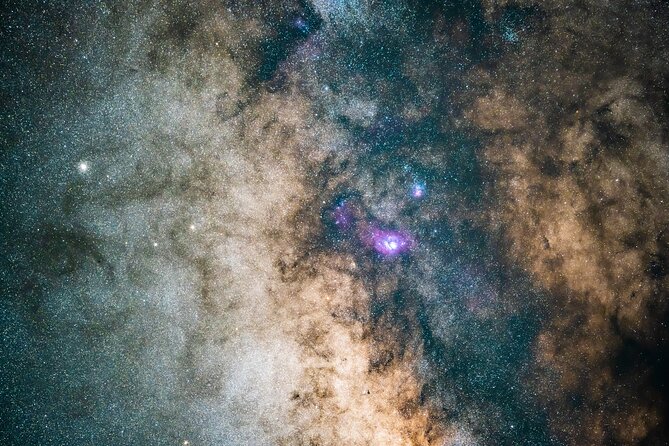
You’ll hear that the experience happens at remote places on Mauna Kea or Mauna Loa, not inside the busiest visitor area crowds. That remote setup is intentional. Fewer car headlights means darker skies. Fewer people means you can actually sit, watch, and absorb what you’re seeing.
And yes, sometimes the location shifts depending on what’s working that night. One person describes a move to Moana Loa and credits the communication for keeping the plan on track. That’s the right mindset for Mauna Kea: clouds and haze can change quickly, and the tour is structured to respond rather than just hope.
The practical takeaway for you: keep your phone charged and pay attention to any updates. If you’re flexible about where you’re standing under the stars, you’re more likely to get the best sky possible.
Photos After Dark: Milky Way Portraits and Medium-Resolution Files
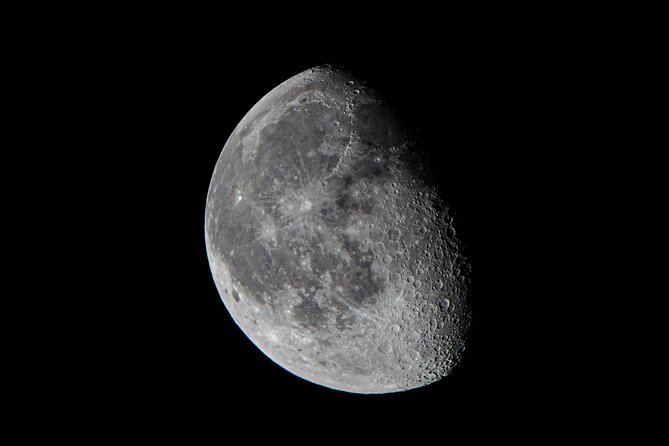
The promise that makes this tour hard to forget is the photos. You don’t just watch; you leave with imagery.
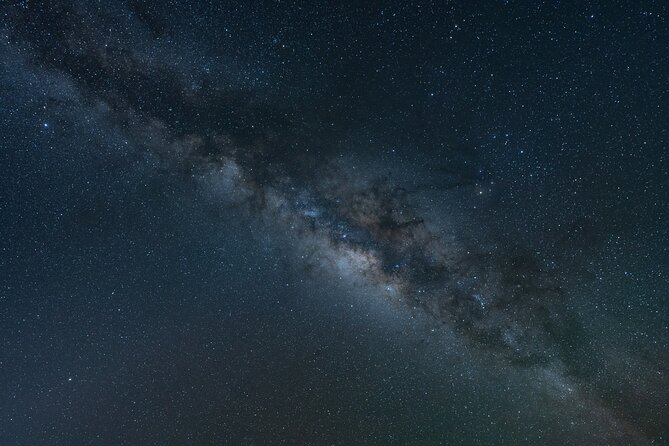
You’ll have an astro-photographer on site who takes complimentary portraits during the session, with the Milky Way as a backdrop. People describe portraits that feel like a major souvenir, and they specifically mention crisp, standout results on targets like the Milky Way and Andromeda-type views.
What you get included is medium-resolution photos. Several people also mention that higher-quality or upgraded file sets cost extra. So if you’re hoping for print-ready, ultra-high resolution, plan for the possibility of an upgrade.
My practical advice: treat the included photos as your base set, then upgrade only if you find you’re using them heavily for prints or large formats. If you want to minimize spending, ask about your options at the end of the night rather than assuming upgrades are required.
Cold Weather Reality: Parkas, Time Outdoors, and What to Wear
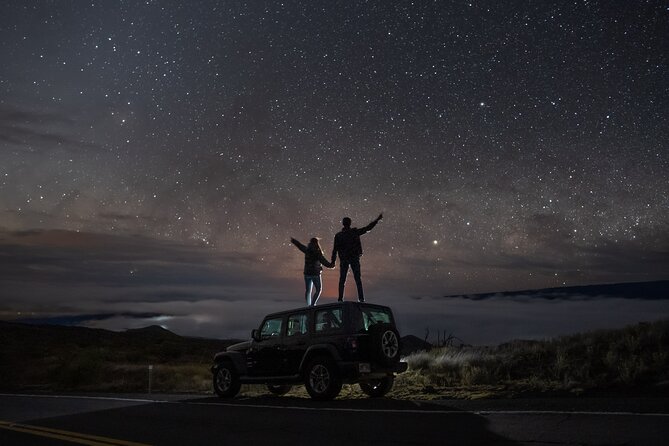
This is the part you can’t skip. Winter nights at altitude can reach around 30°F, and the tour provides parka jackets with pockets and a hood—but people still advise adding real cold-weather layers.
You’ll be outside for a substantial chunk of the session while you view through the telescope and listen to the star talk. People mention using warm gear effectively and also bringing gloves and hats. If you run cold, plan for it like a winter sport.
A simple packing checklist:
- Base layer(s) that wick and trap heat
- Gloves and a hat
- Closed-toed shoes (the dress code asks for them)
- Pants (also part of the dress code)
- Something warm even if you trust the parka (because the jacket may not be enough for everyone)
If you tend to struggle with hearing in cold air, or you have back/heart/hearing conditions that make sitting in the cold tough, this may not be the right fit. The tour notes a moderate physical fitness level and says it’s not recommended for mobility or ambulatory restrictions.
Meeting-Point Logistics, Group Size, and How the Night Feels
There’s a max size of 30 people, which helps the vibe. Smaller groups keep the dark-sky feel, and it’s easier for the astronomer to manage questions without turning the talk into a chaotic line.
You also avoid the busiest visitor areas, which changes the whole atmosphere. Instead of feeling like you’re herded into viewings, the night feels more like a planned session at a calmer site.
Time-wise, you’re looking at about 2 hours total. Each session includes time for the guided talk, telescope viewing, and your portrait shots. Because of that structure, you’re less likely to spend the night doing awkward waiting and more likely to experience the key “wow” moments back-to-back.
Value and Price: $299 for Astronomy Gear, a Pro Photo, and a Guarantee
At $299 per person, this isn’t a casual add-on. But the value case is fairly clear if you understand what’s included.
You’re paying for:
- Live guidance from an astronomer
- Smart telescope use (not just a laser pointer and a slideshow)
- A professional astro-photographer for your Milky Way portraits
- Complimentary medium-resolution photos
- Parkas provided
- A stargazing guarantee if clouds prevent star viewing
The guarantee is also a real value lever. If the conditions don’t cooperate, you’re not stuck eating the cost. And if you compare typical stargazing nights on the Big Island, the combination of expert-led viewing plus a dedicated photo component is the part that pushes this closer to a premium experience rather than a basic walk-up star show.
One caution on value: if you end up wanting higher-resolution upgrades, that can change the final price. Still, if you’re happy with included medium-resolution files (and many people seem to be), the included portraits make the cost feel easier to justify.
Who Should Book This (and Who Might Want to Skip)
This tour is a strong match if you:
- Want more than constellation spotting
- Like asking questions and learning as you go
- Care about photos and want a pro to handle the hard part
- Prefer quieter sites over crowded visitor areas
- Plan for cold weather and can stand or sit outdoors for the duration
It may be less suitable if you:
- Have mobility or ambulatory restrictions
- Have serious back, heart, or hearing problems
- Feel uncomfortable with cold outdoor time
- Need hotel pickup to avoid complicated night driving
Also, children must be with an adult, and the tour notes it’s not suitable for some seniors. If you’re unsure, it’s worth checking whether the required outdoor time and cold exposure fit your comfort level.
Should You Book Epic Tours Mauna Kea Stargazing?
If your goal is a true astronomy-focused night with smart telescope viewing, expert explanations, and meaningful photo souvenirs, I think this is a solid choice. The big reason to book is the pairing: you get real telescope time plus a pro photographer for Milky Way portraits, not just a basic star talk.
I’d only hesitate if cold weather and night driving are your biggest concerns. If you’re willing to dress for real winter temps, drive carefully to the Pu’u Huluhulu meeting point, and treat the included medium-resolution photos as your base (with upgrades only if you truly want them), you’ll get what this tour is aiming to deliver: a calmer, darker sky session that feels way more serious than a quick “look up” moment.
FAQ
How long is the Mauna Kea stargazing experience?
It runs about 2 hours total, with the guided experience lasting roughly 90 minutes.
How much does the tour cost?
The price is $299.00 per person.
Where do I meet the tour?
You meet at the Pu’u Huluhulu Cinder cone parking lot, and the tour ends back at the same meeting point.
Is hotel pickup included?
No, hotel pickup and drop-off are not included.
Are photos included, or do I pay extra?
Complimentary medium-resolution photos are included. Optional photo upgrades are available if you want higher-quality files.
What happens if the sky is cloudy?
The tour includes a stargazing guarantee. If clouds prevent star viewing, the tour is free / you receive coverage under the guarantee.
Does the tour operate in bad weather?
It operates in all weather conditions, so you should dress appropriately. If conditions are poor enough to cancel, you’ll be offered another date or a full refund.
What should I wear?
Wear pants and closed-toed shoes. It can reach around 30°F, and the tour provides parka jackets, but you should still dress warmly.
Is there a group size limit?
Yes. The tour has a maximum of 30 travelers.
Are children allowed?
Children must be accompanied by an adult.
Is the tour suitable for people with mobility or medical limitations?
It’s not recommended for travelers with mobility/ambulatory restrictions, and it also notes concerns for people with back, heart and hearing problems or other serious medical conditions. Pregnant travelers should discuss with their doctor beforehand.