REVIEW · ST GEORGE
Astronomy and Stargazing Tour in Utah
Book on Viator →Operated by Dark Skies Astronomy Tours · Bookable on Viator
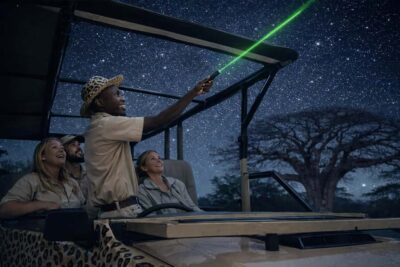
Utah nights turn stars into stories. This 1 hour 30 minute astronomy outing from Dark Skies Astronomy Tours mixes telescope views with sky lore in specially chosen dark sky locations. You start with the big, bright targets (think the Moon or Saturn), then shift into constellations, and later spend time on fainter deep-sky treats like nebulae and distant galaxies.
What I like most is the pacing and the teaching style. You get a guided path that helps you make sense of what you’re seeing, whether you’re brand new or you already know your way around the sky. The other win is the setting: you’re in a dark-sky spot where the night looks calmer, wider, and easier to read.
One consideration: this experience is weather dependent, so cloud cover can affect what’s visible. On the bright side, the guide’s job is to help you make the most of the conditions, and there’s a full plan if the weather won’t cooperate.
In This Review
- Key Highlights You Can Actually Use
- Jem Trailhead Setup: What the Start Feels Like
- Telescope Time: Moon, Saturn, and Quick Wins for Beginners
- What this first segment teaches you
- Constellations and Sky Lore: Stories You Can See
- Why I think this section is the real value
- Deep-Sky Wonders: Nebulae and Distant Galaxies (What to Expect)
- A practical tip for your mindset
- Dark-Sky Location Choice: Why the Setting Matters
- Weather Reality: Cloud Cover, Patience, and Backup Plans
- Dressing and gear: keep it simple
- Price and Value: What $80 Buys in 90 Minutes
- Who Should Book This Astronomy Tour from St George?
- Should You Book Dark Skies Astronomy Tours?
- FAQ
- Where is the meeting point for the astronomy tour?
- How long is the tour?
- What does the tour include?
- Is this tour private?
- What is the price?
- Is the tour offered in English?
- What happens if weather is poor?
Key Highlights You Can Actually Use
- Starts with easy-to-see targets like the Moon or Saturn, so you get instant payoff fast
- Constellations with real meaning, using both ancient stories and modern context
- Dark-sky location choice matters, giving your eyes a better chance to adjust
- Powerful telescopes help you see nebulae and distant galaxies you might not spot unaided
- Private tour format means it’s just your group, not a mixed crowd
- Guide quality comes through, including one named Jen described as amazing and highly informative
Jem Trailhead Setup: What the Start Feels Like
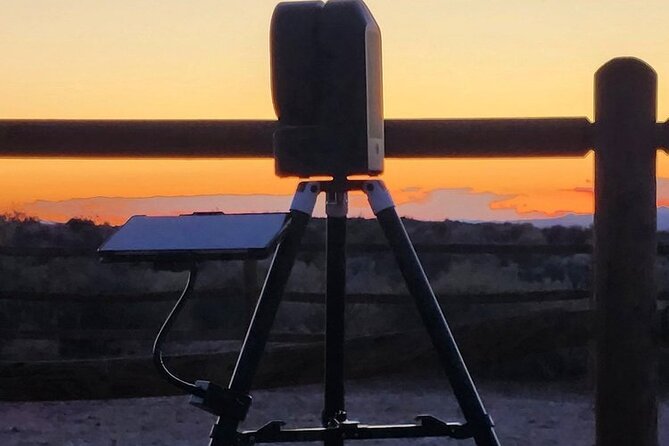
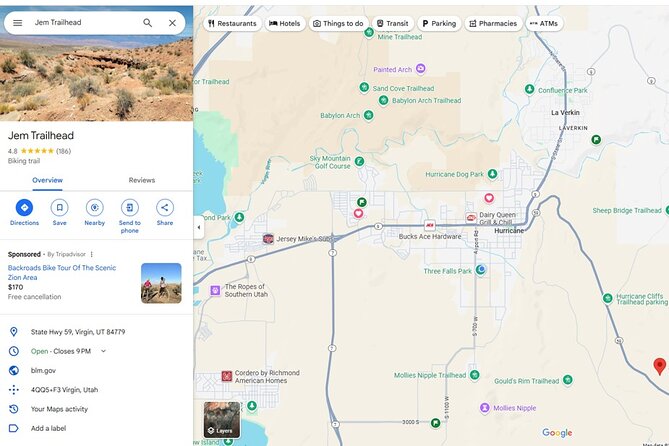
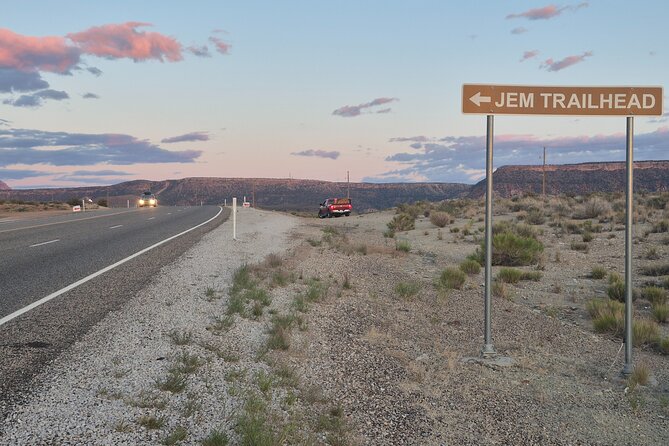
The tour meets at Jem Trailhead, State Hwy 59, Virgin, UT 84779. It runs about 1 hour 30 minutes, and it ends right back at the start point. That matters because you’re not dealing with a complicated route or a long drive chain once the stargazing begins. You show up, get oriented, and the night does the rest.
You’ll have a mobile ticket, and you receive confirmation at booking time. The experience is listed as private, so it’s only your group. For a first-time stargazer, that’s a big deal. It usually means you can ask questions without feeling rushed or lost in a crowd. For experienced observers, it also means the guide can tailor attention a bit better to what your group wants to see.
Booking happens fairly in advance, with an average of about 32 days. That’s often a sign that the tour runs on limited dark-sky nights and smaller time windows. If you’re going during a busy travel season, it’s smart to lock it in early rather than hoping a spot appears later.
You can also read our reviews of more tours and experiences in St George.
Telescope Time: Moon, Saturn, and Quick Wins for Beginners
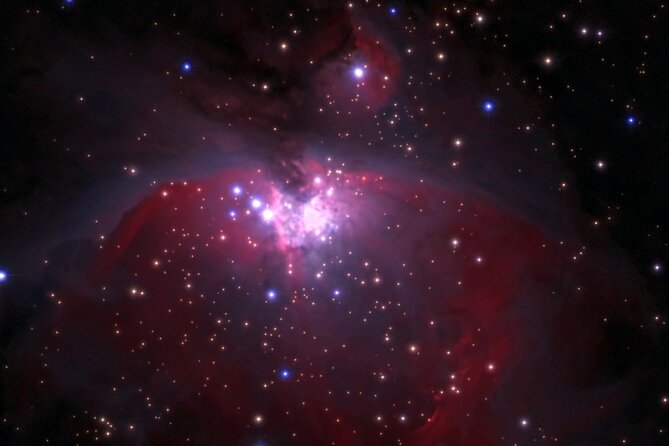
The tour’s rhythm is straightforward. You begin with bright celestial neighbors, then you settle in for constellation work, and later you move toward fainter targets. The exact first objects can vary, but the common anchors are the Moon and Saturn. If you’ve never looked through a telescope before, starting here is smart. These objects are forgiving. You get something visually obvious, and your brain stops wondering what you’re doing wrong.
You also get a mix of science and storytelling. The guide doesn’t just point and move on. You’re guided through what the object is, what you might notice, and how it connects to the human way of interpreting the sky. That blend is one of the most practical parts of the experience. It helps you turn a “wow, that’s cool” moment into something you can actually remember later.
One real confidence booster is the guide reputation. A named guide, Jen, is mentioned as especially informative and engaging. Even if your guide isn’t Jen, that detail gives you a clue about what the tour style aims for: clear explanations, not jargon, and a focus on making you feel like the sky is readable.
What this first segment teaches you
By the time you shift from bright objects to constellations, you’re already learning the essentials:
- How to locate major parts of the sky you’ll keep returning to
- What telescope views can show (and what they can’t) so expectations stay realistic
- How to connect star patterns with stories instead of treating them like random dots
Constellations and Sky Lore: Stories You Can See
After those early targets, the tour settles into constellation viewing. The guide traces constellations across the sky and shares their ancient stories and modern meanings. This is the part that turns stargazing from entertainment into understanding.
If you’ve ever tried to learn constellations on your own, you know the usual problem: the sky changes every minute, and the patterns feel like they’re slipping away. A guided constellation walkthrough solves that. You’re not guessing. You’re following someone else’s map, while learning the names, shapes, and why those shapes mattered to people long ago.
The tour description also emphasizes that stars once guided travelers across oceans and deserts. Even without getting specific about every historical tale, the point is useful: constellations were not just myths. They were practical tools. You get a sense of how people learned to read the sky as a kind of navigation system, then layered meaning onto it over time.
Why I think this section is the real value
Telescopes show you details. Constellations help you build a mental framework. Together, you leave with both:
- a few clear, memorable sights
- and a better ability to find your way next time without a guide
That’s the kind of value that keeps paying off after your Utah night ends.
Deep-Sky Wonders: Nebulae and Distant Galaxies (What to Expect)
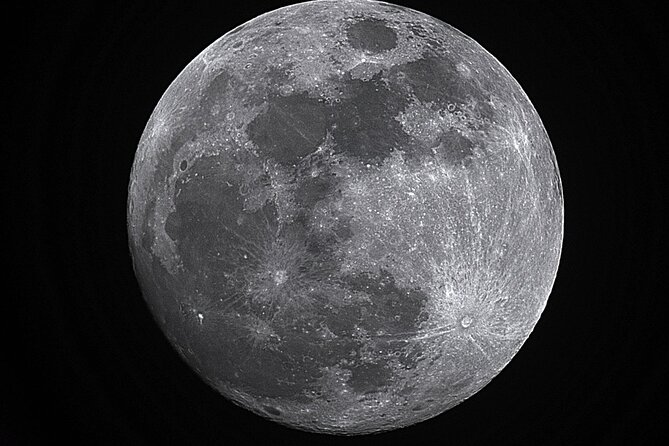
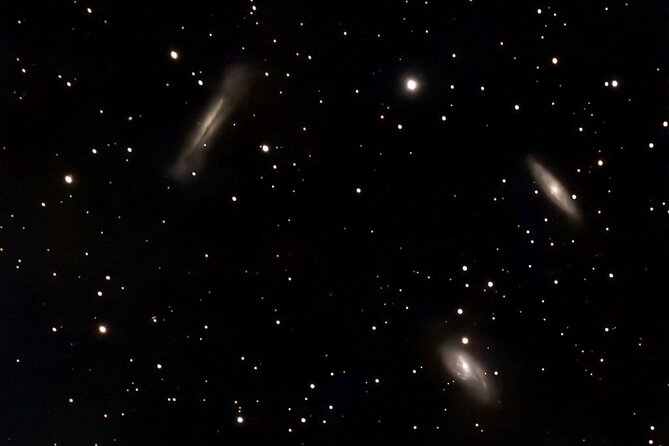
As the night deepens, the tour shifts toward fainter targets: glowing nebulae and distant galaxies. In a one-hour plan, this is where you feel the limits of time, but also where the telescope makes a noticeable difference.
Here’s the honest expectation-setting I recommend: deep-sky objects tend to be subtle. Even with a telescope, they’re often not bright like the Moon. They look more like soft smudges, haze, or delicate shapes. That can sound disappointing if you’re picturing giant color fireworks.
But the tour’s approach helps. Because you start with bright objects and learn basic navigation through constellations, you’re less likely to feel lost when the view turns faint. You’re working with a map, not just staring into darkness.
A practical tip for your mindset
When you move to fainter objects, think slow and patient. The stars aren’t trying to impress you with speed. They reward steadiness. One provided account specifically notes concern about cloud cover, followed by patience paying off for a beautiful night. That lines up with how astronomy tours usually go: you may not get every target in every condition, but good guiding plus patience increases your odds.
Dark-Sky Location Choice: Why the Setting Matters
The tour takes place at specially chosen dark-sky locations where the night stretches wide and quiet. That’s not just marketing language. It directly affects what you see.
Even without getting too technical, here’s what dark-sky conditions do for you:
- fewer distractions from nearby lights
- a sky that feels easier to take in
- better visibility of fainter stars and objects
Also, the tour’s structure supports that environment. By the time you’re doing constellation work and deep-sky viewing, your eyes have likely adjusted to the darkness. That makes the later part of the tour more rewarding than it would be in a brighter area.
If you’ve ever looked up in a city and felt like the sky is missing a page, this is how you get that page back.
Weather Reality: Cloud Cover, Patience, and Backup Plans
This experience requires good weather. That means clouds, heavy haze, or poor viewing conditions can change what the guide can show you. The good news is the tour isn’t a take-it-or-leave-it gamble. If it’s canceled due to poor weather, you’ll be offered a different date or a full refund.
In the field, weather can also mean partial changes. Some clouds pass. Some nights clear at the edges. One provided account highlighted concerns about cloud cover and then described the night as beautiful once conditions improved. That’s a useful takeaway for you: go in ready to stay flexible, and don’t assume that a cloudy start means a total loss.
Dressing and gear: keep it simple
The tour is outdoors at night, so you should plan on cool air and changing conditions. Bring layers, and wear shoes that work well on uneven ground. You don’t need to overthink it, but comfort helps you keep your eyes on the sky instead of thinking about being cold.
Price and Value: What $80 Buys in 90 Minutes
The price is $80.00 per person for about 1 hour 30 minutes. On paper, that can look like a lot if you’re comparing it to casual sightseeing. But stargazing tours are different. You’re paying for:
- a guided plan that teaches you what you’re seeing
- a telescope setup designed for astronomy viewing
- a dark-sky location where the experience works the way it’s supposed to
Because it’s private for your group, the value can feel even better. You’re not sharing the guide’s attention with unrelated strangers. That matters when you want explanations or when your group includes someone who learns best by asking questions.
Also, the tour seems in-demand, given the average advance booking window. When a tour regularly fills ahead of time, it often means the combination of timing, location, and guide quality hits a sweet spot.
If you’re trying to decide whether it’s worth it for your trip, consider this: if you already have telescopes and know how to pick targets, you might be able to do stargazing on your own. If you don’t, this tour saves you from the steep learning curve and helps you avoid a frustrating first night of not knowing where to look.
Who Should Book This Astronomy Tour from St George?
This is a good match if you want:
- an astronomy introduction that doesn’t talk down to you
- a guided night focused on seeing, not just walking around
- a blend of science and sky lore that helps the view stick
The tour explicitly says it’s perfect for curious beginners and seasoned stargazers alike. If you’re a beginner, the early bright targets and constellation walkthrough give you structure. If you’re more experienced, the dark-sky location choice and telescope time can still offer a satisfying, guided session.
It also lists that most travelers can participate, and service animals are allowed, which is helpful for planning around accessibility needs.
And because the tour is in English, it’s an easy pick if you don’t want to work through translations while your attention should be on the sky.
Should You Book Dark Skies Astronomy Tours?
Book it if you want a guided stargazing night with clear teaching, telescope views, and a setting built for dark-sky viewing. The strongest reason to choose this tour is the structure: bright targets first, constellations next, and fainter objects later. That order makes the whole experience feel smoother and more rewarding than trying to figure it out solo.
Skip it or think twice if weather in your travel window is likely unstable. Since the tour requires good conditions, you’ll want a bit of flexibility in your schedule. If you can’t move dates around easily, the weather factor is your main risk.
If you do book, a small strategy helps: plan to arrive ready to be patient. One account specifically mentions cloud-cover worries turning into a beautiful night, and that’s the right mindset. Astronomy nights often reward calm attention more than rushing.
If you’re adding just one stargazing plan to your St George trip, this one is a practical choice: focused timing, private format, and enough sky guidance to leave you feeling like you can actually read the stars afterward.
FAQ
Where is the meeting point for the astronomy tour?
The tour starts at Jem Trailhead, State Hwy 59, Virgin, UT 84779, USA. It ends back at the meeting point.
How long is the tour?
The duration is approximately 1 hour 30 minutes.
What does the tour include?
You’ll view the sky using powerful telescopes at dark-sky locations, start with bright celestial neighbors, move into constellation viewing with stories and meanings, and explore fainter deep-sky wonders like nebulae and distant galaxies.
Is this tour private?
Yes. Only your group participates.
What is the price?
The price is $80.00 per person.
Is the tour offered in English?
Yes, it’s offered in English.
What happens if weather is poor?
This experience requires good weather. If it’s canceled due to poor weather, you’ll be offered a different date or a full refund.