REVIEW · HURGHADA
Hurghada: Star Stargazing Desert Adventure by Jeep & Dinner
Book on GetYourGuide →Operated by scorpionsafari · Bookable on GetYourGuide
One desert hour later, the sky does the talking. This Hurghada stargazing adventure strings together 17 km of off-roading, a farm stop with animal feeding, and an end-of-night telescope session where your guide links constellations to zodiac talk and practical sky stories. The one thing to keep in mind is that the star count depends on weather; cloudy or windy nights can cut down what you see.
I also like how the evening feels balanced: active but not rushed. You get short camel time (about 5 minutes), a quick horse round (also about 5 minutes), and then a proper sunset and dinner setup in the desert before the night sky. Guides like Nasser (aka Marshmallow) and Arabi are repeatedly praised for making the astronomy feel fun and clear, whether you’re asking about Jupiter or just trying to spot your first constellation.
You’ll start with hotel pickup and you’ll return the same way, which is a big deal if you don’t want to deal with desert logistics. Still, it’s not a smooth, quiet ride the whole way: the off-road drive can feel bumpy, and it’s not suitable for pregnant women or people with back problems or animal allergies.
In This Review
- Quick hits (what makes it work)
- The Big Idea: One Ticket, One Desert Rhythm
- 17 km Off-Road Driving: Fun, Bumpy, and Worth Holding On For
- Oasis Welcome and Farm Tour: The Most Authentic Part of the Day
- Camel Ride and Horse Round: Included, Brief, and Still Memorable
- High-Hill Sunset: When the Desert Finally Looks Like the Desert
- Dinner in the Desert: More Than a Meal, a Social Break
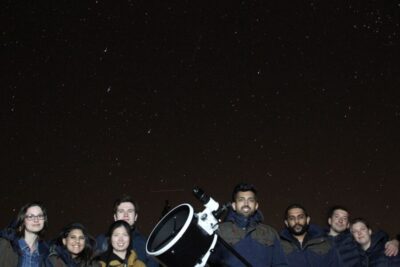
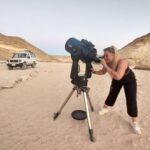
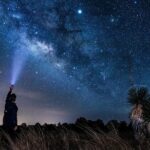
- Telescope Stargazing and Constellations: Where the Night Turns Educational
- September 2025 note: total lunar eclipse window
- What You Should Bring (and Wear) for a Comfortable Night Sky
- Price and Value: Why $48 Can Actually Feel Like a Bargain
- Who Should Book This, and Who Should Skip It
- Should You Book Star Stargazing Desert Adventure by Jeep & Dinner?
- FAQ
- What is included in Star Stargazing Desert Adventure by Jeep & Dinner?
- How long are the camel ride and horse ride?
- Is stargazing done with a telescope?
- Do you get hotel pickup in Hurghada?
- What should I bring for the tour?
- Is the tour suitable for everyone?
Quick hits (what makes it work)
- 17 km off-roading in the desert before you reach the camp area
- Oasis welcome with tea, Arabian coffee, and dates
- Farm tour and animal feeding plus chances for kids to get involved
- Camel ride ~5 minutes and horse round ~5 minutes (short, sweet, included)
- Sunset viewing from a high hill with a drink
- Stargazing with a professional telescope and live constellations + horoscope explanations
The Big Idea: One Ticket, One Desert Rhythm
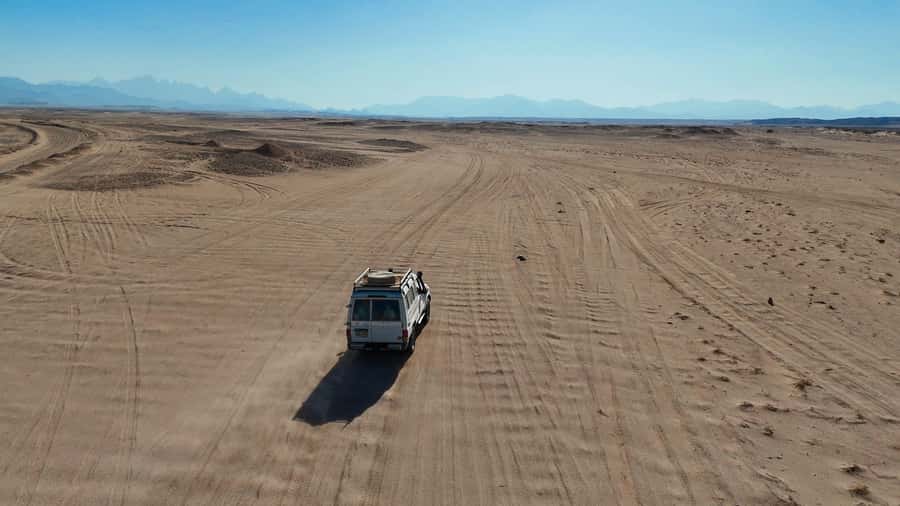
This isn’t only a “ride out, grab photos, leave” kind of tour. What you’re really buying is a full sequence of desert experiences that flow in a logical order: movement (off-road), hands-on (farm), gentle excitement (camel/horse), then the big payoff (sunset and night sky).
For me, the value is in the pacing. You’re not stuck waiting in one place for long stretches. And you’re not forced into a single extreme activity either. It’s built to keep most people happy across age ranges—especially if your group includes at least one person who wants animals, one who wants views, and one who wants astronomy.
Just remember: the sky portion is the star attraction (literally), and it’s weather dependent. If you’re there during a cloudy or windy night, you may see fewer stars than you hoped. The guides can still do their explanations, but the actual view depends on what the atmosphere allows.
You can also read our reviews of more tours and experiences in Hurghada.
17 km Off-Road Driving: Fun, Bumpy, and Worth Holding On For
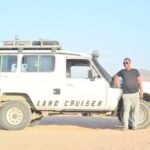
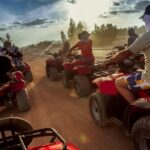
You’ll head from Hurghada area out into the desert in an off-road vehicle for about 17 kilometers. People describe it as intense, like a rollercoaster ride—meaning: grip points matter. If you’re motion-sensitive, plan for the fact that this part is energetic, not gentle.
Practical tip: during the drive, hold firmly. Even with roll bars and sturdy seating in the vehicles, you’ll feel the bumps. If you tend to get carsick, bring what usually helps you (and consider timing your water intake so your stomach stays calm).
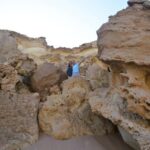
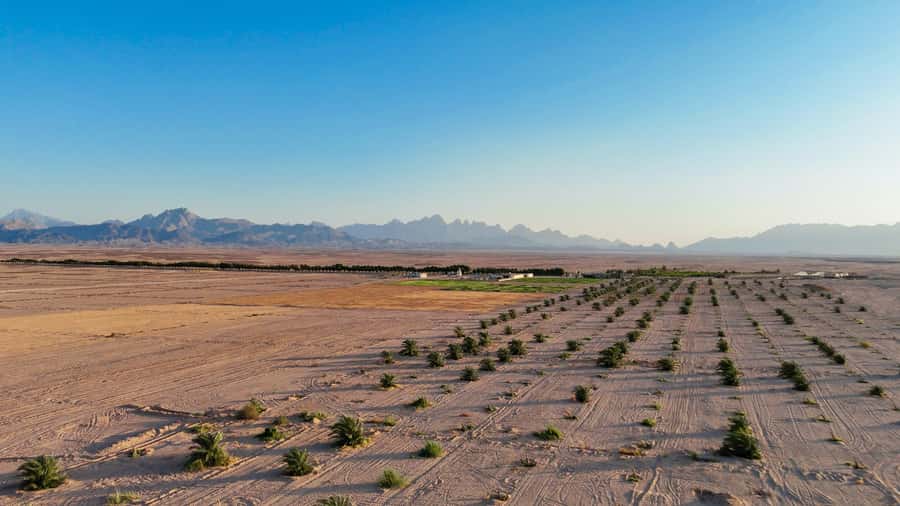
This off-road segment is also why the whole night feels like an adventure. You’re leaving the coastal routine behind. The desert air and the change in the horizon line make the sunset and stargazing feel more dramatic once you get to camp.
Oasis Welcome and Farm Tour: The Most Authentic Part of the Day
After the off-road drive, you arrive at an oasis area where you’re welcomed with tea, Arabian coffee, and dates. It’s a small moment, but it sets the tone. You’re not just arriving for “the next activity.” You’re being hosted.
Then comes the farm tour. You’ll see green plants and farm animals, and you can often feed the animals—especially a hit for families. This is one of the most praised components, because it turns the evening from entertainment into something you can actually participate in.
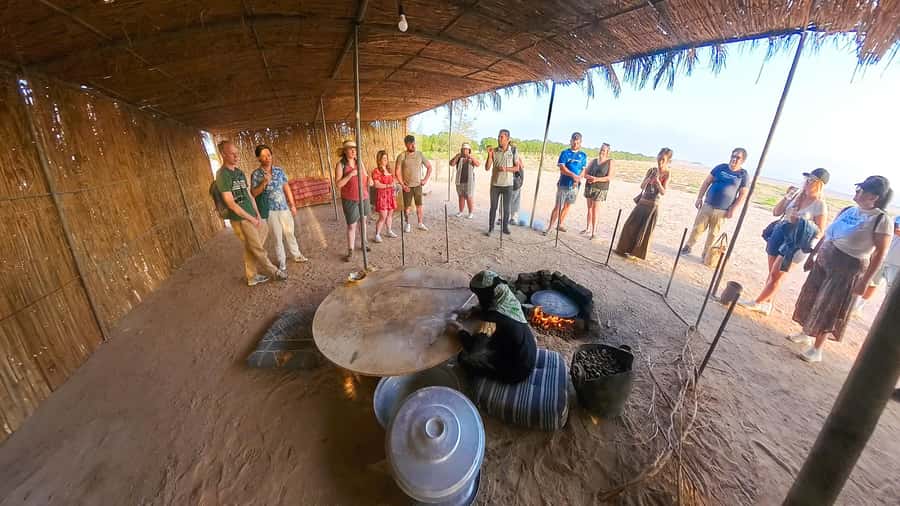
A detail to note: the farm atmosphere is simple and close-up. If you love seeing how people manage animals and crops in a desert region, you’ll probably enjoy this more than the rides themselves. Some evenings may include extra cultural touches like watching traditional bread being made, but don’t count on that every time—treat it as a bonus if it happens.
Camel Ride and Horse Round: Included, Brief, and Still Memorable
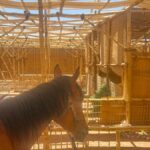
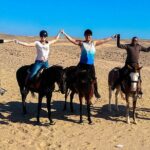
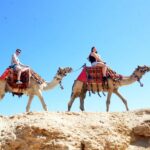
Here’s the trade-off: the camel ride is about 5 minutes, and the horse round is also about 5 minutes. This is not a half-day riding fantasy. It’s a quick taste.
The upside is that it fits the tour’s overall rhythm. You don’t lose the evening waiting around, and you still get to enjoy sunset and stargazing afterward. The downside is obvious: if someone in your group is hoping for long riding time, you’ll want to understand that this package keeps it short and included.
Also, the animals are part of the emotional picture here. People repeatedly say the camels and horses seemed well cared for, and the staff are attentive around riders. Still, if you’re dealing with animal allergies or you’re uneasy around animals, this may not be the right fit.
High-Hill Sunset: When the Desert Finally Looks Like the Desert
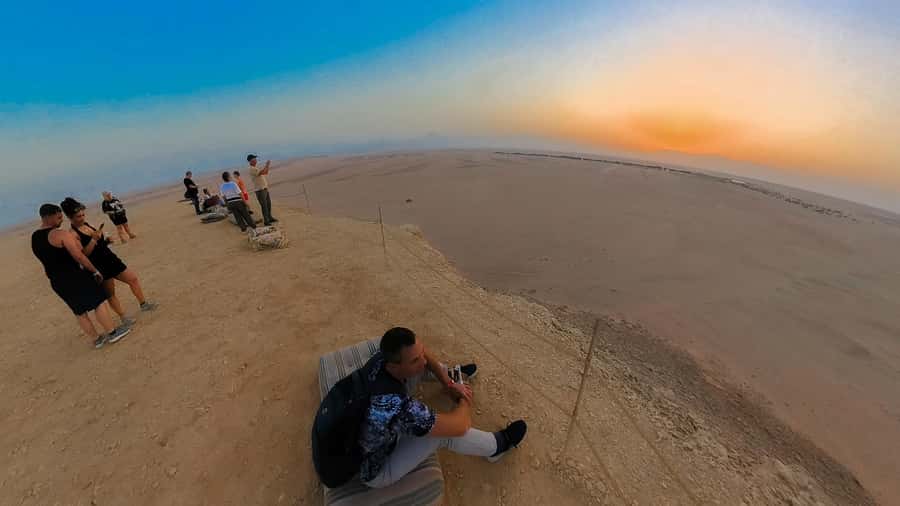
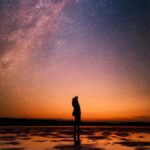
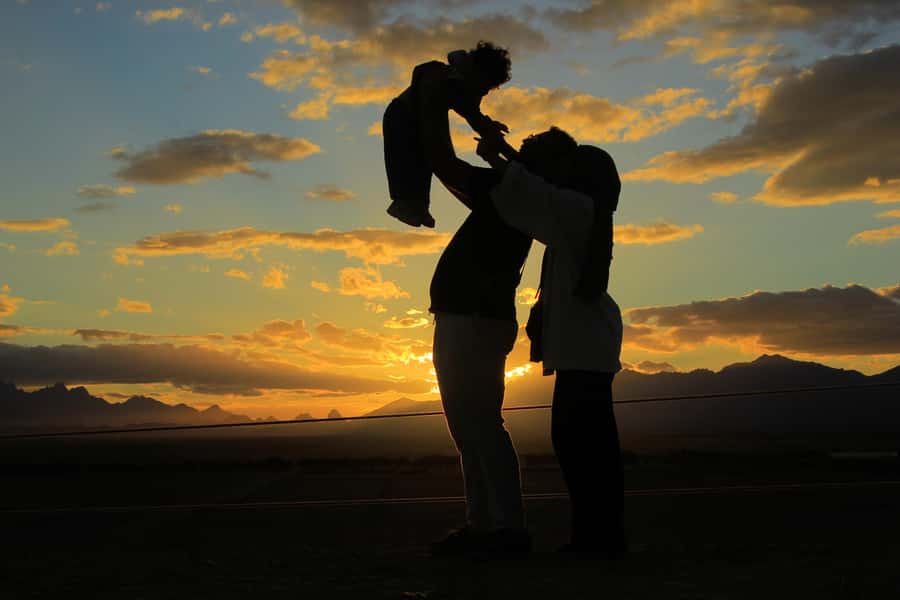
Next, you head to a high hill for sunset viewing. This is where the desert changes from scenery into a scene you can feel. You’re up off the dunes enough to take in wide views, and it’s the moment when the sky gets ready for its main event.
You’ll have a drink while you watch the light shift across the sand. It’s not just pretty; it’s practical timing. Sunset sets the stage for stargazing, and most guides use this window to get people calm and ready—especially if the telescope session will be more satisfying once your eyes adapt to the dark.
In winter months, it can cool down fast. That’s why layering matters here. Even if it feels warm when you leave Hurghada, the desert temperature can surprise you later in the evening.
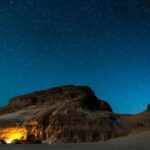
Dinner in the Desert: More Than a Meal, a Social Break
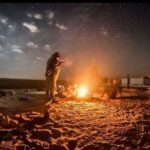
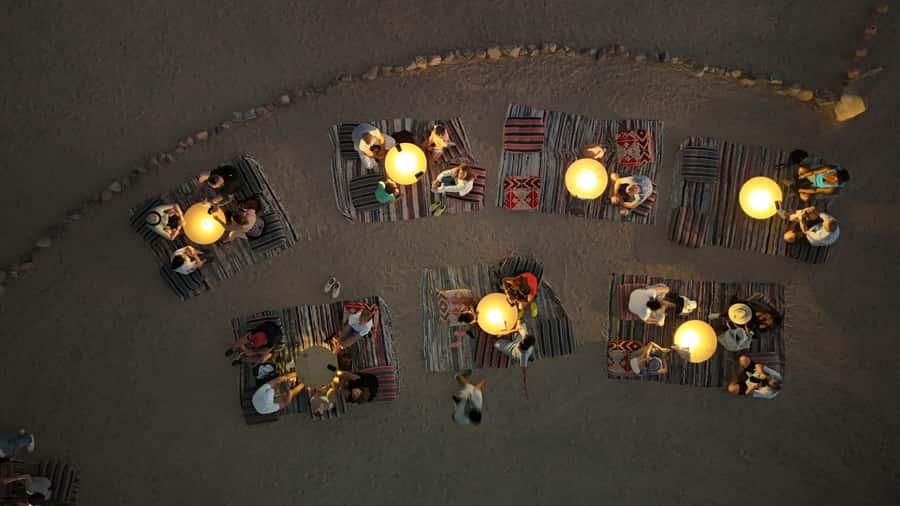
After sunset, dinner is served with grilled chicken, meatballs, rice, salads, vegetables, and cola. This is the kind of hearty meal that keeps you going through the cold portion of the night.
A few things to set expectations:
- Dinner is part of the experience format, not a quick buffet stop.
- Some people note the food could run cooler depending on when you arrive or how the meal is staged, so if you’re sensitive to temperature, bring a light layer.
- Eating in the desert adds atmosphere fast. Candlelight is mentioned by some groups, and even without that, it still feels like a different world from all-inclusive hotel dining.
If you want something to drink beyond the included cola, the data doesn’t promise extras. But the tour structure does include soft drinks, and it’s enough to stay comfortable during the transition from sunset to the stars.
Telescope Stargazing and Constellations: Where the Night Turns Educational
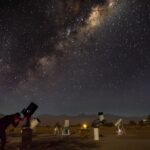
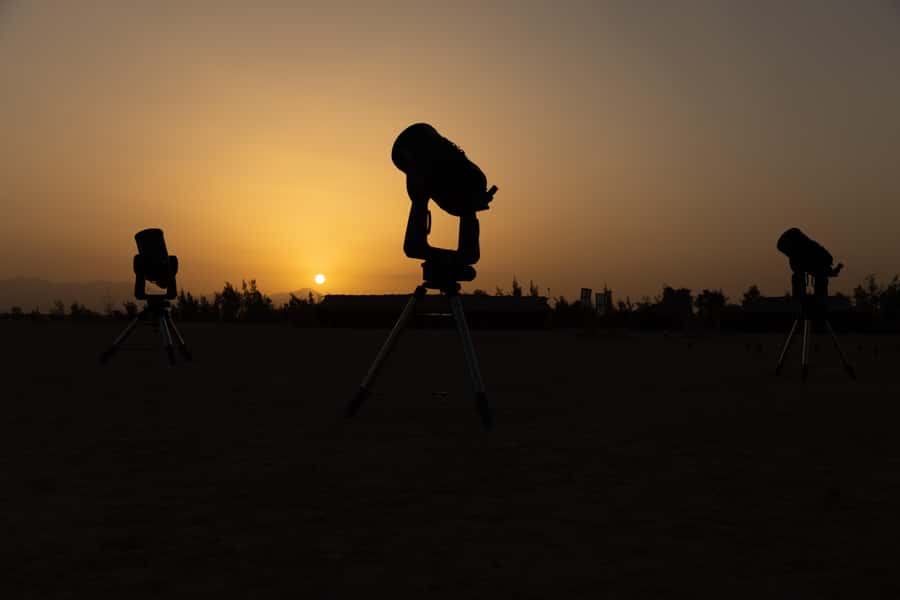
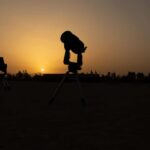
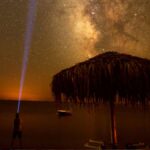
This is the core reason most people book it: stargazing using a professional telescope plus live explanation.
The format is simple and effective:
- You start with about 15 minutes laid back while you watch the sky.
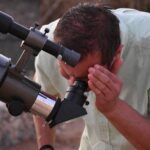
- Then the guide uses the telescope to show targets based on season and what’s visible.
- While this happens, you get constellation and horoscope-style explanations, and you can ask questions.
Guides repeatedly mentioned by name—like Nasser/Marshmallow and Arabi—are praised for turning astronomy into something you can follow. Some nights include:
- The Moon up close
- Planets such as Mars, Jupiter, and Venus
- The highlight often mentioned: Saturn, including the rings (when conditions are right)
One extra practical astronomy tip you might hear: how to orient yourself using the North Star. That kind of simple navigation talk helps you feel less like you’re only watching and more like you’re learning to read the sky.
September 2025 note: total lunar eclipse window
If your travel dates happen to match the provider’s special timing, there’s a scheduled astronomer event in September 2025 (days 6th, 7th, 8th) with a total lunar eclipse. That’s the kind of once-in-a-while sky event that can make the telescope session feel even more special. If you’re flexible, it’s worth planning around.
What You Should Bring (and Wear) for a Comfortable Night Sky
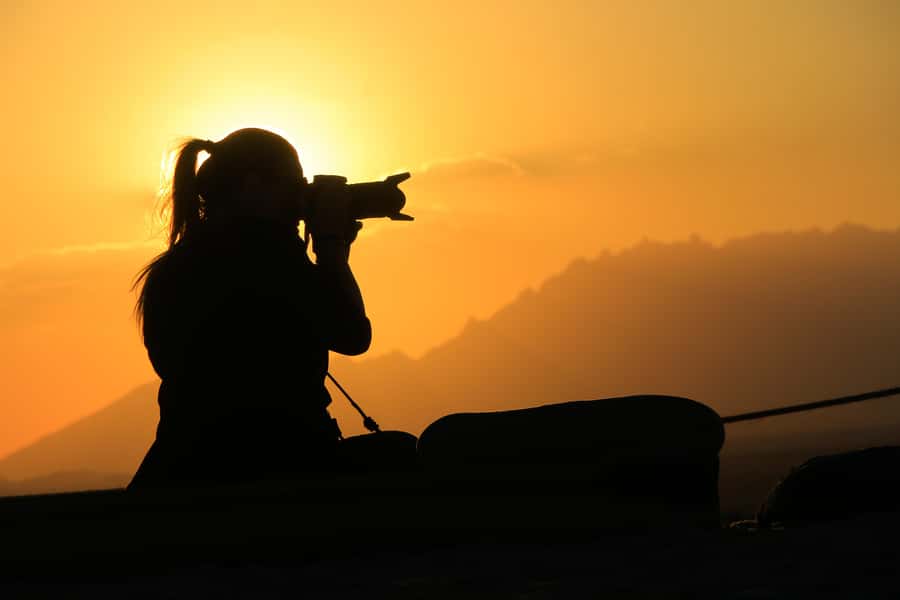
The desert part is fun, but the sky part can be cold—especially in the evening. People specifically warn about winter temperatures and recommend long layers.
Bring:
- Comfortable shoes (you’ll be on uneven ground)
- A camera (sunset + telescope views are photo-worthy)
- Water
- Warm clothing: long trousers and a jumper are a smart baseline
If you run cold easily, treat the night sky session as your “big jacket moment.” Some guests recommend even bringing a blanket. At minimum, wear something warm enough that you can stay still for the telescope portion without feeling miserable.
Also: if you’re sensitive to wind, check the weather forecast when possible. Windy nights can make stargazing less pleasant and may also reduce how still you can be while laying back.
Price and Value: Why $48 Can Actually Feel Like a Bargain
At about $48 per person, this tour looks like more than a basic ride-and-dinner outing. Here’s the value logic: you get transportation (including off-road time), multiple guided activities, animal interactions, dinner, and a telescope-led stargazing session with live explanations.
Add up the components:
- Off-road 17 km desert drive
- Oasis welcome drinks and dates
- Farm tour with animal feeding
- Camel and horse rides (included)
- Sunset viewing with a drink
- Dinner (multiple items, not just snacks)
- Telescope stargazing + live sky explanations
The only “watch this” part is that your total cost may include small extras depending on pickup area and location fees. The data states:
- If your hotel is outside Hurghada, there can be an extra charge.
- Hotels in Safaga, Makadi Bay, Sahl Hasheesh, and El Gouna add 5 euro.
- There’s a national park fee of 1 euro per person.
So yes, the headline price is $48. But check for those add-ons so you don’t get surprised.
Who Should Book This, and Who Should Skip It
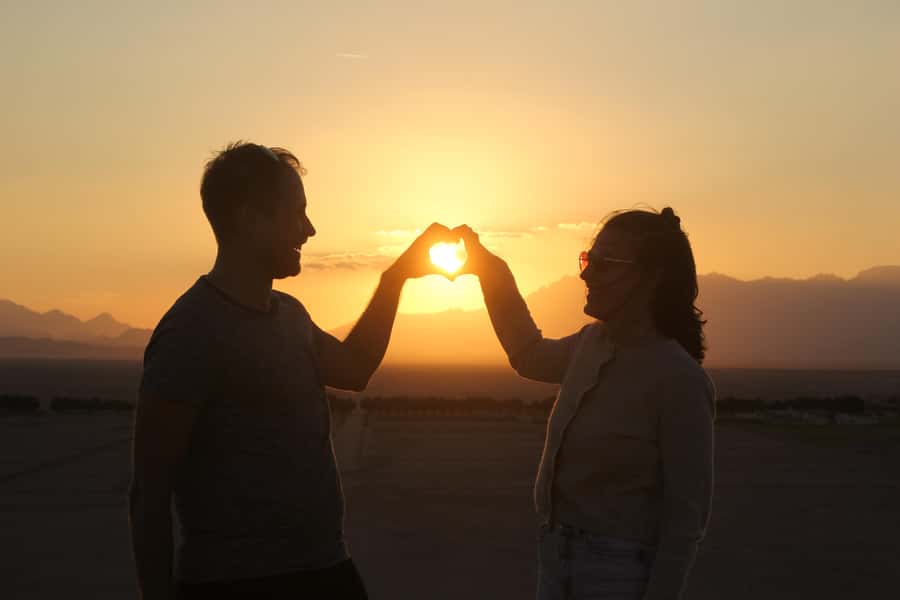
This tour is a strong match if you want an evening that mixes nature, animals, and sky viewing in one organized flow.
I’d recommend it for:
- Families who want farm animals plus short camel and horse experiences
- Couples who want a romantic sunset + stargazing vibe (many people describe it that way)
- Anyone interested in astronomy who likes guided explanations and telescope views
I’d be more cautious if you are:
- Pregnant (not suitable)
- Dealing with back problems (not suitable)
- Allergic to animals (not suitable)
- Very anxious around bumpy off-road rides
One more practical point: people praise guides and staff (including names like Ahmed, Mahmoud, Medhat, Alexander, and Mohamed Salah), but you still want to prepare for the fact that the drive is lively. Choose this if you’re okay with that energy.
Should You Book Star Stargazing Desert Adventure by Jeep & Dinner?
I’d book it if you want a well-filled desert evening in Hurghada and you care about the sky portion enough to dress for cold. The structure makes sense: off-road first, then farm and animals, then sunset and dinner, and finally stargazing with a professional telescope and real explanations.
I wouldn’t book it with sky-expectation perfection on your mind. Cloud cover or wind can limit what you see. The guide can still teach, but the sky needs clear conditions for the best planet views.
If you’re flexible with timing, and especially if you’re traveling in periods when skies are often clearer, this one is a very solid value play for an experience that goes beyond the usual hotel routine. It’s not just entertainment. It’s a guided night lesson, with desert hospitality built around it.
FAQ
What is included in Star Stargazing Desert Adventure by Jeep & Dinner?
Hotel pickup and drop-off, off-road desert drive, welcome drink (tea, Arabian coffee, dates), farm tour with animal feeding, camel ride and horse round (both about 5 minutes), sunset viewing with a drink, dinner (grilled chicken, meatballs, rice, salads, vegetables, cola), and stargazing with a professional telescope plus live guide explanations about stars and horoscope.
How long are the camel ride and horse ride?
The camel ride is listed as about 5 minutes, and the horse round is listed as about 5 minutes.
Is stargazing done with a telescope?
Yes. After dinner, you’ll have a stargazing session and then use a professional telescope to watch targets visible depending on the season.
Do you get hotel pickup in Hurghada?
Yes, pickup and drop-off are included. If your hotel is outside Hurghada, extra charges may apply. There can also be additional fees for hotels in Safaga, Makadi Bay, Sahl Hasheesh, and El Gouna.
What should I bring for the tour?
Bring comfortable shoes, a camera, and water. The desert evenings can get cold, so it’s also a good idea to wear warm clothing.
Is the tour suitable for everyone?
It’s not suitable for pregnant women, people with back problems, or people with animal allergies.