REVIEW · MARSA ALAM
Marsa Alam SPACE OBSERVERS ( Desert Stargazing )
Book on Viator →Operated by SPACE OBSERVERS EGYPT · Bookable on Viator
Marsa Alam turns the night into a show—slow, dark, and unforgettable. This SPACE OBSERVERS desert stargazing trip pairs a relaxed Bedouin evening in Padi Valley with a real astronomy session using a GPS-directed 15-inch Meade telescope.
I like how the evening keeps a friendly rhythm: camel time, Bedouin tea, bread by a campfire, sunset from a small cliff, then dinner before the sky tour. I also like the focus on astronomy with professional specialized guides and telescopes set up specifically for stargazing.
One thing to consider: you’re outside after sunset and spending hours away from a hotel comforts-and-mirrors setup. If you’re not into desert evenings (or you dislike cold night air), this may feel like more nature than you expected.
In This Review
- Key things that make this stargazing tour worth your evening
- Padi Valley and Marsa Alam: why the sky here is the star
- Pickup at 4:00 pm and a 5.5-hour flow that stays comfortable
- Ababda Camp arrival: Bedouin tea, bread by the fire, and sunset from a cliff
- Camel time and dinner: the pace is relaxed, but plan for desert reality
- The astronomy engine: 15-inch Meade GPS telescope stargazing hour
- Guides, languages, and small-group attention
- Price and value: how $85 stacks up for telescope access and dinner
- What’s not included (and what to watch your budget for)
- Desert comfort checklist: simple things that make the night better
- Who this tour fits best (and who might feel underwhelmed)
- Should you book SPACE OBSERVERS in Marsa Alam?
- FAQ
- What does the Marsa Alam SPACE OBSERVERS stargazing tour include?
- How long is the desert stargazing experience?
- Where does the tour start and end?
- Is there a camel ride on this tour?
- How much time do you spend stargazing with the telescope?
- What kind of telescope is used?
- Are any meals or drinks included?
- What is not included in the price?
- Is the tour limited in group size?
- Can I cancel and get a full refund?
Key things that make this stargazing tour worth your evening
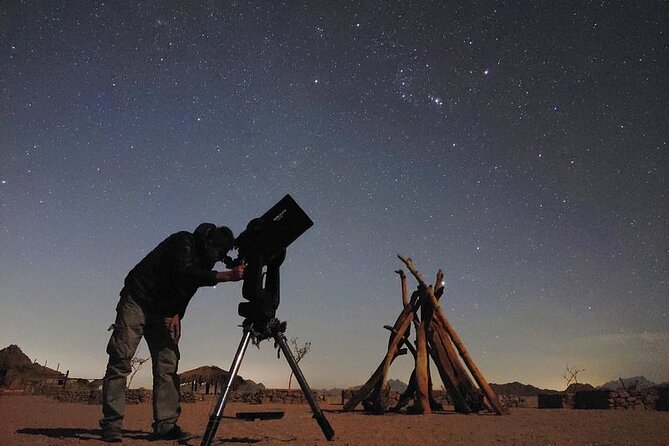
- Padi Valley dark-sky setting: desert conditions are the whole point, before you even touch a telescope
- Ababda Camp experience: Bedouin tea, simple-life talk, and bread made over a campfire
- Sunset viewpoint: a short climb to watch the horizon before the stars take over
- 15-inch GPS-directed Meade scope: the tour uses a serious instrument, not just a quick look
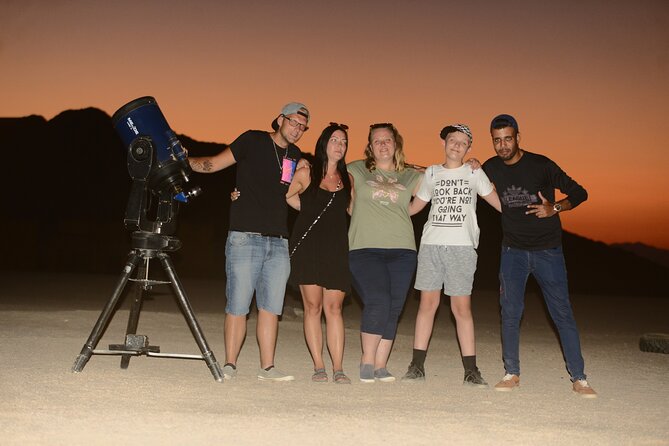
- Small group size (max 12): you get more attention during the telescope time
- Dinner included: BBQ and an open buffet style meal keeps the evening going smoothly
Padi Valley and Marsa Alam: why the sky here is the star
This tour is built around one idea: get you out of the brighter zones and into a desert night where the stars show up properly. The operator specifically highlights observation conditions and uses a dedicated observatory setup with a big telescope, which matters. In stargazing, the sky quality and the equipment both make a difference, and this experience tries to hit both.
Marsa Alam is the kind of place where the desert can feel wonderfully quiet. You’re not sitting in a crowded city lot waiting for a quick peek. Instead, you’re guided through an evening that naturally shifts from day light to sunset, then to full darkness—exactly when astronomy works best.
If you’re the type who loves clear “look and learn” moments, this setup is made for you. You’ll feel the night sky become the main character, not a side attraction.
You can also read our reviews of more tours and experiences in Marsa Alam.

Pickup at 4:00 pm and a 5.5-hour flow that stays comfortable
The timing is structured in a way that helps you enjoy both parts of the experience without rushing. You’ll be picked up from your hotel around 4:00 pm and driven by an air-conditioned vehicle toward Padi Valley. The transfer is part of the plan, giving you time to settle in before the camp activities start.
The total experience runs about 5 hours 30 minutes, with a return to your hotel around 8:30 pm. That gives you enough time for dinner and a proper telescope session, without turning it into an all-night ordeal.
Why this matters: desert stargazing works best when you’re not constantly getting bumped in and out of the car. This itinerary keeps you at the camp long enough to enjoy sunset and then stay for the dark-sky viewing.
Ababda Camp arrival: Bedouin tea, bread by the fire, and sunset from a cliff
Once you reach Ababda camp in Padi Valley, the tone shifts fast. You’re not dropped into a tourist checklist. You’re welcomed into the rhythm of the camp—tea first, then guided storytelling about Bedouins’ everyday life.
A standout early moment is the bread made over a campfire. Watching how something simple becomes real food in a desert setting adds a human scale to the experience. It’s not just dinner later; you start with the process.
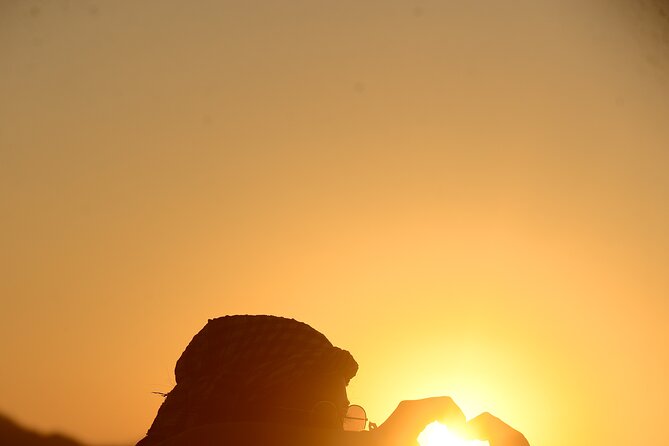
Then comes a sunset segment that’s more than “stand and point.” You climb a small cliff for a view—one of those moves that makes you feel like you changed locations, not just changed times of day. Sunset here becomes a quick reset: you stop thinking in schedules and start watching the sky brighten and then fade.
Camel time and dinner: the pace is relaxed, but plan for desert reality
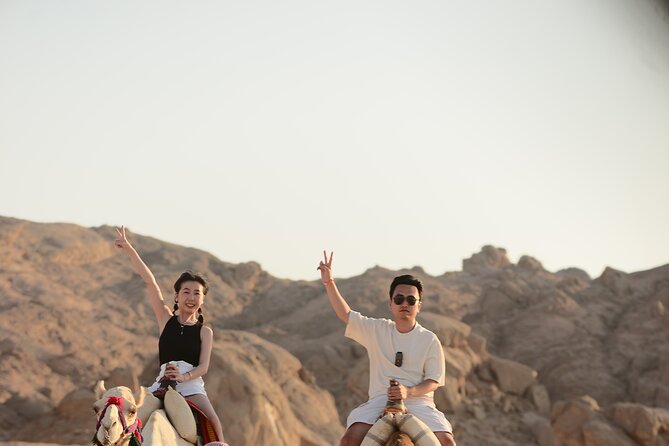
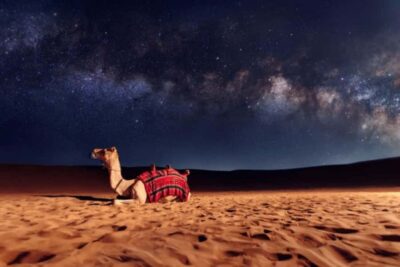
After arrival, there’s a 30-minute camel ride. It’s included, and it’s one of those “yes, I’m doing it” moments that most people remember longer than they expect. Wear comfortable clothes you don’t mind getting a little dusty. Also, think about the practical side: you’ll be in a desert environment and moving around.
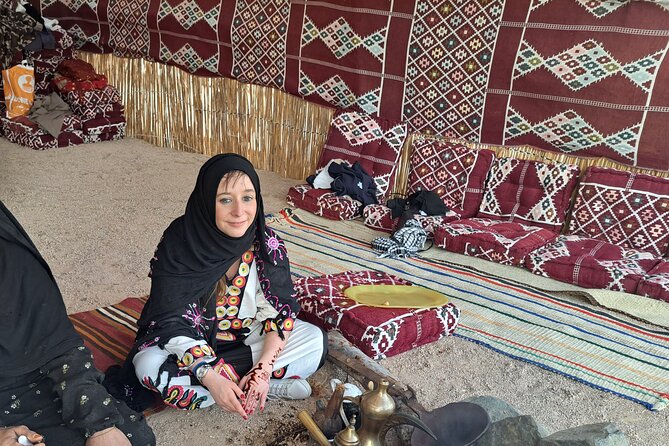
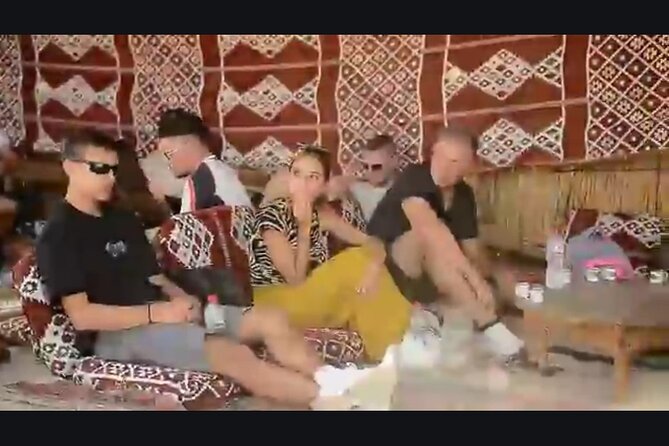
After that, you rest in the Bedouin tent while the evening develops. Next comes a freshly prepared Bedouin dinner, described as including barbecue and an open buffet style meal. There’s also bottled water and soft drinks during dinner, which is helpful because once the evening cools off, you’ll appreciate not having to hunt for hydration.
The dinner matters for stargazing value. If you arrive hungry, you’ll feel the cold and fatigue sooner. This itinerary handles that by feeding you before the telescope time.
The astronomy engine: 15-inch Meade GPS telescope stargazing hour
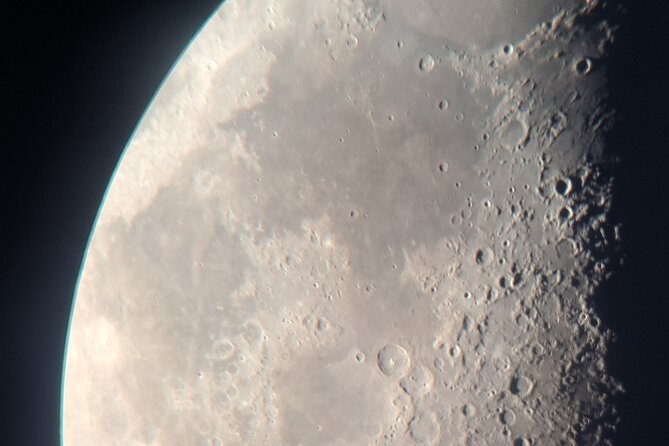
This is the core of the experience: your guided time under the sky with a large telescope. The operator mentions using a GPS-directed Meade observatory telescope with a 15-inch setup. That’s a big deal, because it means the telescope is designed to find and track targets accurately—not just “look through and hope.”
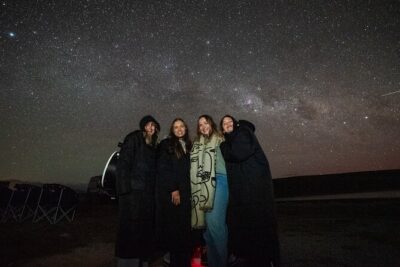
You’ll spend about 1 hour exploring the sky with a professional astronomer and view through the telescopes. The focus is on deep space objects and the night sky above Egypt, and you’ll get explanations along the way rather than a silent telescope handoff.
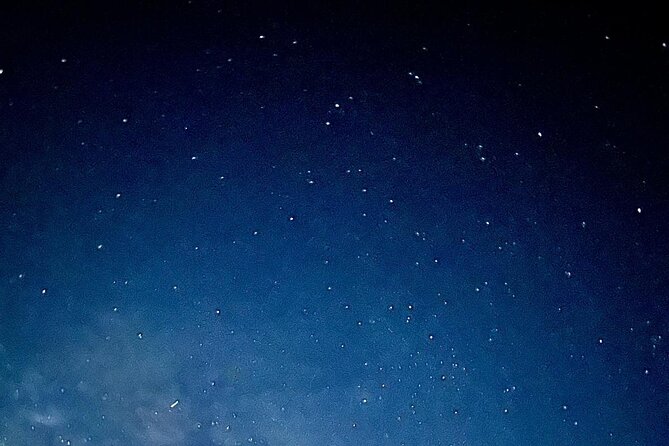
What you might see depends on conditions, but the experience is clearly aimed at moments like the Milky Way and even planetary views such as Saturn (one visitor specifically mentioned Saturn). If you’re picturing a dramatic starburst movie moment, stargazing is usually more subtle than that—but the satisfaction comes from seeing real structures and knowing what you’re looking at.
Pro tip (practical, not magical): bring your patience. A telescope session is slower than a selfie spot. The best moments often come when you stop rushing and let the guide get your bearings fast.
Guides, languages, and small-group attention
The operator positions itself as a specialist astronomy provider, describing long experience and a team of professional astronomy guides. They also note that guides speak in different languages.
You’ll likely get clear explanations. In one case, the guide named Harabi was praised for speaking French, German, and English, along with sharing lots of information about Bedouin life. Another guide name you might hear is Moussa, recognized for excellent care.
The group limit is 12 travelers, which is a quiet superpower for this kind of activity. Telescope time can’t scale well to huge crowds—people need space, and questions matter. A smaller group makes it more likely you actually understand what the guide is showing you.
Price and value: how $85 stacks up for telescope access and dinner
The listed price is $85 per person, which is not just for the telescope. You’re also getting:
- hotel pickup and return by A/C vehicle
- Bedouin camp time at Ababda camp
- camel ride and Bedouin tea
- a guided camp experience that includes watching bread made over a fire
- BBQ + open buffet dinner with water and soft drinks
- telescope use during a guided stargazing hour
On top of that, there’s the small catch: government fees of $5 per person are not included. And if your hotel is in South Marsa Alam, there’s an extra $10 transportation fee.
So what’s the real cost? For most people, think of it as $85 plus the $5 government fee, with the potential $10 added depending on your exact hotel location. Even with those added items, the value sits in the mix: you’re paying for specialized astronomy equipment time plus a full evening experience, not just a quick photo stop.
This tour makes the most sense if you want both cultures in one night: Bedouin camp hospitality in the desert and then astronomy that actually uses serious equipment.
What’s not included (and what to watch your budget for)
Two things are explicitly not included:
- Government fees ($5 per person)
- Time or purchases at the Bedouin pharmacy and handmade shop (optional, not required)
Also, the $10 extra transportation applies for hotels at South Marsa Alam. If you’re unsure where your hotel sits, it’s worth confirming before you go so you don’t find surprise charges at pickup.
This is also a tour where you should assume you’ll spend most of the night in one camp area. If you’re the type who wants to shop or keep the option open to leave early, this isn’t built for that style of freedom.
Desert comfort checklist: simple things that make the night better
The itinerary clearly includes sunset and night stargazing, plus time outdoors before and after dinner. That means your comfort comes down to a few basics.
Bring:
- a warm layer for after sunset (you’re outside during the stargazing portion)
- comfortable shoes for walking and the short cliff climb
- something practical for dust and sand if you’re sensitive to it
Bring your camera if you want, but keep expectations realistic. A telescope session is about seeing and understanding. Photos can work, yet it’s the guide and the sky knowledge that will likely stay with you longer.
Also, this is a “stay with the group” evening. The best experience comes when you follow the timing—tea, sunset, dinner, then the telescope hour.
Who this tour fits best (and who might feel underwhelmed)
This stargazing trip suits you if:
- you want guided astronomy, not just a vague star viewpoint
- you enjoy Bedouin camp culture and want a dinner that feels part of the story
- you like smaller-group experiences (max 12 helps a lot)
- you’re traveling as a couple, friends, or family and want one clear plan for the night
It may feel less ideal if:
- you prefer luxury all night (this is a desert evening, with outdoor timing)
- you dislike animals or activities like the camel ride
- you expect a fast, snack-and-sprint stargazing stop rather than an evening with dinner and explanations
Should you book SPACE OBSERVERS in Marsa Alam?
If you’re choosing between a standard “look at stars from somewhere” option and a night built around a 15-inch GPS-directed Meade telescope plus a full Bedouin evening, this one leans toward the more complete experience.
I’d book it if your goal is simple: see the sky properly, learn while you’re looking, and enjoy a desert night that feels like an actual experience—not just a ticket. It’s also a strong pick if you want to avoid big crowds, thanks to the 12-traveler limit.
Just budget for the extras that are clearly listed ($5 government fees, and possibly $10 for South Marsa Alam hotels), pack a warm layer, and go in ready to slow down. The payoff is that the night sky stops being abstract and becomes something you can name, understand, and actually view.
FAQ
What does the Marsa Alam SPACE OBSERVERS stargazing tour include?
It includes hotel pickup and return by air-conditioned vehicle, coffee or tea, camel riding, Bedouin dinner (BBQ and open buffet style), bottled water and soft drinks during dinner, and telescope use with professional guides for the astronomy session.
How long is the desert stargazing experience?
The total duration is about 5 hours 30 minutes, with a return to your hotel around 8:30 pm.
Where does the tour start and end?
You’ll be picked up from your hotel in Marsa Alam around 4:00 pm and driven to Ababda camp in Padi Valley. After the stargazing and dinner, you’ll be driven back to your hotel around 8:30 pm.
Is there a camel ride on this tour?
Yes. There’s a 30-minute camel ride as part of the itinerary.
How much time do you spend stargazing with the telescope?
You spend about 1 hour exploring the sky with a professional astronomer and viewing through the telescopes.
What kind of telescope is used?
The tour uses a GPS-directed Meade telescope described as a 15-inch observatory telescope.
Are any meals or drinks included?
Yes. Tea is included, and dinner is included with BBQ and an open buffet. Bottled water and soft drinks are included during dinner.
What is not included in the price?
Government fees of $5 per person are not included, and the Bedouin pharmacy and handmade shop are not included. There’s also an extra $10 transportation fee for hotels in South Marsa Alam.
Is the tour limited in group size?
Yes. The maximum group size is listed as 12 travelers.
Can I cancel and get a full refund?
Yes. You can cancel up to 24 hours in advance for a full refund. If you cancel less than 24 hours before the start time, the amount paid is not refunded.