REVIEW · MAUI
Stargazing Tour in Kapalua
Book on Viator →Operated by Stargaze West Maui · Bookable on Viator
Maui turns you into a skywatcher fast. I like the small-group vibe and the way you get to see planets up close through a Schmidt-Cassegrain telescope. One caution: if you want very deep Hawaiian navigation details, this may feel a bit more general than you hoped.
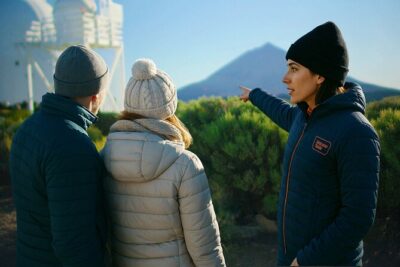
It’s a short evening program, about an hour, with a guide who ties together what you’re seeing and the stories behind it. Christian uses a laser pointer to help you track constellations and celestial objects quickly, then you get telescope time to make the sky feel real.
You should also know the tour depends on good weather. When skies don’t cooperate, visibility can drop, and the experience may shift to what the night allows.
In This Review
- Key things to know before you go
- Where Kapalua’s West Maui Night Sky Really Gets Dark
- Meeting at Stargaze West Maui and Settling on the Sandmat
- How the 1-Hour Program Flows: Naked-Eye First, Telescope Next
- The Schmidt-Cassegrain Telescope Moment (and Why Time Feels Tight)
- Hawaiian and Polynesian Sky Stories: What You’ll Learn, What Might Need More
- Price and Value: Is $96 Worth One Hour on the Beach?
- Who This Small Group Tour Fits Best
- Practical Tips for a Better Night Sky Experience
- Should You Book Stargazing in Kapalua?
- FAQ
- Where is the meeting point for the Kapalua stargazing tour?
- How long is the stargazing experience?
- What language is the tour offered in?
- What’s included in the price?
- Is transportation, food, or drinks included?
- Do you provide restrooms or public bathrooms?
- What happens if the weather is cloudy?
- Is the tour accessible for people with walking limitations, and can I bring a service animal?
Key things to know before you go
- A maximum of 12 people: more hands-on attention and easier viewing than big tours
- Naked-eye sky first, telescope next: you learn patterns before you magnify them
- Beach seating with a sandmat: comfortable enough for an outdoor hour of looking up
- Christian’s laser-pointer style: it helps you find constellations fast, not just stare at dots
- Telescope time is limited by group size: you’ll see a few targets, not every object in the sky
Where Kapalua’s West Maui Night Sky Really Gets Dark
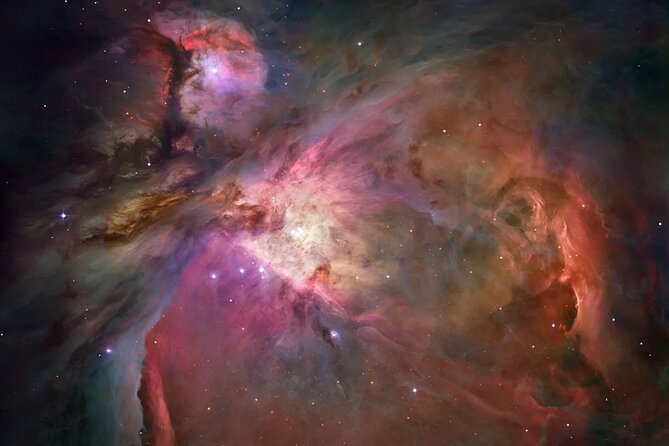
West Maui has a serious advantage for stargazing: light pollution is lower than in many resort zones, and the viewing spot is set up specifically for night sky viewing. During this tour, you’re taken to a darker stretch of beach, and that matters more than most people expect.
When the horizon is dark, the difference between “I see a few stars” and “wow, the sky is crowded” can be night-and-day. That is why you’ll often hear that the best part is the sheer number of stars you can see with your eyes, before the telescope even comes into play.
This is also why the tour works as a first-night activity for many people. You don’t need to “understand astronomy” ahead of time. You just need willingness to sit, look, and follow the guide’s pointing and explanations.
The one downside to keep in mind is that night-sky plans are always weather-dependent. Clouds can wash out the view. Even so, when the sky is at least partly clear, you can still get a memorable show.
You can also read our reviews of more tours and experiences in Maui.
Meeting at Stargaze West Maui and Settling on the Sandmat
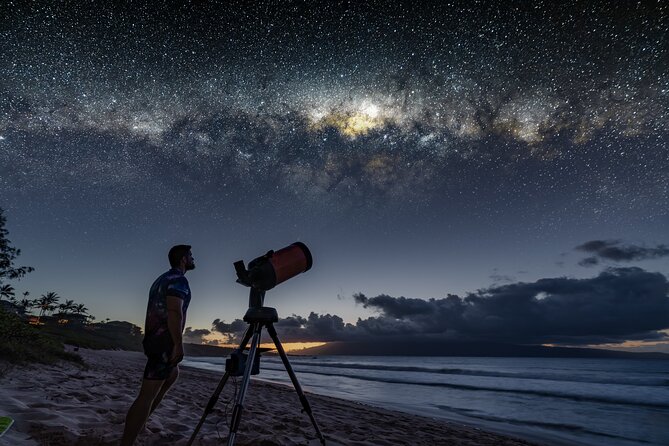
You’ll meet at Stargaze West Maui, 12 Kapalua Pl, Lahaina, HI 96761. From there, you head to the beach viewing area for the setup. One thing I appreciate about this format is that it keeps the experience focused: you’re not fighting through long transfers or dealing with a chain of pickups.
Once you’re at the viewing area, you use the provided large sandmat to sit comfortably on the sand. That’s a small detail, but it makes a big difference for a one-hour stargazing session. If you’ve ever tried to watch the sky while shifting your weight every few minutes, you already know how fast the experience can get annoying.
Physical demands are mild but real. The tour isn’t described as easy-access, because there are uneven stairs and limited lighting. The guidance also notes a moderate fitness level is required. If you’ve got knee issues or trouble walking on uneven surfaces at night, you’ll want to think twice.
For most people without mobility issues, though, this is a straightforward experience: show up, get seated, and look up.
How the 1-Hour Program Flows: Naked-Eye First, Telescope Next
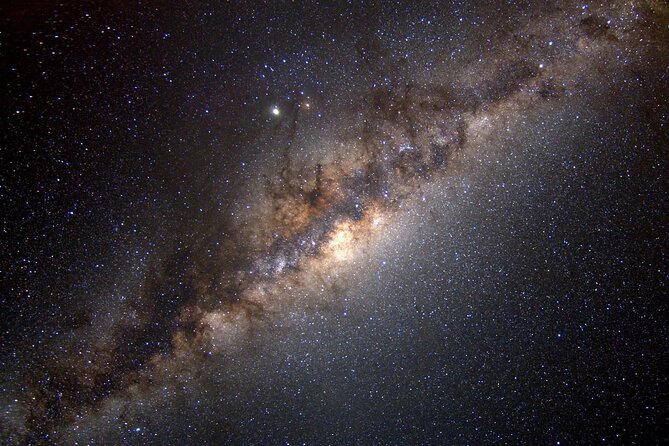
This tour is built like a good lesson: start simple, then level up. You’ll spend time looking at the sky with your eyes, using the guide’s pointing to help you recognize what you’re seeing. You’re not just staring into darkness; you’re learning where to look and what the shapes and patterns represent.
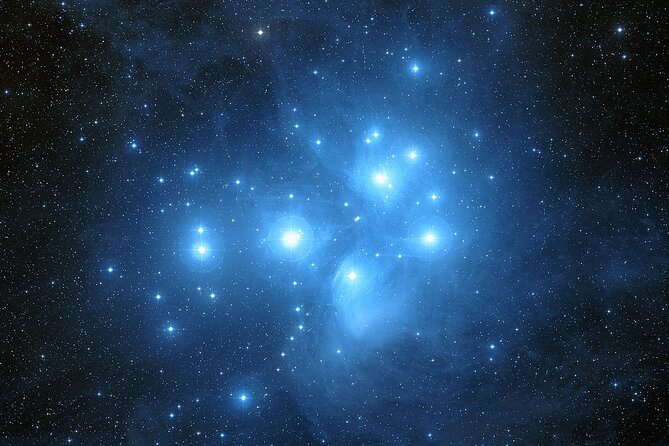
Then comes the telescope segment, using a Schmidt-Cassegrain telescope. This is where the sky turns from background scenery into something you can study. The guide’s explanations connect what you’re seeing (planets, star clusters, and other celestial objects) with the science behind it.
In practice, you’ll likely see a handful of distinct views rather than a long menu. One reason is practical: with a group limit of 12, telescope time has to be shared. Even when the telescope is excellent, the time at the eyepiece is finite.
That’s not a problem, as long as you go in with the right expectation. This is an hour-long orientation to the night sky, not a full observatory session. I like that it respects your time and still gives you the payoff of seeing something crisp and specific.
The Schmidt-Cassegrain Telescope Moment (and Why Time Feels Tight)
A Schmidt-Cassegrain telescope is a serious piece of kit. When conditions are right, it can show details that your eyes can’t. Saturn is the standout example for many people on this tour, including views where you can make out the planet’s rings.
That’s the kind of moment you remember later, long after the rest of the trip has faded. It also answers a common vacation question: is stargazing really worth it, or is it mostly just a dark walk and a lecture? Here, the telescope gives you a concrete visual payoff.
One tradeoff: telescope time is limited. With multiple people waiting, you’ll get a few looks, but not endless switching between targets. One review experience also highlights that you might see around five different views depending on how the night schedule and group timing play out.
If you really care about squeezing in the maximum number of telescope targets, you may feel a bit rushed. But if your goal is one great telescope highlight plus a guided tour of the sky, this setup is a strong fit.
Hawaiian and Polynesian Sky Stories: What You’ll Learn, What Might Need More
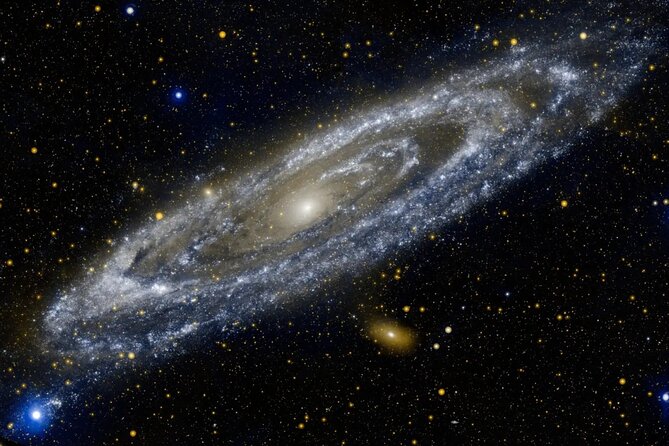
The tour includes Hawaiian celestial traditions and ties astronomy to history and mythology. The goal is to make the sky feel connected to place, not just science facts floating in space.
In other words, you’re not only learning what stars are. You’re also learning how people in Hawaiʻi and Polynesia historically paid attention to the night sky.
That said, there’s a balance here. Some people love the cultural storytelling included with the astronomy. Others come hoping for deeper navigation-focused detail, and they feel the tour doesn’t fully go there. The truth is: an hour is short, and anything cultural needs careful selection to fit into that time window.
So I suggest you plan accordingly:
- If you want a good intro that blends astronomy with Hawaiian/P Polynesian sky traditions, you’ll likely feel satisfied.
- If you want navigation-level depth as your main goal, consider pairing this with reading or a separate cultural experience before your trip, so your expectations match the time you have.
Either way, even a lighter cultural approach can add meaning to what you see through the telescope. Stars look different once someone explains how people used them and talked about them.
Price and Value: Is $96 Worth One Hour on the Beach?
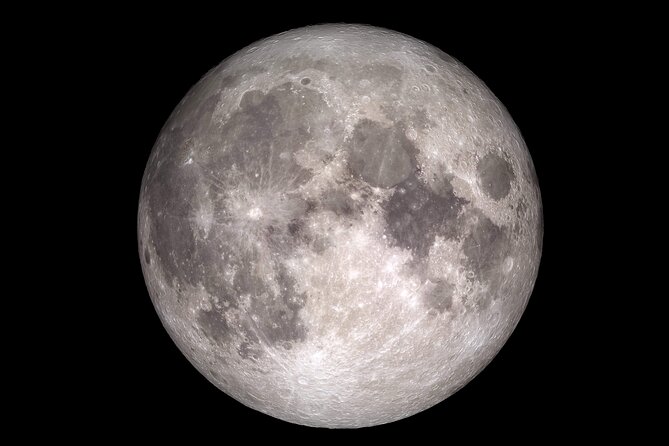
At $96 per person for about an hour, you’re paying for two things: guide time and access to a telescope. You’re also paying for a setting that’s actually suited to night viewing.
The value improves because the group is capped at 12 travelers, which tends to translate into better attention and less waiting. It also helps that the tour provides seating gear via the sandmat, so you’re not stuck figuring out how to make uncomfortable sand work for you.
You don’t get transportation, food, drinks, or restroom access as part of the price. Paid parking may also be on you. Those “not included” items can change the true cost depending on where you’re staying and how you’ll get there.
But when you add up what you do get—guided astronomy, a strong telescope viewing component, and a dark beach location—the price feels reasonable for a focused West Maui night activity. It’s also the kind of tour that works well early in your trip, when you’re still learning where everything is.
One extra signal: this experience scores high overall, with a 4.9 rating and a strong recommendation rate. That doesn’t guarantee it’s perfect for everyone, but it does suggest the concept is landing well.
Who This Small Group Tour Fits Best
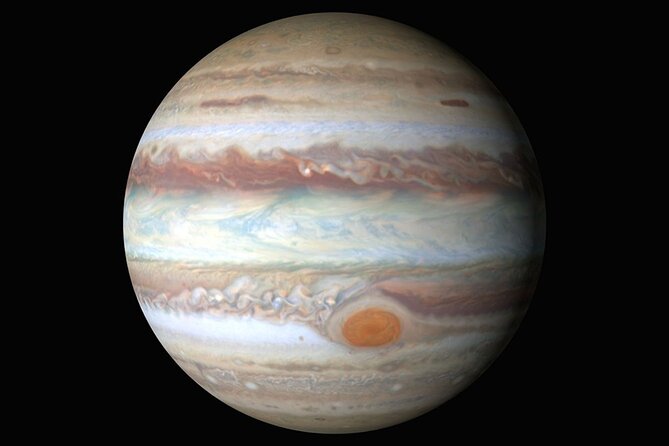
This is ideal if you want a calm, guided night rather than a busy, loud excursion. The beach setting is part of the appeal, especially on Maui’s West side where the night sky can be surprisingly satisfying when conditions cooperate.
It’s also a great match if you’re at any astronomy level. You don’t have to know constellations ahead of time. The guide’s laser-pointer approach helps you find what you’re learning, and the telescope provides the visual anchors.
You should think twice if you have mobility limitations related to walking on uneven stairs with limited lighting. The tour setup can be tricky at night if you need steady, even footing.
For families, it’s not an option for children under 6. If you’re traveling with kids over that age, the stargazing style can still be fun and exciting, especially when Saturn or bright planets show up.
And if you’re the type of person who likes short, well-organized experiences that don’t eat your whole evening, this tour fits neatly into a travel schedule.
Practical Tips for a Better Night Sky Experience
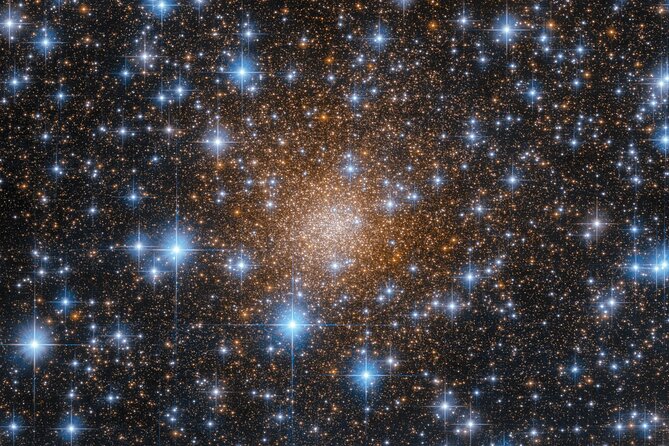
Stargazing rewards preparation. You can’t control clouds, but you can control how ready you feel when you arrive.
First, dress for cool night air on the beach. The tour notes that inclement weather gear isn’t included, so if rain or wind is possible for your dates, bring your own. Good conditions are required, and if visibility is reduced, you’ll want to be comfortable enough to keep looking anyway.
Second, plan your timing around the fact that it’s only about one hour. If you’re hungry or you forgot something essential, fix that before you go. The tour doesn’t include food or drink, and it doesn’t mention restroom access.
Third, be ready for shared telescope time. That means patience at the eyepiece and realistic expectations about how many targets you’ll see. You’ll get a few “wow” moments, not a long uninterrupted viewing session.
Finally, choose the time in your Maui plan that makes sense. If it’s your first night, it can act like a sky orientation. If it’s later, you might enjoy it even more because you’ve already started noticing what’s around you in daylight.
Should You Book Stargazing in Kapalua?
Book it if you want:
- a small-group West Maui stargazing experience
- a real telescope highlight, including views like Saturn when conditions allow
- Hawaiian celestial traditions plus science explanations in an hour-long format
Skip it or think harder if:
- your main goal is deep Polynesian navigation detail (you may want more than one hour)
- you have walking limitations that make uneven stairs at night hard
- you’re traveling on a date when cloudy weather is likely and you cannot flex your schedule
If you can handle a short, weather-dependent evening on the beach and you want to leave with a few clear, memorable telescope images, this tour is a strong use of your time in Maui.
FAQ
Where is the meeting point for the Kapalua stargazing tour?
The tour meets at Stargaze West Maui, 12 Kapalua Pl, Lahaina, HI 96761, USA.
How long is the stargazing experience?
It runs for about 1 hour.
What language is the tour offered in?
The tour is offered in English.
What’s included in the price?
You get telescope views, an informative guide, and a large sandmat for seating.
Is transportation, food, or drinks included?
No. Transportation to the starting location and food and drink are not included.
Do you provide restrooms or public bathrooms?
Public bathrooms are not included.
What happens if the weather is cloudy?
The experience requires good weather. If it’s canceled due to poor weather, you’ll be offered a different date or a full refund.
Is the tour accessible for people with walking limitations, and can I bring a service animal?
Service animals are allowed. The tour is not accessible for people with walking limitations such as knee surgeries or injuries that may prevent traversing uneven stairs with limited lighting.