REVIEW · CALGARY
Stargazing Tour – Kananaskis After Dark
Book on Viator →Operated by Kananaskis Outfitters · Bookable on Viator
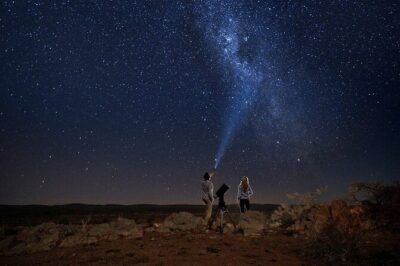
The stars feel closer out here. This small-group Kananaskis After Dark tour pairs a moonlit forest hike with a meadow pause where you can take in a sky full of stars. I especially liked how the guide kept the group moving safely in the dark and how the night-sky stop made the constellations feel readable, not random dots. One thing to plan for: snowshoes depend on snow levels, and even when you hike without them, the pace can be more “uphill workout” than gentle stroll.
I also liked the practical comforts. A warm drink and a cookie are included, which matters when you’re standing still under cold air. Plus, you get a headlamp and snowshoes when required, so you’re not fumbling with gear when it’s dark. The main consideration is weather. If clouds hang around, your view will be less dramatic, even with the best guide.
Even so, the vibe is exactly what I want from a night tour: outdoors, quiet, and hands-on. With a maximum of 9 travelers and an English-speaking guide, you get real attention without feeling like you’re in a big group funnel. If you’re planning to use a camera or tripod, bring them—this is one of those chances where you might actually get something worth saving.
In This Review
- Key things that make this stargazing tour work
- The Kananaskis After Dark vibe: a guided night hike with real sky time
- Getting started at Kananaskis Outfitters: where the night begins
- Moonlit forest hiking: snowshoe conditions and pacing you should expect
- The open meadow star pause: where the sky actually comes into focus
- What you’ll be offered: hot drink and cookie in winter cold
- Your camera and tripod: how to make the most of astrophotography time
- Price and value: what you’re paying for at about $78.86 per person
- Weather matters: how clouds can change your sky
- What to wear and bring: your cold-weather checklist
- Who this tour is best for (and who might want to think twice)
- Should you book Kananaskis After Dark?
- FAQ
- What’s included on the Kananaskis After Dark stargazing tour?
- How long is the tour?
- Do I need snowshoes?
- Where do I meet the guide?
- What should I wear for nighttime winter conditions?
- Is the tour suitable for children or service animals?
- Can I get a refund if I cancel?
Key things that make this stargazing tour work
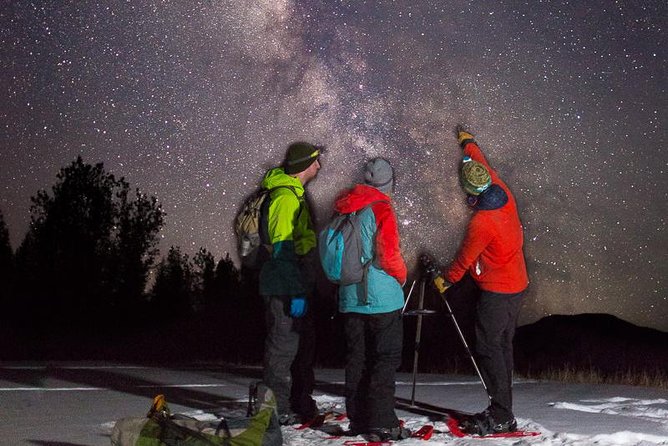
- Moonlit hiking first: the night sky experience starts while you’re still moving, not after you’re tired.
- Meadow star break: you stop in an open area so you can see the sky clearly.
- Headlamp + snowshoes if needed: you’re equipped for the dark, and snowshoe use varies with conditions.
- Hot drink and cookie: small comfort that helps you stay out longer in cold weather.
- Small group size: with a max of 9 people, questions and photo talk are easier.
- Guide-led astronomy: if you get Claude, the way he explains the sky tends to keep people engaged.
The Kananaskis After Dark vibe: a guided night hike with real sky time
This tour is built around two simple ideas: first, you experience the mountains after dark on a guided hike; then you slow down and watch the sky. The result is more satisfying than a sit-and-wait stargazing event. You’re not only looking up—you’re soaking in the whole night scene.
The hike is in Kananaskis forest, under moonlight when it’s available. That matters because moonlit snow and trees can look like a different place than what you see in daylight. One of the neat things about a guided nighttime route is that it turns a familiar area into something new. Even without deep technical astronomy, the experience feels fresh.
Expect about 2 hours total. That’s long enough for a proper hike and a meaningful pause under the stars, but short enough that most people can manage it with the right clothing. The tour is offered in English, and the group is kept small—up to 9 travelers—so you don’t lose your place or your chance to ask questions.
Getting started at Kananaskis Outfitters: where the night begins
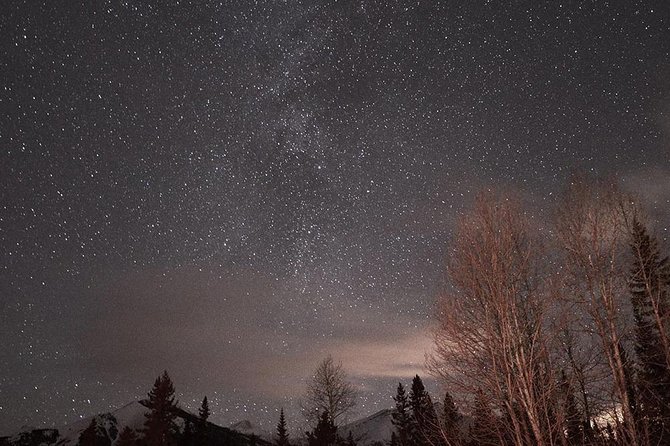
Your meet-up point is Kananaskis Outfitters, at 1 Mt Sparrowhawk Crescent, Kananaskis, AB T0L 2H0. This is where you’ll gather, get briefed, and settle into nighttime mode.
The practical value here is that you start with the right basics already sorted:
- You’ll have a headlamp for visibility.
- You’ll have snowshoes if required (they’re not always necessary, depending on snow levels).
- You’ll get a professional guide who leads the way through the dark.
This reduces the usual “guessing game” that happens on self-guided night walks. Here, you’re not trying to figure out where to step, how fast to go, or when to stop. You’re handed a plan, and then you can focus on the view.
Also note the booking pace. On average, this is booked about 27 days in advance, so I’d treat it as a “don’t wait” activity—especially around good weather windows. When conditions line up, stargazing tours tend to fill.
Moonlit forest hiking: snowshoe conditions and pacing you should expect
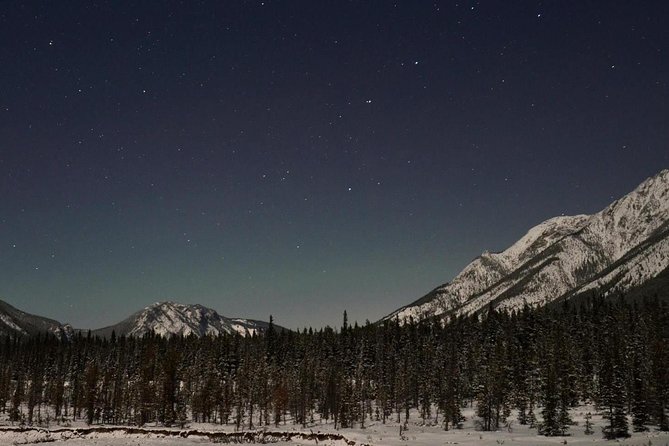
The core of the experience is a moonlit snowshoe hike through the Kananaskis forest. The tour description is clear that snowshoe use depends on snow levels, and that’s important for your expectations.
On deeper snow, you’ll wear snowshoes and move through wintry terrain. On lighter snow (or certain conditions), you might hike without them. Either way, you should dress for real cold, not casual winter weather.
Pacing is the part I’d call out most clearly. One of the experiences shared with me highlighted that if snowshoes aren’t used, the hike can feel like a solid uphill effort—even for adults who aren’t out of shape. So if you know you struggle with steep, steady walking, plan to take care of your fitness before you go.
A good way to think about it:
- You’re walking in the dark with a group.
- You’ll keep a steady rhythm for safety and togetherness.
- You may be on uneven winter footing.
If you’re unsure, ask yourself one question: could you comfortably walk uphill at a brisk clip for a short stretch while wearing winter layers and staying aware of footing? If the answer is yes, you’ll likely enjoy the hike a lot more than you fear it.
The open meadow star pause: where the sky actually comes into focus
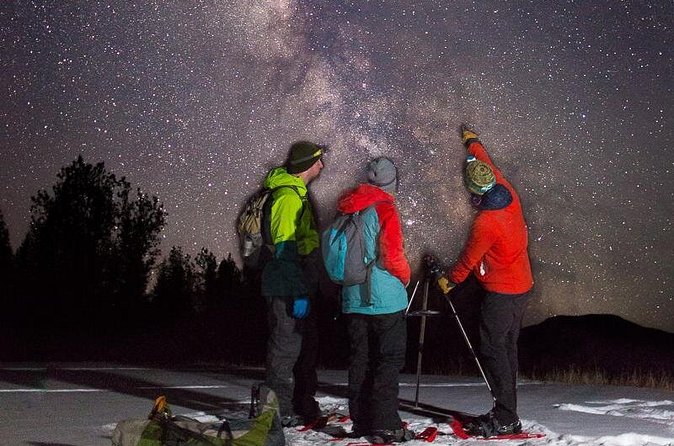
After the hike, your group pauses in an open meadow area to relax and take in the night sky. This is where the tour shifts from movement to observation.
Open meadows are what you want for stargazing. Trees and terrain can block views or create visual clutter. Here, the goal is simple: give you a cleaner slice of sky.
This is also your time for astronomy talk. The guide points out what you’re seeing, and the structure of the stop makes it feel less like you’re standing around guessing. If you bring a camera and tripod, this is the moment to use them for astrophotography attempts. The tour explicitly welcomes that.
One thing I really like about this setup is that it gives you options:
- If you’re into photos, you can try settings while you wait.
- If you’re not, you can just look up and enjoy the night.
- If you want to learn, you can ask questions while the group is gathered.
On clear nights, the star count can be shocking. In the experiences shared, clouds moved out and the sky improved dramatically, with people spotting lots of stars and even a couple of shooting stars. That’s not something you can guarantee, but it’s a good reminder that conditions can shift during the two-hour window.
What you’ll be offered: hot drink and cookie in winter cold
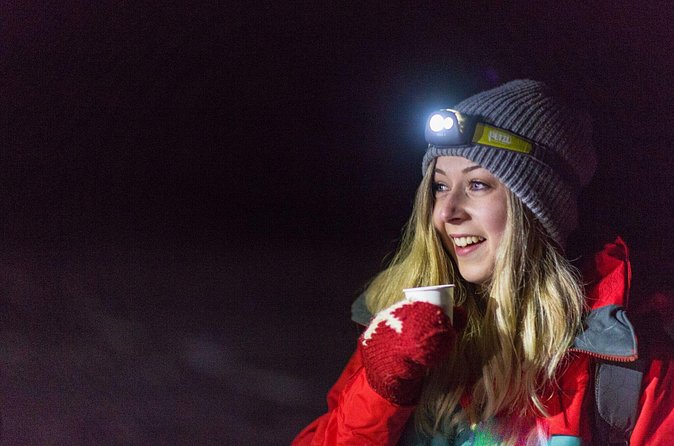
A warm beverage and a cookie are included. This isn’t just a nice add-on. It’s a functional part of why this kind of tour works.
When you’re outdoors at night in winter, the cold can steal your attention fast. A hot drink gives you a break in the middle of the experience, which helps you stay relaxed during the viewing portion. It’s also a social reset. People warm up, talk, and share what they’re seeing.
It’s a small detail that makes a big difference when you’re standing still under the stars later. Think of it as fuel for your curiosity.
Your camera and tripod: how to make the most of astrophotography time
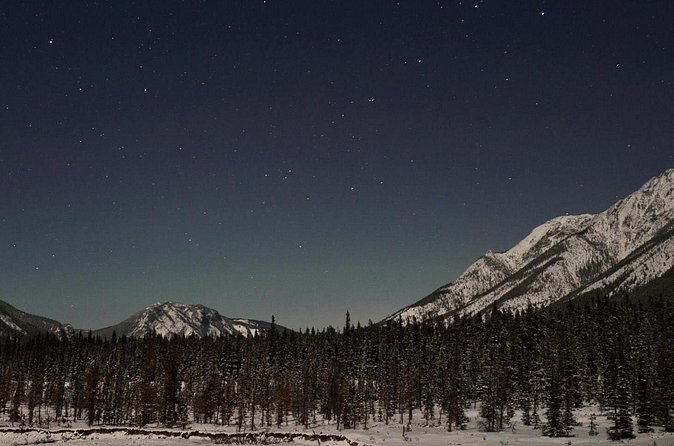
The tour invites you to bring a camera and tripod if you want to try astrophotography. That’s a smart choice because the meadow pause is exactly where you’ll have fewer obstructions.
If you’re bringing gear, keep your expectations realistic:
- You’ll be dealing with cold hands and slow setup.
- You’ll likely be sharing the viewing area with other people and group stops.
- The night sky can change quickly if clouds roll in.
Even if you don’t capture a perfect image, you’ll still get value from trying. Use the time to experiment, even with simple shots. The guide’s attention helps, because you can ask what you should be aiming for and how to time your shots while the group is paused.
And if you’re new to photography, don’t treat it like homework. Treat it like play with a purpose.
Price and value: what you’re paying for at about $78.86 per person
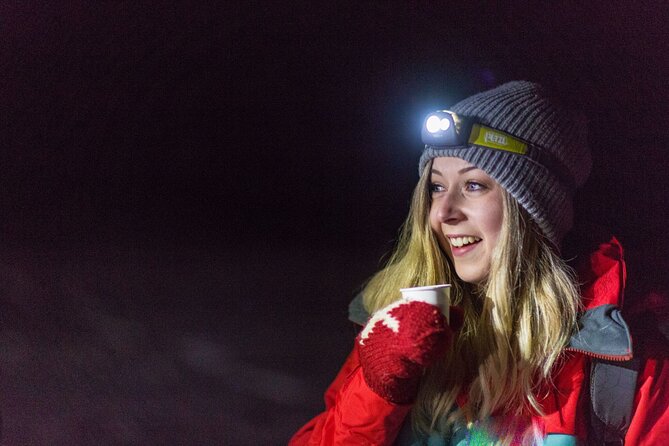
At $78.86 per person, this tour sits in the “worth it if you care about the outcome” category. The cost makes sense when you look at what you’re getting:
- A professional guide who handles routing and leads observation under night conditions
- Headlamp and snowshoes if required
- A real two-part experience: hiking first, then a dedicated sky stop
- A warm hot drink and cookie
- A small group capped at 9 travelers
If you tried to replicate this on your own, you’d either need local know-how for safe night routes or you’d end up improvising. Improvising in winter darkness is where things get annoying fast. Here, the guide removes that friction so you can focus on the stars instead of the logistics.
Another value point: this is a short tour. You’re not giving up an entire evening. For many people, the two hours is the sweet spot—long enough for a satisfying night, short enough to still feel like a win the next day.
Weather matters: how clouds can change your sky
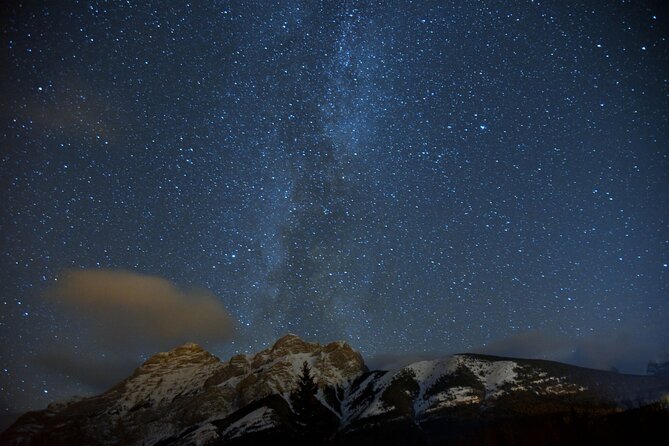
Stargazing tours are always weather-sensitive, and this one is no different. You should check current conditions before you arrive—specifically, the guidance points you to check the weather report for Kananaskis (Nakiska Ridgetop).
Here’s what weather really changes:
- Cloud cover can reduce star visibility.
- Wind and temperature can affect comfort while standing still.
- Snow depth influences whether you’ll use snowshoes.
The good news is that skies can improve quickly. One experience shared noted clouds clearing during the tour, leading to a sky full of stars and even shooting stars. You can’t count on a dramatic clearing, but you can go in with the mindset that conditions may shift.
If you’re the kind of person who enjoys planning as part of the fun, you’ll like this tour more. If you only want perfection and you hate uncertainty, it may feel frustrating when the sky won’t cooperate.
What to wear and bring: your cold-weather checklist
This is a winter nighttime activity. Dressing well is the difference between enjoying the stars and thinking about warmth every two minutes.
The tour advice is straightforward:
- Dress in layers
- Wear long underwear
- Add a mid layer like fleece or softshell
- Wear a jacket
- Bring a warm hat
- Use warm gloves or mitts
- Wear sunglasses (yes, even at night—it helps with glare around snow and bright stars)
- Wear warm, comfortable winter clothes
Also pack a few extras if you have them:
- Camera and tripod if you want to try astrophotography
- Anything you’d need to stay comfortable while standing still for a while
A last practical tip: arrive ready. Don’t count on time before the hike to fix clothing gaps. When you’re in the mountains and it’s dark, you want minimal stop-and-start.
Who this tour is best for (and who might want to think twice)
This works especially well if you want a guided stargazing experience without spending the whole evening driving around and guessing. You’ll likely enjoy it if you:
- like winter hiking and don’t mind a steady pace
- want astronomy explanations that help you understand what you’re seeing
- enjoy small groups and guided structure
- are okay with weather-based variability
It may be a tougher fit if:
- you’re not comfortable with uphill walking at a brisk clip (especially if snowshoes aren’t used)
- you hate cold and don’t plan to layer properly
- you need a completely accessible, totally effortless outing (this is an outdoor nighttime hike with winter footing)
On the positive side, most people can participate, and service animals are allowed. Children can go, as long as they’re accompanied by an adult.
And if your goal is astronomy learning plus a memorable night in the Canadian mountains, this hits that balance.
Should you book Kananaskis After Dark?
I’d book it if you want a focused, guided night outdoors where the stars are the headline and the hike is part of the fun. The small-group size, included headlamp and winter support gear, and the hot drink/cookie comfort make it feel well thought out.
I’d hesitate only if you know you’re uncomfortable with uphill effort in winter darkness, or if you’re the type who becomes miserable when the sky is cloudy. Stargazing can’t be forced. What you can control is your clothing, your gear (if you’re using a camera), and your expectations.
If you’re ready for a 2-hour winter adventure and you want the sky to feel understandable—not random—this one is a strong pick.
FAQ
What’s included on the Kananaskis After Dark stargazing tour?
You get a professional guide, a hot beverage and a cookie, and the use of a headlamp and snowshoes if required.
How long is the tour?
The tour runs for about 2 hours.
Do I need snowshoes?
You’ll use snowshoes if required, and the tour notes that snowshoe use depends on snow levels.
Where do I meet the guide?
You meet at Kananaskis Outfitters, 1 Mt Sparrowhawk Crescent, Kananaskis, AB T0L 2H0. The tour ends back at the meeting point.
What should I wear for nighttime winter conditions?
Dress in layers and wear warm, comfortable winter clothing. The guidance includes long underwear, a mid layer (like fleece or softshell), and a jacket, plus a warm hat, warm gloves or mitts, and sunglasses.
Is the tour suitable for children or service animals?
Service animals are allowed. Children must be accompanied by an adult.
Can I get a refund if I cancel?
This experience is non-refundable and can’t be changed. If it’s canceled because a minimum number of travelers isn’t met, you’ll be offered a different date/experience or a full refund.