REVIEW · FUERTEVENTURA
Stargazing from Dunes of Corralejo, Starlight Guide
Book on Viator →Operated by Stars by Night · Bookable on Viator
The Corralejo dunes turn the night into a show. This stargazing experience gets you out past the city glow, then guides you through the sky with telescopes and laser pointers so the stars make sense. I love how the Canary Islands Astrophysics Institute accredited starlight guide explains what you’re seeing, not just where to look.
Two things I really like: you get a rug and blanket so the cold is less of a problem, and the group stays small (max 13), which makes it easier to get answers. The vibe is also ideal for couples and families since the pacing is relaxed and the views are the star of the show.
One drawback to think about: you do walk on loose dune sand for about 5 minutes, so if mobility is an issue, you’ll want the alternative observation points mentioned for easier access.
In This Review
- Key highlights you’ll actually care about
- Stargazing in Corralejo Dunes: Why This Night Works
- Meet Your Starlight Guide: More Than Just Point-and-Shoot Astronomy
- A Typical 1.5–2 Hour Flow (and What Each Part Feels Like)
- What You Can See: Milky Way, Planets, and the “Wait, That’s Real?” Factor
- Comfort and Clothes: Staying Enjoyably Warm in the Dunes
- How Pickup and Location Affect Your Night
- The Price: $64.10 for 1.5–2 Hours of Real Value
- Weather and Scheduling: What to Expect When the Sky Changes
- Who This Is Best For (and Who Might Want a Different Option)
- Should You Book Stargazing from the Dunes of Corralejo?
- FAQ
- FAQ
- How long is the stargazing experience?
- How much does it cost?
- Is pickup included, and where does it work?
- What language is the tour offered in?
- What time does the activity start?
- What’s included in the price?
- Can I bring a service animal?
- What if the weather is cloudy?
- Are there alternative meeting locations for mobility needs?
- How many people are in the group?
Key highlights you’ll actually care about
- Accredited Starlight Guide from the Canary Islands Astrophysics Institute
- Small group size (up to 13) for a more personal night
- Telescope + binocular viewing with laser pointer guidance
- Blanket and rug for each person, so you can enjoy the sky longer
- Photo included: they photograph you and share it via link
- Weather-sensitive timing: sessions run about 1 hour after sunset, with extra dates when possible
Stargazing in Corralejo Dunes: Why This Night Works
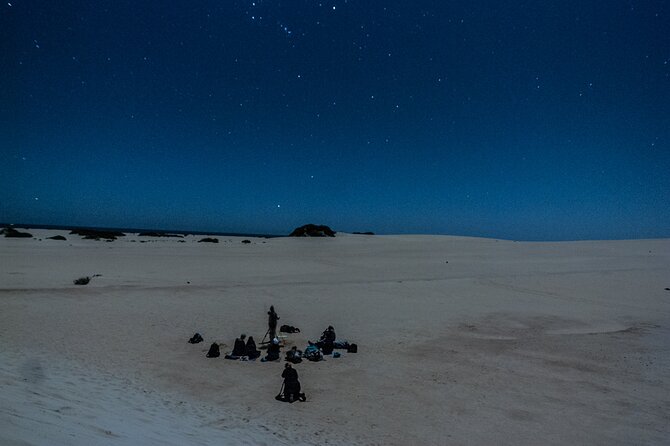
If you’ve ever looked up from a beach town and felt like the sky is muted, this is your fix. Out on the Corralejo dunes, the darkness is deeper, so you can pick out stars faster and the Milky Way has a better chance of showing up clearly.
The location also has a simple advantage: ocean air and open sky. You’re not stuck in a dark corner of a parking lot. You’re surrounded by sand, sea sounds, and a horizon that makes it easier for your guide to show you how the sky is laid out.
The sky here is also a great mix of “easy wins” and “wow moments.” Even if you’re starting from zero, you’ll likely recognize bright planets and connect constellations you’ve seen before. Then the telescope brings out the details your eyes alone can’t grab.
You can also read our reviews of more tours and experiences in Fuerteventura.
Meet Your Starlight Guide: More Than Just Point-and-Shoot Astronomy
This is where the experience earns its keep. Your starlight guide is accredited by the Canary Islands Astrophysics Institute, and you can feel the difference in how the explanations are delivered.
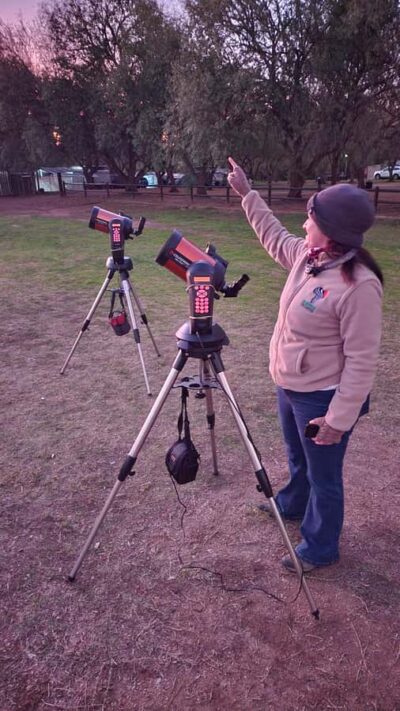
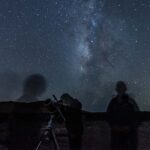
You’ll get a quick base of astronomy basics, then it all gets tied to the sky above you. Your guide uses laser pointers to point out what matters right now, so you’re not playing guessing games in the dark. This is especially helpful when clouds are moving or when the moonlight shifts what you can see.
The best part is that the night isn’t only technical. It’s visual and guided. I love how the pace lets you enjoy the sky with your own eyes, then step into the telescope views when the guide calls it out.
A Typical 1.5–2 Hour Flow (and What Each Part Feels Like)
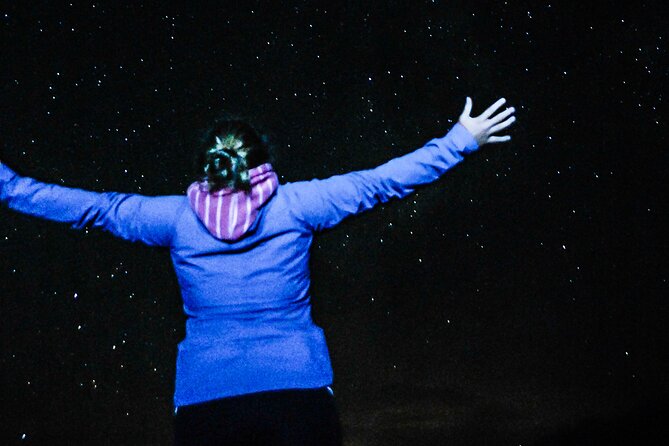
Most sessions run about 1.5 to 2 hours. The exact start depends on sunset, with meet times listed as roughly 1 hour after sunset (you might see times like 18:00 or 21:00, but those are approximate).
Here’s how the night usually unfolds based on what you’ll do on the ground:
1) Arrival and settling in
You’ll gather at the meeting point in Corralejo, then you’ll get set up with your rug or blanket. This part matters more than you’d think. If you start moving around too much early on, you lose time to the sky, and it gets harder to notice faint stars.
2) Short intro: basic astronomy you can actually use
Before the telescope magic, your guide gives the basics: how to read what you’re looking at, and how celestial objects shift as the night goes on. It’s designed for complete beginners, so you’re not expected to already know your way around the sky.
3) Telescope and binocular time
Then it’s hands-on observing. You use binoculars and professional telescopes, guided with laser pointing. Expect a mix of bright targets and classic sky sights—some best seen with your eyes, others that really pop through the lens.
4) Finishing with the sky’s best moments
The final stretch tends to feel the most special, because you’re already oriented. By then, constellations are easier to follow, planets stand out more, and you can relax into the experience instead of hunting for what’s next.
One small practical note: the walk is short, but you do walk over loose sands for about 5 minutes. It’s manageable for many people, but if you’re thinking about shoes, go for something stable.
What You Can See: Milky Way, Planets, and the “Wait, That’s Real?” Factor
This kind of stargazing shines when the sky cooperates. On good nights, you can see a lot with the naked eye, then you get the “how is this possible” details in the telescope.
From real session highlights, you should be prepared for a mix like:
- Milky Way visibility (a major highlight when conditions are right)
- Bright planets such as Venus and targets that may include Mars
- Polaris (useful because it helps anchor the night sky directionally)
- Moon viewing, sometimes with the moon rising
- Telescope views like Jupiter, including its moons, and sometimes Saturn with ring detail
- Occasionally, a surprise like shooting stars
The telescope part is the big payoff. With your own eyes, you’ll enjoy the pattern and brightness. Through the lens, the experience turns from pretty to specific.
And for beginners: constellations can be surprisingly satisfying even if you don’t care about star signs. You’ll get the shapes explained in plain language, and you’ll likely recognize groups like Taurus and Cancer when your guide points them out.
Comfort and Clothes: Staying Enjoyably Warm in the Dunes
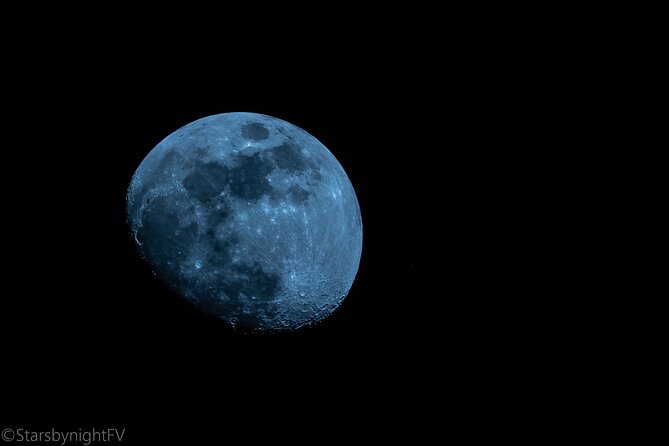
The dunes are beautiful, but they can get chilly. Even if the temperature feels fine earlier in the evening, the night air cools down fast once you’re stopped and watching the sky for a while.
You’re provided with a rug and blanket per person, which helps a lot. Still, you should dress for cooler weather than you think you need. Reviews also mention that having the right clothes makes the difference between just tolerating the cold and actually enjoying the whole session.
Good shoes matter too. You’ll walk briefly on loose sand, and stable footing keeps the experience smooth. If you’re the kind of person who hates fumbling with layers in the dark, plan what you’ll wear before you leave your hotel.
How Pickup and Location Affect Your Night
Pickup is offered, but only within a 5 km radius of Corralejo. If your address is not listed, you’ll add it manually. Pickup time varies by season and is confirmed the night before.
This setup is great if you want zero stress. You don’t have to drive around looking for the right place in the dark. You just show up when they tell you, then you’re dropped back at the meeting point when the session ends.
If you’re staying outside Corralejo, or in the south of the island, you may need to choose a different observation location. The operator notes that they don’t collect from certain southern areas for this Corralejo observation. For easier access when mobility is an issue, they also mention alternative observation locations with no walking.
The Price: $64.10 for 1.5–2 Hours of Real Value
At $64.10 per person, this isn’t a “cheap and cheerful” activity. But it also isn’t overpriced when you look at what you get.
You’re paying for:
- An accredited starlight guide
- Professional telescopes and binoculars
- Laser-guided viewing
- Rug and blanket for everyone
- A photo taken during the tour, shared via link
- A small group setting (max 13)
- Insurance and licensing coverage noted by the operator
If you tried to do this on your own, you’d still need the gear, the know-how, and the right darkness. You’d also need to figure out what to look at and how to interpret it. This turns astronomy from random looking into a guided night where you leave with real sightings and a better sense of how the sky works.
Weather and Scheduling: What to Expect When the Sky Changes
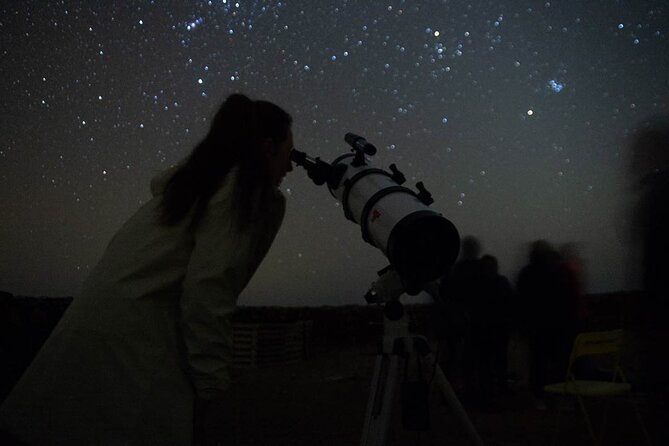
Stargazing is weather-dependent. If clouds roll in, it can affect what you can see. The operator also avoids full moon nights for regular sessions, since moonlight can wash out fainter details.
Regular observation days are typically Monday and Friday (except on a full moon), with extra dates added sometimes. Meeting time is based on sunset, and your confirmed pickup time arrives the night before.
The practical takeaway: be flexible. If your planned night gets adjusted due to conditions, treat it as part of the deal with astronomy. When the sky clears, the payoff is the point.
Who This Is Best For (and Who Might Want a Different Option)
This experience fits best if you like:
- Clear explanations and a guided approach
- Sharing a quiet, romantic setting with your partner
- A family-friendly activity that still feels special for adults
- A small-group night where you can actually see and ask questions
It also works well if you’re a beginner. The whole setup assumes you’re not an expert, and the guide leads you from basics to telescope views.
One caution: it’s not recommended for people with mobility issues due to that short walk on sand. If that’s you, choose the easier observation options mentioned by the operator (like Los Molinos or Pozo Negro, depending on where you are on the island).
Should You Book Stargazing from the Dunes of Corralejo?
Yes, if you want a guided stargazing night where the experience is built around seeing real celestial targets—not just standing around hoping for luck. With an accredited starlight guide, telescope viewing, and comfort gear, the value feels solid.
I’d especially book it if you’re chasing the Milky Way or want planet views like Jupiter and Saturn when conditions allow. And if you’re traveling as a couple or with family, the small group size and relaxed pacing make it an easy yes.
If you hate cold, plan your outfit carefully. If you have mobility constraints, verify the no-walk options before you commit. Do that, and you’ll be set for a night you’ll remember long after you’ve returned to the beach.
FAQ
FAQ
How long is the stargazing experience?
It runs for about 2 hours (approximately 1.5 to 2 hours).
How much does it cost?
The price is $64.10 per person.
Is pickup included, and where does it work?
Pickup is offered only within a 5 km radius of Corralejo. You won’t be collected from the south for this specific Corralejo observation.
What language is the tour offered in?
The tour is offered in English.
What time does the activity start?
Meet times vary by season and are usually about 1 hour after sunset. Your exact pickup time is confirmed the night before within the seasonal window.
What’s included in the price?
You get binoculars and professional telescopes, a rug and blanket for each person, an accredited starlight guide, and a tour photo shared via link.
Can I bring a service animal?
Yes, service animals are allowed.
What if the weather is cloudy?
The experience requires good weather, and cloud cover can affect what you see. If it’s canceled due to poor weather, you’ll be offered another date or a full refund.
Are there alternative meeting locations for mobility needs?
The operator notes alternative observation locations for easier access if you have mobility concerns, including options with no walking.
How many people are in the group?
The group size is capped at a maximum of 13 travelers.