REVIEW · OUDTSHOORN
Oudtshoorn: Celestial Stargazing with Telescope and Guide
Book on GetYourGuide →Operated by True South Travel · Bookable on GetYourGuide
Karoo skies turn a dark night into theatre. In Oudtshoorn, you point your eyes into the southern hemisphere sky with specialized telescopes, then let a guide connect what you see to the stories humans built around the stars. I like that the whole experience is focused and practical, not a lecture that ends when the sky gets interesting.
My second favorite part is the way guides like Robert and Colin explain the sky in plain language. You don’t just hear facts; you get help lining up the right objects and understanding what you’re looking at, from prominent planets to star patterns.
One drawback to plan for: weather. If clouds roll in, stargazing quality can drop fast, and at least one booking has been canceled because of it. Also, transportation isn’t included, so you’ll need to handle how you get to Oudtshoorn’s meeting point.
In This Review
- Key highlights you can bank on
- Oudtshoorn in the South: why this stargazing feels different
- The 1-hour rhythm: how your telescope session usually plays out
- Planets and constellations: the best first targets for your eyes
- Galaxies and globular clusters: seeing the faint stuff without guessing
- The southern sky stories you’ll actually remember
- What you should bring for a comfortable night out
- Guide-led viewing in English or Afrikaans
- Price and value: is $71 per person worth it?
- Logistics that matter (and the small things to get right)
- Should you book it? My practical take
- FAQ
- How long is the stargazing tour in Oudtshoorn?
- What’s included in the price?
- Is transportation included?
- What languages are the guides available in?
- What should I bring?
- Is the tour suitable for young children or wheelchair users?
Key highlights you can bank on
- Telescope time focused on the southern sky instead of just staring with your eyes
- Planets, constellations, galaxies, and globular clusters named and shown clearly
- Guides who explain on the spot, with English and Afrikaans support
- A 1-hour format that works well if you don’t want a long night out
- Star stories beyond astronomy, including links to naming days, Egyptian pyramids, and Xhosa traditions
Oudtshoorn in the South: why this stargazing feels different
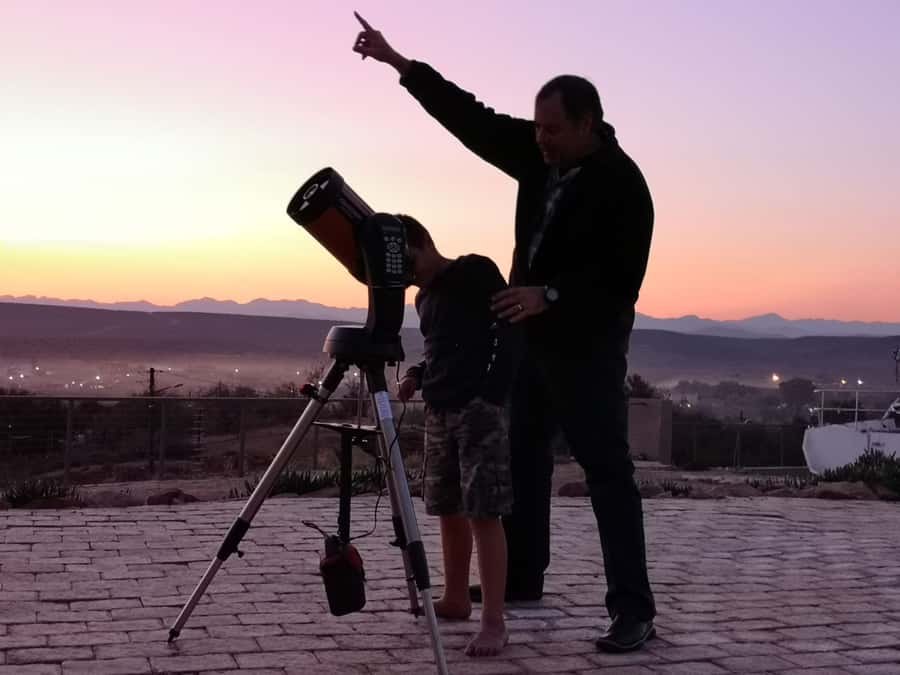
Oudtshoorn is one of those places where the night can actually feel dark enough to matter. That matters because telescope viewing is only as good as the sky overhead. When you’re away from big city light, the “where do I even look?” moment turns into a “there it is” moment—fast.
This tour keeps you anchored in that advantage. You meet in Oudtshoorn and then spend about an hour using telescopes while your guide points out what’s most prominent. It’s not about rushing through a checklist of objects; it’s about learning to recognize the sky by structure—how constellations sit together, and how different targets appear at different brightness levels.
And because this is the southern hemisphere, you’ll be looking at a sky that doesn’t match what many people picture from Europe or North America. That shift alone makes the experience feel fresh, even if you’ve done “stargazing” before.
The 1-hour rhythm: how your telescope session usually plays out
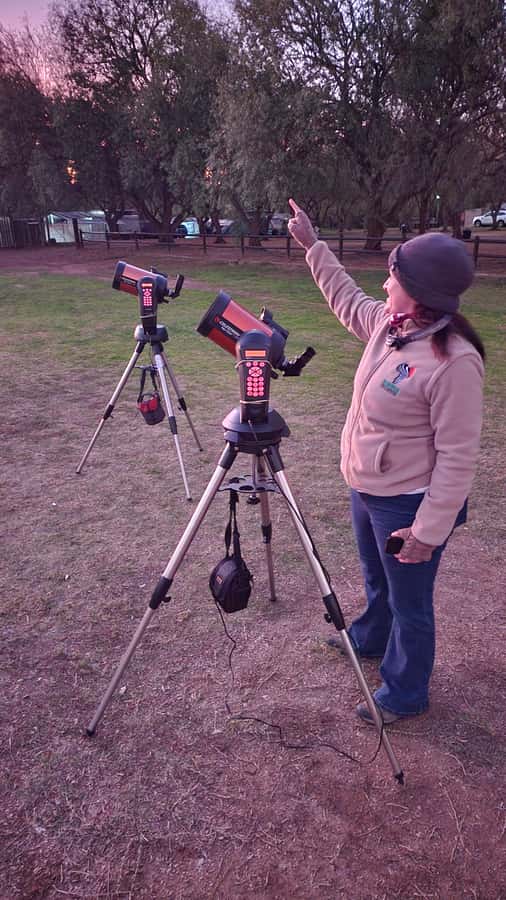
The format is simple, which is a compliment here. You start at the meeting point in Oudtshoorn, then get guided through what’s visible that night. Expect orientation first: where you should look, how your guide helps you line up objects, and what to look for once you’re at the eyepiece.
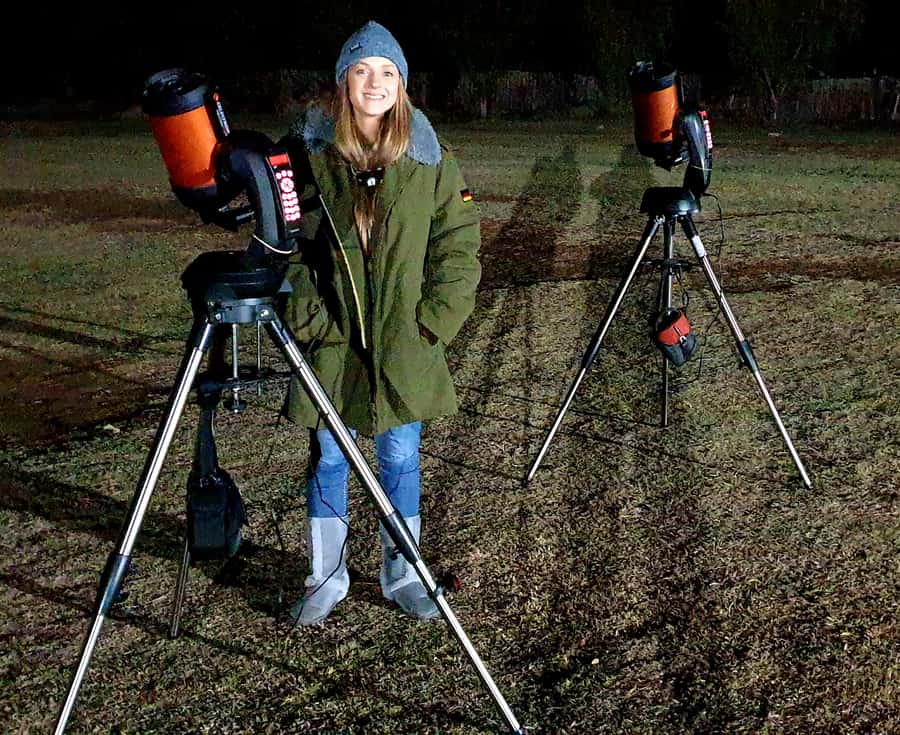
Then comes the telescope portion. With specialized equipment, you can see more detail than your eyes can manage on their own. You’ll be shown prominent features of the Karoo night sky—things like planets and constellations, plus deeper-sky targets such as galaxies and globular clusters.
Finally, the guide wraps the view with meaning. That last part is what makes this feel more than a quick photo opportunity. You talk about why humans have always been captivated by the sky, and how astronomy shows up in culture—like naming the days of the week, ideas tied to the Egyptian pyramids, and traditions connected to the Xhosa.
The tour isn’t long, but that’s part of its strength. If you’re traveling and trying to fit experiences into a busy schedule, one hour is a realistic commitment that still feels special.
Planets and constellations: the best first targets for your eyes
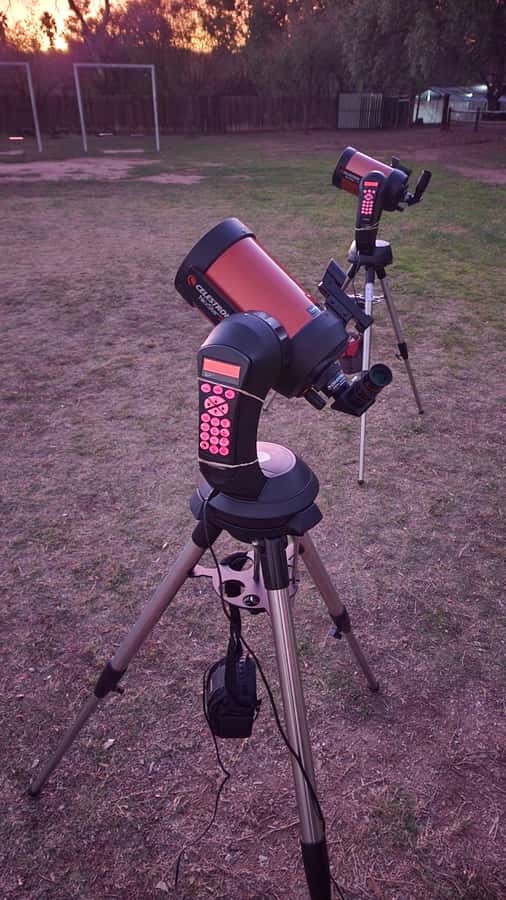
If you’re nervous about stargazing, start with the easier wins. Planets and bright constellations are the objects that teach you how to see. With a guide, you don’t have to guess where the interesting stuff is. You’re shown what’s prominent and then helped to connect it with what the sky looks like without the telescope.
This is where telescopes earn their keep. A planet can go from a tiny dot to a clearer visual target, and constellations stop being random stars and start becoming patterns you can actually track. Your guide’s job is to help you build that mental map in real time.
I also appreciate the way this tour balances “wow” with “understand.” The point isn’t just to look. It’s to leave with a sense of how the sky is organized—so you can keep exploring after the session ends.
Galaxies and globular clusters: seeing the faint stuff without guessing
Once the bright anchors are in place, you’re in a better position to notice the faint targets. This is where the telescope makes the biggest difference: galaxies and globular clusters are not the kind of things you’ll casually spot by eye in most conditions.
Your guide helps you identify what you’re seeing and talk through why those objects matter. You get a guided interpretation of the night sky’s structure—like how a globular cluster looks more “star-like” than a galaxy does, even though they’re completely different kinds of targets.
If you’re the kind of traveler who likes small “science wins,” this part delivers. It’s satisfying to see the faint and know what it is, instead of just photographing darkness and hoping for the best.
The southern sky stories you’ll actually remember
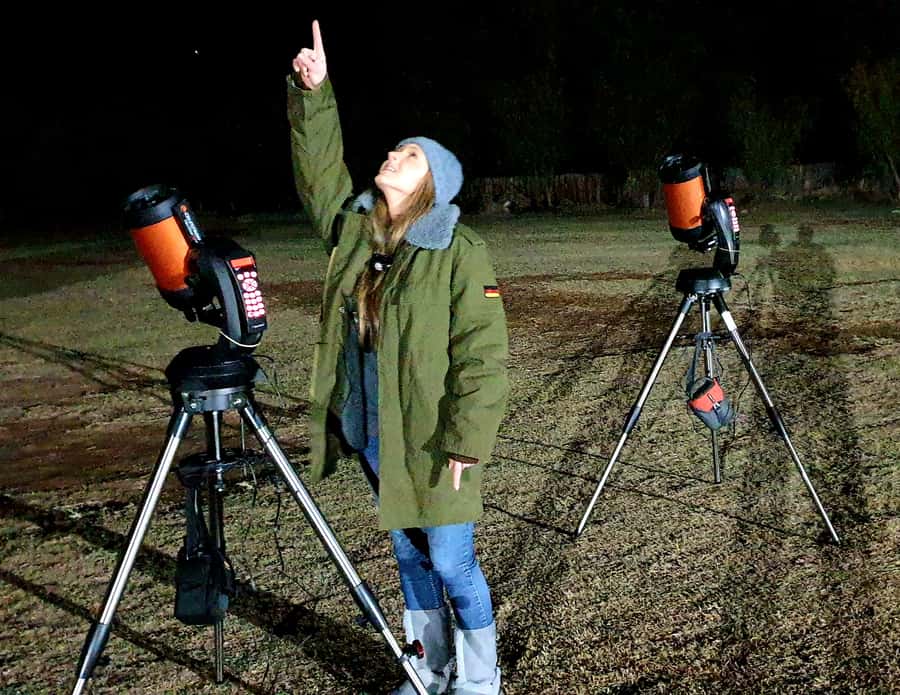
One of the smartest choices in this experience is that the guide doesn’t treat astronomy like a separate topic. You connect what you see to how people used the sky for practical and cultural reasons. You’ll discuss how the stars influenced ideas such as the naming of days of the week, the placement of the Egyptian pyramids, and traditions linked to African tribes like the Xhosa.
You don’t need to be a history buff to find this interesting. The practical value is that it changes your relationship with the sky. Instead of thinking of stars as distant decoration, you start to see them as a shared reference point—something people used to organize time, build meaning, and pass traditions down.
Guides like Robert and Colin are especially effective at this kind of storytelling. They bring astronomy down to a human scale, and the humor helps you stay relaxed while you learn.
What you should bring for a comfortable night out
A stargazing tour is simple equipment-wise, but your comfort matters. The Karoo evenings can be chilly, and you’ll be standing and looking for a while, sometimes while adjusting clothing for warmth.
Bring:
- Comfortable shoes (you’ll be on your feet)
- Water (one hour can still make you feel dry)
- Camera (even if you’re not aiming for perfection)
- Comfortable clothes
- Gloves (your hands will thank you)
- Scarf (easy warmth near your neck)
Even if you think you’ll be fine, bring the gloves and scarf anyway. It costs little and it improves your odds of enjoying the whole session instead of retreating from the cold.
Guide-led viewing in English or Afrikaans
This tour is led by a live guide, and the languages offered are Afrikaans and English. That matters because astronomy terms can be slippery, and you want explanations you can follow instantly.
Based on guides Robert and Colin (both praised for how much they taught), the best-case scenario is you get both clarity and fun. In other words, you won’t just hear names of planets and clusters; you’ll understand enough to recognize them again later.
If you’re comfortable asking questions, this is a good format. In a short 1-hour session, you can still get the answers you need without dragging the night into too many delays.
Price and value: is $71 per person worth it?
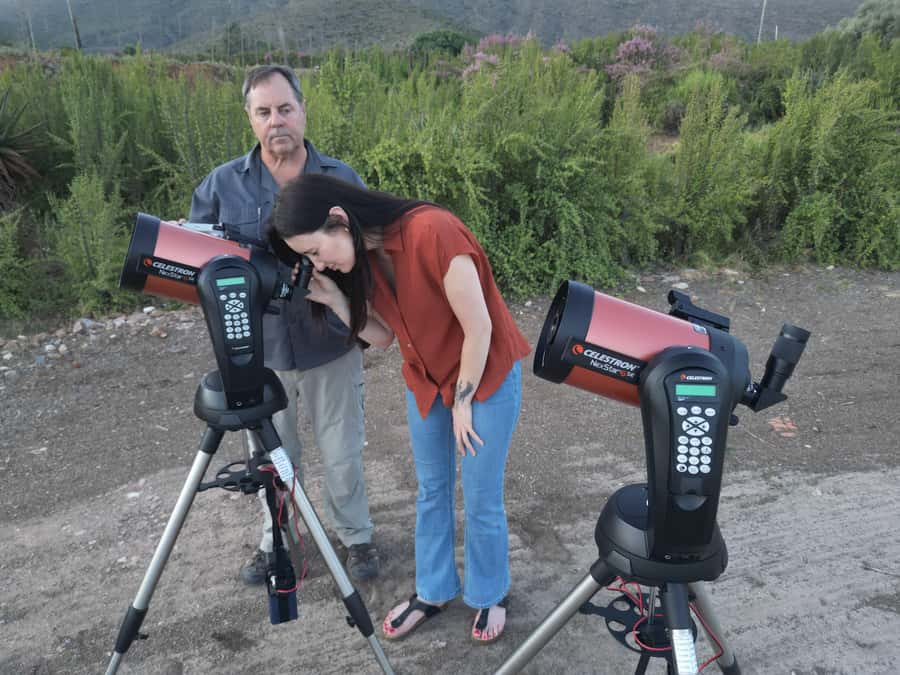
At about $71 per person for a 1-hour telescope-guided experience, the value depends on what you’re trying to get out of it.
You’re paying for three things:
- A live guide who helps you interpret the sky, not just “points and go”
- A telescope setup that lets you see beyond eye-level limits
- A focused viewing window where the guide targets prominent and meaningful objects
What’s not included is transportation, so your real cost is a mix of the ticket plus getting yourself to the meeting point. If you’re already in Oudtshoorn and can reach the meeting spot easily, the pricing feels more like paying for access and coaching rather than paying for a complicated logistics package.
Also, the short duration is part of the value. You get a concentrated astronomy experience without committing to an all-night schedule.
If you want a hands-on night with interpretation and telescope viewing, this price-to-experience ratio is strong. If you’re hoping for a full-day adventure or multiple stops, this may feel too short—which is exactly what it is: one hour, well guided.
Logistics that matter (and the small things to get right)
This is one of those tours where the details are simple, but you don’t want to miss them. After you book, you receive a WhatsApp message from the provider (True South Travel) with the meeting point address in Oudtshoorn. So keep your phone handy and check messages around your start time.
Because you’re not getting transportation included, plan your route ahead of time. The easiest version of this trip is arriving already settled in town.
The tour also isn’t suitable for children under 6 or wheelchair users. If mobility is a concern for your group, you’ll want to choose another activity.
And finally, build in some weather flexibility. One booking was canceled due to weather, which is a reminder that stargazing is always at the mercy of the sky.
Should you book it? My practical take
If you want an authentic Karoo night experience that includes real telescope viewing and actual guidance, book this. It’s ideal for couples, solo travelers, and anyone who wants astronomy with context instead of a vague “look up” moment.
It’s especially worth it if:
- You’ve never seen the southern sky properly
- You want help identifying planets, constellations, and deeper-sky objects
- You like stories tied to culture, not just scientific facts
- You’d rather spend an hour well guided than hunt for stargazing spots on your own
Skip it if you need lots of flexibility in the schedule, you hate cold evenings, or you’re hoping for transportation, because those pieces aren’t part of the experience.
Bottom line: for a short, guided, telescope-led night in Oudtshoorn—this is a strong pick.
FAQ
How long is the stargazing tour in Oudtshoorn?
The tour lasts 1 hour.
What’s included in the price?
You get a live guide and telescope use.
Is transportation included?
No. Transportation is not included.
What languages are the guides available in?
Guides speak Afrikaans and English.
What should I bring?
Bring comfortable shoes, water, comfortable clothes, a camera, and weather-appropriate items like gloves and a scarf.
Is the tour suitable for young children or wheelchair users?
It is not suitable for children under 6 years old and it is not suitable for wheelchair users.