REVIEW · FUERTEVENTURA
Stargazing from Pozo Negro area, Starlight Guide
Book on Viator →Operated by Stars by Night · Bookable on Viator
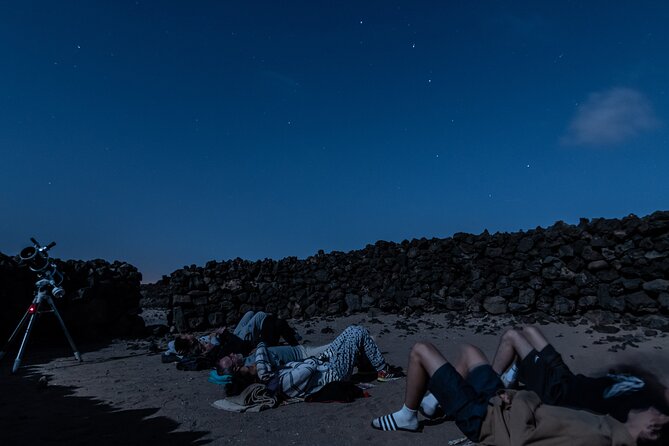
Night skies feel closer in Fuerteventura. This stargazing outing from the Pozo Negro area lines you up for one of the best kinds of dark-sky time: you lie back on provided blankets or rugs, while a trained guide shows you constellations and what’s actually worth pointing your eyes at. I love that the viewing setup is hands-on, not just talk, with telescopes and laser pointers aimed so you can follow along. One thing to plan around: the experience depends on clear skies, so expect a change if weather rolls in.
For me, the big win is the guide’s calm way of teaching. Karen, plus Dee and Marisa, are the names tied to standout nights, and the vibe is patient and inclusive, even for kids or guests who need extra time to get comfortable. With a maximum of 13 people and a loop that returns you to the meeting spot, it feels personal enough to ask questions, without dragging on for a full evening.
In This Review
- Key things that make this Pozo Negro stargazing night work
- Pozo Negro’s stone-circle setting and why it matters
- Meet Karen and the Stars by Night approach to teaching the sky
- Telescopes, laser pointers, and what you might see tonight
- How the 2-hour flow usually plays out from pickup to sky time
- Price and value: what you get for about $63.61
- Pickup radius and meeting point: the logistics that can make or break it
- Who should book this stargazing night (and who should plan differently)
- The best way to choose your date: Tuesday nights and full moon effects
- Should you book Stargazing from Pozo Negro with Stars by Night?
- FAQ
- FAQ
- Where is the meeting point for the stargazing trip?
- Is pickup available, and where can they collect me?
- What time does the tour start?
- How long does the experience last?
- What language is the tour offered in?
- What’s included for viewing the night sky?
- How many people are in the group?
- Does it run every day, and what happens on a full moon?
- What if the weather is bad?
Key things that make this Pozo Negro stargazing night work
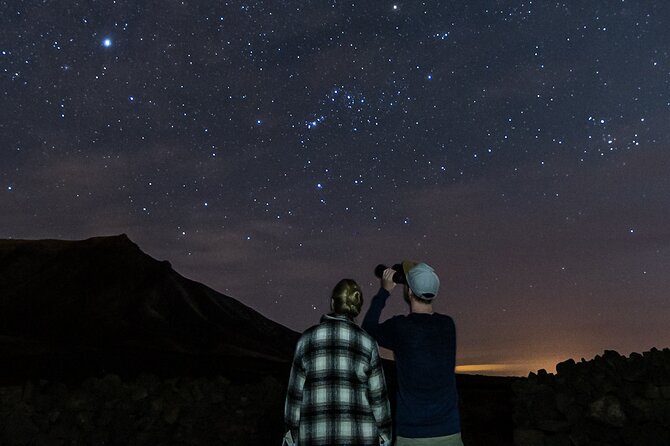
- A real dark-sky feel at Pozo Negro with a wind-sheltered spot inside a stone-walled circle
- Starlight Guide training linked to the Fundación Starlight approach, not just casual astronomy chat
- Telescopes + laser pointers, so you can connect the sky map to what your eyes are seeing
- Comfort-first setup: blankets or mats, plus a more relaxed pace than a science lecture
- Small group size (max 13), which helps the guide keep track of who’s looking where
- Planet and galaxy targets you can actually recognize, including Saturn when conditions cooperate
Pozo Negro’s stone-circle setting and why it matters
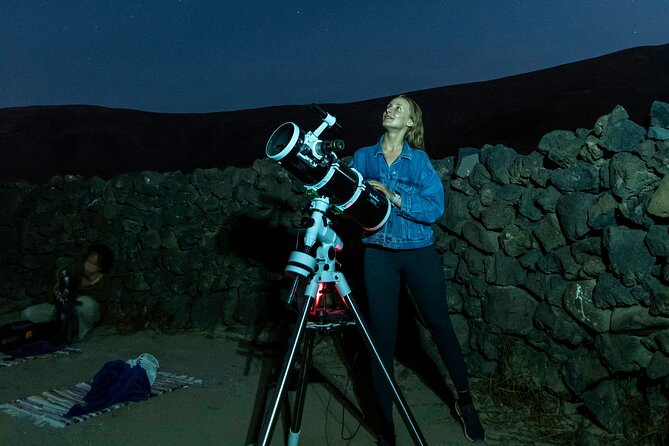
The starry part isn’t only about equipment. The location plays a huge role, and Pozo Negro’s setting does a lot of the heavy lifting. You’re watching from a clearing that’s sheltered by a stone wall, which can make the experience feel calmer and more focused than an open roadside stop.
I also like that this is designed for stillness. The valley quiet lets you hear the ocean at times, and that sound adds to the sense that you’re stepping out of normal daily life and into the night for real. When you’re sitting or lying back and the world goes quiet, you notice the sky faster.
There’s also something practical here: being sheltered from wind helps people keep their attention on the sky instead of constantly shifting to get comfortable. That might sound minor, but it changes the whole vibe during a 1.5–2 hour session.
You can also read our reviews of more tours and experiences in Fuerteventura.
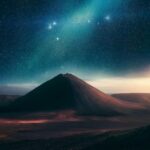
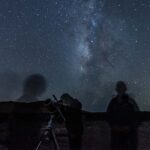
Meet Karen and the Stars by Night approach to teaching the sky
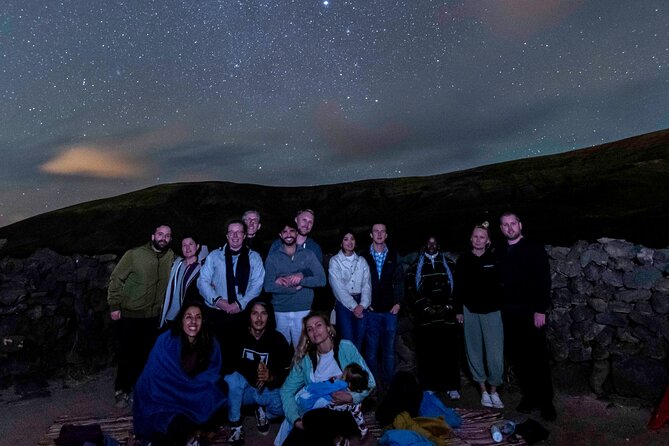
This is led by a Star Guide connected with the Fundación Starlight (IAC) training and mentorship approach, and you feel it in how the night is explained. The guide doesn’t just list objects. She shows you how to find them, then points so your eyes can follow the path.
The names that come up strongly include Karen (and, on some nights, Dee and Marisa alongside her). The consistent theme is patience. On one night, the guide adjusted her pace and attention for a child with balance challenges, helping him stay engaged and comfortable. That’s the kind of detail that matters if you’re traveling with kids, teens, or anyone who gets restless waiting.
For adults, I love that the commentary stays tied to what you’re looking at right now. You’re not stuck with vague, mystical descriptions. You’re getting a guided route across constellations and then seeing how planets and star clusters look once you get a telescope view.
If you’re the type who wants the story and the science side, you’ll likely enjoy the way the guide connects shapes in the sky to real objects. And if you’re brand-new, the laser pointers and step-by-step explanations make it feel doable.
Telescopes, laser pointers, and what you might see tonight
This tour supplies telescopes and laser pointers, so you’re not stuck guessing whether that bright dot is Jupiter or something else. You also get binoculars (and mats and blankets), which is a nice combo: binoculars help you scan, and the telescope lets you go from fuzzy to clear.
What you can realistically spot depends on the night, but the objects tied to strong nights include:
- Milky Way visible when the sky is dark enough
- Jupiter and Saturn, with Saturn often called out as a highlight
- Pleiades (a compact, recognizable cluster)
- M13, the Hercules cluster that many people remember once they’ve actually seen it
You might also catch shooting stars during the session if timing and conditions line up. The point isn’t to promise a specific list for every date. The value is that the guide is actively working to help you see what’s available that night, not just telling you what might be up there.
A practical note: if you’re hoping for Saturn through the telescope, bring a little patience and good expectations. Planet views can be worth it, but they still rely on viewing conditions and where objects are in the sky at that moment.
How the 2-hour flow usually plays out from pickup to sky time
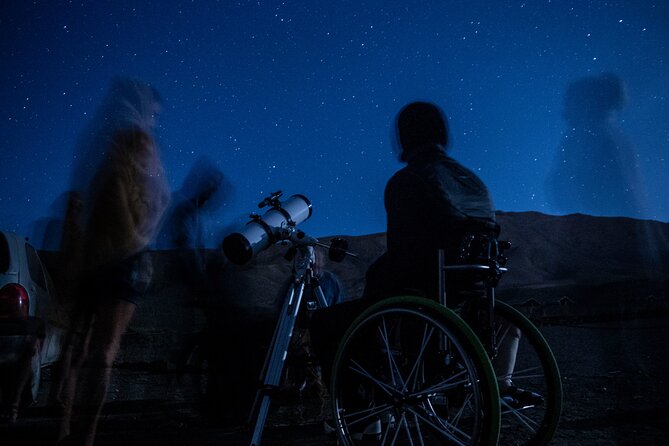
The tour is built around about 1.5–2 hours under the stars, after you meet and get to the observation area. The meeting time is around one hour after sunset, but the exact minute is confirmed via message the night before.
In summer, estimates for the meet time are roughly 20:30–22:00. In winter, it shifts earlier to 17:00–20:00. Either way, plan for an early-to-mid evening window rather than a late-night “just drop by whenever” situation.
If you’re using pickup, you’ll be collected from within a specific radius (more on that below). If you’re self-driving, you’ll use the meeting point coordinates and then join the group. Either way, the goal is the same: get you set up before the key viewing time begins.
Once you’re at the viewing site, the session usually starts with getting everyone settled—blankets or mats down, people comfortable, and the guide moving you from easy, bright targets to the more satisfying stuff. Laser pointers help you connect the visible sky to the constellations being described, and then the telescope time gives you the “wait, that’s really there” moment.
The pacing is important. Stargazing tours can turn into rushed checklists, but here the guides seem to slow down enough for people to keep up. That’s especially helpful if you’re with kids who need time to orient themselves.
Price and value: what you get for about $63.61
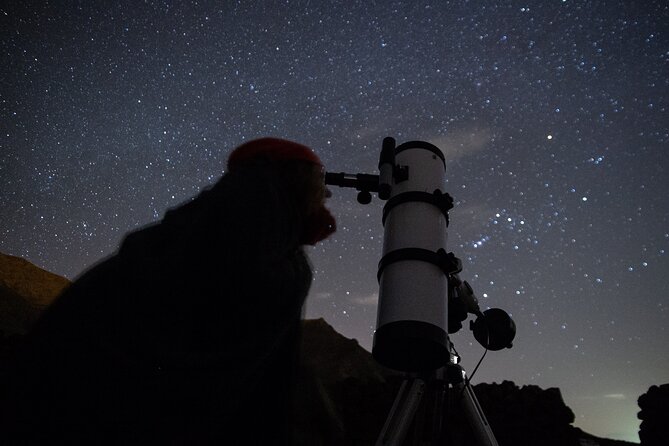
At about $63.61 per person for roughly two hours, the value comes from what’s included—not just the idea of stargazing.
You’re paying for:
- A trained guide who can teach you and point you to targets
- Telescopes and laser pointers (this matters if you don’t bring your own gear)
- Comfort support with blankets or mats and a relaxed viewing setup
- A small group cap of 13, which makes Q&A and attention more realistic
Pickup can add even more value if you’re staying in an area that qualifies. A family returning to their hotel quickly after a dark-sky outing is genuinely convenient—especially in a place like Fuerteventura where night transport can be less frequent than daytime schedules.
If you’re comparing this to DIY stargazing, you’d need your own telescope or accept that you’ll mostly be limited to naked-eye and maybe binocular views. Here, you get the telescope portion guided and timed with expert help.
That said, the cost is still only “worth it” if you’re ready for the weather gamble. Because if clouds show up, the tour may switch dates or refund. So check your travel flexibility.
Pickup radius and meeting point: the logistics that can make or break it
This is where you’ll want to pay attention before you commit.
The meeting point is listed as:
83Q3+GV2, 35639 Los Alares, Las Palmas, Spain
The activity ends back at the meeting point.
Pickup is offered only within a 5km radius of Caleta de Fuste and Puerto Rosario. The guidance is clear: if your address isn’t listed, you still need to add the place you want to be collected from, but only within those pickup limits.
Pickup is not available from Corralejo, El Cotillo, Lajares, Morro Jable, Jandía, or Costa Calma. If you’re based in one of those areas, you should be prepared to self-drive or arrange your own way to the meeting point.
I like that the meeting is consistent and the end point is simple. You’re not stranded somewhere at midnight. But do yourself a favor: message the night before to confirm the exact meet time, because it can shift from the estimate.
Who should book this stargazing night (and who should plan differently)
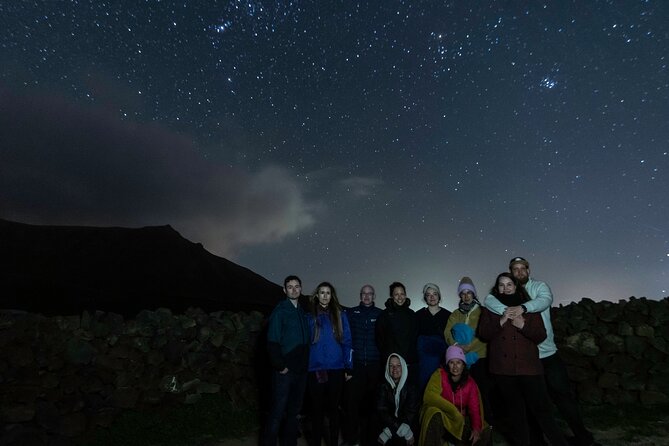
This trip is designed for most participants, and it also allows service animals. The group stays small, and the guide approach is patient and supportive, which helps when you have kids or someone who doesn’t want a stiff, silent “sit still and suffer” experience.
This is a great fit if you:
- Want a guided night-sky experience with telescope views
- Appreciate clear explanations tied to what you can see
- Prefer small groups over large, noisy bus tours
- Are staying near Caleta de Fuste or Puerto Rosario and can use pickup
You might plan differently if:
- You need guaranteed clear skies no matter what (because weather can change dates)
- You’re far outside the pickup radius and don’t want to handle transport on your own
- You’re not able to sit or lie down comfortably for up to two hours
The best way to choose your date: Tuesday nights and full moon effects
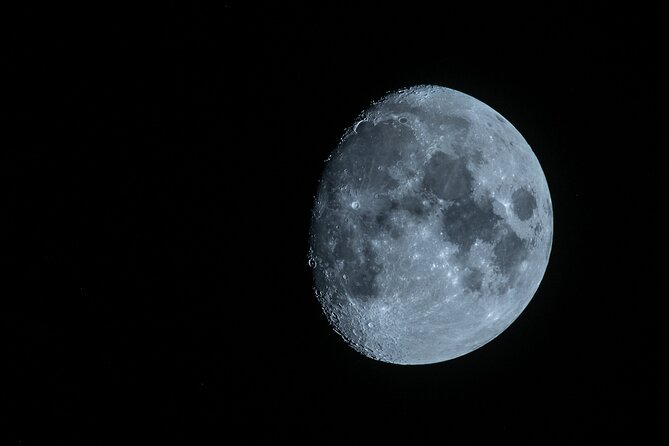
On most weeks, stargazing from Pozo Negro runs every Tuesday, with an exception for full moon nights. Sometimes additional dates get added, so if Tuesday doesn’t work for you, you’ll want to check alternative options.
That full moon note is practical. A bright moon can wash out faint objects and make dark-sky targets less impressive. So the schedule is built around maximizing what you can see.
Also, this is often booked around a month ahead on average, so if your dates line up with a Tuesday that looks good, I’d lock it in early rather than hoping a last-minute slot appears.
Should you book Stargazing from Pozo Negro with Stars by Night?
Yes, if you want a guided, small-group stargazing night with real tools. The standout reasons are straightforward: the guide teaching style, the comfortable blanket setup, and telescope views that can put planets like Saturn within reach—without you needing to study the sky in advance.
Before you book, confirm two things: that your pickup plan matches the 5km radius rules, and that you’re flexible enough to handle weather changes. If those boxes are checked, you’re likely to walk away with a night that feels more educational than a typical tour stop—and more magical than a lone attempt at reading constellations.
FAQ
FAQ
Where is the meeting point for the stargazing trip?
The listed meeting point is 83Q3+GV2, 35639 Los Alares, Las Palmas, Spain. The tour ends back at the meeting point.
Is pickup available, and where can they collect me?
Pickup is available only within a 5km radius of Caleta de Fuste and Puerto Rosario. Pickup is not offered from Corralejo, El Cotillo, Lajares, Morro Jable, Jandía, or Costa Calma.
What time does the tour start?
Meet time is about 1 hour after sunset, but the exact time is confirmed by message the night before. Estimates are roughly 20:30–22:00 in summer and 17:00–20:00 in winter.
How long does the experience last?
It lasts about 2 hours (approximately 1.5–2 hours).
What language is the tour offered in?
The stargazing experience is offered in English.
What’s included for viewing the night sky?
You’ll have telescopes and laser pointers, and the site setup includes blankets/mats and binoculars.
How many people are in the group?
The tour has a maximum of 13 travelers.
Does it run every day, and what happens on a full moon?
Regular observations are usually every Tuesday except on a full moon. Extra dates are sometimes added, so you can check for alternatives if you can’t make a Tuesday.
What if the weather is bad?
The experience requires good weather. If it’s canceled due to poor weather, you’ll be offered a different date or a full refund.