REVIEW · PERTH
From Perth: Pinnacles Sunset and Stargazing Tour with Dinner
Book on GetYourGuide →Operated by Autopia Tours · Bookable on GetYourGuide
Stars over the Pinnacles beats a city night. I love how the tour times the Pinnacles at golden hour and pairs it with picnic dinner and sparkling wine so the day feels special without feeling rushed. One thing to consider: if skies turn cloudy, stargazing can be less spectacular.
The guide makes the trip feel bigger than the drive. Names like Erin, Casper, Fred, Adam, and Ellie pop up in people’s experiences, and the common thread is strong commentary on local plants, rocks, wildlife, and the Aboriginal Dreamtime way of reading the sky.
You’ll be out for about 9 hours with a few short walks (roughly 1 to 2 km in total). Plan for real night conditions too—warm layers and a flashlight help a lot after dark, especially around the telescopes.
In This Review
- Key takeaways before you go
- Why this Perth-to-Pinnacles day trip is timed right for sunset
- The tradeoff
- Guilderton Lookout: the quiet warm-up above the Indian Ocean
- Nilgen Nature Reserve or Hangover Bay: seasonal nature that changes the mood
- A small reality check
- The Pinnacles guided walk at sunset: how to see the spires close up
- Why the guided part is worth it
- Dinner under the stars: picnic comfort that doesn’t kill the mood
- Food for your situation
- What to bring anyway
- Stargazing with a telescope: seeing more than just pinpoints
- The upside of doing it as a group
- Dreamtime sky stories: why the night sky feels personal here
- The driving and pacing: long day, but usually not chaotic
- Pace check
- What to pack for a Perth winter-to-summer night (and everything between)
- Price and value: is $130 worth it?
- Who this tour suits best (and who should rethink it)
- FAQ
- How long is the tour from Perth?
- Where does the tour start?
- Is dinner included?
- Do you provide a telescope for stargazing?
- How much walking is involved?
- Is the tour suitable for kids or wheelchair users?
- Should you book the Pinnacles Sunset and Stargazing Tour with Dinner?
Key takeaways before you go
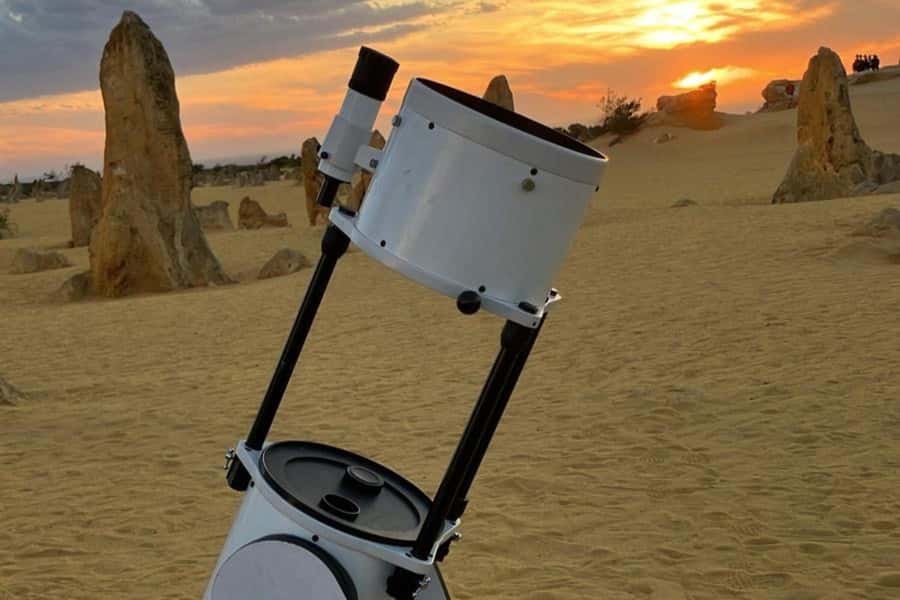
- Sunset timing at Nambung National Park: you reach the Pinnacles as the light turns gold and the spires look extra unreal
- Dinner under the stars: picnic-style food plus sparkling wine, served where the sky actually has room to show off
- Telescope stargazing: you’re not just guessing at constellations—you get help spotting what’s visible
- Scenic stops that are more than breaks: Guilderton Lookout, Nilgen Nature Reserve (seasonal), and Hangover Bay
- Short walks, not hikes: expect about 1 to 2 km total, so comfortable shoes matter
- Guide personality varies by departure, but the role stays the same: safe driving, strong local stories, and clear rules around the Pinnacles
Why this Perth-to-Pinnacles day trip is timed right for sunset
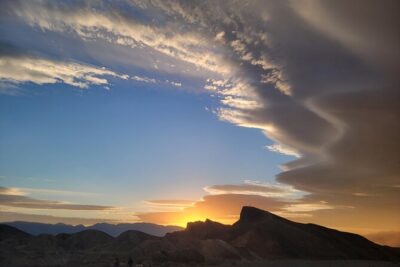
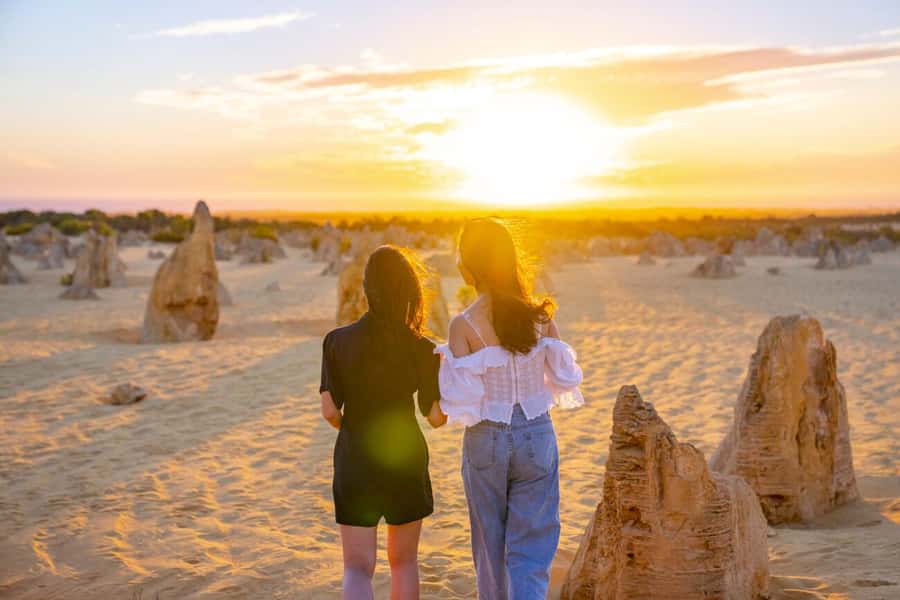
This tour is built around one idea: the Pinnacles look best when the sun is low. The plan leaves Perth early enough to hit the desert before it gets too hot and to avoid the worst of the daytime crowds. By the time you arrive at Nambung National Park, the spires are turning from sharp white to warm gold. That color shift is the whole show.
I also like that the day doesn’t feel like one long bus ride with one short stop. You get multiple viewing moments—ocean-and-dune views, nature reserve scenery, and then the Pinnacles—so you’re collecting “wow” points all afternoon, not just at sunset.
You can also read our reviews of more tours and experiences in Perth.
The tradeoff
It’s still a 9-hour day away from the city. If you hate long drives or you’re easily bothered by cramped bus seating, plan for that up front and bring layers to stay comfortable.
Guilderton Lookout: the quiet warm-up above the Indian Ocean
Before the desert, you get a viewpoint that’s a smart little prelude to the Pinnacles. Guilderton Lookout sits up above the Indian Ocean and Moore River, with big panoramic views over dunes and coastline. It’s also a handy alternative to the Lancelin dunes when dune access is limited.
What makes this stop work isn’t just the view—it’s the breathing room. You’re not sprinting from one photo spot to the next. You can actually scan the horizon, spot the way the sand patterns meet the water, and start to understand why this region looks so otherworldly.
Practical tip: bring your camera strap/phone lanyard. Wind near the coast is real, and you’ll be stopping for photos.
Nilgen Nature Reserve or Hangover Bay: seasonal nature that changes the mood
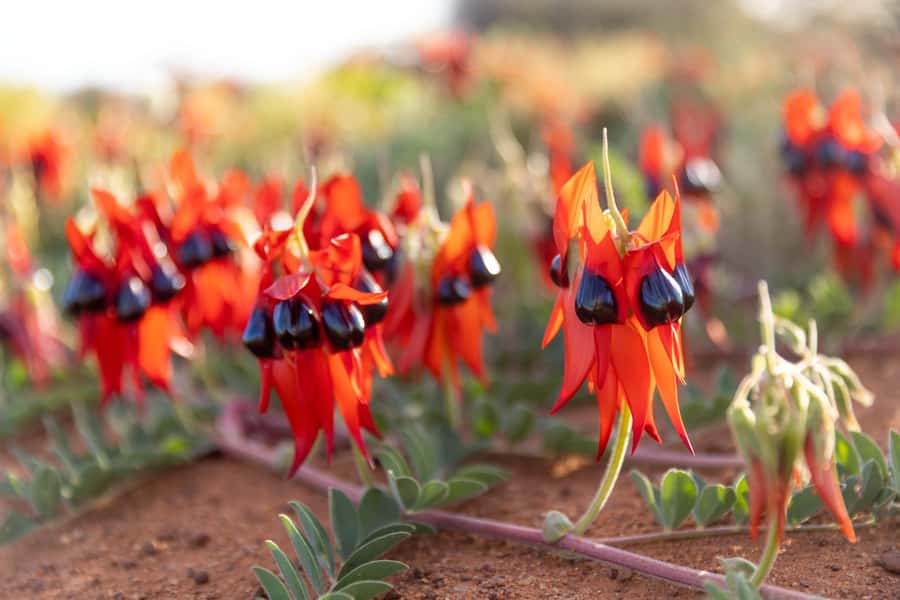
After Guilderton, the tour shifts into “wildflower country” style scenery. Nilgen Nature Reserve is seasonal. When conditions are right, you’re in native flower territory—people often mention plants like kangaroo paws and other local species that turn the area into a color patchwork. If it’s out of season, the stop changes to Hangover Bay, where the feel is different: clear water, a beach break for photos, and a chance to spot sea life offshore.
This swap is more than a scheduling detail. It’s what keeps the tour from feeling repetitive. The day can feel like a nature walk when wildflowers are in bloom, or like a coastal reset when it’s not.
A small reality check
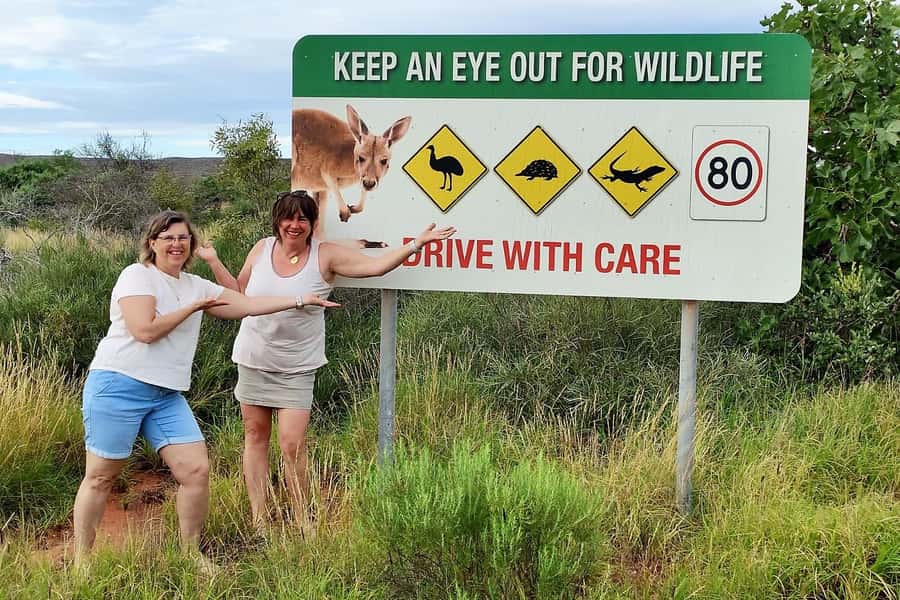
You might not see wildlife every time. The value here is that you’re in the right places at the right time of day for light, views, and local nature—not that you’re guaranteed a sighting.

The Pinnacles guided walk at sunset: how to see the spires close up
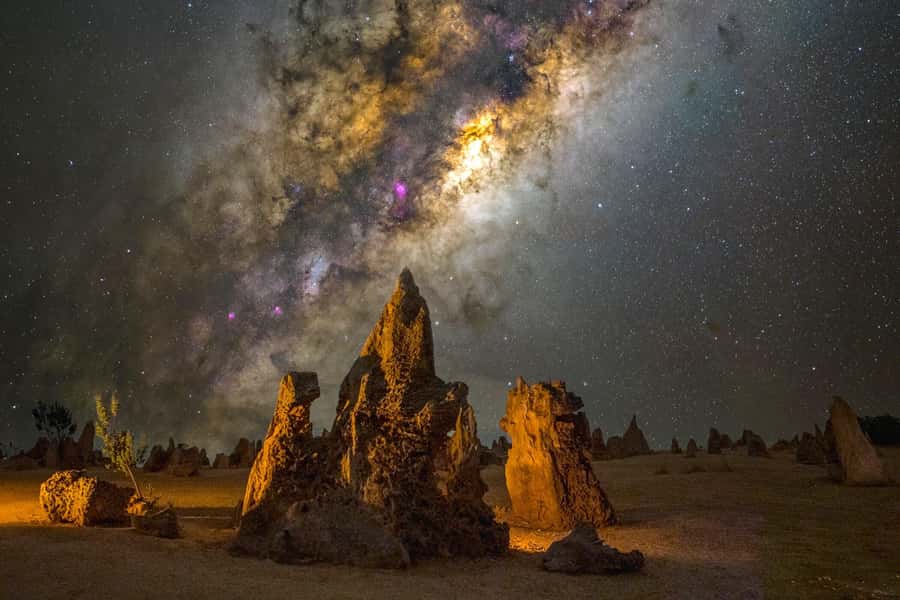
At Nambung National Park, the main event is the Pinnacles themselves. These limestone formations rise out of golden sand, shaped over millions of years. In the late-day light, the spires look like a landscape model someone forgot to finish—tall, fragile, and slightly eerie.
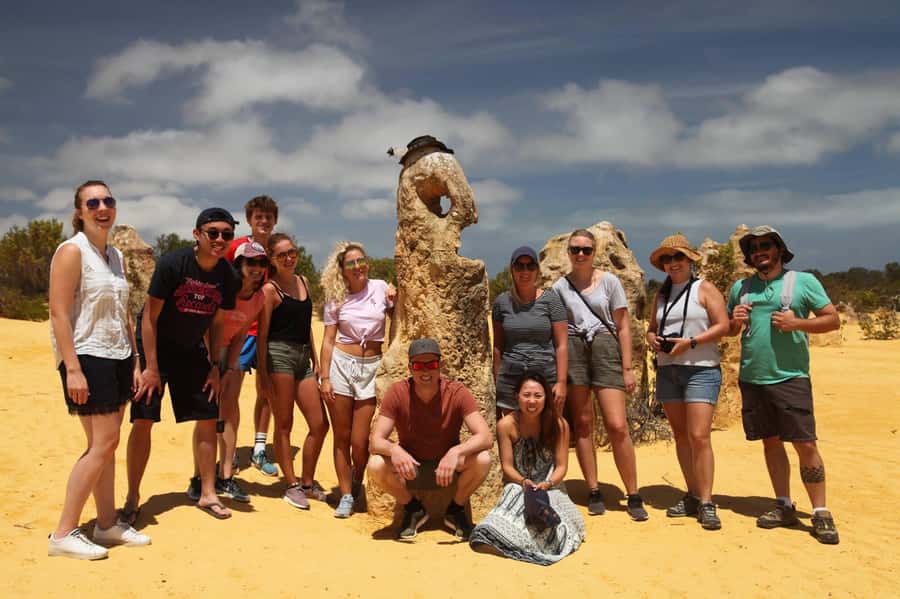
The tour includes a guided walk, and this part matters. Guides put real emphasis on not touching, standing on, or climbing the formations. People mention that guides will correct behavior quickly, because the Pinnacles are fragile. You’ll get the better experience by staying on the paths and letting the spires be, well… spires.
Why the guided part is worth it
If you visit on your own, it’s easy to “see” them but miss the stories. On this tour, the guide ties the rock shapes to local context, and that makes the sight feel more grounded instead of just photogenic. It’s also safer after dark later, since everyone is moving as a group with instructions.
Comfort note: the walking is moderate (about 1 to 2 km total across the day, depending on how you move and how long you linger). Wear shoes you can walk in for an evening, not just sandals for a city afternoon.
Dinner under the stars: picnic comfort that doesn’t kill the mood
The dinner is one of the reasons this tour feels like an experience, not a “collection of stops.” You’ll have a picnic-style meal at Nambung National Park along with a glass of sparkling wine. The key detail is location: this is where the light pollution is low enough for stargazing later.
People also mention the dinner surprised them—in particular, that it’s not just bread-and-cheese filler. There are often spreads and multiple food options, and some guides (like Beth in some groups) help with the dinner setup.
Food for your situation
If you have dietary needs, you need to tell the company when booking. They try to cater to most dietary requirements, but you shouldn’t assume last-minute fixes.
What to bring anyway
Even with dinner provided, bring your own water bottle. Also, if you run cold, grab warm layers early. Sitting still on sand after sunset cools you down faster than you expect.
Stargazing with a telescope: seeing more than just pinpoints
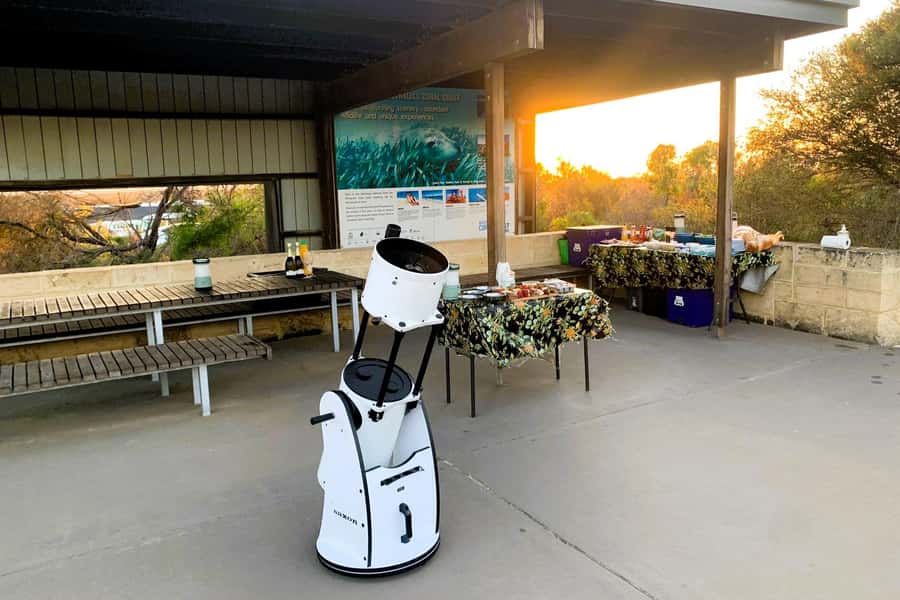
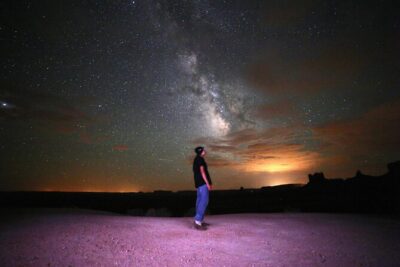
This is the part people remember. After dark, you’ll use a provided telescope to help you spot what’s visible—constellations, planets, and sometimes even something like a meteor if conditions line up.
Cloud cover happens, and full moon nights can reduce how many stars you notice with your naked eyes. Still, guides try to make the session work. Some departures are magical-weather perfect; others are “less stars, still fun” nights. Either way, you’re learning what you’re looking at, instead of staring up and guessing.
The upside of doing it as a group
A telescope session isn’t a video game. It’s fiddly. Having the guide handle setup and point out targets saves time and keeps the session smooth.
Dreamtime sky stories: why the night sky feels personal here
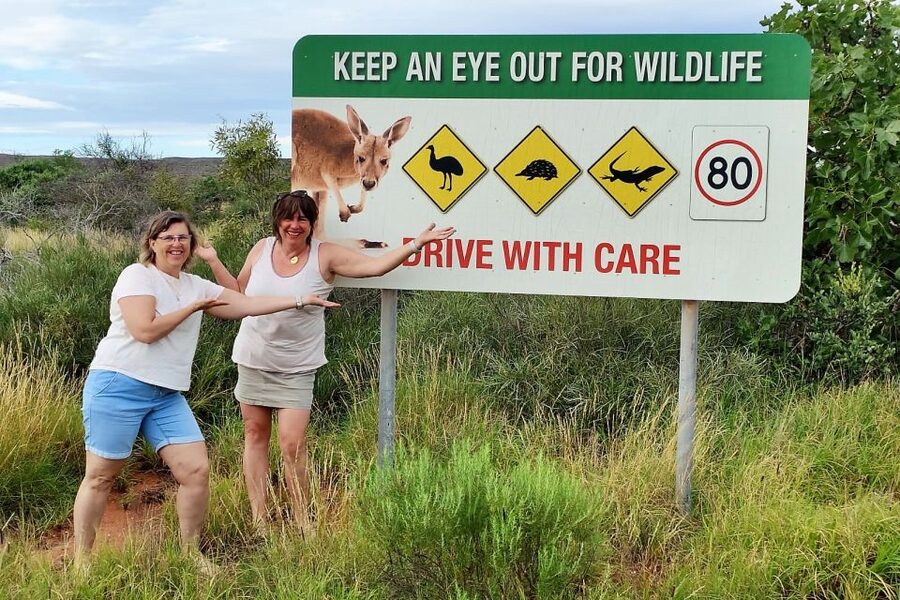
The stargazing isn’t only astronomy. Your guide shares Aboriginal Dreamtime stories and talks about traditional interpretations of the night sky. That gives the whole evening a different tone—less science class, more meaning and place.
People often highlight that guides bring this out respectfully and thoughtfully, with the same energy they use for explaining stars and rocks. If you care about culture and context, this is the section that turns a viewing event into something you’ll talk about later.
The driving and pacing: long day, but usually not chaotic

This trip is long on purpose: you need time to move between coast, nature reserve, and the desert, then stay out after dark. The bus is air-conditioned, and you’ll have breaks at the stops along the way, like Lancelin for a breather and sightseeing.
In a few accounts, the ride comfort gets mentioned. Some seats can feel narrow, and if the seat belt clip sits awkwardly, you’ll notice it on a long drive. If you’re sensitive to that, wear supportive footwear and bring a small cushion or extra layer for your hips/low back.
Pace check
The stops are planned so you’re not rushed through the best parts. That said, you still need to move between locations and stand for viewpoints. Bring a daypack so you’re not scrambling in the vehicle for sunglasses, sunscreen, or a jacket.
What to pack for a Perth winter-to-summer night (and everything between)
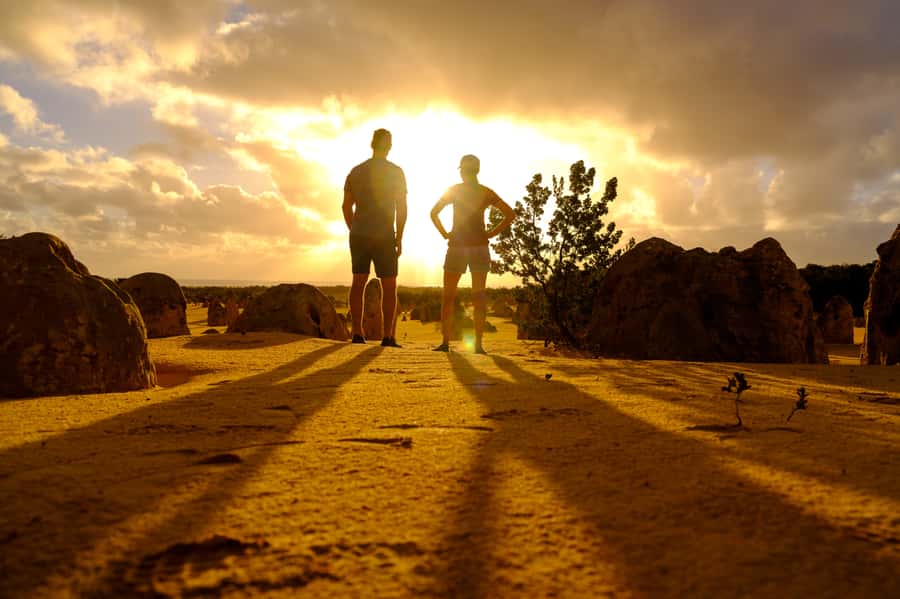
Even though Perth can be warm, the desert gets cooler after sunset. The tour also happens year-round with seasonal departure times, so you’ll want to pack like a person who expects temperature swings.
Bring:
- Comfortable shoes (closed-toe)
- Warm clothing and a jacket for after dark
- Sunglasses, sun hat, sunscreen (yes, even in the afternoon)
- Water bottle and any snacks you like
- Insect repellent and long pants
- Camera, daypack, and flashlight
- Binoculars if you have them (optional, but helpful)
Skip:
- High heels, big bags, and anything that can’t fit in the limited storage space
- If you have mobility limitations, this isn’t designed for wheelchair use, and it won’t work well with strollers or similar items
Price and value: is $130 worth it?
At $130 per person, you’re paying for two things most DIY plans struggle to combine: timed access to the Pinnacles at the right light and a guided night-sky session with proper equipment.
What you get here that adds value:
- National park admissions included
- A guided Pinnacles walk
- Dinner under the stars with sparkling wine
- A telescope provided
- Experienced driver/guide commentary throughout
- Air-conditioned mini-coach travel plus selected inner-city pickup/drop-off points
- A translation app service available in several languages (useful if language support helps you)
If you’re thinking about renting a car, you’d still be juggling driving after dark, finding parking, and trying to time sunset plus stargazing. This tour handles the sequence and the “where should we stand” details for you.
So I’d call it fair value if you want guidance and you’d rather not spend your only day out of Perth doing logistics.
Who this tour suits best (and who should rethink it)
This is a strong fit for:
- Couples and solo travelers who want a guided day with built-in safety and timing
- Nature lovers who like seeing more than one type of environment in a single day
- People who want stargazing guidance instead of a self-guided “look up and hope” session
- Travelers who appreciate cultural context, including Dreamtime sky stories
It may be a bad fit if:
- You hate long days and don’t want to be out for about 9 hours
- You’re very sensitive to cramped seating on buses
- You need wheelchair-friendly access or mobility support (this tour isn’t suitable for wheelchair users or people with mobility impairments)
- You’re traveling with very young kids (not suitable for children under 6)
FAQ
How long is the tour from Perth?
It runs for about 9 hours.
Where does the tour start?
It starts outside the Criterion Hotel Perth, 560 Hay St, Perth, WA, with selected inner-city pickup and drop-off points.
Is dinner included?
Yes. Dinner is included as a picnic-style meal under the stars, with a glass of wine.
Do you provide a telescope for stargazing?
Yes. A telescope is provided for the stargazing session.
How much walking is involved?
A moderate level of fitness is required. The walks are about 1 to 2 km in total.
Is the tour suitable for kids or wheelchair users?
No. It isn’t suitable for children under 6, and it isn’t suitable for wheelchair users or people with mobility impairments.
Should you book the Pinnacles Sunset and Stargazing Tour with Dinner?
If your dream is Pinnacles at sunset plus a real stargazing session with a telescope, book it. The dinner element isn’t random—it sets you up in the right place at the right time, with low light pollution for the sky show.
I’d especially recommend it if you’re traveling without a car or you want someone else to handle timing, safety, and explanations. Just keep your expectations flexible on the stars: clouds and moonlight can happen, and when they do, the best guides still make the evening worthwhile through what you can see and learn.