REVIEW · GRAN CANARIA
Sunset Hike and Stargazing Experience in Roque Nublo Mountains
Book on Viator →Operated by RockNatour Experiences · Bookable on Viator
The night sky gets a hands-on lesson. In the mountains above Gran Canaria’s clouds, this sunset hike turns volcanic viewpoints into real stargazing time with guide Pablo, plus warm snacks as the sky darkens.
I love the practical setup: you get a backpack with a mat, blanket, and front light, so you’re comfortable when temperatures drop. And I love how the astronomy teaching happens right at Ventana del Nublo, with you learning to identify the sky’s highlights like constellations and planets as darkness arrives.
One catch: you’ll need your own car to reach the meeting point, because public transport doesn’t work reliably in these mountain zones. Good weather matters too, since the experience depends on clear skies.
In This Review
- Key highlights at a glance
- From Las Palmas to the clouds: meeting point and car reality
- Hiking across the forest before the famous viewpoint
- Ventana del Nublo at sunset: Roque Nublo and Teide in one frame
- Stargazing without telescopes: learning to read the sky yourself
- Equipment, snacks, and hot drinks: comfort that matters in the mountains
- How long is it, and what’s the group vibe?
- Price and value: what $70.70 buys you in real terms
- What to bring and how to time your expectations
- Who this suits best (and who might want a different plan)
- Should you book this sunset hike and stargazing tour?
- FAQ
- Do I need a car to join this tour?
- How long is the Sunset Hike and Stargazing experience?
- Where is the meeting point?
- What’s included in the tour equipment?
- Are telescopes used during the stargazing?
- What will I be able to see in the night sky?
- What language is the tour offered in?
- What happens if weather is poor?
- How many people are in the group?
Key highlights at a glance
- Small group size (max 10) keeps the astronomy lesson more personal
- Ventana del Nublo sunset with views toward Roque Nublo and Teide
- Gear included: mat, blanket, and a front light for night comfort
- No telescopes: you learn how to read the sky yourself
- Snacks and hot drinks served while you watch the stars
- Occasional Milky Way visibility depending on the night
From Las Palmas to the clouds: meeting point and car reality
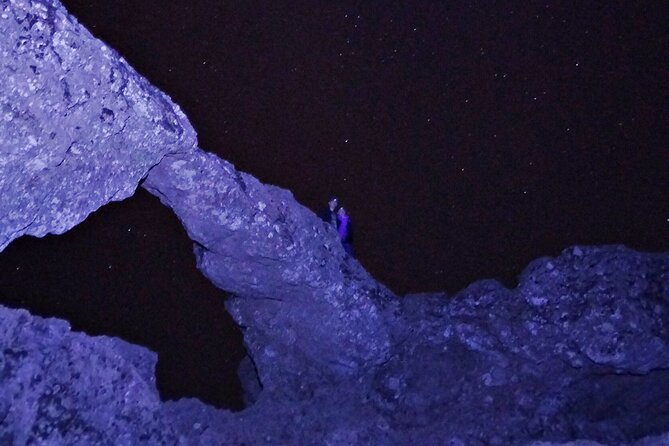
This tour is set in the mountains above the cloud line, so plan around mountain driving, not city convenience. The meeting point is at Zona de Acampada de Bailico on the GC-600 road (35369, Las Palmas). Because public transport doesn’t work in these zones, the tour basically assumes you’ll arrive by car.
That’s not a small detail. If you’re relying on buses or taxis, you can end up stuck far from the best viewing spots. With your own vehicle, you gain flexibility for timing, parking, and getting everyone layered up before you start walking.
You can also read our reviews of more tours and experiences in Gran Canaria.
Hiking across the forest before the famous viewpoint
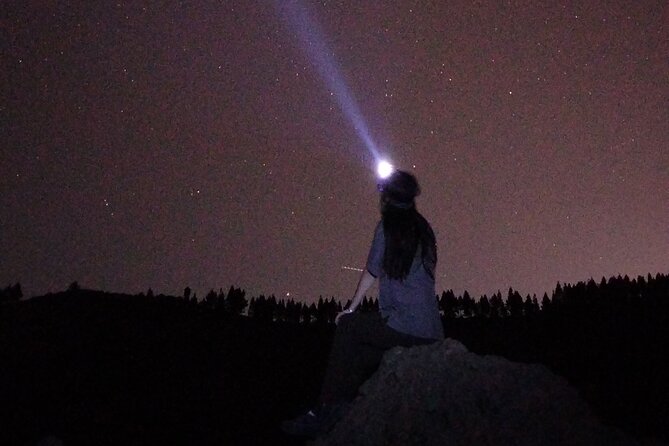
Before sunset happens, you’ll hike through a forested stretch with your guide. This isn’t just a warm-up; the guide shares what you’re looking at from a geology angle—how Gran Canaria’s volcanic forces shaped the scenery you can see around you.
The walking is short enough to feel like an outdoor intro, but it still takes you into mountain conditions. Bring the mindset that you’ll be on uneven ground and in changing light. Once you move higher, the air often feels cooler, and that’s where the provided blanket and mat later become more than nice extras.
You’ll arrive at the iconic Tejeda viewpoint area: Ventana del Nublo. Think of it as the stage where everything clicks—the wide volcanic views, the sunset colors, and the moment when the sky starts turning from day-blue to star-ready.
Ventana del Nublo at sunset: Roque Nublo and Teide in one frame
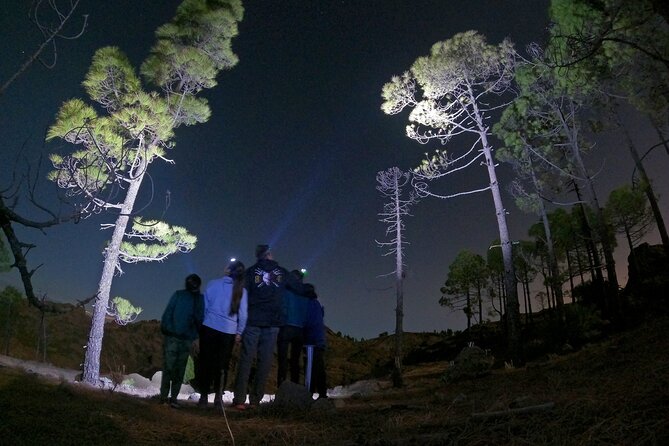
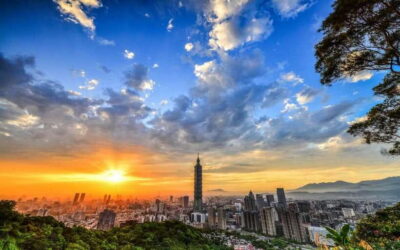
The sunset portion is the heart of the experience. From Ventana del Nublo, you watch the sky shift while you take in panoramic views that include Roque Nublo and, when visibility allows, Teide.
This is also when the guide slows things down for astronomy basics. You’ll get simple concepts explained while you still have enough light to orient yourself. That timing is smart: learning when the sky is partly lit helps you connect names and shapes to what you’re actually seeing.
A practical tip for enjoyment: don’t rush to take photos only. Use the first minutes of the sunset to let your eyes adjust and watch the clouds, ridges, and horizon glow. The volcanic terrain makes the sunset feel more dramatic than you might expect, because the terrain looks darker and more textured as daylight fades.
Stargazing without telescopes: learning to read the sky yourself
After sunset, you shift from scenic watching to a guided sky lesson. What I like here is the approach: telescopes aren’t used. Instead, you learn how to interpret the sky so you’re not dependent on a device to enjoy it.
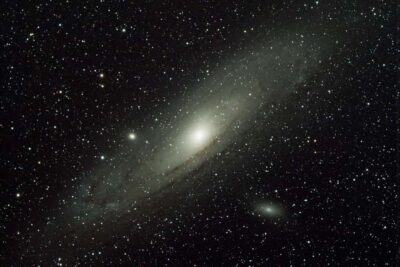
You’ll identify things like constellations and planets as the night deepens. Some nights can include the Milky Way, which is the kind of reward that makes the long minutes of darkness feel worth it.
And there’s a useful element beyond theory: you’re encouraged to observe and keep learning in real time. One of the smartest parts is that the session is structured so you understand what you’re seeing, not just that you’re seeing it. It turns a one-time star look into a skill you can use on other nights during your trip.
Equipment, snacks, and hot drinks: comfort that matters in the mountains
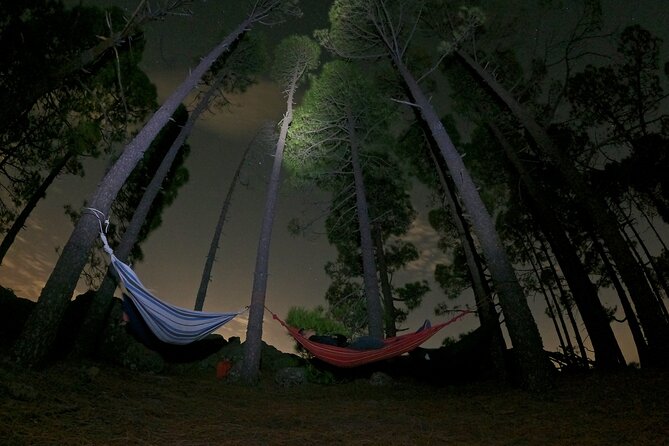
This experience includes the gear you need to relax once you’re watching the sky. You’ll receive a backpack with a mat and blanket, plus a front light for darker parts of the outing. That matters because in mountain stargazing, sitting still is the main activity, and cold ruins the magic faster than you’d think.
You’ll also get snacks and hot drinks during the sky-watching time. The setup is simple but effective: you get something warm to keep your energy steady while you look up for long stretches. If you’re vegetarian, you’ll be glad to know there are vegetarian options available.
One more small comfort advantage: the front light helps you move safely when light levels drop. That makes the walk back feel more controlled, especially if you’re not used to mountain darkness.
How long is it, and what’s the group vibe?
The tour runs about 3 hours. That’s long enough to cover sunset, the first night-sky segment, and the hike back—but not so long that you feel trapped in the cold for half the night.
The group size is capped at 10 travelers, which is a big deal for stargazing. With a small group, the guide can keep an eye on everyone’s orientation—who needs help finding a constellation, who’s ready to move to the next viewpoint, and who might need a quick confidence boost to stop feeling lost.
Booking tends to happen fairly close to departure dates (on average, about 8 days in advance), which suggests demand for a very specific slot: sunset timing plus good sky conditions. If you’re flexible, that can help; if you’ve got firm dates, booking earlier is the safer move.
Price and value: what $70.70 buys you in real terms
At $70.70 per person for roughly three hours, the big value question is: are you paying mainly for views, or for guidance and comfort?
Here’s what you’re getting for the money:
- Guided hike and geology commentary in the forest
- A dedicated sunset spot at Ventana del Nublo
- Astronomy basics as the sky darkens
- A stargazing session that focuses on interpreting the sky yourself (no telescope dependency)
- Snacks and hot drinks while you watch
- Included comfort gear: mat, blanket, front light
When you add those together, it feels more like a guided outdoor experience than a quick photo stop. You’re also paying for expertise—Pablo’s style comes across as patient and attentive, including making sure the timing works for what you want to see most. If you care about understanding the sky, not just taking a quick look, this structure is a good fit.
What to bring and how to time your expectations
Because the experience happens in the mountains after sunset, dress like you expect cooler air than you had earlier that day. Wear layers, and plan to spend time sitting. Even with warm drinks, you’ll still feel temperature changes when you stop moving.
For photos, give yourself a moment before darkness hits to find your angles. Then switch to watching with less screen time. The stargazing works best when you let your eyes adjust and you follow the guide’s cues.
Also keep your expectations grounded: some nights deliver the Milky Way, but it depends on conditions. The tour is designed for learning and observing in a way that still works even when the sky isn’t perfect.
Who this suits best (and who might want a different plan)
This tour is a strong match if you want a mix of nature and astronomy without technical gear. It’s ideal for:
- People who enjoy learning with a real guide at real outdoor sites
- First-timers who don’t know constellations yet
- Anyone who hates the feeling of standing around without context
- Couples and small groups who want a calm, focused experience at sunset
It may be less ideal if you:
- Can’t drive to mountain meeting points (public transport doesn’t work in these zones)
- Hate cold-weather sitting, even with a mat and blanket
- Need a very active hiking day (this is more of a short hike plus sky time than an all-day trek)
Should you book this sunset hike and stargazing tour?
I think you should book it if you want Roque Nublo area scenery plus a night-sky lesson that teaches you how to look. The mix of geology storytelling, a proper sunset viewpoint at Ventana del Nublo, and the no-telescope approach makes it more than a basic stargazing walk.
Skip it and pick something else if you can’t manage mountain driving or you’re expecting a guaranteed Milky Way every single time. Weather plays a role, and this outing is clearly built for nights when the sky cooperates.
FAQ
Do I need a car to join this tour?
Yes. The tour notes that you need your own car to reach the meeting point, and public transport doesn’t work in these zones.
How long is the Sunset Hike and Stargazing experience?
It lasts about 3 hours (approx.).
Where is the meeting point?
The start point is Zona de Acampada de Bailico, GC-600, 35369, Las Palmas, Spain. The activity ends back at the meeting point.
What’s included in the tour equipment?
You receive a backpack with necessary equipment, including a mat, blanket, and a front light.
Are telescopes used during the stargazing?
No. Telescopes are not used. You’ll learn how to interpret the sky yourself.
What will I be able to see in the night sky?
You’ll identify constellations and planets, and on some days you may be able to observe the Milky Way.
What language is the tour offered in?
It’s offered in English.
What happens if weather is poor?
The experience requires good weather. If it’s canceled due to poor weather, you’ll be offered a different date or a full refund.
How many people are in the group?
The tour has a maximum of 10 travelers.