REVIEW · CANMORE
Canmore: Stargazing and Night Adventure
Book on GetYourGuide →Operated by Banff & Canmore Tours · Bookable on GetYourGuide
Night gets serious in the Canadian Rockies. This Canmore stargazing adventure takes you away from town lights for dark-sky views, guided by certified professionals. You’ll walk to remote local viewpoints for night photography and stargazing, with the chance of seeing the northern lights when conditions cooperate.
I like the simple, practical safety setup. You get headlamps and the right seasonal traction (ice cleats in winter), plus a guide team trained for the backcountry with bear spray and first aid kits. Another thing I really appreciate: the stargazing is built into the plan, not tacked on at the end.
One consideration: cloud cover matters. If the forecast calls for heavy cloud (over 50%), they offer a refund or postpone your departure, which is great for your odds but means the night could change.
In This Review
- Key things I’d prioritize before you go
- Why Canmore at night feels different (and not just darker)
- Meeting at Canmore Recreation Centre and getting set for the dark
- The 3.5-mile night walk: what you’ll really do out there
- Safety in the mountains isn’t optional here
- Stargazing and night photography viewpoints you can actually use
- Weather and the “cloud over 50%” policy
- Price and value: why $62 can make sense for this kind of night
- Who this tour fits best (and who should skip it)
- Things to bring (so the cold doesn’t bully your stargazing)
- Should you book the Canmore Stargazing and Night Adventure?
- FAQ
- Where does the tour start?
- How long is the Canmore stargazing tour?
- How much walking is involved?
- Is stargazing included?
- What happens if it’s cloudy?
- What safety gear is included?
Key things I’d prioritize before you go
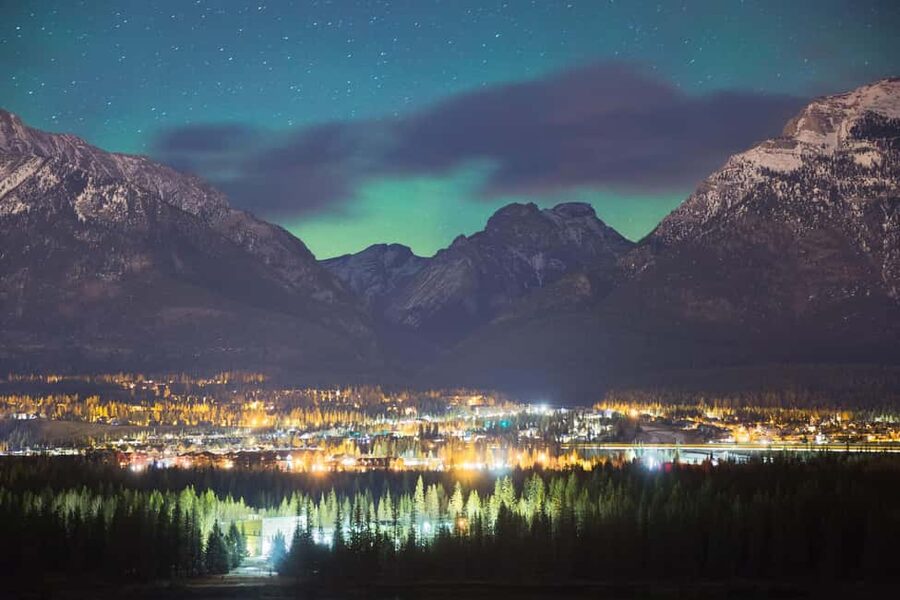
- Dark-sky viewpoints with stargazing built in: The walk is designed to get you to remote local spots for night sky viewing.
- Weather safety net: If cloud cover is forecasted at over 50%, there’s a refund or a postponement option.
- Gear provided for real night conditions: Headlamps are included, and ice cleats are used in winter when needed.
- Certified backcountry guides with safety gear: You’ll travel with professionally certified guides carrying bear spray and first aid kits.
- A short, focused 2-hour format: It’s time-efficient, with about 3.5 miles of walking during the tour.
Why Canmore at night feels different (and not just darker)
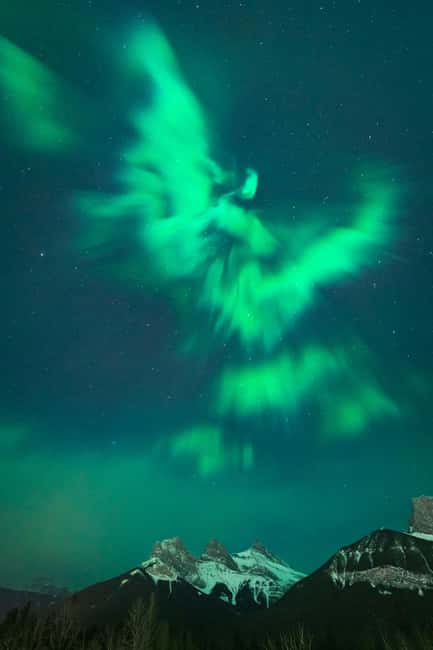
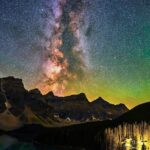
Canmore is a good base for mountain adventures, but at night the whole place shifts. When you get out of the lights and into a darker sky, stars look sharper and the sky starts to feel like something you can actually study. That’s exactly what this tour is built for: a guided night outing that aims for stargazing conditions and viewpoints where night photography makes sense.
I also like that the experience doesn’t try to be “all day nature tourism.” In two hours, you’re focused on the night sky and the remote mountain viewpoints. That makes it easier to fit into a trip, especially if you’ve already filled your days with daytime hikes or scenic drives.
The northern lights possibility is part of the appeal too. Aurora viewing isn’t guaranteed on any given night, but the guide-led dark-sky timing is what gives you a realistic shot when the atmosphere cooperates.
You can also read our reviews of more tours and experiences in Canmore.
Meeting at Canmore Recreation Centre and getting set for the dark
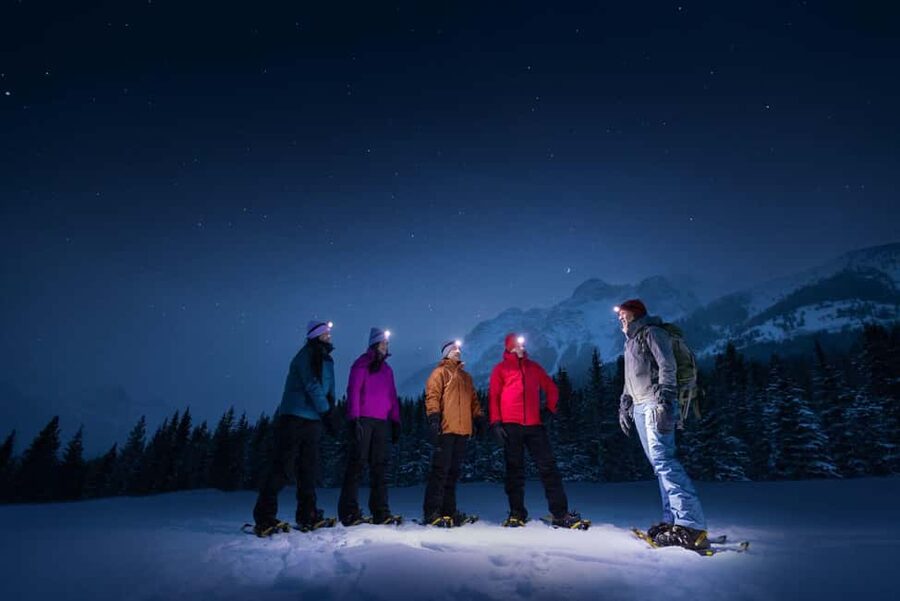
Your meeting point is the Canmore Recreation Centre. Meet your guide outside the main doors—they’ll have a clipboard and a smile—then you’ll get your gear for the outing. You’re also told there’s free parking at the meeting location, and it’s a short walk from public transit.
This matters more than people think. For a night activity, getting started quickly and clearly helps everyone stay calm when it’s dark. With headlamps included, you’re not scrambling at the last minute for something that actually works.
Also, the tour includes seasonal equipment as needed. In winter, that can mean ice cleats, which is a big deal for foothold when paths are icy or hard-packed. The goal here is simple: let the guide handle the “night logistics” so you can concentrate on the sky and the views.
The 3.5-mile night walk: what you’ll really do out there
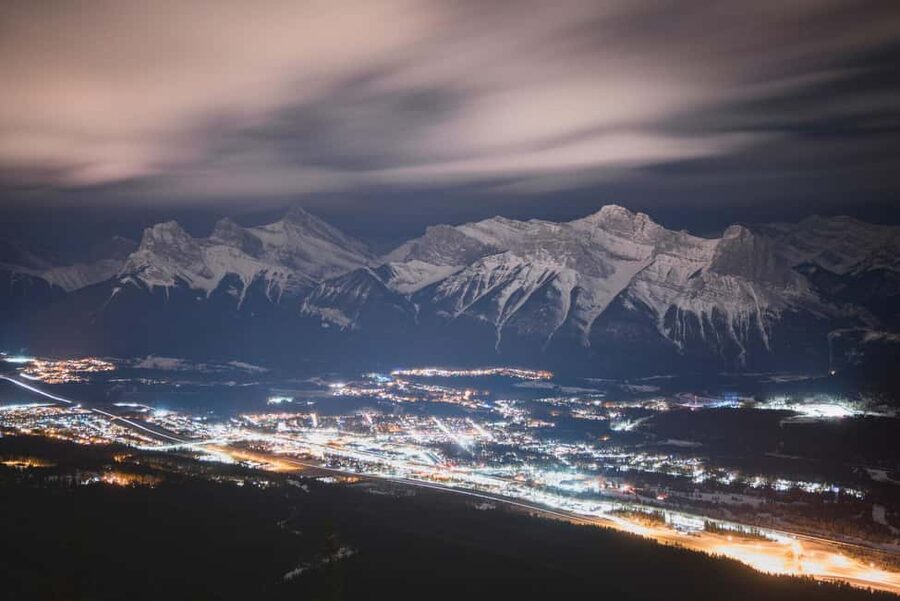
The core of the experience is a guided walk in the wilderness around Canmore. The total walking distance is about 3.5 miles, done on a nighttime schedule with headlamps and seasonal gear.
Why does the walking distance matter? Because night hiking isn’t just about seeing stars—it’s about moving safely over uneven ground in the dark. That’s why this tour emphasizes professional guidance and safety equipment. If conditions are icy, traction gear is provided when needed.
I also appreciate that the walking plan is paired with the viewing goals. You’re not wandering aimlessly. The tour moves you to local remote view points meant for night photography and stargazing, so the time actually serves the purpose.
You should plan for a “night pace” that feels like activity, not a leisurely stroll. Even though the tour is 2 hours total, the 3.5 miles means you’ll be walking consistently.
Safety in the mountains isn’t optional here
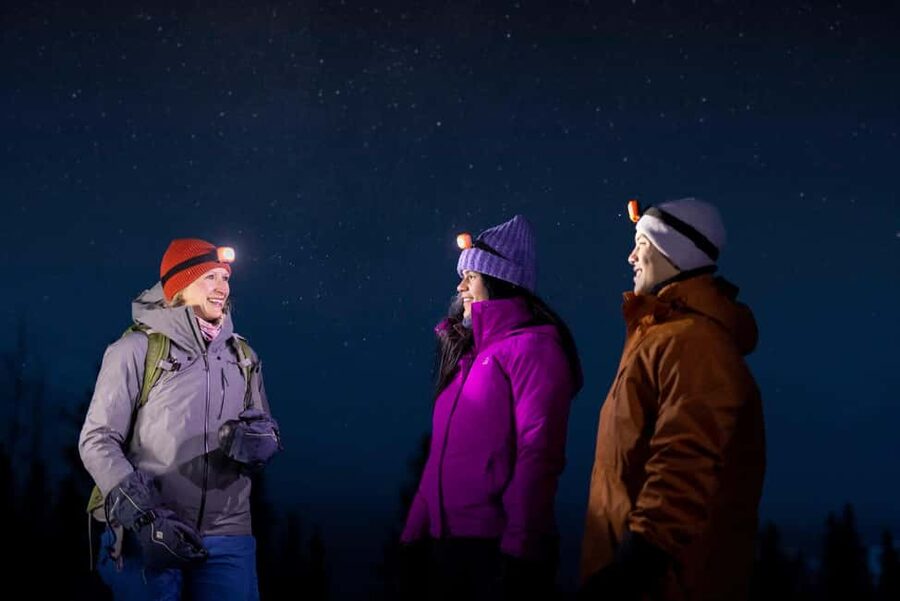
This is a tour that takes safety seriously, and it shows in what’s included. Guides are professionally certified backcountry guides, and they carry safety equipment such as bear spray and first aid kits.
You can feel the difference when the guide’s role is more than “point and tell.” One verified review specifically noted that Jacob was an amazing guide and that the group felt safe the entire way. I can’t promise you’ll have Jacob as your guide, but that feedback lines up with what the tour describes: trained professionals and real safety gear.
If you’re the type who worries about night conditions, that matters. A professional guide can manage the pace, keep the group together, and handle the practical stuff quickly so the night sky is what you remember.
Stargazing and night photography viewpoints you can actually use
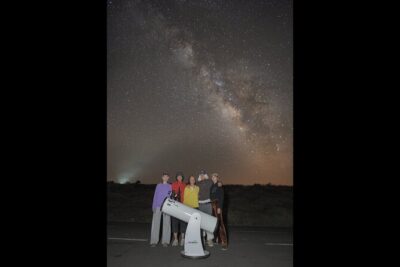
Stargazing is explicitly included, and you’ll head to remote local view points for night sky viewing. That “remote local” phrase is the practical part: it’s about reducing light interference so stars show up better and photos have a better chance.
What I like about this approach is that it treats stargazing like a planned activity. You’re walking to viewpoints designed for the night sky, not just stopping for a quick look.
For night photography, the tour’s structure also helps. You’re moving as a group at a controlled pace, guided by someone who understands where visibility improves after dark. Even if you don’t bring a fancy camera, the same logic helps your eyes: you spend time looking from the places where the sky shows best.
If northern lights are visible, being in the right dark-sky spot is half the battle. The tour’s goal is to get you away from crowds and the lights, which is the most important ingredient for aurora chances.
Weather and the “cloud over 50%” policy
Stargazing is weather-dependent, and this tour calls that out clearly. If heavy cloud cover is forecasted—over 50%—they offer to refund or postpone prior to departure.
I think that’s a fair setup. You’re paying for a night sky experience. If the sky is smothered, your chances drop fast, and a plan that adapts protects your time and money. It also means you should be flexible, since postponements can shift your schedule.
If you’re the kind of traveler who hates uncertainty, consider booking close enough to your trip plans that a postponement won’t blow up your itinerary. If you’re flexible, this “weather-first” policy is a real quality signal.
Price and value: why $62 can make sense for this kind of night
The price is $62 per person for about 2 hours, including key items that many people would otherwise have to handle themselves. You get headlamps and seasonal equipment when needed (like ice cleats in winter). You also get professionally certified backcountry guidance and safety supplies such as bear spray and first aid kits.
Here’s the value math I use for tours like this:
- You’re paying for darkness + access: going to remote view points at night is not the same as walking outside your hotel.
- You’re paying for safer movement: night hiking over the ground is tricky. Traction gear and trained guides reduce risk.
- You’re paying for the “setup”: headlamps and seasonal equipment are included, so you’re not guessing what to bring.
$62 isn’t “cheap,” but for a guided night mountain experience with gear and safety equipment, it can feel reasonable—especially if you don’t want to DIY dark-sky hiking and worry about the details.
Who this tour fits best (and who should skip it)
This activity isn’t for everyone, and the list is specific. It’s not allowed for pets, alcohol, or drugs. It’s not suitable for:
- Children under 8
- People who are pregnant
- People with mobility impairments
- People with pre-existing medical conditions
- Babies under 1
- People over 70
So the best fit is someone who can walk about 3.5 miles at night in mountain terrain and stays within the tour’s health and mobility guidelines. If you’re generally healthy, comfortable with cold nights, and able to handle nighttime walking without special accommodations, this is a strong candidate.
If any part of the restrictions applies to you, it’s worth choosing a different daytime option. This tour’s whole point is a night mountain experience with equipment, darkness, and backcountry movement.
Things to bring (so the cold doesn’t bully your stargazing)
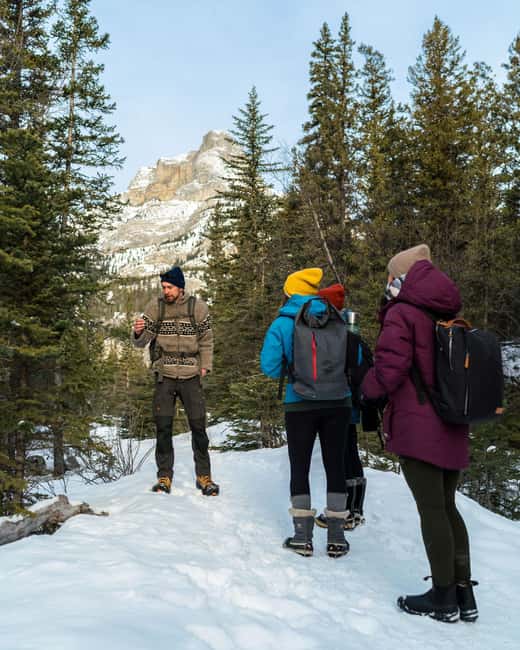
The tour provides headlamps and seasonal equipment as needed, but you should still dress for a cold, dark outdoor walk. Night air in the Rockies can feel colder than you expect once you’re moving less than you would on a daytime hike.
Practical advice:
- Wear warm layers and plan for steady cold.
- Bring gloves or something you’ll tolerate using with your camera/phone.
- Keep something in your routine for comfort—water isn’t mentioned in the info you provided, so don’t count on it being included.
If you want to photograph the sky, bring the device and settings you’re comfortable with. The guide can help you with timing and viewing spots, but they can’t magically replace your ability to operate your own gear.
Should you book the Canmore Stargazing and Night Adventure?
If your goal is a guided night in the Canadian Rockies focused on stargazing, remote viewpoints, and the chance to see auroras, this is a good match. I’d book it if you:
- Want to get away from lights and crowds at night
- Appreciate a safety-first setup with certified guides and bear spray/first aid
- Are okay with the fact that clouds can cancel or postpone the outing
I wouldn’t book it if you can’t meet the walking and health criteria, or if your schedule can’t handle a weather-based change. Night experiences are always more sensitive to conditions than daytime plans, and this one makes that sensitivity part of the deal.
If you’re traveling with the right expectations—cold night, some walking, stars as the payoff—this tour is exactly the kind of short, focused experience that can become a highlight.
FAQ
Where does the tour start?
You meet your guide outside the main doors at the Canmore Recreation Centre.
How long is the Canmore stargazing tour?
The tour duration is 2 hours.
How much walking is involved?
The experience includes about 3.5 miles of walking in nature to remote local view points.
Is stargazing included?
Yes. Stargazing is included, and you’ll also go to viewpoints for night photography.
What happens if it’s cloudy?
If heavy cloud cover is forecasted (over 50%), the provider offers to refund or postpone your departure prior to departure.
What safety gear is included?
You’ll have headlamps and seasonal equipment as needed, and guides carry professional safety equipment including bear spray and first aid kits.