REVIEW · PROVINCE OF GRANADA
Granada Geopark: Stargazing Tour with Telescope
Book on GetYourGuide →Operated by AstroNatura.eu · Bookable on GetYourGuide
Some nights you look up and suddenly it all clicks. This tour pairs a guide-led introduction with a professional telescope and happens in the open, low-light area of Sierra Nevada, high enough to make the stars look sharp. I especially liked the laser lesson that helps you spot the main constellations, and then the payoff of seeing real celestial targets through the scope. One thing to plan for: nights in the mountains get cold fast, so warm clothing is not optional even if the day is mild.
The session starts with orientation—how the sky moves and how to find your bearings using the stars—before you shift to hands-on observation. You will also hear the stories behind major constellations and get a tour of what’s actually out there, from planets and moons to galaxies, nebulae, and star clusters.
My guide, Leo, explained everything clearly in English or Spanish, and the pacing felt friendly even if you do not know astronomy. The main consideration is simple: you are outside, looking up for about two hours, so dress for the cold and be ready for a slow, focused night—not a fast sightseeing sprint.
In This Review
- Key things that make this tour worth your time
- Sierra Nevada stargazing feels different when the lights stay away
- Getting set at Mirador del Marquesado
- Learning constellations the sky-pointer way
- Telescope time: stars to planets, plus nebulae and galaxies
- Why the Sierra Nevada dark skies matter (and how to benefit from them)
- What you’ll get beyond telescope viewing
- Price and value: is $28 fair for a guided telescope session?
- Who should book this stargazing tour?
- A realistic check before you go
- Should you book Granada Geopark’s Telescope Stargazing Tour?
- FAQ
- How long is the Granada Geopark stargazing tour with a telescope?
- Where does the tour start and finish?
- What happens during the 2-hour experience?
- What can you see through the telescope?
- What languages are available for the live guide?
- What should I bring?
- Is free cancellation available?
Key things that make this tour worth your time
- Astronomical laser orientation to learn constellations and sky direction without guessing
- High-quality telescope viewing of prominent objects, not just a quick look
- Dark-sky location away from urban lights in Sierra Nevada around 1,800 meters
- A wide range of targets: stars, planets, moons, galaxies, nebulae, and star clusters
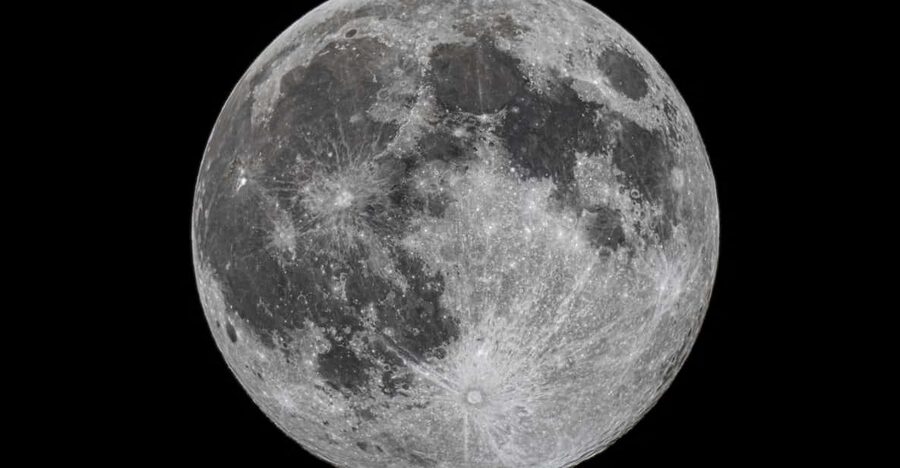
- Moon photo opportunity using your own phone when conditions allow
- Guide-led interpretation of myths and what you are actually seeing through the telescope
Sierra Nevada stargazing feels different when the lights stay away
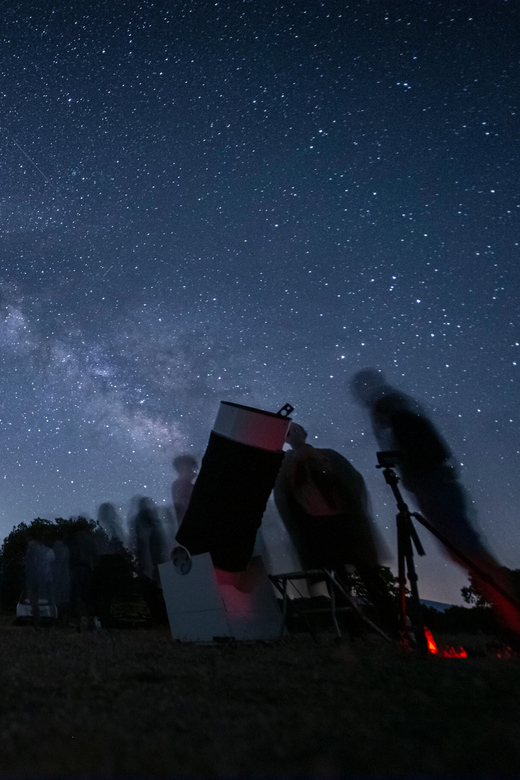
Granada has its share of great viewpoints by day, but this is built for night. What makes the experience work is not just the telescope—it is the environment. The observation happens in an open, light-pollution-free area in the National Park of Sierra Nevada, at nearly 1,800 meters above sea level. That height and the distance from city glow matter because they help your eyes (and the optics) do their job.
I love when a stargazing tour is more than a lecture. Here, the guide uses an astronomical laser to show you the celestial sphere, then you switch to looking through the scope at the objects that match what you learned. If you have ever tried to identify constellations alone and felt like you were staring at random dots, you’ll understand why this format helps so much.
You also get the fun mix of science and story: you will hear myths linked to constellations, and then you will see what lies behind the names. The goal is not to overwhelm you with facts. It is to give you enough structure so your eyes can follow the night sky.
One more practical note: the tour is outdoors and in the mountains. Even in summer, temperatures can drop significantly after dark, so bring warm layers and be comfortable holding still while you look up.
Getting set at Mirador del Marquesado
The tour starts and ends at Mirador del Marquesado. That may sound like a small detail, but it is useful. You know exactly where to meet, and you are not left figuring out a complicated way back after dark.
From there, you head to the viewpoint area for the stargazing portion. The total experience is about two hours, which is long enough to learn a few key sky skills and still spend meaningful time observing through the telescope. For most people, that time window hits the sweet spot between boredom and rushed seeing.
The big thing I recommend you do here is mental preparation. This is a night-sky session, not a stop-and-go tour. Set expectations for looking up, waiting for the sky to settle, and letting the telescope views do their work.
Learning constellations the sky-pointer way
Before you ever touch the telescope, you get an introduction to the celestial sphere using an astronomical laser. This is one of the most valuable parts of the night because it changes your role from spectator to participant. Instead of hoping you spot familiar shapes by luck, the laser helps you connect what you see overhead with what the guide is describing.
In the first part, you learn how to recognize the main stars and their corresponding constellations. You also get a lesson in apparent sky motion: how the sky seems to move, and how to orient yourself using stars. That orientation piece is more important than it sounds. Once you understand direction and movement, you stop feeling lost and start tracking patterns.
This is also where myths come in. The guide discusses the stories behind constellations, which gives the shapes meaning. It is easier to remember a group of stars when you have a narrative hook—then you can reuse it later even after the tour ends.
If you are bringing kids or a friend who is not into astronomy, this part is usually the easiest sell. It turns the night sky into something you can actively learn instead of just admire.
Telescope time: stars to planets, plus nebulae and galaxies
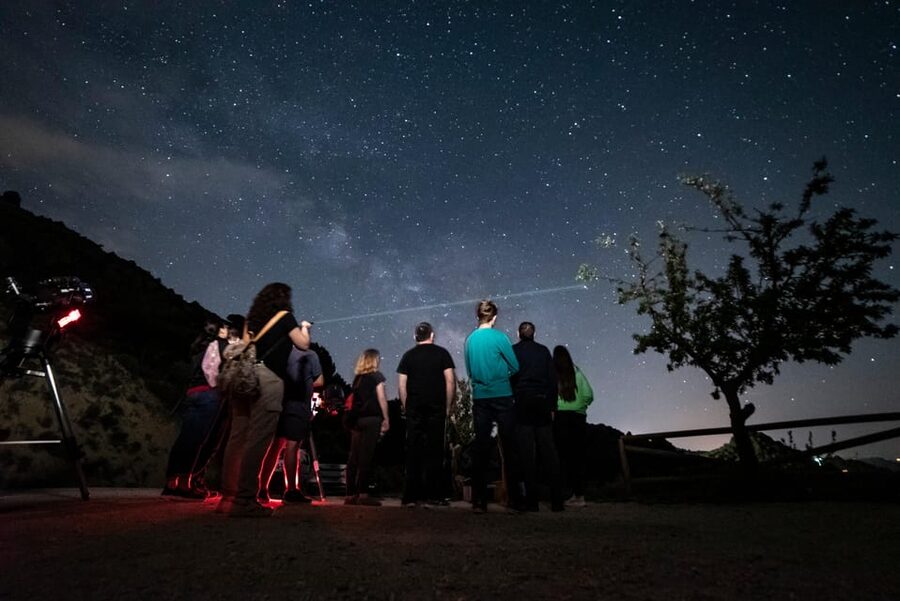
After the constellation and orientation lesson, you switch to the main show: observing prominent objects through a professional telescope. The tour description makes it clear that the telescope is central, not optional. You are not just told to look; you are guided to see.
The targets are varied:
- stars and recognizable sky features
- planets and moons
- galaxies, nebulae, and star clusters
That variety is a big reason this tour works for people with different interests. If you love our solar system, you get planets and moons. If you prefer deep-sky objects, you get galaxies, nebulae, and star clusters. And since you learned how to orient yourself earlier, you will likely understand what the guide is pointing at instead of feeling like you are watching a mysterious show.
One practical vibe shift happens here. In the first part, you are learning to read the sky. In the second part, you are reading the objects—using the telescope to see details that you simply cannot catch with the naked eye. On a clear night, that can feel like the difference between looking at a printed map and standing at the top of a mountain route.
Keep your expectations grounded, though. You are seeing distant objects, so the look can be subtle even when it is impressive. The value is that you get context: what you are looking at, why it looks that way, and how it fits into the bigger sky picture.
Why the Sierra Nevada dark skies matter (and how to benefit from them)
The tour is designed for a low-light area in the Sierra Nevada National Park, away from city illumination. That matters because light pollution steals contrast. When your eyes struggle to tell where the background ends and stars begin, stargazing becomes frustrating fast.
At nearly 1,800 meters, the sky conditions also tend to be more favorable for seeing faint objects. The tour cannot guarantee perfect weather, but the location is clearly chosen to maximize visibility. That is why the night feels more productive than typical urban stargazing sessions, where you might mostly see the brightest stars.
To get the best experience, arrive mentally ready to wait and look. Your eyes adjust over time, and the guide’s laser-and-telescope sequence is built for that rhythm. If you keep checking your phone screen or rushing your head back and forth, you will fight the process.
And yes, the mountain cold can bite. If you are not dressed warmly, you will start associating the experience with discomfort instead of wonder. That is why the tour specifically calls out warm clothing, even in summer.
What you’ll get beyond telescope viewing
This tour includes a couple of small extras that make it feel more complete.
First, you get a group photo during the experience. It is a simple souvenir, but it also marks the moment you finished your learning-to-seeing transition.
Second, there is a chance to take a picture of the Moon through the telescope with your own phone when possible. This is a nice add-on because it gives you something concrete to remember the night sky by, beyond your memories. It is also a good way to bring the experience home, especially if you want to compare what you saw later with friends.
Just remember: the moon photo is only when possible. So do not treat it like a guaranteed “Moon shot” no matter the conditions. If it happens, great. If not, the main value is still the guided viewing and the sky education.
Price and value: is $28 fair for a guided telescope session?
At $28 per person for about two hours, this tour sits in a reasonable range for a structured stargazing outing that includes a guide and professional equipment. The key value point is that you are paying for more than access to a telescope. You are paying for a sequence that teaches you how to look, not just what to look at.
Here is what you get for the money:
- guided constellations and sky orientation (with an astronomical laser)
- telescope viewing of multiple types of objects (stars, planets, moons, galaxies, nebulae, star clusters)
- language support in English and Spanish
- a group photo
- a possible Moon-photo chance using your phone
If you tried to recreate this on your own, you would likely spend time figuring out where to go for dark skies, how to identify objects, and how to operate equipment. This tour compresses that learning curve into a guided night, which is exactly what makes it feel like good value.
The only thing that could make it feel pricey is if you expect a long, slow, museum-style astronomy lecture. This is focused and practical: you will learn enough to orient yourself and then you will get the payoff through the telescope.
Who should book this stargazing tour?
This experience is best if you want:
- a guided way to understand constellations and sky direction
- telescope views that come with explanation, not silence
- a mix of solar system targets and deep-sky objects
- a night plan that feels structured without being stiff
It also fits people who are new to astronomy. The laser-and-orientation start helps you learn the sky quickly, and the later telescope segment rewards you with views you can only get with help (and good conditions).
Language is another plus. The guide works in English and Spanish, so you can choose the language that feels easiest in real time. That matters because stargazing is not a moment for reading long instructions off a brochure.
Finally, the tour is wheelchair accessible, which is great for travelers who need an option that does not rely entirely on stairs or steep footing.
A realistic check before you go
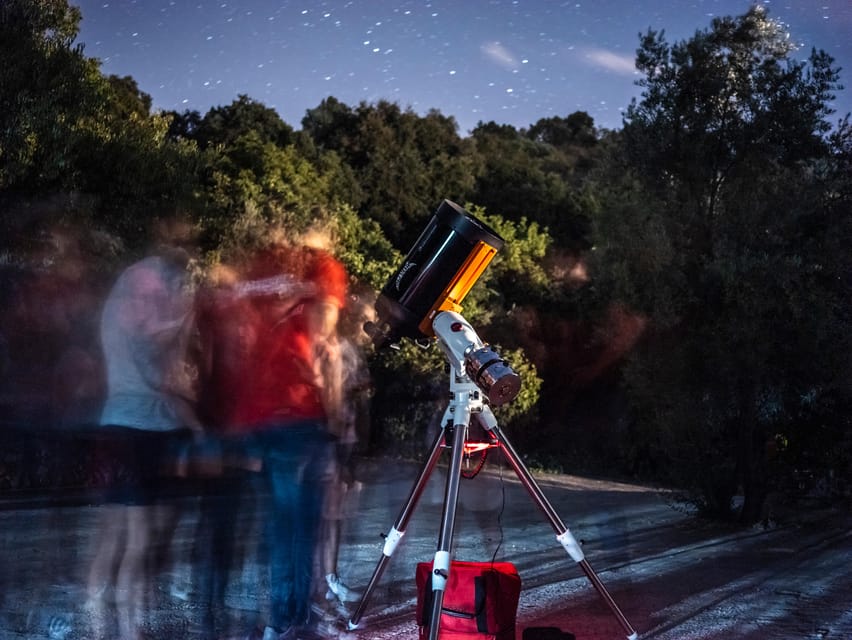
Stargazing tours rise and fall on two things: comfort and clarity. Here, comfort is mainly about warmth, because the tour explicitly warns that it can get cold at night in the mountains even during summer. The other factor is the quality of viewing, which depends on sky conditions. The tour uses a dark-sky location to maximize visibility, but your enjoyment still comes down to dressing for the cold and giving the night sky time to work its magic.
The guide’s explanations—especially the way Leo describes what you are seeing—are a major part of the positive experience. If you are the type who likes to understand the story behind what you see, you will probably leave with more than “cool views.” You should come away with a way to find a few key constellations again later.
Should you book Granada Geopark’s Telescope Stargazing Tour?
I think you should book this tour if you want a guided, structured stargazing night with real telescope viewing and a clear educational path. The combination of laser-guided orientation, telescope time across many types of objects, and the dark-sky Sierra Nevada setting gives you both context and payoff.
You might skip it if you hate being outside in the cold, or if you only want a casual look with no interest in learning constellations and how the sky moves. This tour is for people who are happy to spend two focused hours looking up and letting a guide translate the sky into something you can recognize.
If you are deciding between “generic stargazing” and “learn the sky, then see the targets,” this one leans strongly toward the second option—and that is why it tends to leave people feeling like the night actually taught them something.
FAQ
How long is the Granada Geopark stargazing tour with a telescope?
The experience runs for 2 hours.
Where does the tour start and finish?
It starts and finishes at Mirador del Marquesado.
What happens during the 2-hour experience?
You start with an introduction to the celestial sphere using an astronomical laser, then you observe prominent night-sky objects through a professional telescope.
What can you see through the telescope?
The tour focuses on a range of objects, including stars, planets, moons, galaxies, nebulae, and star clusters.
What languages are available for the live guide?
The live guide offers English and Spanish.
What should I bring?
Bring warm clothing, because temperatures can drop significantly at night in the mountains.
Is free cancellation available?
Yes. You can cancel up to 24 hours in advance for a full refund.