REVIEW · MOAB
Professional Stargazing in Moab
Book on Viator →Operated by Stargazing Moab · Bookable on Viator
Stars feel close in Moab at night. This 2-hour program puts you under internationally certified dark skies, with guides helping you find targets fast and comfortably.
I love the zero-gravity pod setup (with blankets and astro-binoculars), because it turns star-gazing into actual relaxing, not stiff neck survival. I also like the small max group size (18), since it makes it easier for the astronomer to keep the night moving and answer questions.
One possible drawback: transportation isn’t included, and there’s no restroom on site, so you’ll want a plan before you arrive.
In This Review
- Key things to know before you go
- Moab’s Dark Skies: Why This Night Works
- The 2-Hour Flow: Solar System Walk to Telescope Targets
- Zero-Gravity Comfort: Yogibo Loungers, Blankets, and Binoculars
- Telescope Time: What You’ll See and How the Guide Gets You There
- Hot Drinks Under the Stars: The Included Comfort Layer
- Price and Logistics: Does $200 Feel Fair?
- Meeting Point Reality: Getting There Without Stress
- Who This Fits Best (and Who Might Struggle)
- Should You Book Professional Stargazing in Moab?
- FAQ
- How long is the stargazing experience?
- Where is the meeting point?
- What’s included in the tour?
- Are telescopes and binoculars provided?
- Is transportation provided to the stargazing site?
- Is there a restroom available during the tour?
- What fitness level is required?
- What if the weather is poor?
Key things to know before you go
- Dark-sky viewing in Moab: an astronomy night built around moody, low-light skies.
- Zero-gravity lounging: Yogibo-style pods plus blankets, designed to reduce pressure points.
- Guided constellations and objects: laser pointers help you aim, then telescopes bring targets closer.
- Clear “warmth breaks”: a hot beverage station keeps the experience comfortable while you wait for the sky to settle.
- Small group max: up to 18 people, which usually means less crowd chaos at the telescopes.
- No restroom, no transport: you’ll need to handle both on your own.
Moab’s Dark Skies: Why This Night Works
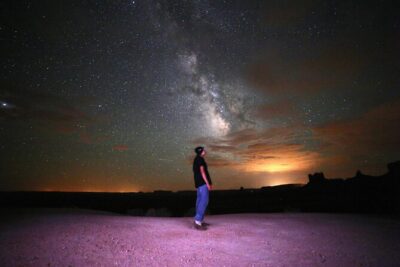
Moab is famous for skies that stay dark enough for real astronomy, not just casual twinkling. This experience leans hard into that advantage: you’re going out specifically for stargazing under internationally certified dark skies. That matters, because you’ll notice the difference between stars that look like dots and stars you can actually build constellations around.
It also helps that this session starts with guidance right away, instead of dropping you into the dark and hoping you’ll figure it out. You get an organized evening with a clear rhythm, so you’re not stuck waiting around while your brain catches up.
Finally, the timing is built around twilight transitioning into night. The shift from light to darkness is when your eyes adjust and the sky becomes more rewarding. This tour is designed to match that natural transition.
You can also read our reviews of more tours and experiences in Moab.
The 2-Hour Flow: Solar System Walk to Telescope Targets
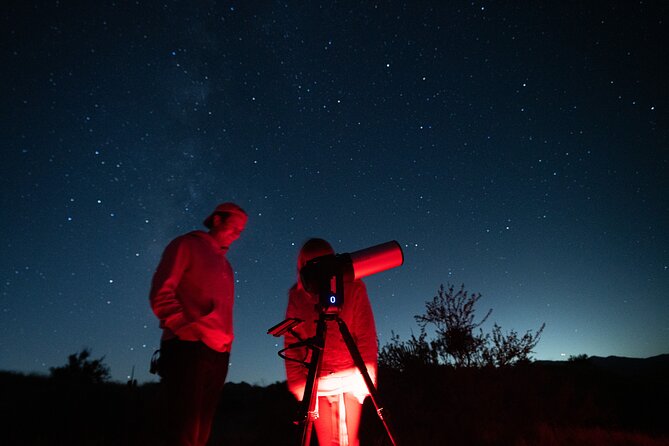
The night begins with a short walk through a scale model of the solar system. It’s brief, but it’s a smart warm-up. When you understand where planets sit relative to Earth, you’re better at noticing patterns and scale—so your viewing later feels less random.
As astronomical twilight sets, the astronomer brings you into the main show. You’ll lounge in your own zero-gravity pod, blanket provided, and settle in with binoculars. That start phase is about getting you comfortable and ready so you can focus on the sky instead of logistics.
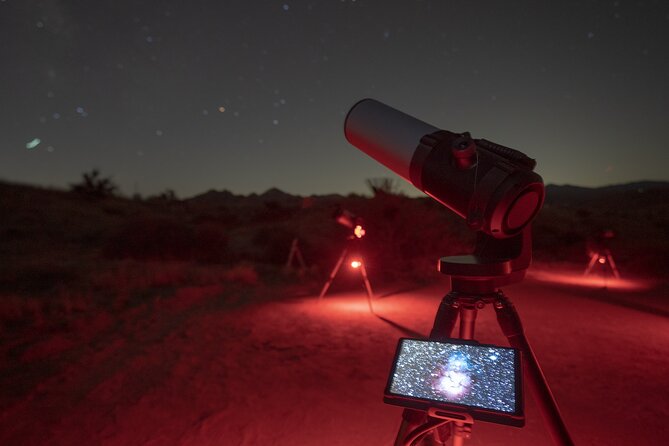
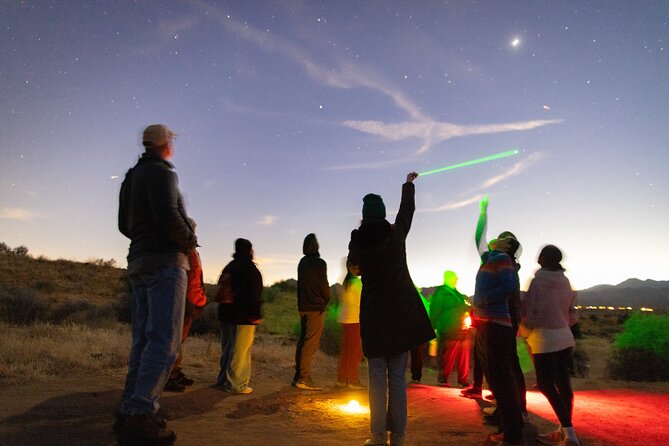
Then the guiding turns practical. You’ll use laser pointers and a guided program to find constellations and astronomy objects through the evening. The session is built as a full program that culminates in up-close views through telescopes.
One helpful detail: you’re not just looking at the sky from far away. You’re guided toward specific targets—so you get more than “pretty stars.” You’re aiming at galaxies, nebulae, and clusters.
Zero-Gravity Comfort: Yogibo Loungers, Blankets, and Binoculars
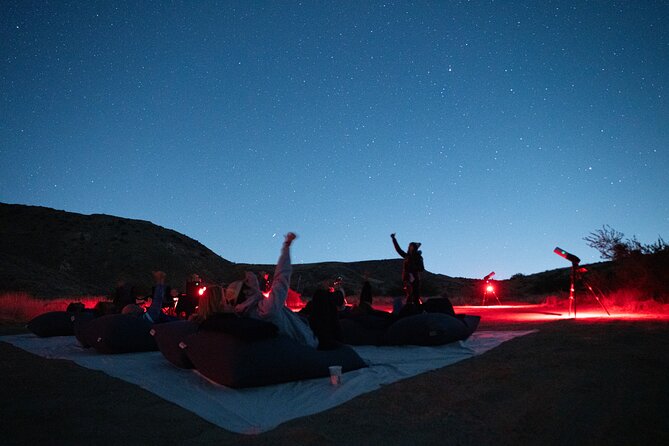
This is one of the biggest reasons I think people enjoy the tour even if they’re not hardcore astronomy fans. The tour provides Yogibo-style loungers in zero-gravity pods that conform to your body. That’s the difference between “I’ll sit for a minute” and “I can actually watch for the whole session.”
Blankets are included, which matters because sitting still while your eyes adjust is part of the deal. The setup also includes astro-binoculars, so you’re not waiting until the telescope portion to start seeing things.
Another underrated benefit: each guest has their own pod. With a small group, you avoid the classic stargazing problem of trying to see over someone else’s shoulders. It’s easier to keep your viewing angle steady.
Practical note: the tour asks for a moderate physical fitness level, and it’s not recommended if you can’t stand for about 30 minutes. That affects who should book, especially if mobility is limited.
Telescope Time: What You’ll See and How the Guide Gets You There
The core promise here is guided stargazing using powerful telescopes plus direction from the astronomer. A big part of the value is that you get help finding what you’re looking at—constellations, and then deeper sky objects.
Laser pointers are used to guide you across the night sky. That sounds basic, but it’s how you avoid the “where is it?” frustration. When someone points and explains in real time, the sky stops being a mystery wall and becomes a map.
You’ll also get an up-close view of celestial objects such as galaxies, nebulae, and clusters. Those types of targets are the ones that make stargazing feel like more than a night out. If your interest is photography, “wow” moments, or simply learning the sky, these are the kinds of objects that deliver.
Guide quality can make or break astronomy tours. One name that stands out is Devon, described as entertaining and highly effective at enhancing the night sky experience. If Devon is your astronomer, you can expect a guided approach that keeps people engaged while still doing real pointing-and-telling.
Hot Drinks Under the Stars: The Included Comfort Layer
This experience includes a hot beverage station with options like hot chocolate, coffee, and tea. That’s not just a nice perk. It helps because a stargazing night isn’t constant action. There are pauses while you aim, adjust, and let your eyes settle.
Having warm drinks included reduces friction. You don’t need to bring something extra or worry about finding refreshments nearby. It’s one less thing to manage while you’re already working to see faint targets.
It’s also part of what makes the atmosphere feel like an event rather than a quick stop. The tour is paced like a guided evening, and the warm drinks reinforce that.
Price and Logistics: Does $200 Feel Fair?
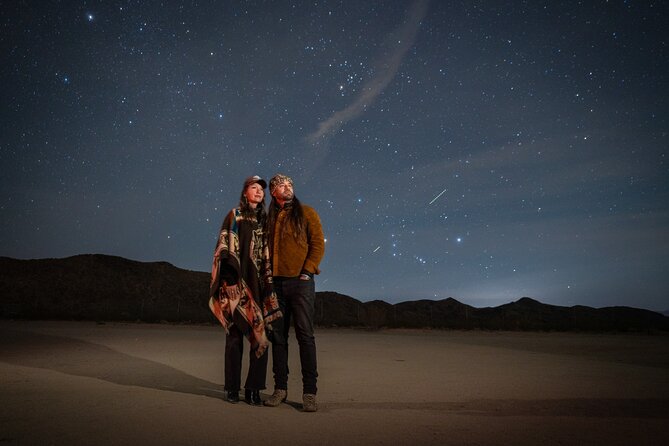
At $200 per person for about 2 hours, the price lands in the “you’re paying for expertise and equipment” category. And in this case, you are.
Here’s what you’re getting for the money:
- telescopes (including the guided up-close viewing)
- astro-binoculars
- zero-gravity pods plus blankets
- laser-pointer guided constellation viewing
- an astronomer leading the program
- hot beverages
So the value is in the full package: comfort + guidance + optics + a structured show. If you’ve ever tried to replicate this on your own, the hard part isn’t just driving to dark sky—it’s knowing where to look and having the gear to see more than bright points.
Now for the part you must plan around: transportation isn’t included. The meeting point is in the La Sal area (8HFF+7V La Sal, UT, USA), and you’ll need to get yourself there. If you’re arriving without a car, this is the main reason the experience can feel less convenient.
There’s also no restroom included, which means your “quick pit stop” has to happen before the tour.
Bottom line: the price makes more sense if you can handle the logistics on your side and you want a guided, comfortable night with real telescope viewing.
Meeting Point Reality: Getting There Without Stress
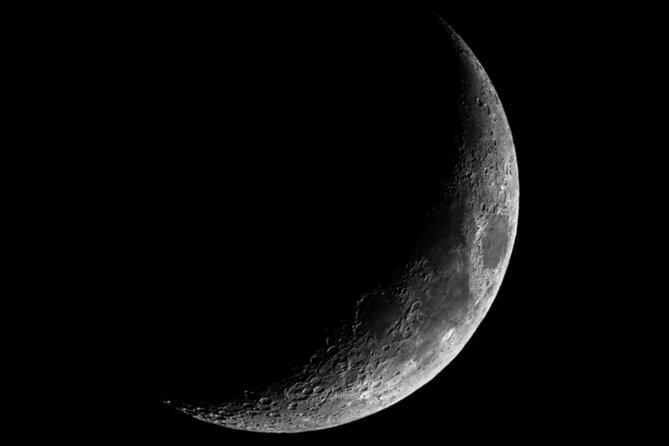
The tour starts at 8HFF+7V La Sal, UT, USA, and it ends back at the meeting point. That’s helpful because you’re not juggling a complicated route at night.
Still, because there’s no transportation provided, you’ll want to treat arrival planning as a core part of your day—not an afterthought. Figure out how you’ll reach La Sal-area meeting location ahead of time, especially if your schedule is tight.
A good strategy is simple: build in buffer time. Even short delays matter more after dark, and stargazing programs run on a schedule tied to twilight and sky conditions.
If you’re booking during peak season, note that the experience is often booked about 48 days in advance on average. That doesn’t mean you must book that early, but it’s a hint that desirable dates go faster.
Who This Fits Best (and Who Might Struggle)
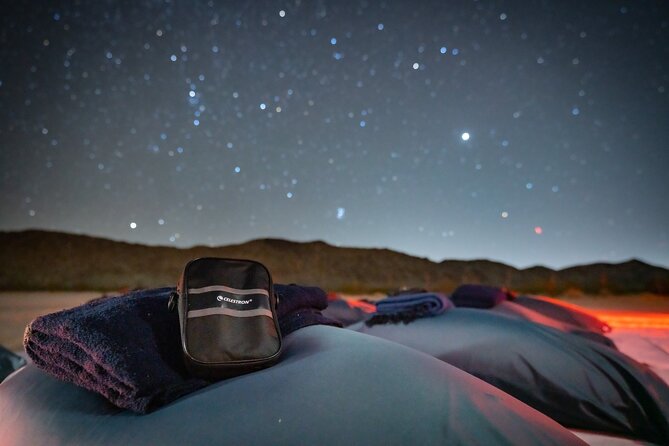
This tour is a strong fit if you want guided astronomy without the steep learning curve. You don’t need to know constellations in advance. The astronomer uses laser pointers, explains what you’re seeing, and transitions you into telescope viewing.
It’s also ideal if you like comfort while waiting for your eyes to adjust. The zero-gravity pod setup and included blankets make it easier to stay focused for the full program.
I’d be cautious if you can’t stand for around 30 minutes or if mobility is limited. The experience isn’t described as wheelchair-friendly, and it explicitly says it’s not recommended for travelers unable to stand for that long.
Service animals are allowed, and the tour is in English. Group size max is 18, so it’s not a huge crowd event.
Should You Book Professional Stargazing in Moab?
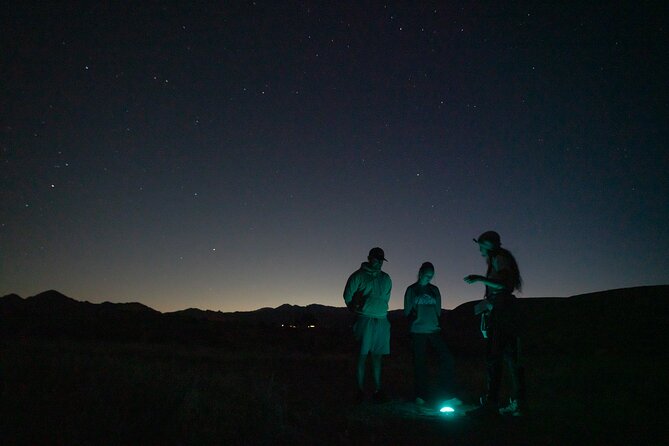
If your goal is a guided astronomy night with real telescope viewing, this is a solid pick. You’re paying for the combination of dark skies + expert-led pointing + comfort (pods, blankets, binoculars) plus the practical pacing of a two-hour program.
I’d especially recommend it to you if you want the best chance of seeing galaxies, nebulae, and clusters without guessing your way around the sky.
Skip it, or at least plan carefully, if transportation and restroom access are deal-breakers for your situation. No transport means you must solve the how-you-get-there part. No restroom means you should handle that before you arrive.
FAQ
How long is the stargazing experience?
It lasts about 2 hours.
Where is the meeting point?
The start point is 8HFF+7V La Sal, UT, USA. The activity ends back at the meeting point.
What’s included in the tour?
You’ll get a hot beverage station, telescopes, Yogibo loungers, an astronomer, astro-binoculars, and blankets.
Are telescopes and binoculars provided?
Yes. Telescopes are part of the experience, and binoculars are provided for each guest.
Is transportation provided to the stargazing site?
No. Transportation is not included.
Is there a restroom available during the tour?
No. A restroom is not included.
What fitness level is required?
You should have a moderate physical fitness level. It’s not recommended for travelers physically unable to stand for about 30 minutes.
What if the weather is poor?
The experience requires good weather. If it’s canceled due to poor weather, you’ll be offered a different date or a full refund.