REVIEW · VICTORIA FALLS
2 Hour Stargazing Tour in Victoria Falls NP Area in 4×4
Book on Viator →Operated by Savannah Adventures Safaris · Bookable on Viator
Night skies over Victoria Falls feel unreal. I like the small-group pace and the chance to do real stargazing from a dark, bushy spot with a guide who helps you make sense of what’s up there. I also really appreciate the astrophile guide focus, plus the way the night drive uses moonlight and a flashlight to point out what’s around you. One thing to keep in mind: the sky quality depends on the night’s clarity, and wildlife sightings are never guaranteed in unfenced areas.
You start in the Victoria Falls NP area and move on to Zambezi National Park for another hour of stars-and-bush atmosphere. It’s structured for calm, not a rush, and that matters because 2 hours goes by fast once you start learning the sky.
If you want a quick astronomy lesson plus a night-in-the-wild feeling, this is a strong fit. If you expect a guaranteed parade of animals, you’ll want to adjust your expectations going in.
In This Review
- Key things to know before you book
- Why this Victoria Falls 4×4 stargazing tour works at 7:00 pm
- Price and value: what $99 gets you (and what it likely costs you in your time)
- Stop 1 in Victoria Falls National Park: dark bush, stars, and flashlight-led noticing
- The tradeoff at Stop 1
- Stop 2 in Zambezi National Park: more wildlife odds, fewer guarantees
- The tradeoff at Stop 2
- The astrophile guide: why the explanation matters as much as the view
- Two hours goes fast: how to get the most out of the night
- Who this tour suits best (and who might prefer a different style)
- Practical notes so you’re not guessing on the day
- Should you book? My take on the decision
- FAQ
- What time does the 2-hour stargazing tour start?
- How long is the experience?
- Is pickup included?
- What’s the group size limit?
- Will I definitely see wildlife during the tour?
- What will I see in the sky?
- What is the cancellation policy?
Key things to know before you book
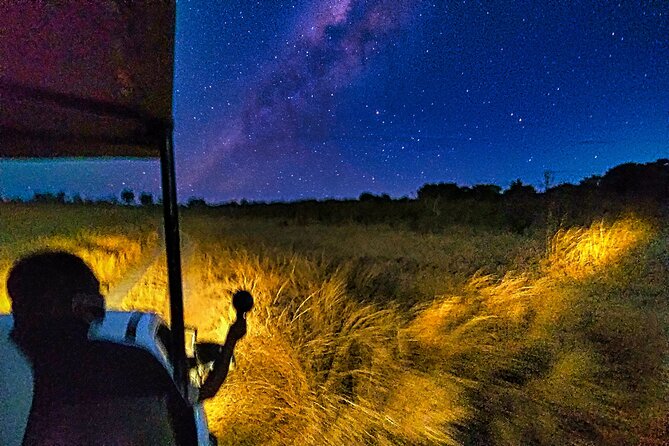
- Two protected areas, two different night vibes: Victoria Falls National Park first, then Zambezi National Park after dark
- A guide built for the sky: your astrophile guide focuses on what you can actually see, not just facts
- Dark-sky stargazing with minimal light: you’ll use moonlight, stars, and a flashlight-led approach
- Wildlife is a possibility, not a promise: especially in Zambezi where animals move freely in an unfenced zone
- Small group cap of 10: easier to ask questions and keep the night calm
- Pickup and mobile ticket included: less time figuring out logistics, more time looking up
Why this Victoria Falls 4×4 stargazing tour works at 7:00 pm
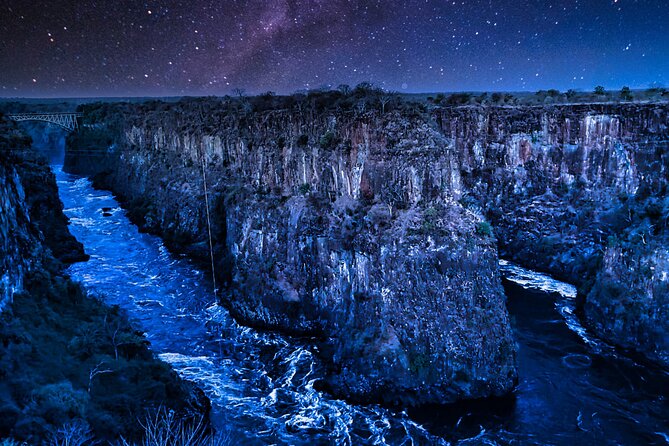
Stargazing is one of those activities where the timing and the setting do a lot of the work for you. This tour starts at 7:00 pm, which lines up nicely with the moment when the sky feels properly dark and the bush takes over your senses. You’re not just standing in one place waiting for darkness—you’re moving through the Victoria Falls National Park area and then heading toward Zambezi National Park.
I like that the pace is built for attention. This is a two-hour experience, split into two one-hour stops. That gives you enough time to settle in and start recognizing patterns in the sky, without tiring you out with a long, drawn-out night program.
You’ll also benefit from the small group limit (10 travelers max). In a crowd, stargazing turns into noise control. With a small group, you can actually hear the night and keep your eyes focused.
You can also read our reviews of more tours and experiences in Victoria Falls.
Price and value: what $99 gets you (and what it likely costs you in your time)
$99 per person is not “cheap,” but for Victoria Falls it can make sense when the experience is doing several jobs at once: guiding, stargazing interpretation, and night viewing by 4×4 with pickup and a mobile ticket.
Here’s where the value comes from:
- You’re paying for a guide who’s specifically invested in the sky and the night environment.
- You’re not planning your own route, timing, or what to look for once you’re in the dark.
- You get two locations in one outing, which expands your odds of seeing both celestial sights and nocturnal wildlife.
Also, this is an activity with decent demand. On average, it’s booked about 12 days in advance, which usually means it runs smoothly when you plan ahead. If you’re coming during peak seasons, I’d treat this like a “book early” item rather than something you try to squeeze in late.
Stop 1 in Victoria Falls National Park: dark bush, stars, and flashlight-led noticing
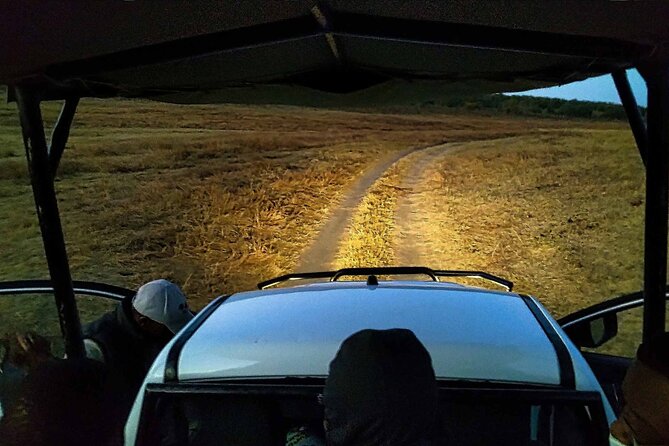
Your first hour is in Victoria Falls National Park, often described in terms that matter: you’re there for the whole night feeling, not just a quick look at planets.
You’ll notice how the experience is designed around darkness. Expect a setup where you use moonlight and stars, plus a flashlight and your guide’s direction to help you spot what’s on your route. That detail is practical: in thick bush and in night conditions, your eyes need guidance to see safely without flooding the area with artificial light.
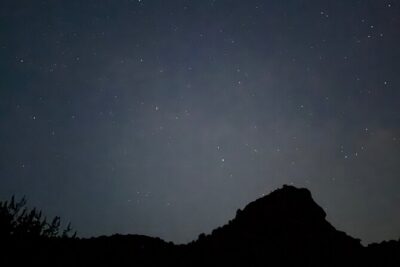
This stop is also where the sky show starts. With good visibility, you can expect a breathtaking array of celestial objects, including twinkling stars and planets. The guide’s job is to help you connect what you’re seeing to something you can recognize, rather than leaving you alone with a blank patch of sky.
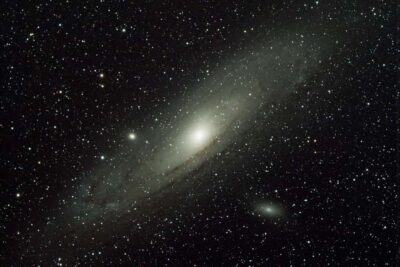
One more key point: the celestial details are clarity dependent. On a night with better conditions, you may also catch glimpses of distant galaxies. On a cloudier night, you can still enjoy the experience, but the view may be less dramatic than you hoped.
Wildlife is part of the atmosphere here, too. The route is set up to illuminate potential wildlife, so you’re not only gazing upward—you’re also learning what the bush might be doing while you look.
The tradeoff at Stop 1
Because this is a night program that prioritizes calm and observation, you’re not going to get a long, hands-on astronomy class. It’s more like: you start learning quickly, then you start seeing.
Stop 2 in Zambezi National Park: more wildlife odds, fewer guarantees
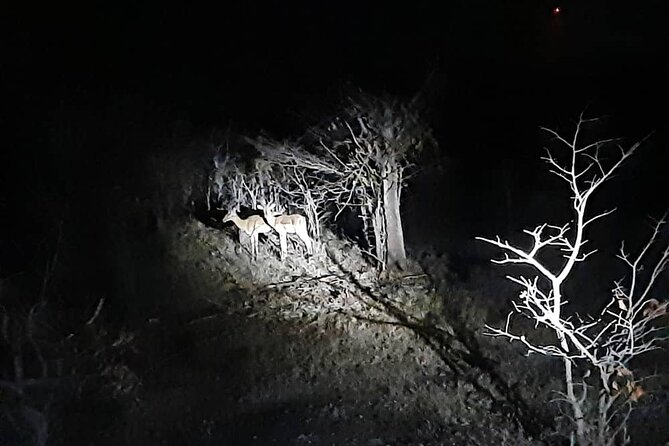
The second hour takes you to Zambezi National Park, in the Victoria Falls area. This is where the adventure energy shifts slightly: the chances of animal sightings increase, but they’re not locked in.
The big practical detail: this is described as an unfenced area, which means animals roam freely. That’s exciting because it feels like you’re seeing nature on its own terms, not a staged situation. It also means you should expect the experience to be shaped by the animals’ timing, not your schedule.
This is where the reviews really line up with the tour concept. People talk about night wildlife sightings with a special emphasis on elephants, and others mention hippos and elephants during the night drive portion of the outing. Those are exactly the kinds of animals you’d hope for when you’re traveling by 4×4 at night and scanning with a guide who knows where to look.
Your guide’s role becomes even more important here. You’ll get help reading what you’re seeing and hearing, and you’ll use light in a controlled way so you don’t disrupt the animals—or lose the night vision you need to keep tracking movement.
The tradeoff at Stop 2
You can’t treat this as a guaranteed big-game sighting. It’s a bush night experience where wildlife is possible and sometimes spectacular, but sometimes it’s just you, the sky, and the sounds of the African night.
The astrophile guide: why the explanation matters as much as the view
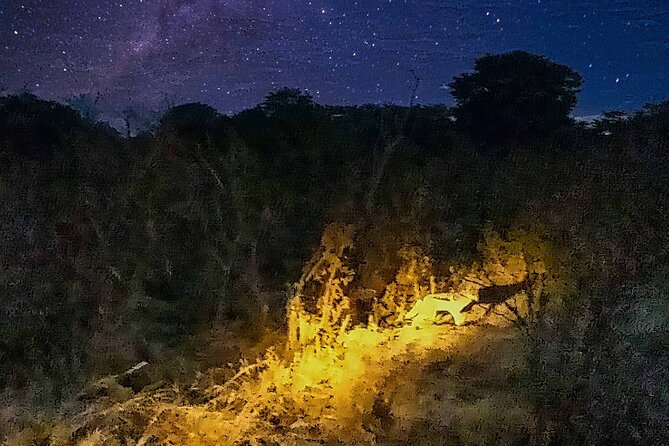
A stargazing tour can be either passive or guided. This one is clearly meant to be guided, with an astrophile guide leading what you look at and how you think about it.
What I like about this approach is the balance between sky and reality. The experience isn’t just about naming objects. It’s about feeling connected to the scale of the cosmos while you’re also sensing the living landscape around you.
One review specifically praises the guide by name—Aaron—for the quality of the explanations during an August visit. That’s a good sign, because star talk can either make the night feel magical or make it feel like a lecture. When the guidance is good, you start understanding what you’re seeing fast, and the sky becomes less intimidating.
Another theme from reviews: people loved feeling like part of the environment, not just watching from the outside. That usually happens when the guide helps you slow down. You see movement in the bush, you understand why the night matters, and you learn what the stargazing means beyond the facts.
Two hours goes fast: how to get the most out of the night
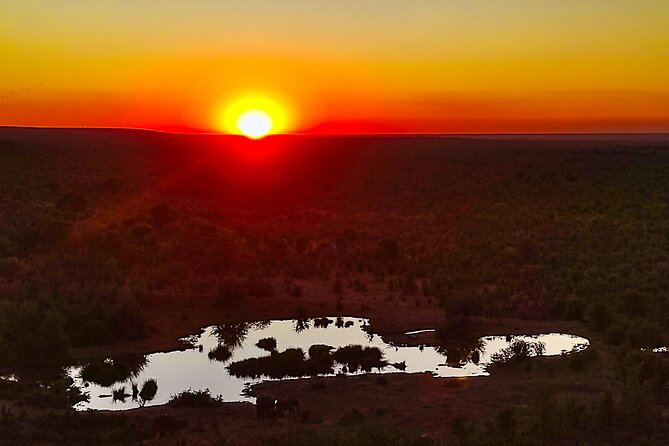
Here’s how to make this kind of tour work for you, especially when you’re doing two different environments in one evening.
First, give your eyes time. When you’re relying on moonlight plus a flashlight-led approach, your vision adjusts differently than in bright areas. If you keep rushing from one thing to another, you miss the “click” moment when stars start looking sharp.
Second, ask questions early. Your guide has a limited window to teach you what’s in front of you. If something stands out—like a cluster of stars you can’t stop noticing—point it out and ask what it is or what to watch for next.
Third, don’t only look up. This experience is built around both sky and bush. The route lighting and the guide’s attention to wildlife potential means you’ll get more out of the tour if you scan your surroundings as the 4×4 moves.
Finally, lean into the mood. This is described as a serene, relaxed way to stargaze from a secluded location. If you go in expecting non-stop action, you might feel restless. If you go in expecting calm and wonder, you’ll get the most value out of every minute.
Who this tour suits best (and who might prefer a different style)
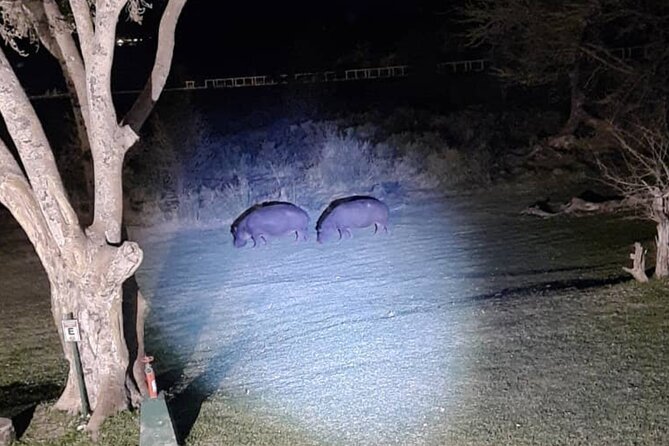
This tour is a great match if you:
- Want stargazing with real context, not just a few minutes of looking
- Like the idea of a small-group night outing with a guide
- Are excited about possible wildlife sightings, especially larger animals like elephants
- Enjoy traveling in the African bush at night and taking the experience at a slower pace
It may not be perfect if you:
- Need guaranteed wildlife sightings
- Prefer a longer, classroom-style astronomy session
- Get impatient with night conditions where the sky or animals don’t cooperate
Practical notes so you’re not guessing on the day
A few things matter for this kind of night tour:
- Start time is fixed at 7:00 pm. Plan to arrive early enough to settle in and meet the group without rushing.
- Pickup is offered, so confirm where you’ll be collected and build in time for pick-up timing.
- You’ll use a flashlight as part of the viewing method. That’s meant to help you see the bush without turning the night into daylight.
- The group size is capped at 10, so if you want more individual attention, booking early helps you secure a spot.
Also, since this is a stargazing-focused activity, I’d treat it like something you schedule around rather than squeeze in between other major plans.
Should you book? My take on the decision
If you want a night experience that blends Victoria Falls area stargazing with the possibility of nighttime wildlife, I think this is a smart booking. The two-stop structure, the small group size, and the guide-led approach to both sky and bush are exactly what make a stargazing tour feel worth it.
It’s also good value for people who don’t want to plan dark-sky logistics on their own. The pickup, mobile ticket, and guided night viewing reduce the hassle so you can focus on the point: looking up and paying attention.
Book it if you’re open to the natural rule of the wild—sometimes the animals show up, sometimes they don’t. You’ll still come away with a memorable sense of scale, especially when the sky is clear enough to reveal planets and possibly more.
FAQ
What time does the 2-hour stargazing tour start?
The tour starts at 7:00 pm.
How long is the experience?
It lasts about 2 hours total.
Is pickup included?
Yes, pickup is offered.
What’s the group size limit?
The tour has a maximum of 10 travelers.
Will I definitely see wildlife during the tour?
No. Wildlife sightings are possible, and chances can be higher in the Zambezi National Park section, but sightings are not guaranteed because the area is unfenced.
What will I see in the sky?
Depending on sky clarity, you can expect celestial objects such as stars and planets. On clear nights, you may also spot distant galaxies.
What is the cancellation policy?
You can cancel for a full refund up to 24 hours before the experience’s start time. Within 24 hours, the amount paid is not refunded.
If you’d like, tell me your travel month and whether you’re prioritizing astronomy or wildlife. I can help you decide if this schedule is the best fit for your expectations.