REVIEW · CANARY ISLANDS
La Palma: Group Stargazing in Private Volcano Location
Book on GetYourGuide →Operated by StArt La Palma · Bookable on GetYourGuide
The sky here feels close enough to touch. This La Palma stargazing tour puts you in a private volcano-location viewpoint near Fuencaliente, where a guide walks you through what you’re seeing overhead with real observing gear. I like the chance for personal telescope time with a small group of up to 10, plus the way the monitor keeps the night moving with questions, explanations, and hands-on adjustments.
You should plan for one catch: this experience depends on weather. If clouds roll in, they may postpone or cancel at the last minute, even with the best intentions, and you’ll need warm layers because the visitor-center area can feel very cold.
In This Review
- Key things to know before you go
- Fuencaliente’s San Antonio Volcano setting: dark skies without the high-mountain grind
- A small-group guide night: laser pointers, binoculars, and real Q&A
- The 1.5-hour flow: from naked eye targets to Saturn and deep space
- Step 1: Start with orientation and the naked-eye view
- Step 2: Binoculars for nebulae and star clusters
- Step 3: Telescope time for the showpieces: Moon, Jupiter’s moons, Saturn
- Step 4: Deep space for galaxies and nebulae
- Wrap-up: a group picture under the stars
- Comfort, timing, and what to bring for a cold Fuencaliente night
- Price and value: what $55 buys you in real observing time
- Who should book this stargazing tour (and who might want something else)
- Should you book La Palma group stargazing at San Antonio?
- FAQ
- What’s the meeting point for the stargazing tour?
- How long is the tour?
- Is the group small?
- What languages are available?
- What should I bring for the night sky viewing?
- What’s included in the price?
Key things to know before you go
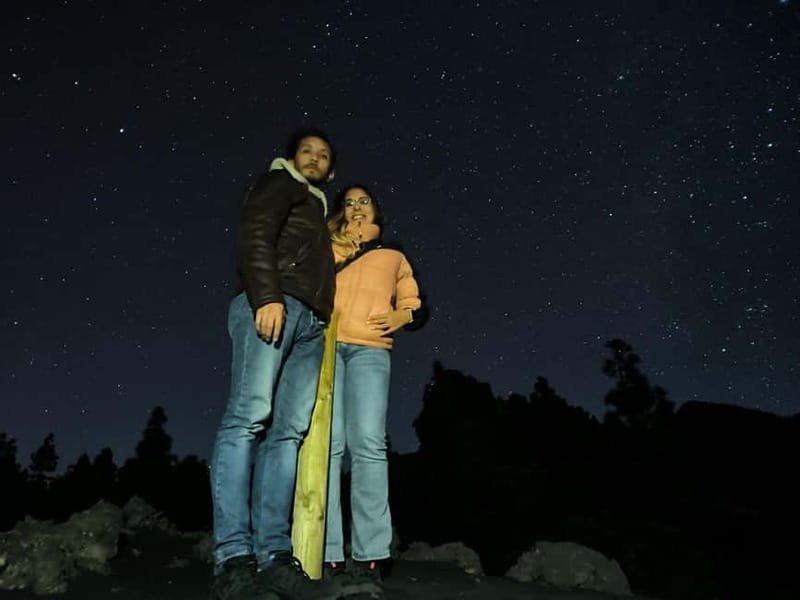
- San Antonio Volcano visitor area (Fuencaliente): a certified-dark-sky setting without driving up to remote peaks
- Small group size (max 10): easier questions, calmer pace, and less waiting around the telescope
- Certified astronomical monitors: you’ll learn the sky through science, plus myths and legends from different cultures
- Laser + naked-eye targeting: helps you orient fast before you zoom in with binoculars and the telescope
- Up-close viewing of big targets: the Moon, planets like Jupiter and Saturn, and deep-sky objects (when visible)
- Comfort included: restrooms, private parking, and accessibility for people with reduced mobility
Fuencaliente’s San Antonio Volcano setting: dark skies without the high-mountain grind
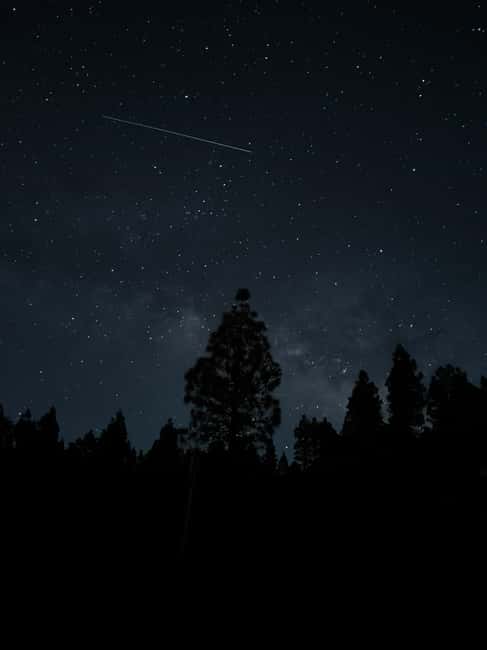
If you want the real payoff from La Palma’s night sky, you need darkness and low light pollution. This tour runs from Fuencaliente, at the Centro de Visitantes del Volcán de San Antonio (about 632 meters). It’s the kind of place that’s set up for stargazing rather than just being a random roadside viewpoint.
What I like for you is the balance between “serious sky” and “I don’t want a painful logistics day.” You’re not required to trek up to the famous high observatory area at Roque de los Muchachos (and that spot is explicitly not part of this experience). Instead, you start at a visitor center where the ground is safe and flat, and you can keep the night comfortable enough to actually enjoy it.
Also, Fuencaliente is the municipality used here for its clear and dark-sky conditions. That matters because stargazing isn’t only about knowing constellations. It’s about whether faint objects survive the night glare. Here, the whole setup is designed to help those targets pop.
A small-group guide night: laser pointers, binoculars, and real Q&A
This isn’t a quick “look up and hope” outing. You’ll have live guidance in English and Spanish from a certified astronomical monitor, and the group stays small—10 participants max—so the guide can actually respond to what you notice.
Two things make this better than most group astronomy nights. First, you’ll use an astronomical laser to point out what’s worth your attention in the moment. Second, when you get to the telescope, the guide can adjust it for your eye and answer questions. That’s the difference between seeing a fuzzy dot and understanding why that dot is exciting.
In the experience, guides like Maria and Jose are described as bringing the stars to life with clear explanations, and Nicolas is noted for answering questions in detail. I’d take that as a strong sign that the monitor isn’t just reading a script. You should expect a real back-and-forth, especially if you’re new to astronomy or you’re traveling with kids who will absolutely ask what a satellite is doing up there.
The 1.5-hour flow: from naked eye targets to Saturn and deep space
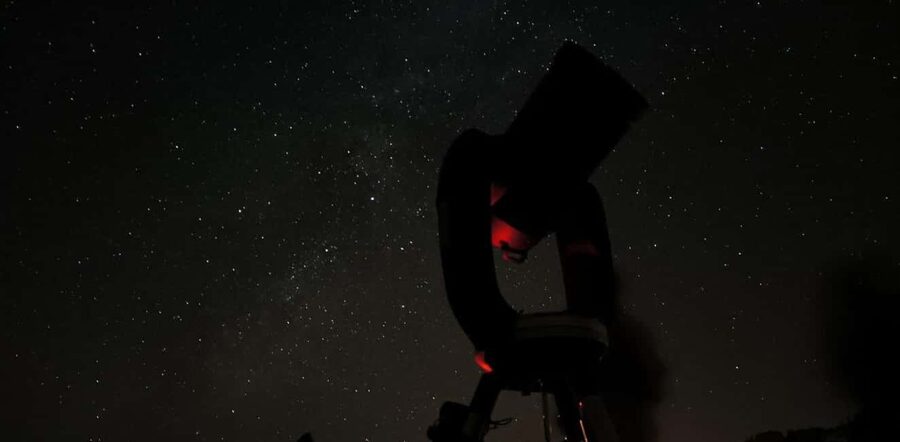
The session lasts about 1.5 hours (you’ll see exact starting times when you check availability). The sequence is built around progressive viewing: first you learn where things are, then you scale up your view from naked eye to binoculars to telescope.
Step 1: Start with orientation and the naked-eye view
You’ll begin with observing with the naked eye, guided by the monitor and the astronomical laser. This is where you get your bearings fast. The laser acts like a highlight tool for the night sky, helping you connect myths, constellations, and real moving objects like satellites to what you’re physically seeing.
This part is also where you’ll hear storytelling that mixes science, history, physics, and the chemistry behind stars with myths and legends from different cultures. That mix is more than entertainment. It helps you remember patterns—what those clusters look like, what those stars “mean” in the story, and how the objects relate to real space distances and time.
Step 2: Binoculars for nebulae and star clusters
Next comes binocular viewing, which is a smart middle step. Telescopes can be amazing, but they also limit your field of view and can be harder if you don’t yet understand what to look for. Binoculars let you scan larger regions of sky and notice vast areas with nebulae and star clusters—the kind of targets that make you feel like you’re doing the research yourself.
If you’ve ever tried to find something in the dark with a phone flashlight, you know how quickly it turns into “where did it go?” This tour keeps the process guided, so you spend more time seeing and less time guessing.
Step 3: Telescope time for the showpieces: Moon, Jupiter’s moons, Saturn
Then you get the telescope, with enough time to look properly. The highlight here is that you won’t be rushed. You can take your time, and the guide can adjust the telescope for your eye so you’re actually aligned with what you’re aiming at.
Depending on what’s visible that night, you can expect views such as:
- The Moon (with focus on its surface details)
- Planets like Jupiter, including its four Galilean moons
- Saturn, described as showing a majestic figure
Even if you already know these names, seeing them through a telescope from a dark-sky location is a different experience than reading about them. The monitor’s explanations help you understand what you’re looking at rather than just collecting cool photos.
Step 4: Deep space for galaxies and nebulae
After planets and the Moon, the night moves toward deep space, where the focus shifts to galaxies and nebulae. These targets are often the reason people plan astronomy trips at all—because they’re faint, they’re far, and they’re not supposed to be easy.
This is also where the laser and binocular groundwork pays off. Once you understand how the monitor is guiding your eye through the sky, deep-sky viewing feels less random and more like following a path.
Wrap-up: a group picture under the stars
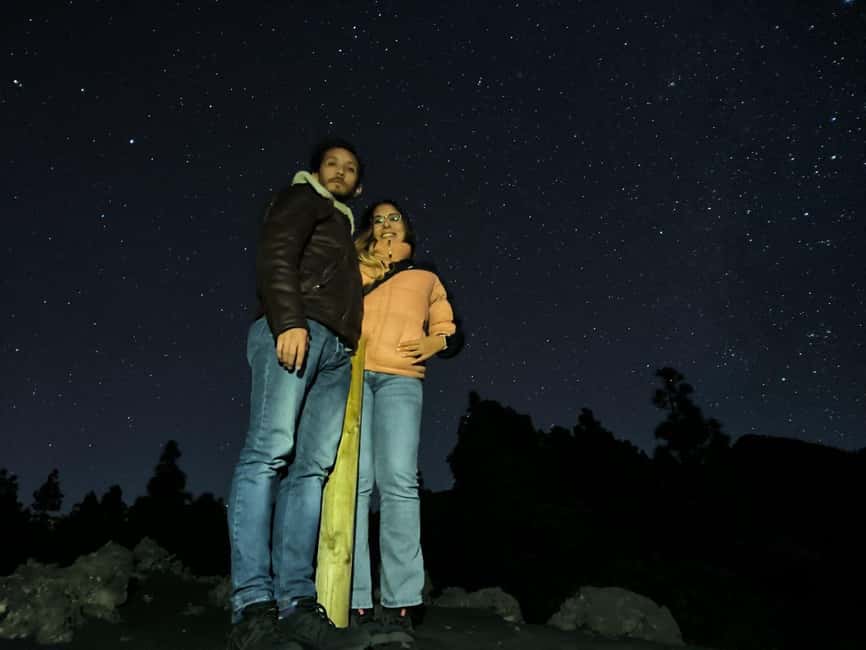
You’ll also get a picture with the stars for your group. It’s a simple extra, but it helps you remember the night without needing to become a part-time astrophotographer.
Comfort, timing, and what to bring for a cold Fuencaliente night
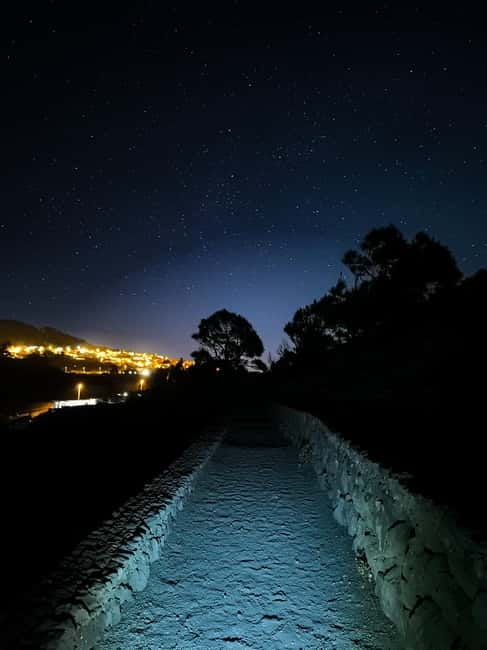
Stargazing sounds relaxed. In practice, it can be surprisingly demanding because the air gets cold once the sun disappears. This tour is designed to keep you comfortable, but you still need to dress for the temperature.
What to bring
- Warm clothing
- Comfortable clothes
- Warm shoes
The tour is explicitly described as family-friendly and accessible, with covered areas in case of cold weather and hot drinks available at the site. It also includes bathrooms and is set up with a safe, flat surface, plus accessibility for people with reduced mobility.
You’ll meet at the entrance of the Center, and they’ll bring you in once you let them know you’re outside. The activity ends back at the same meeting point. There’s no included transfer from hotels, so if you’re not already near the visitor center, you’ll need to sort transport on your own.
One practical note: because this depends on the sky, they monitor weather using radar, satellite photos, and weather stations. They may postpone or cancel at the last minute if observation won’t be possible, and refunds are provided.
Price and value: what $55 buys you in real observing time
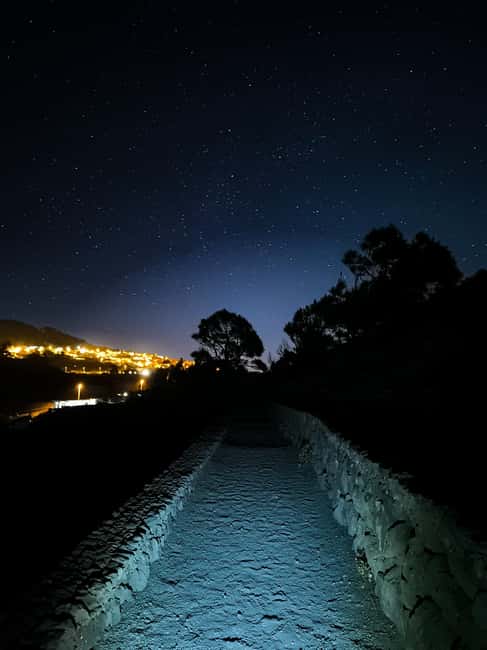
At $55 per person for about 1.5 hours, the value here comes from two things: guided interpretation and equipment access. You’re not only told what to look at. You also get to look through binoculars and an astronomical telescope, plus a personalized monitor experience in a small group.
The tour includes:
- Guided stargazing from a private astronomical viewpoint
- Naked-eye guidance with an astronomical laser
- Binocular observing
- Telescope observing
- Storytelling (myths, legends, and science)
- A group photo
- Bathrooms and private parking
- Accessibility support for reduced mobility
- A water bottle and a small souvenir gift
The one trade-off is what’s not included: there’s no food and no transfer. Also, if your dream is specifically to observe from Roque de los Muchachos, that isn’t part of this tour. You’re choosing comfort and a guided dark-sky experience instead of the most remote observatory-style ride.
If you’re staying near the La Palma & Teneguía Princess Hotel, this is positioned as only a few minutes away, which can reduce stress and make it easier to commit to the night schedule.
Who should book this stargazing tour (and who might want something else)
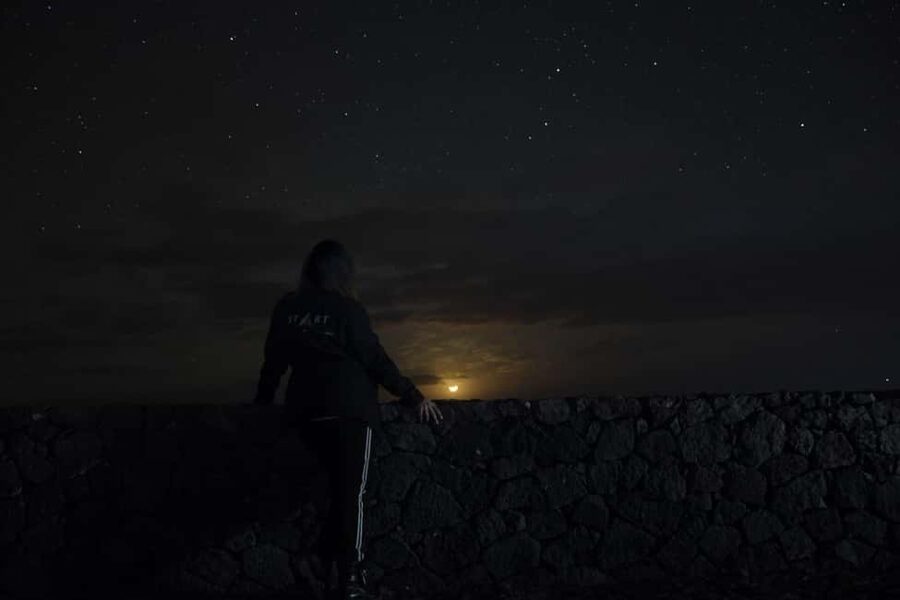
This tour is built for a wide range of people:
- Families and kids, because the pacing and storytelling help you follow along
- Seniors, because the site is prepared for comfort and movement
- People with reduced mobility, because the ground setup and accessibility are called out clearly
- Beginners, because the laser orientation and guided telescope help you actually understand what you’re seeing
It’s also a good pick if you want “real astronomy” without hauling yourself up to the highest, most remote areas. You’ll still get big targets like the Moon, Jupiter, and Saturn, plus deep-sky objects when conditions cooperate.
Who might look elsewhere? If you’re specifically chasing the Roque de los Muchachos observatory experience, this one won’t scratch that itch. And if you hate the idea of cold-night clothing, you’ll need to decide how much comfort you’re willing to compromise for the sky.
Should you book La Palma group stargazing at San Antonio?
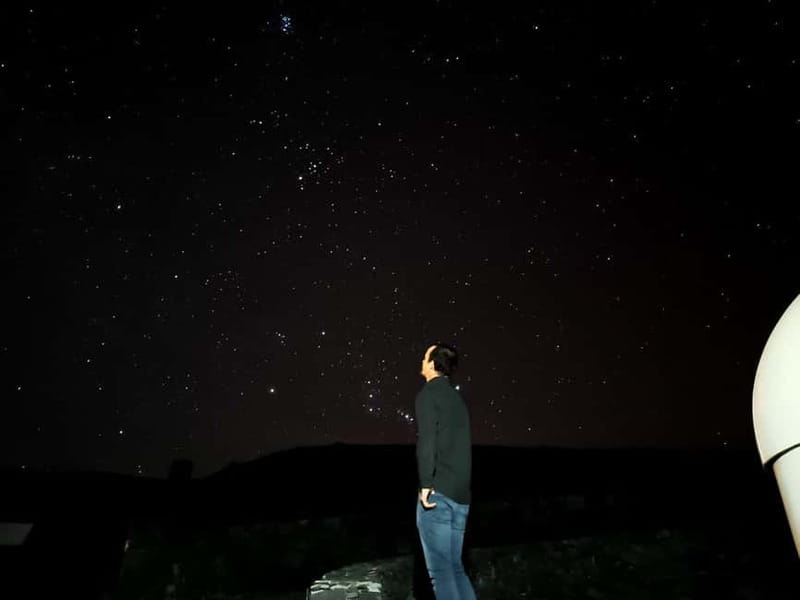
I’d book it if your top priority is a guided dark-sky night that stays comfortable and understandable. The small group size, the ability to adjust the telescope, and the mix of science plus myths make it feel less like a demo and more like a night you can actually learn from.
Don’t book it expecting guaranteed clear skies. Weather matters here, and postponements or cancellations can happen at the last minute. But if you’re ready to dress warm and you’re flexible with timing, this is a strong way to spend an evening on La Palma.
FAQ
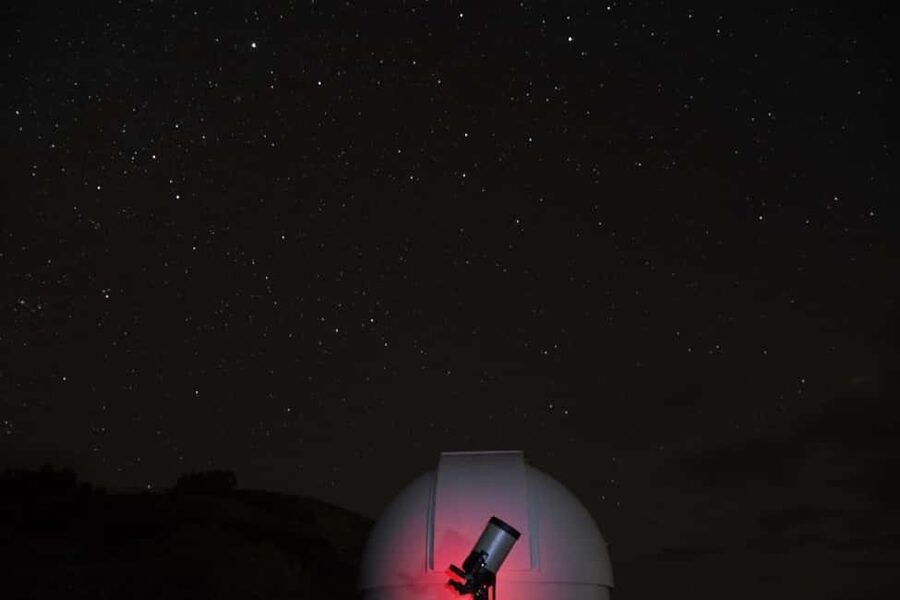
What’s the meeting point for the stargazing tour?
Meet at the entrance of the Centro de Visitantes del Volcán de San Antonio in Fuencaliente de La Palma. They’ll let you in once you’re outside and in contact if you can’t spot them.
How long is the tour?
The activity runs about 1.5 hours (listed as 1:30/1:45 hours).
Is the group small?
Yes. The experience is limited to a maximum of 10 participants.
What languages are available?
The live guide is available in English and Spanish.
What should I bring for the night sky viewing?
Bring warm clothing, comfortable clothes, and warm shoes, since it can be extremely cold at the viewing area.
What’s included in the price?
Included are guided stargazing at a private viewpoint, naked-eye observing with an astronomical laser, binocular viewing, telescope viewing, storytelling (science, history, myths and legends), a group picture, bathrooms, private parking, accessibility support, one personal water bottle, and a small souvenir gift.