REVIEW · SDE BOKER
Stargazing Mitzpe Ramon
Book on Viator →Operated by Desert-Prime · Bookable on Viator
One night can change how you see space. This intimate stargazing session in the Ramon crater area pairs robotic telescopes with a guide-led tour of the sky from a famously dark desert location.
What I like most is the comfort setup: you’re not standing around. You get a mat and mattresses to lie back on, plus a fire with tea/coffee and snacks while you learn what you’re actually looking at.
One thing to consider is the desert cold. The experience is short (about 1 hour 45 minutes), and you’ll be in an exposed, nighttime setting, so dress for chilly conditions even if the day felt warm.
In This Review
- Quick hits before you book
- Entering the Ramon crater world (and why the timing matters)
- Meeting your guide at the crater and getting set up right
- Robotic telescopes: what you gain (and what you can’t control)
- What you’ll actually see: planets, Moon, and deep-sky targets
- Solar system highlights
- Deep-sky objects: the sky’s hidden side
- The comfort part: lying back, firelight, and keeping your focus
- Price and group value: $460 per group (up to 8)
- Logistics that matter: getting there and staying flexible
- Who this stargazing night fits best
- Should you book Stargazing at Mitzpe Ramon?
- FAQ
- Where does the tour start and end?
- How long is the stargazing experience?
- What’s included in the experience?
- Is transportation or hotel pickup included?
- What do we look at through the telescopes?
- Do I need to bring anything?
- What happens if weather is poor?
Quick hits before you book
- Private group up to 8: more “your questions, your pace” than a big crowd scramble.
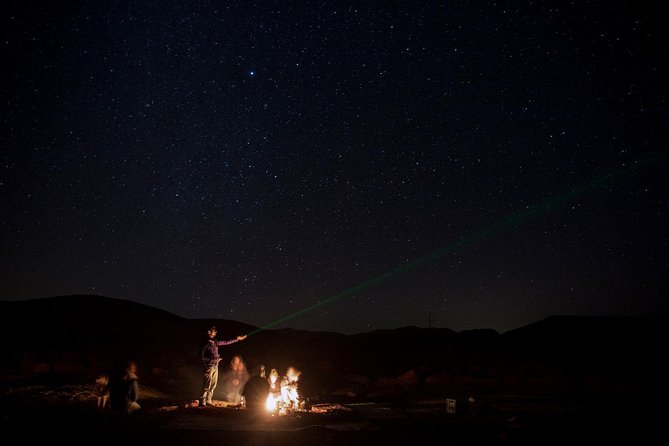
- Dark-sky location: you’re placed where light pollution is minimal, so constellations and the Milky Way are the main event.
- Robot-advanced telescopes: you’ll spend time looking, not just listening.
- Fire + tea/coffee + snacks: comfort helps you stay focused on the sky instead of the temperature.
- Planets, Moon, and deep-sky targets: expect a mix of solar system sights and things beyond—clusters, nebulae, double stars, and galaxies.
- Story + science: constellations and zodiac signs come with myths, legends, and astronomy history context.
Entering the Ramon crater world (and why the timing matters)
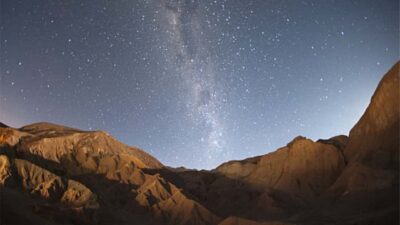
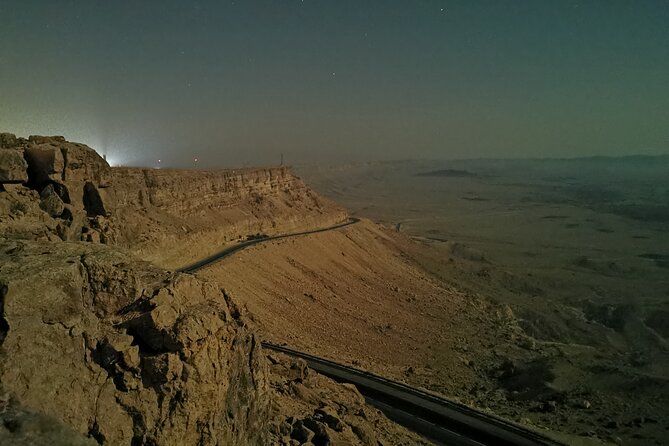
This experience runs in the Makhtesh Ramon area near Sde Boker, and that’s the key. Makhtesh Ramon is a natural amphitheater of sorts—created by geological erosion—and at night it gives you that “quiet, wide-open sky” feeling you don’t get in a city. The tour starts at the Ramon crater meeting point, with your guide already there and equipment set up.
You’ll receive the exact location details (and the arrival hour) the morning of the same day. That matters because stargazing is weather- and sky-condition dependent. A small shift in where you park your group can mean a lot for sky darkness and practical viewing.
The plan is also simple: this is not a long hike tour and it’s not a multi-stop day. You’re there for a focused window—about 1.5 to 2 hours—designed to get you from arrival to real viewing quickly.
You’ll like that it stays intimate. It’s private, with only your group participating, and the pricing is per group (up to 8). That means you can ask questions without the guide talking over 30 people.
You can also read our reviews of more tours and experiences in Sde Boker.

Meeting your guide at the crater and getting set up right
Your guide meets you at Makhtesh Ramon with the telescope and everything ready. The “ready” part is underrated. With stargazing, your biggest enemy is time. Once you settle in and the sky is dark, you can actually see details.
You’re brought the comfortable setup: a mat and mattresses so you can lie back while the sky does the talking. There’s also a fire going, plus tea/coffee and snacks. This isn’t just a comfort perk. It changes how the experience feels. When you aren’t shifting around on cold ground, your attention stays on the sky and the guide’s explanations.
In the reviews, guides are a big part of the magic—names that come up include Nadav, Moshe, and an Ori guide called Star Ori. While each guide has their own style, the common thread is clear: you’re not just pointed upward, you’re guided through what to notice and why it matters.
One more practical note: the tour uses a mobile ticket, so have your phone ready and keep it charged. If you’re relying on maps in a remote area, battery life is your silent risk.
Robotic telescopes: what you gain (and what you can’t control)
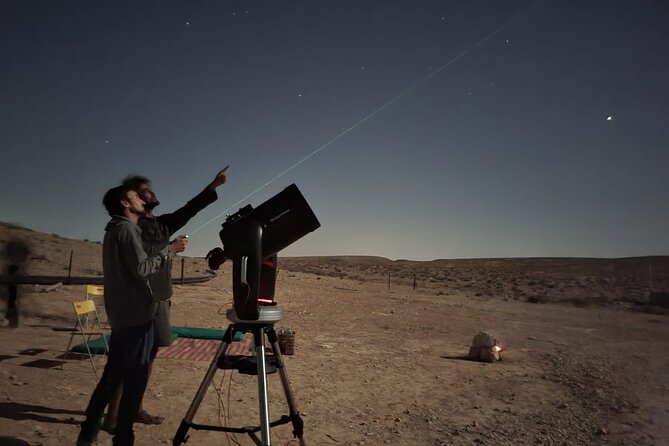
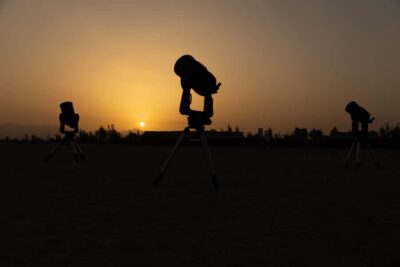
The big equipment focus here is robotic advanced telescopes. In plain terms, these systems help you track and find targets more efficiently than a manual setup. For you, that usually means less time wrestling with the mechanics and more time actually seeing things.
You also won’t just get one telescope view. The experience mentions that for an extended activity, extra telescopes are available. Even if you’re only on the standard session, that “more than one scope available” concept matters. It reduces bottlenecks, especially if your group includes different people at different comfort levels with viewing.
There’s still one unavoidable thing: the sky isn’t a showroom. If clouds roll in or visibility is poor, stargazing suffers. The operator requires good weather, and if it’s canceled for weather you’ll get a different date or a full refund.
So here’s the tradeoff I’d plan around: you’re paying for a structured, guided way to look at the sky, but you’re still at the mercy of the night’s conditions. That’s normal for astronomy, but it’s worth keeping in mind when you build your schedule.
What you’ll actually see: planets, Moon, and deep-sky targets
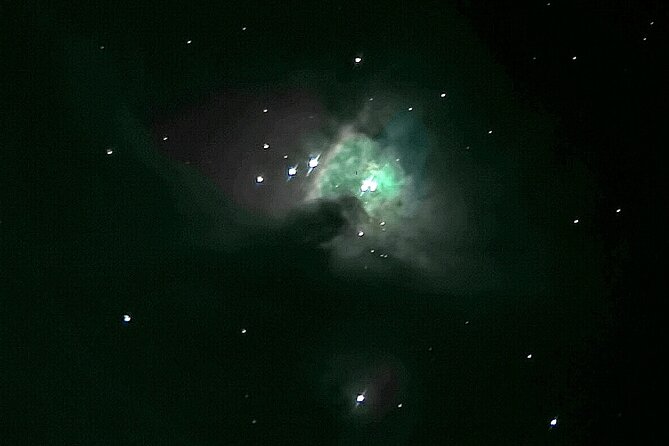
This is where the experience becomes more than a “pretty night.” The guide-led session covers constellations, zodiac signs, and asterisms—the patterns you can spot with your naked eyes. Then you shift into telescope viewing for solar system targets and far beyond.
Solar system highlights
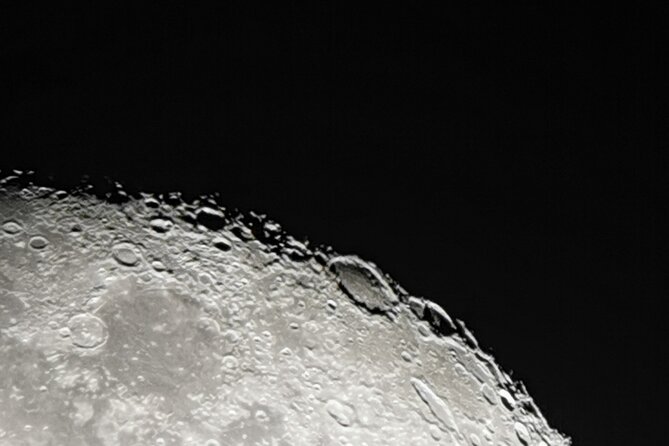
Using the telescopes, you should expect views of planets in our solar system and your own Moon. The Moon is a gift target: it’s bright enough for detail, and it anchors a lot of sky stories. Even when you think you already know what the Moon looks like, telescopes turn “a bright circle” into a textured scene.
Planets can be more variable depending on the season and what’s visible, but the overall promise is clear: you’re looking beyond the stars-only view.
Deep-sky objects: the sky’s hidden side
The tour also includes deep sky objects such as:
- Star clusters
- Nebulae
- Double stars
- Galaxies
These categories are important. Clusters are often about grouping and scale. Nebulae add that ghostly, “light you’re not seeing with your eyes” feeling. Double stars teach you how stars can look like they’re alone—until you split them. Galaxies are the big finale for many people because they connect you to the idea that you’re seeing distant systems, not just points of light.
If you’re the type who likes understanding what you’re seeing, this tour aims to bridge the gap: the guide uses both myths/legends and scientific background, so the sky becomes less random.
I also like that this approach includes history of astronomy. Even short stories about how people interpreted the sky help you enjoy the patterns you’re spotting right now.
The comfort part: lying back, firelight, and keeping your focus
Stargazing can be a lesson in patience. If you’re uncomfortable, you’ll rush through it mentally. Here, the physical setup is designed to help you stay present.
You lie on a mat with mattresses. The fire adds warmth and a social feel without killing the darkness. Then there’s tea/coffee and snacks.
From a value standpoint, I think this is a smart design choice. You’re paying for a guided night, and comfort helps you stay engaged long enough to see the full sequence: naked-eye patterns first, then telescope targets.
Also, this kind of setup is ideal for groups that don’t all want the same pace. Someone in your group might want to spend more time on one constellation. Someone else might want to jump into telescope viewing. A comfortable base makes it easier to keep everyone happy.
If you tend to get cold easily, plan for it. The duration is not long, but that’s exactly why you need to dress right: you don’t want to spend the whole session adjusting sleeves and stomping feet.
Price and group value: $460 per group (up to 8)
At $460 per group for up to 8 people, the price works differently than a per-person tour. The more people you bring, the lower the effective cost per person becomes.
As a rough way to evaluate it:
- If you book with 2 people, it’s relatively pricey per head.
- If you book with a small group closer to 6–8, it feels much more reasonable.
Why it can still be worth it even if you’re a small group: you’re getting private access, a dark-sky desert setting, guided telescope time, and the comfort setup. Many stargazing options either skimp on the viewing experience or bundle you into a big group that limits your attention and questions.
The “mobile ticket + remote meeting point + guide waiting with equipment” setup suggests you’re paying for more than just admission. You’re paying for an organized evening that ends with you knowing what you saw—constellations, zodiac patterns, planets, the Moon, and deep-sky objects.
One more value clue: you’re told it’s booked about 43 days in advance on average. That hints demand isn’t random. If you care about a specific date or you’re traveling during a peak period, booking earlier can help.
Logistics that matter: getting there and staying flexible
This isn’t a “hotel pick-up and dropped at your door” kind of tour. Hotel pickup isn’t included, and transportation to/from attractions isn’t included either.
So you’ll want to plan your own way to the meeting point at Makhtesh Ramon / Ramon crater area. The good news is the activity ends back at the meeting point, so you’re not committing to a complicated return route after dark.
The operator does note confirmation within 48 hours (subject to availability) and that the experience requires good weather. If the weather isn’t good, you’ll be offered another date or a full refund.
Given the remote location, I’d treat this as a flexible plan in your day. Keep your evening schedule loose enough that you can take the provided hour and not feel rushed.
Who this stargazing night fits best
This tour is a strong match if you want:
- A private, quiet night-sky experience instead of a crowded group event
- A combination of easy-to-find sky patterns (constellations/zodiac/asterisms) and telescope targets
- Comfort features (mat, mattresses, fire, tea/coffee, snacks) that let you actually relax
- Guides with real communication energy—examples from reviews include Nadav, Moshe, and Star Ori
It’s also well suited for couples, small families with kids who can handle a night out, and friend groups who want an astronomy lesson without feeling like a classroom.
If you’re the type who hates cold, plan carefully with layers. If you’re expecting a long show with multiple locations, adjust your expectations: this is built as a focused 1.5–2 hour session.
Should you book Stargazing at Mitzpe Ramon?
I’d book this if you want a dark-sky experience in a remote desert setting with robotic telescopes and a guide who explains what’s up there in a way you can follow. The combination of comfortable lying setup, fire, and guided sky storytelling makes it feel more “special evening” than “quick photo stop.”
Skip it or think twice if you know you’ll be miserable in cold nighttime conditions, or if you don’t have an easy way to reach the Ramon crater meeting point on your own. Also keep weather in mind—this experience depends on the sky being clear.
If you can handle the basics (layers, transportation, and flexibility), this is one of those tours where the memories are simple: you’ll remember how the sky looked, and you’ll leave with a better map for finding it again.
FAQ
Where does the tour start and end?
It starts at the Ramon crater meeting point in the Makhtesh Ramon area and ends back at the same meeting point.
How long is the stargazing experience?
It runs about 1 hour 45 minutes on average (approximately 1.5 to 2 hours).
What’s included in the experience?
You get a local guide and a professional guide. You’ll also have the telescope viewing portion and the on-site setup for observing the sky.
Is transportation or hotel pickup included?
No. Hotel pickup is not included, and transportation to and from the attractions isn’t included.
What do we look at through the telescopes?
The session includes views of solar system targets like planets and the Moon, plus deep-sky objects such as star clusters, nebulae, double stars, and galaxies.
Do I need to bring anything?
The tour provides a mat and mattresses, but you should bring appropriate clothing for desert night conditions since the experience is outdoors and depends on good weather.
What happens if weather is poor?
The experience requires good weather. If it’s canceled due to poor weather, you’ll be offered a different date or a full refund.