REVIEW · WELLINGTON
Star Safari Stargazing Experience, Martinborough
Book on Viator →Operated by Star Safari · Bookable on Viator
You go looking for darkness, and get a show. Star Safari brings you to the Wairarapa International Dark Sky Reserve, about 80km from Wellington, where the sky stays sharp enough to make deep-space objects feel close. I love the fact that you’re not just pointed at the stars, you’re guided by Hari and Sam—one an astrobiologist and one an astrophysicist—with real time questions and star orientation. I also love the hands-on seriousness: powerful telescopes, top-quality optics, and 16-inch manual scopes that help you understand what you’re seeing, not just admire it.
The only drawback to plan around is weather. If clouds spoil stargazing, you switch to an e-astronomy program with virtual reality and planetarium software, which is still fun, but it’s not the same as seeing Saturn in person.
In This Review
- Key reasons this Star Safari feels worth the drive
- Wairarapa’s dark skies: why this area makes astronomy easier
- Meeting the team at Ponatahi and getting oriented
- Telescope time: how the 16-inch manual scopes translate into real views
- The best part: nonstop Q&A with Hari and Sam
- When clouds hit: VR and planetarium mode without killing your night
- Practical details that make or break your comfort
- Price and value: what $62.06 buys you (and why it’s not just a ticket)
- Who should book Star Safari in Martinborough
- Quick reality check: what to consider before you go
- Should you book Star Safari?
- FAQ
- How long is Star Safari?
- Where does Star Safari start?
- What happens if the weather is cloudy?
- How many people are in the group?
- What should I wear?
- Do you allow service animals?
Key reasons this Star Safari feels worth the drive
- Dark sky credentials you can feel: Wairarapa International Dark Sky Reserve is built for clear, dark nights.
- Two science brains at once: astrobiologist Hari + astrophysicist Sam means better answers when you ask anything.
- Real telescope time: multiple telescopes (3–4) so you’re not waiting forever for a view.
- Southern targets, not just bright planets: deep-sky views plus familiar favorites when they’re up.
- Cloud backup that doesn’t waste your evening: VR and planetarium software if the sky is unsuitable.
- Small groups: maximum 10 people, with blankets/jackets provided comfort-style.
Wairarapa’s dark skies: why this area makes astronomy easier
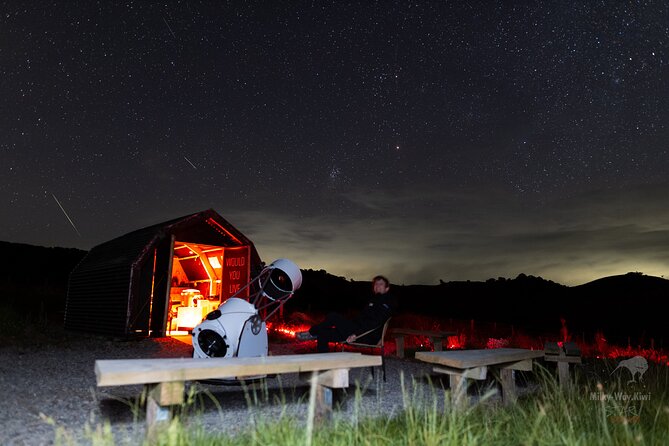
Martinborough and the surrounding Wairarapa region are known for dark, clear skies, which matters more than people expect. In astronomy, darkness isn’t a vibe—it’s contrast. The darker the sky, the more faint galaxies, nebulae, and star clusters you can actually see through a telescope.
Star Safari’s whole pitch is built around that advantage. You’re not doing a quick city stargazing stop where light pollution steals the show. Instead, you’re operating in a reserve designed for night viewing, which is what lets a 16-inch telescope become more than a big lens. It becomes a teaching tool.
It’s also only about 80km from Wellington Airport, so the trip feels realistic even if you’re not planning a multi-day road trip. You’re spending money on the sky quality, not just the experience label.
You can also read our reviews of more tours and experiences in Wellington.
Meeting the team at Ponatahi and getting oriented
You meet at VG48+C6 Ponatahi (start and return there). Using that plus code in GPS is the simplest way to avoid guesswork, especially at night.
From there, you settle in warm clothing—this is cold outdoors time. The plan is hiking-level warm: layers, a hat, and something that blocks wind. You’ll be happier if your clothing is more practical than stylish.
Then you head to the telescope viewing area, about 25 meters away, tucked inside their Moon Garden area. That short distance matters. You’re not trudging through darkness for ages before your first view. You also don’t lose the group’s momentum.
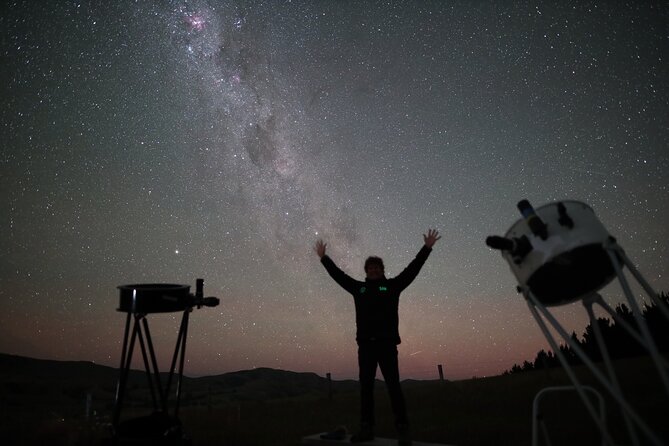
The best part of the meeting rhythm is how quickly they help you orient yourself. By the end, you’re supposed to know what’s in the sky and how to orient yourself to stars. That’s not just nice talk. It changes how you watch the next night—because you stop treating the heavens like random dots.
Telescope time: how the 16-inch manual scopes translate into real views
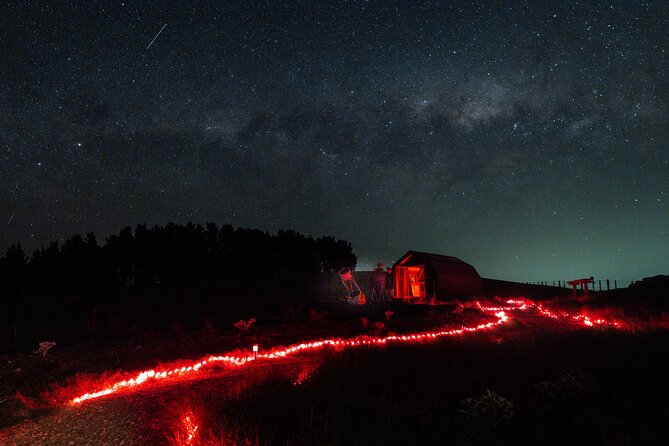
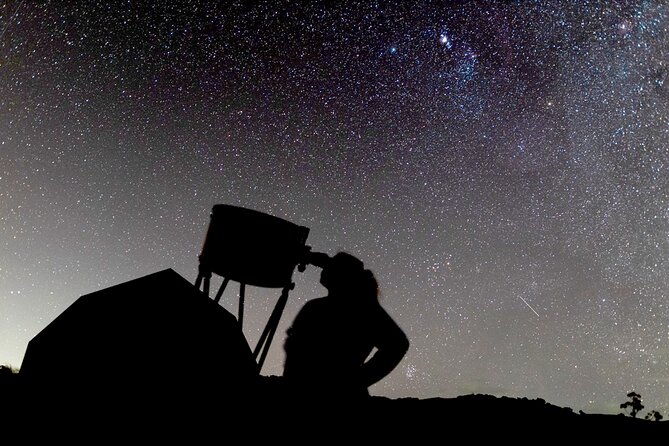
The heart of Star Safari is 60–90 minutes of stargazing when stars are visible. They use powerful telescopes with top-quality optics, and both telescopes are 16-inch manual units. Manual doesn’t mean old-school in a bad way. It often means the viewing experience is more interactive and learnable, since someone can guide you through what to adjust and why.
With 3–4 telescopes available and a group size up to 10, you should get plenty of telescope time. That’s a big deal. Many small-group star tours still run into the same bottleneck: one telescope, long lines, tired people. Here, multiple instruments help keep the evening moving.
What you can expect to see depends on what’s up in the sky and conditions that night, but the tour is set up to target:
- the Milky Way
- planets like Saturn (including the rings and moons when conditions allow)
- deep-sky objects such as galaxies, nebulae, and clusters
- quick sights like shooting stars
- overhead action like the ISS or other satellites when they pass
And yes, you can use binoculars as well. Even if the telescope is the main event, binoculars help you connect the big picture to what the scope is showing.
One extra detail that I like: the guides are licensed to operate a laser pointer. That’s not just for show. When you can point and label, you learn faster. You’re more likely to remember what you saw because someone ties it to a real sky location.
The best part: nonstop Q&A with Hari and Sam
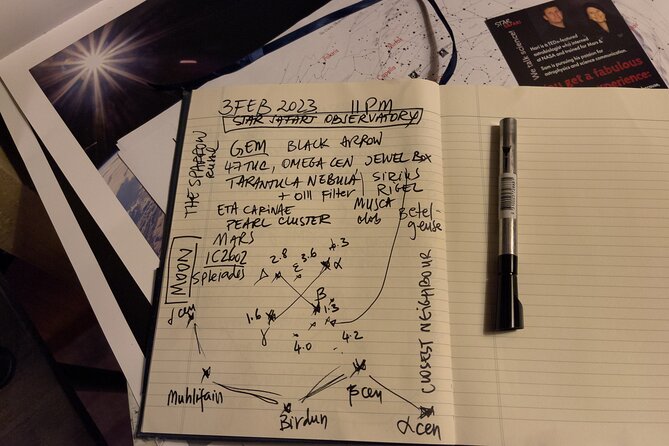
This isn’t a silent look-and-walk-away kind of astronomy night. You’re set up for constant questions during the session.
Hari is the astrobiologist, and Sam is the astrophysicist. That pairing is smart because it covers two ways people think about space. If you’re curious about planets, life, and what might matter for Mars, Hari’s perspective fits. If you want physics, stellar life cycles, or how telescopes pick out faint objects, Sam’s perspective is the right lane.
A clear win from the experience is how engaging the explanations feel. People often remember a specific moment—like seeing Saturn in full glory—but what makes it stick is the quick follow-up questions. You don’t have to guess what something is. You ask, they answer, and you keep connecting the view to the idea behind it.
When clouds hit: VR and planetarium mode without killing your night
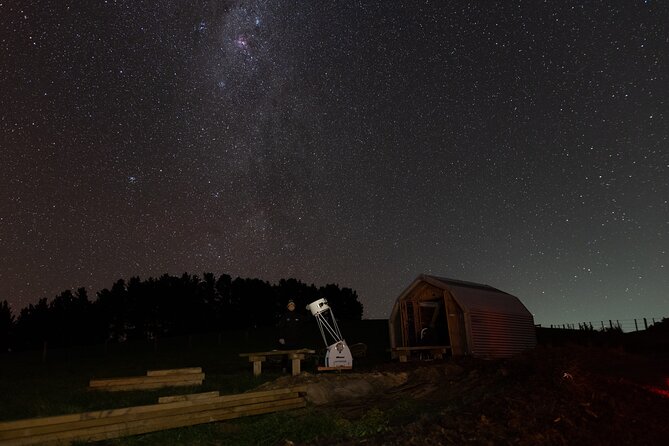
Weather can be a buzzkill in New Zealand, especially at night. Star Safari plans for that.
If the sky is unsuitable for stargazing, you shift into an e-astronomy program: a planetarium software tour and virtual reality to explore the Solar System. Instead of stopping the evening, you swap in an option that still teaches.
This matters for two reasons:
- You get a full experience even when the clouds move in.
- The learning doesn’t disappear just because you can’t see the real sky.
They also bring in an unusual learning piece for this format: a collection of astrobiology-relevant rocks from across New Zealand, tied to the search for life on Mars. Even if your main goal is stargazing, this kind of tangible science tends to make the lesson feel grounded instead of abstract.
And if you end up with overcast skies instead of a total wipeout, the night can still work. You might lose a few targets, but the evening still stays active, not frozen.
Practical details that make or break your comfort
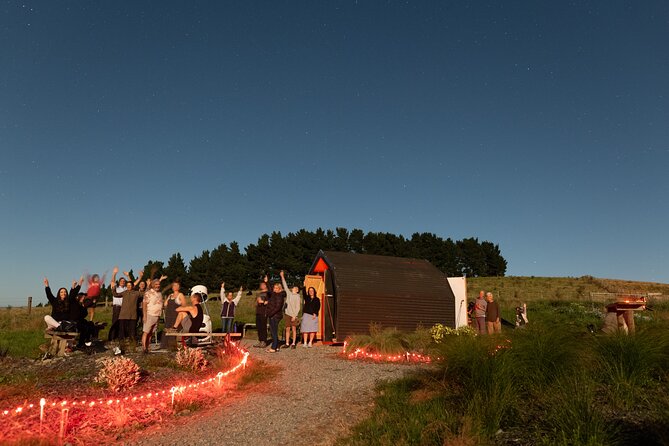
This tour is billed for clear skies, so your comfort is mostly about staying warm. Expect it to feel like nighttime hiking.
A few practical tips that help:
- Dress in layers you can move in, not just warm-looking clothes.
- Bring a hat and something to cover your ears.
- Wear shoes you’d wear for outdoor walking.
- Consider gloves if you get cold hands quickly, since you may keep checking sights.
Blankets and jackets are available through their reception area, which helps, but I still recommend bringing your own layering system so you don’t spend the whole session thinking about chill.
Group size is kept small (maximum 10), so you should feel less shoved around than with big bus-style stargazing. The viewing setup is close by—again, only about 25 meters from the reception area—so transitions don’t turn into mini-fitness challenges.
You’ll also want to plan your evening timing. The experience is about 1 hour 30 minutes (with stargazing stretching across roughly 60–90 minutes depending on conditions). Show up on time so you don’t rush the orientation part.
Price and value: what $62.06 buys you (and why it’s not just a ticket)
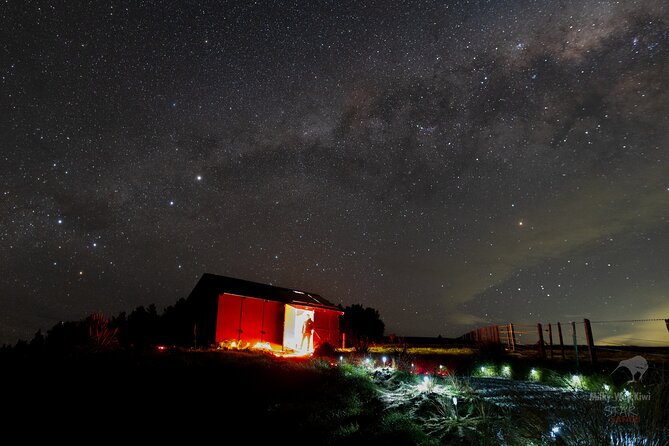
At $62.06 per person, Star Safari sits in the midrange for astronomy tours. The value depends on what you expect.
If you want a guided learning experience with serious equipment, you’re paying for more than a quick look. Here, that includes:
- expert guidance from Hari and Sam
- multiple telescopes so you’re not stuck waiting
- the dark sky setting (part of the real cost is where the viewing happens)
- binocular support
- a weather backup (VR/planetarium and hands-on astrobiology content)
When I judge value, I look at whether your evening continues even if conditions change. This tour does that. You’re not paying hoping for perfect skies; you’re paying for a structured astronomy lesson that adapts.
One note from the experience’s family-friendly vibe: there’s a mention that kids were free for younger participants. That’s the kind of detail that can make the math much easier for families, especially if you’re traveling with small children.
Who should book Star Safari in Martinborough
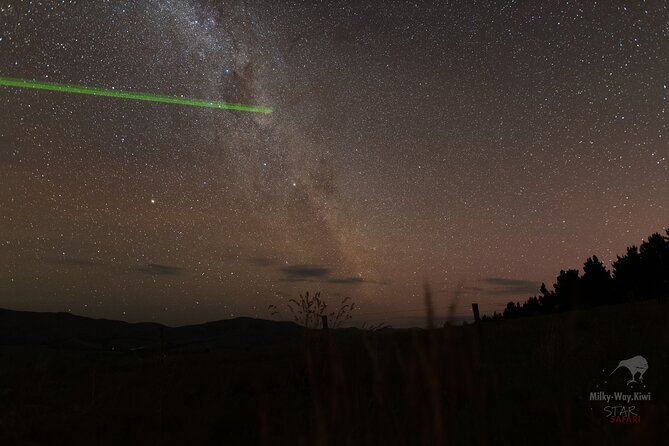
Star Safari is a great fit if you want:
- beginner-friendly guidance that still respects your questions
- a chance to see major highlights like Saturn when it’s visible
- deeper views beyond just bright planets (nebulae, clusters, galaxies)
- a guided night sky orientation so you can find things on your own later
- an option that works even when skies are partly cloudy
If you’re an advanced stargazer, bring an observing list. The tour is set up so stronger observers can keep pushing beyond the basics. And if you’re new to astronomy, they’ll show you where to start and how to orient yourself.
This is also a solid option if you like mixed-format learning. Telescopes and real sky time are the main event, but VR and planetarium software keep the session from feeling weather-dependent in a stressful way.
Quick reality check: what to consider before you go
The main consideration is simple: weather rules the night. Clear skies give you the best telescope views. If it’s cloudy, you’ll still get a science-filled alternative, but it’s a different experience.
Second, this is a cold outdoor activity, even if you’re not outside for hours. Warm layers are not optional if you hate chilly nights.
Finally, go with the right mindset. This is a guided astronomy session, not a silent stargazing picnic. If you enjoy questions and explanations, you’ll get more out of your time.
Should you book Star Safari?
If you’re in the Wellington/Martinborough area and you want a guided night under dark skies, I’d book it. The combination of Hari and Sam, multiple telescopes, and a weather-resilient backup makes it feel like money well spent for learning—not just a one-off look.
Book especially if you care about the how and why, not only the wow. And if you’re traveling with family, the small group size and learning-first approach are a big plus.
If you want, tell me your travel dates and whether you’re visiting with kids, and I can help you pick a good plan for where this fits in your itinerary and what to prioritize in the sky.
FAQ
How long is Star Safari?
The experience is about 1 hour 30 minutes, with stargazing time typically running around 60–90 minutes when stars are visible.
Where does Star Safari start?
You start and end at VG48+C6 Ponatahi in the Wellington Region. The activity finishes back at the meeting point.
What happens if the weather is cloudy?
Star Safari requires good weather for stargazing. If the sky isn’t suitable, you’ll do an e-astronomy program instead, using planetarium software and virtual reality.
How many people are in the group?
The tour has a maximum of 10 travelers.
What should I wear?
Dress as if you would go hiking, and plan for cold nighttime temperatures. You can also grab blankets or jackets through the reception area.
Do you allow service animals?
Yes, service animals are allowed. If you have specific accessibility questions, the provider says they’re happy to help.