REVIEW · CANNES
Astronomy Evening “Rando Astro Fréjus”
Book on GetYourGuide →Operated by Sport'Habitude · Bookable on GetYourGuide
Saturn’s rings and Jupiter’s moons in one evening. This Astronomy Evening, Rando Astro Fréjus, is all about seeing real targets like Saturn’s rings and Jupiter with its moons through a quality telescope, with a friendly astronomer explaining what you’re looking at. One thing to plan for: it’s an outdoor night, so bring warm clothes and don’t forget water.
I also like how small-group it is (limited to 10), so you can actually hear the explanations and ask questions when you’re trying to focus your eyes. The format is compact—about 1.5 hours—which makes it a great pick if you want real stargazing without committing to a whole evening of waiting around.
In This Review
- Key highlights you’ll care about
- What Rando Astro Fréjus Is: astronomy in Provence, taught in plain language
- Meeting at la table d’Elena and starting with a short walk
- How your 1.5-hour evening flows
- Telescope time you’ll remember: Saturn, Jupiter, and Moon views
- Saturn’s rings: the classic “wait… that’s real” moment
- Jupiter and its moons: learning the solar system by watching it
- Craters on the Moon: the fastest path from stargazing to understanding
- Constellations and zodiac signs: why the explanations matter
- Starlight and night-sky listening: what you’re really doing
- What to bring: warm layers and water do more than you think
- Price and value: is $33 worth it in Fréjus?
- Who this astronomy evening is best for (and who might want something else)
- Languages and guide style: making sure you can follow every step
- Practical considerations for a smooth night
- Should you book Rando Astro Fréjus?
- FAQ
- How long is the Astronomy Evening Rando Astro Fréjus?
- Where is the meeting point for Rando Astro Fréjus?
- What can I see during the tour?
- Is this suitable for children and families?
- What languages are available for the instructor?
- Is it wheelchair accessible?
Key highlights you’ll care about
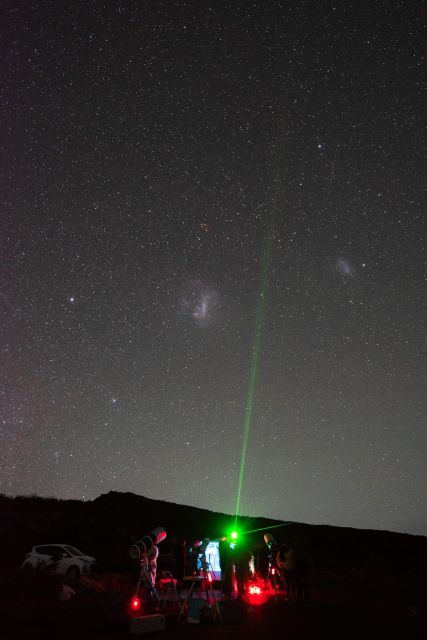
- Saturn’s rings viewed through a quality telescope
- Jupiter and its moons shown with simple, on-the-spot explanations
- Craters on the Moon plus time spent on “wow” starlight
- Constellations, the solar system, and zodiac signs explained in a way families can follow
- Small group up to 10 participants, so the guide can slow down for you
What Rando Astro Fréjus Is: astronomy in Provence, taught in plain language
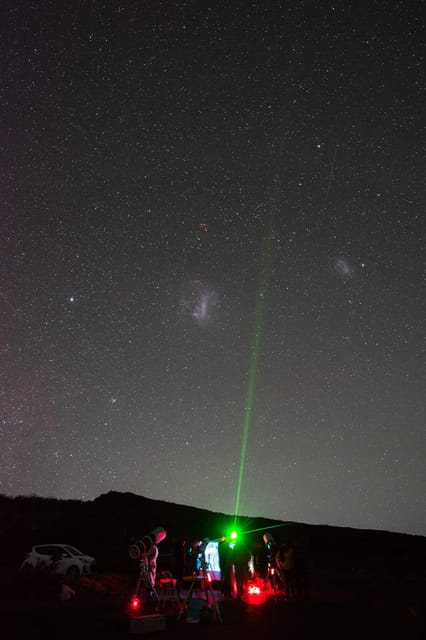
Rando Astro Fréjus is an astronomy evening in Provence, run by Sport’Habitude, built around one idea: show you the night sky, then explain it in a way you can actually use. You’ll be with a friendly astronomer who guides you through what you’re seeing, rather than just pointing at objects and hoping you “get it.”
The pace is focused and friendly. In about 1h30, you’ll cover the solar system, an introduction to constellations, and even the signs of the zodiac—all while you do real observing with a telescope. For $33 per person, it’s aimed at value: you’re paying for guided telescope time and interpretation, not just a general lecture.
The experience is designed to work for different kinds of visitors—kids, parents, solo travelers, and groups of friends—so expect an approach that stays understandable and interactive. If you want something that feels fun and educational at the same time, this hits that sweet spot.
Meeting at la table d’Elena and starting with a short walk
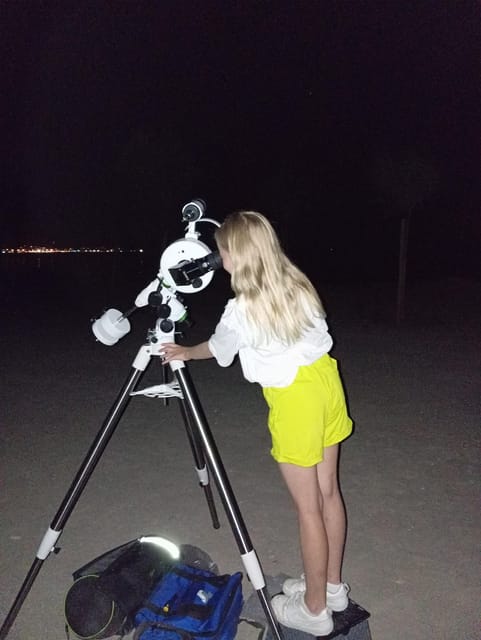
Logistics are refreshingly simple. There is no shop to check in at—there’s just a meeting point and a brief walk to begin. You meet in front of the beach and restaurant la table d’Elena, and then you walk about 5 minutes.
At the end, the activity brings you back to the same meeting point. That loop matters more than it sounds: after stargazing, you’re not stuck figuring out transport or a new route in the dark.
If you’re coming with kids, this “meet-start-walk-end where you began” style reduces stress. It also means you don’t need to plan extra time for complicated routing.
How your 1.5-hour evening flows
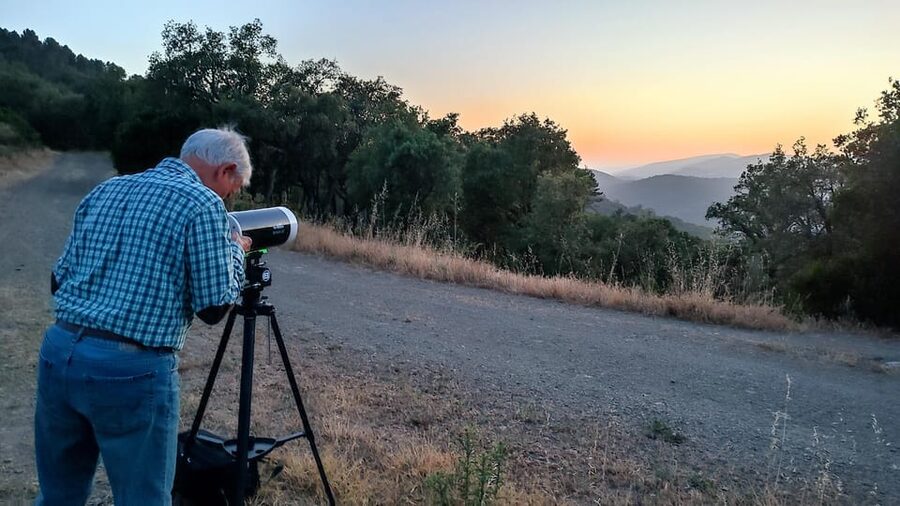
This is a guided format with a clear structure: you start with context, then you observe, then you connect what you see to the bigger picture.
Here’s the typical rhythm you should expect:
- You’re introduced to what will be visible and how to look properly.
- You move through planned observing stops, with the astronomer explaining each target.
- You get an introduction to the constellations and zodiac concepts that connect the objects to how people map the sky.
Because the duration is only 1h30, the session is efficient. That’s a plus if you don’t want a long, drawn-out program. The tradeoff is that it’s not an all-night course—so if you want deep technical detail, you’ll likely get more “big picture + memorable views” than long-form astronomy lessons.
The language options (French, Italian, English) also shape the experience. The explanations are set up to be understood across ages and comfort levels, so even if you’re new to astronomy, the pacing should feel reasonable.
Telescope time you’ll remember: Saturn, Jupiter, and Moon views
The best moments in this activity are built around actual telescope targets you can see clearly and relate to what you’ve learned.
Saturn’s rings: the classic “wait… that’s real” moment
One of the big highlights is Saturn’s rings. Watching Saturn through a telescope changes it from a distant planet idea into a specific, visible feature. Even if you’ve seen photos before, this is the difference between “I’ve heard of Saturn” and “I can see what people mean.”
This stop also works well for beginners because it’s visually distinctive. You don’t need prior astronomy knowledge to recognize that you’re looking at something special.
Jupiter and its moons: learning the solar system by watching it
Next up is Jupiter with its moons. Jupiter is a great planet for first-time viewing because it brings immediate structure: you’re not just looking at a dot of light—you’re seeing a system. The moons make it feel like the solar system is operating in front of you.
This is also a smart teaching moment. Once you see Jupiter’s moons, the solar system stops being abstract. The astronomer can tie the observation to the idea that planets and moons move together in patterns you can learn.
Craters on the Moon: the fastest path from stargazing to understanding
You’ll also observe craters of our Moon. The Moon is one of the easiest targets because it’s close, bright, and full of surface detail. Craters give you instant scale: you’re looking at a world with texture, not just a glowing circle.
This stop tends to click with kids. It turns astronomy into “look—there’s terrain up there,” which makes the rest of the sky feel more tangible.
Constellations and zodiac signs: why the explanations matter
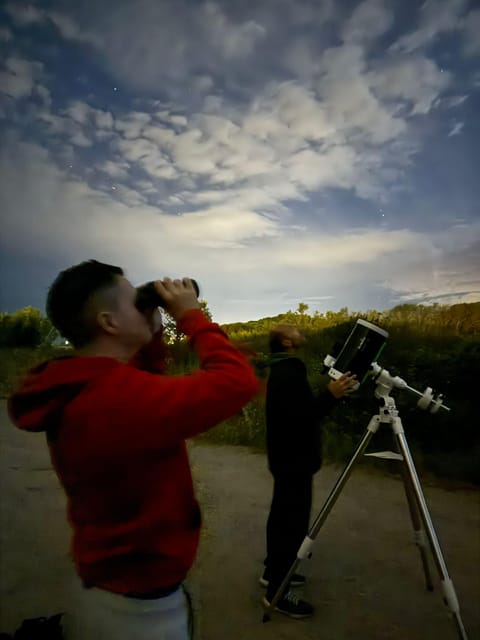
The activity isn’t just about seeing objects through a telescope. You also get an introduction to constellations, the solar system, and the signs of the zodiac.
Why that matters: a lot of stargazing experiences end at the telescope. You leave with a list of what you saw, but you still feel lost if you try to look up again on your own. Here, the guide gives you tools to connect what’s in front of you to a map of the sky.
The “zodiac signs” part can be especially fun because it ties astronomy to something many people already recognize from calendars and popular culture. Even if you don’t care about astrology, it’s a practical way to learn how the sky is organized. Think of it as a set of labels that helps you orient.
You’ll also learn how constellations fit into the solar system conversation. Constellations describe locations in the sky; planets describe moving objects. Learning both at once helps your brain stop treating everything as random dots.
Starlight and night-sky listening: what you’re really doing
The highlights list includes starlight, and that’s not filler. In a guided observation, starlight is often the moment where you shift from “I’m looking at specific planets” to “I’m seeing the sky as a whole.”
That shift is where the evening becomes emotional in a good way. Stars don’t show up as “content” like a landmark does. You have to adjust to them: slow looking, letting your eyes adapt, and trusting what you’re told.
The guide’s job is to keep that process from feeling like staring into darkness. If the explanations are clear (and the reviews point to simple, child-friendly explanations), the starlight becomes part of the lesson instead of background.
What to bring: warm layers and water do more than you think
The activity includes all necessary astronomy equipment, so you don’t need to pack binoculars or rental gear. That’s a big convenience.
What you do need to bring:
- Hot clothes (it’s an outdoor night)
- Water (drinks aren’t included)
This sounds basic, but it’s where the comfort and the experience quality meet. When you’re standing still while your eyes adjust, cold can pull you out of the moment. Warm layers help you stay present long enough to enjoy each target stop.
If you’re traveling with kids, plan extra warmth for them first. Kids often get excited during the first telescope view, then cool down fast once they realize they’ll be waiting between explanations and stops.
Price and value: is $33 worth it in Fréjus?
At $33 per person for about 1.5 hours, the value question comes down to what you’re buying.
You’re not just paying for entrance. You’re paying for:
- telescope equipment provided for the group
- a guided astronomer who explains what you see in plain terms
- a small-group setup limited to 10 participants
- an experience that mixes observing with learning (constellations, solar system, zodiac)
That combination is where the price feels reasonable. If you compare it to the cost and friction of trying to self-guide with your own gear, guided telescope viewing becomes the real benefit.
Also, the small-group limit matters. It reduces waiting and makes it easier to follow the explanations. With that, the experience feels less like a scheduled “activity” and more like a guided night you can actually understand.
Who this astronomy evening is best for (and who might want something else)
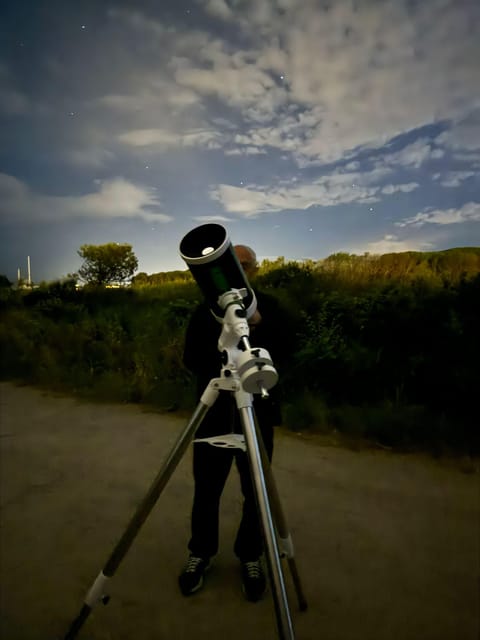
Rando Astro Fréjus is clearly built for families. The format is activity-friendly for children, with explanations that work for adults too. If you’re traveling with kids and you want an educational activity that still feels fun, this is a strong match.
It’s also great if you’re:
- a solo traveler who wants a social moment with guided conversation
- a couple or group of friends looking for something different from beaches and cafés
- a parent who wants a structured, time-limited night activity
If you’re an advanced astronomy nerd seeking technical depth (long observing sessions, astrophotography workflow, heavy astrophysics), you might find the 1h30 format a bit short. This is more about seeing memorable targets and building basic sky understanding than about advanced study.
Languages and guide style: making sure you can follow every step
The astronomer/instructor leads in French, Italian, and English. That’s a practical detail because it affects how smoothly the evening runs. When the guide can explain clearly in your language, you spend less time decoding and more time watching.
One review highlights that the guide, Edmond, was great and showed people some impressive things. Another mentions learning in simple terms, with kids loving it. Put together, that points to a teaching style that keeps the explanation age-friendly without talking down.
Practical considerations for a smooth night
A few things will help you get the most out of the session:
- Arrive on time so the group starts the observing flow without delays.
- Wear warm layers and plan for standing outside.
- Bring water, since drinks aren’t included.
- Expect a small group and come ready to look up and ask questions.
Also, remember the session is intentionally compact. You’ll see major highlights, plus additional objects, but you won’t have hours of uninterrupted observing. If you have a tight travel schedule, that time efficiency is part of the appeal.
Finally, the activity is wheelchair accessible, which makes it more welcoming for mobility needs than many outdoor night experiences.
Should you book Rando Astro Fréjus?
If you want a guided stargazing evening where you actually see standout targets—Saturn’s rings, Jupiter with its moons, and Moon craters—this is an easy yes. You’re getting telescope views plus a real learning component on constellations, the solar system, and zodiac signs, in a small group that stays friendly for kids and adults.
Book it if you like structured experiences and you want clarity, not confusion. The price feels fair for the equipment and guidance you get, and the timing (about 1.5 hours) fits many family schedules.
If you’re the type who dislikes standing still in the cold, plan your layers carefully. You should also book with flexible plans if needed, since the experience offers free cancellation up to 24 hours in advance and a reserve now, pay later option.
FAQ
How long is the Astronomy Evening Rando Astro Fréjus?
The activity lasts about 1.5 hours. Starting times vary, so check availability for the exact schedule.
Where is the meeting point for Rando Astro Fréjus?
You meet in front of the beach and restaurant la table d’Elena. There is no shop—just a meeting point and a walk of about 5 minutes.
What can I see during the tour?
You’ll observe Saturn, Jupiter (including its moons), and the Moon (with craters). The astronomer also shows additional objects, and you’ll get time for starlight.
Is this suitable for children and families?
Yes. The activity is suitable for children, parents, solo travelers, and friends, with explanations designed to be easy to follow.
What languages are available for the instructor?
The instructor offers explanations in French, Italian, and English.
Is it wheelchair accessible?
Yes. The activity is listed as wheelchair accessible.