REVIEW · MADRID
Madrid: Night sky observation with an expert astronomer
Book on GetYourGuide →Operated by AstroAfición · Bookable on GetYourGuide
Cold air, then a real science lesson.
This is a 2-hour Madrid night-sky observation that teaches you how to read the sky before you ever look through the telescope. I like the way the constellation star tour turns random dots into a map you can actually use.
My other favorite part is the hands-on observing time with a large 30 cm aperture telescope, so you keep getting chances to look. The one thing to consider is that weather can affect what you see, and sometimes the session may be canceled or shifted.
In This Review
- Quick Highlights
- Seeing the Sky Above Madrid, Step by Step
- Getting Oriented: North Star, Zodiac, and Planets vs Stars
- The Main Event: What the 30 cm Telescope Can Reveal
- Why the Expert Astronomer Experience Feels Personal
- What You’ll Do in the 2 Hours (and What Can Change)
- Meeting Point and the 200 Meter Walk
- Comfort Rules: What to Bring for Madrid Nights
- Price and Value: Is $47 Fair for a Telescope Night?
- Weather and the Night Sky: How Plans Actually Hold Up
- Who This Tour Suits Best
- Should You Book AstroAfición’s Night Sky Observation in Madrid?
- FAQ
- How long is the Madrid night sky observation?
- What is included in the tour price?
- What telescope size will I use?
- Do I need to speak Spanish?
- Where do I meet the guide, and how far is the walk?
- What should I bring?
- Is food or drink included?
- What happens if the weather is bad?
Quick Highlights
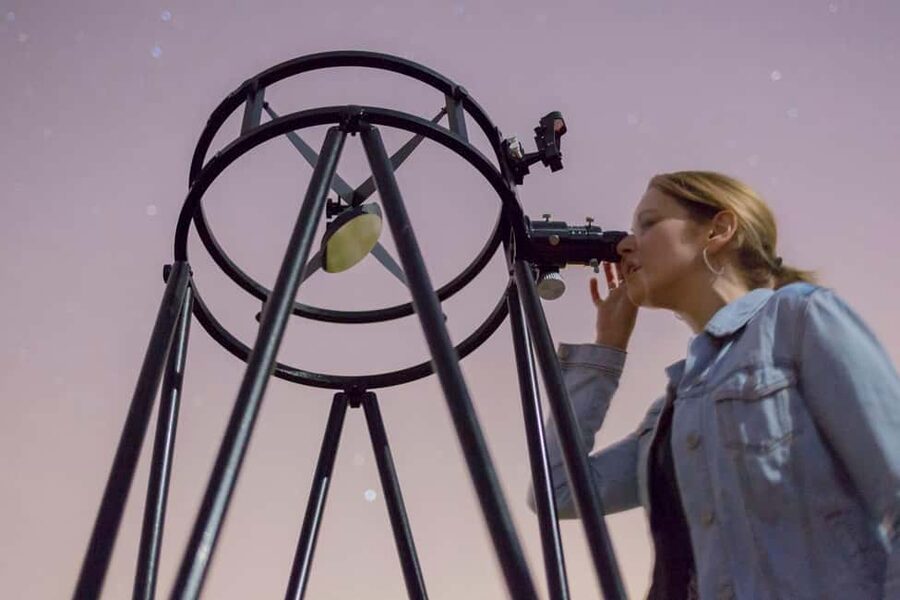
- Small group format means you don’t just stand and watch; you get repeated looks through the telescope
- Constellation orientation first so you know where to look, including the North Star and Zodiac
- 30 cm aperture telescope opens the door to Moon details, planets, double stars, and even galaxies
- Expert explanations in clear, simple Spanish (including guide Rober, praised for easy teaching)
- You might see nebulae and Milky Way star clusters even when every night is different
Seeing the Sky Above Madrid, Step by Step
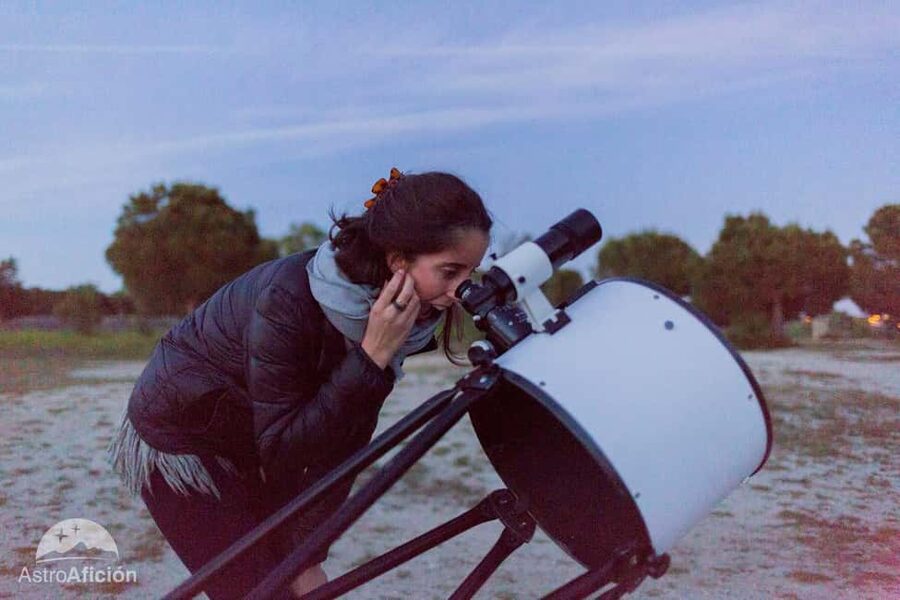
Madrid at night can feel bright. This tour gives you a structure for what to notice once the sky goes dark.
You start with the “how to read it” part, not just the “wow” part. Then you move into a telescope session designed to show real objects—not just a quick glance and done.
If you want a first taste of astronomy that doesn’t talk over your head, this format is a strong fit.
Getting Oriented: North Star, Zodiac, and Planets vs Stars
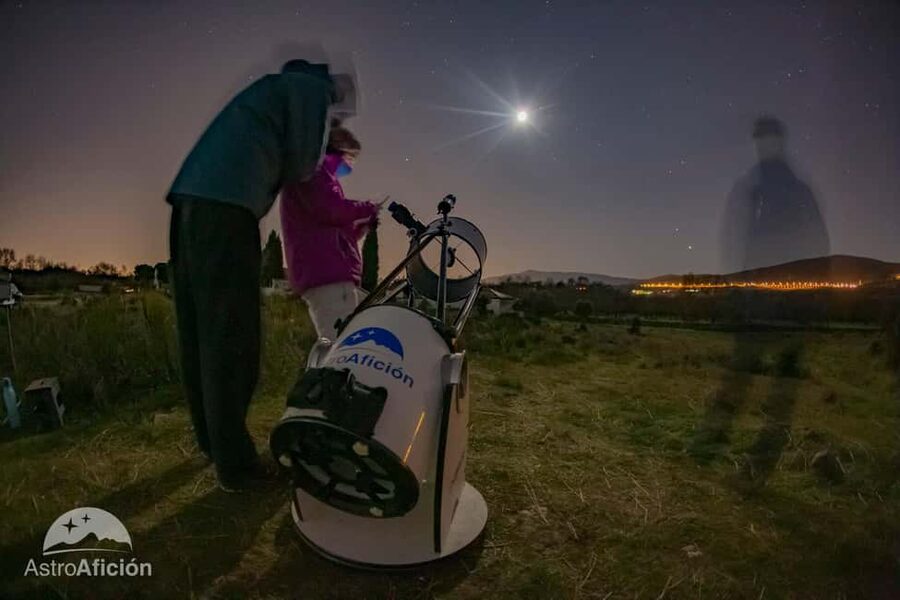
The first half of the experience is a star and constellation tour with a guiding astronomer. You learn practical skyfinding skills, like how to locate the North Star and how to recognize the constellations of the Zodiac.
What I like here is that it’s not memorization for its own sake. You’re learning patterns you can reuse later, so the night sky stops being a mystery you only see in pictures.
A helpful detail is the focus on distinguishing stars from planets. That matters because planets often get misunderstood as just another bright “star,” and the tour helps you separate those two ideas with what you observe.
You also get the stories behind constellations, which keeps you engaged while you’re still building your bearings.
The Main Event: What the 30 cm Telescope Can Reveal
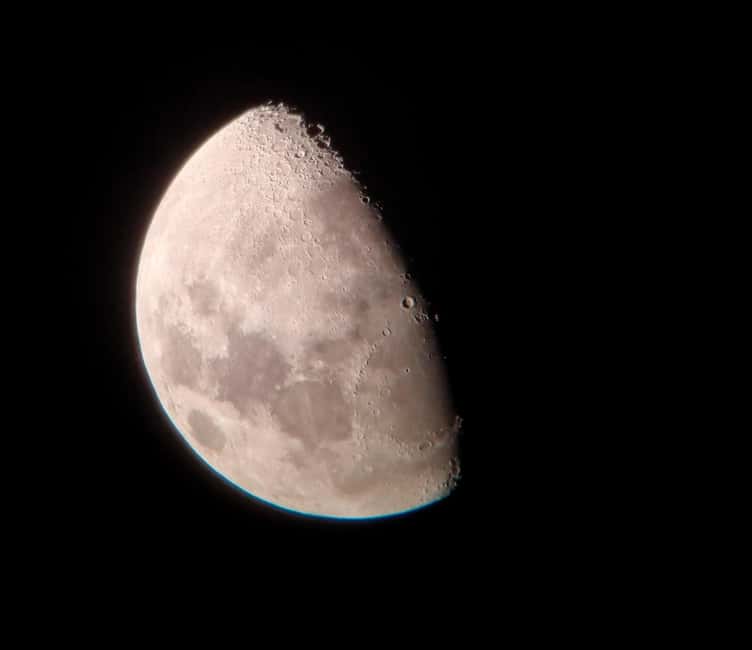
After the orientation, the night shifts to observing through a large-aperture telescope with a 30 cm aperture. This is the heart of the value: you’re not only learning names—you’re seeing objects up close when conditions allow.
The specific targets can change nightly. You might see the Moon, planets of our Solar System, double stars, or even galaxies. On most nights, you can expect to be impressed by the Milky Way’s star clusters, and by nebulae where stars are born and where they fade away.
Here’s why that’s worth your time: the tour gives you the context to understand what you’re viewing. A view through a telescope is more meaningful when you know what makes each object special.
Also, groups are small. That typically means you can look more than once instead of getting the quick, one-and-done view.
Why the Expert Astronomer Experience Feels Personal
This isn’t a “stand in a line and listen” type of activity. The astronomer guides you at all times, explaining clearly and keeping the focus on what you can actually see that night.
In a winter session, the guide Rober stood out for explaining things in an easy way. That kind of teaching matters because astronomy has lots of jargon, and you don’t need it to enjoy the sky. Clear explanations help you connect the dots while you’re looking through the eyepiece.
The small group setup also helps the teaching land. When you can ask questions and get guidance as you go, your confidence grows fast. You leave knowing what you saw—and how to look for it again.
What You’ll Do in the 2 Hours (and What Can Change)
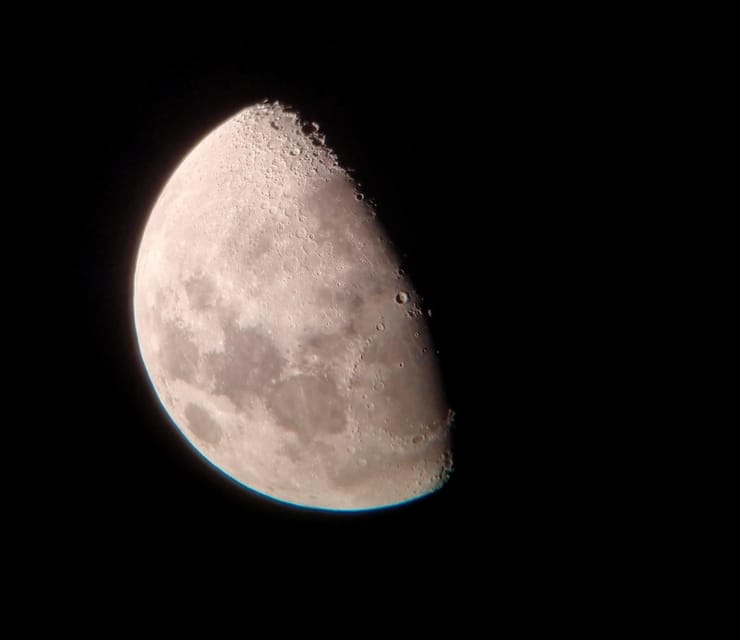
Expect a smooth flow: orientation first, then telescope time. The constellation part covers key targets like the North Star and Zodiac constellations, plus practical guidance like star versus planet spotting.
Then you spend the rest of the time observing with the telescope. Every night differs based on the sky and conditions, so the “menu” of objects isn’t guaranteed.
That variability can feel frustrating if you only want one specific object. But it’s also part of the charm. If you’re open-minded, you’ll enjoy the fact that the sky keeps offering new things.
Meeting Point and the 200 Meter Walk
The meeting point is handled by an AstroAfición monitor wearing the blue company uniform. From there, you’ll walk about 200 meters to the observation site.
This is usually convenient if you’re staying in central areas, because you’re not stuck with a long transfer. It also means you’re likely spending more time under the sky and less time commuting.
If you’re traveling with cold weather gear, plan to arrive layered and ready to stand around briefly before observing begins.
Comfort Rules: What to Bring for Madrid Nights
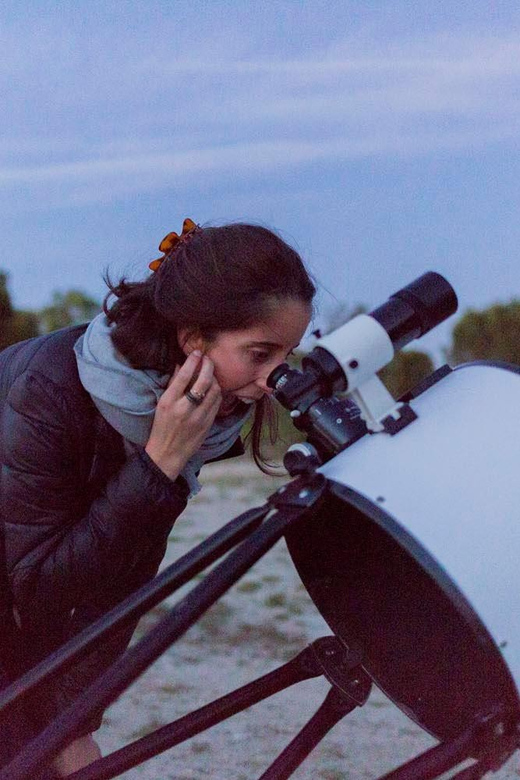
Bring warm clothing. Even if you think you dress fine for a city evening, astronomy sessions often require standing still and waiting for views and explanations.
A good strategy is layering: a warm base plus a jacket you can keep on during the telescope portion. If you get cold easily, consider gloves and something for your ears, since the tour runs about 2 hours.
If you’re expecting a long nighttime chill, you’ll enjoy the experience more when you’re comfortable enough to focus on the sky instead of your fingers.
Price and Value: Is $47 Fair for a Telescope Night?
At $47 per person for about 2 hours, you’re paying for three things that add up in practice: expert guidance, small-group time, and access to a large 30 cm aperture telescope.
If you’ve ever watched a basic sky show where you see one object briefly, you know the difference. Here, the setup is built for repeated viewing and explanations while you’re observing.
You also avoid the common “DIY astronomy” problem. Finding constellations and targets in a light-polluted city without equipment can be frustrating. This tour gives you the map first, then the view.
One note: food and drink aren’t listed as included. That said, one review mentioned warm broth being provided in a colder session, so you might get something warming depending on the night.
Weather and the Night Sky: How Plans Actually Hold Up
Bad weather can change everything in astronomy. The activity may be canceled if forecasts don’t support good conditions, and you’ll be notified ahead of time—often around 48 hours, but sometimes closer to 24 hours if forecasts stay uncertain.
If cancellation happens, you can choose between a date change or a refund. That flexibility is important because you’re booking based on the sky, not just a fixed indoor schedule.
My advice: dress for cold and also plan for the possibility that clouds can limit observing. If it goes ahead, you’re set for a real night-sky session. If it doesn’t, the backup options are there.
Who This Tour Suits Best
This is ideal if you want a first contact with astronomy that feels friendly and practical. The North Star and Zodiac focus is great for beginners who want to learn what they’re looking at, not just watch someone else point.
It’s also a good choice if you like structure. The tour builds your confidence step-by-step, and the telescope time rewards that effort.
If you’re an advanced stargazer looking for highly technical observing challenges, you might find the pace too beginner-friendly. But for learning sky navigation, spotting differences between stars and planets, and seeing major deep-sky highlights like nebulae and Milky Way clusters, it hits the sweet spot.
Should You Book AstroAfición’s Night Sky Observation in Madrid?
I’d book it if you want two hours that actually teach you how to look at the sky, not just how to be impressed. The mix of constellation orientation, a real astronomer guide, and a 30 cm telescope is the kind of combo that makes astronomy click.
Choose it especially if you’re visiting Madrid and you want a night activity that feels authentic and educational. If you’re traveling in colder months, you’ll likely appreciate the extra comfort focus—just bring warm clothing.
If weather can stress you out, pick it anyway, but stay flexible. The experience depends on conditions, and that’s part of the bargain when you chase the sky.
FAQ
How long is the Madrid night sky observation?
The experience lasts about 2 hours.
What is included in the tour price?
You get the astronomer-guided star and constellation tour, and telescope time with a large-aperture telescope, plus a small-group format.
What telescope size will I use?
The observation is done with a telescope that has a 30 cm aperture.
Do I need to speak Spanish?
The tour guide is listed as live Spanish.
Where do I meet the guide, and how far is the walk?
You meet an AstroAfición monitor in a blue uniform, then you walk about 200 meters to the observation site.
What should I bring?
Warm clothing is recommended.
Is food or drink included?
Food and drink are not listed as included.
What happens if the weather is bad?
If the weather forecast doesn’t support good observing conditions, the activity may be canceled, usually with notification around 48 hours in advance, and sometimes closer to 24 hours. If canceled, you can choose between a date change or a refund.