REVIEW · ALMERIA
Stargazing Night in the Tabernas Desert
Book on Viator →Operated by Espacio Supernova · Bookable on Viator
Stargazing here feels made for your eyes. I love the way the guide uses a red light at the start to protect your night vision, and I love that you’re not just looking up—you learn constellations and positional astronomy as you go. One thing to consider: the experience needs good weather, so plan for flexibility if skies turn cloudy.
You’ll start with a short walk and then spend most of the evening in the Tabernas desert, away from city light. Expect a small group (max 15) and a real guide-led session with professional telescopes, blankets on the ground, and deep-sky objects when conditions allow.
If you’re in Almería and want something different from beaches and museums, this is a smart, low-stress way to spend two hours under dark skies—at a price that’s easy to justify for the equipment and instruction.
In This Review
- Key highlights you’ll actually care about
- Why the Tabernas Desert is a stargazing winner
- Getting there: the meeting point and that clever red light
- Sierra Alhamilla: the short walk that sets the scene
- The main event in the Desierto de Tabernas: telescopes and real instruction
- What you can expect to see through the scopes
- Comfort matters: blankets, optional chairs, and night air
- Western-movie stories meet astronomy that actually clicks
- Price and value: does $30.07 make sense?
- Who this tour is best for (and who might want to choose another plan)
- Logistics that can affect your night
- Should you book Stargazing Night in the Tabernas Desert?
- FAQ
- How long is the stargazing night in Tabernas?
- Is this tour offered in English?
- Do we get telescopes during the experience?
- Is transport from Almeria or Retamar included?
- What if I want to sit instead of lying on the ground?
- What happens if the weather is bad?
Key highlights you’ll actually care about
- Red meeting light for night vision so your eyes adjust faster and stay adjusted
- Small group (15 max) for a more watchable, question-friendly night
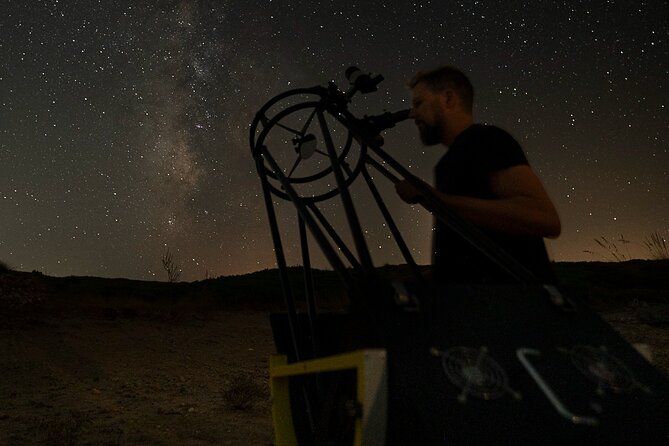
- Certified astronomy monitor with telescopes set up for real viewing
- Hands-on star orientation using positional astronomy, not just a lecture
- Blankets provided for comfort on the ground during the longest part
Why the Tabernas Desert is a stargazing winner
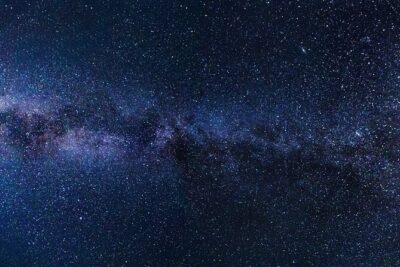
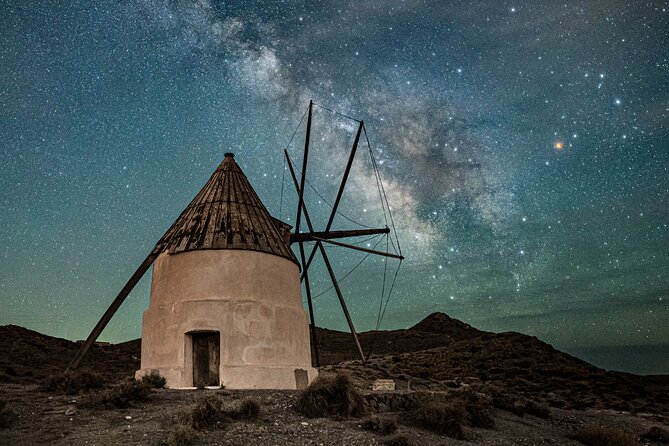
The Tabernas Desert is famous for feeling like the world switched off. That matters, because star viewing is mostly about darkness, not drama. Here, you’re far from city light, so you get a sky that actually shows depth—stars you can pick out, and objects through telescopes that look like they belong in a science book.
I also like how the night is built around stories and science at the same time. You’ll hear about the Western movies filmed in these surroundings, then you’ll get back to the sky with practical astronomy so the constellations and objects start to make sense fast.
Finally, the timing is right for most people. Two hours is long enough to learn and see a few real targets, but short enough that you’re not stuck dragging through a winter chill or a late-night schedule.
You can also read our reviews of more tours and experiences in Almeria.
Getting there: the meeting point and that clever red light
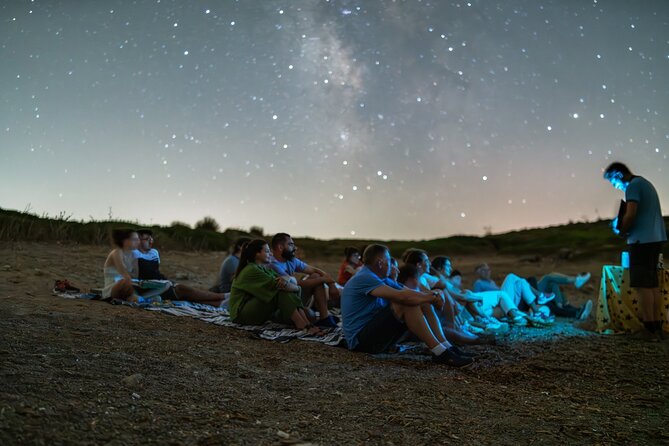
Your evening starts at the designated esplanade near Tabernas (the meeting point is marked with the red pin). The guide is easy to spot by a soft red light, chosen specifically so you don’t ruin your night vision right at the beginning.
That may sound like a tiny detail, but it’s one of the biggest quality signals for a stargazing event. Your eyes take time to adjust, and if you start under bright white light, the whole night feels dimmer. Starting with red lighting helps you get your bearings fast and makes the first telescope views easier to appreciate.
You’ll get a warm welcome and a short orientation talk before you move. The guide explains why the skies here are exceptionally dark, then mixes in the local Western-movie legend tied to the area.
Sierra Alhamilla: the short walk that sets the scene
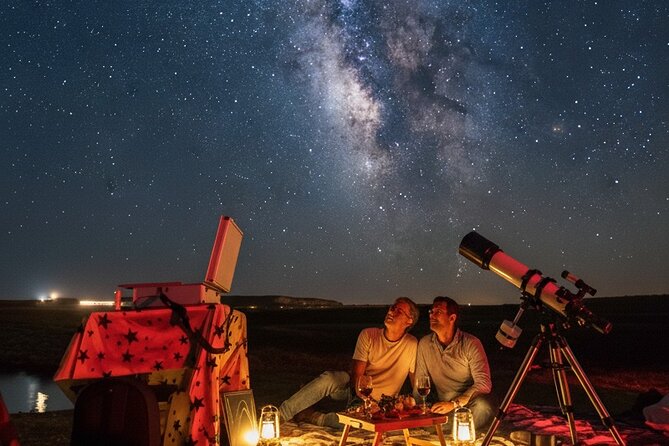
Before the main desert viewing, you’ll do a quick walk—about 5 minutes—from the meeting point to the observation area. During this stretch, the guide explains the Sierra Alhamilla Natural Area so you’re not just waiting for the stars.
This is a smart setup. Those few minutes help you slow down, look around, and understand the terrain you’re standing on. By the time you stop, you’re ready to focus upward without feeling like you’ve been “gathered” for hours.
The walk itself is brief, so it’s not a big deal for most people. Still, if you’re sensitive to cooler night air, it’s worth planning for a little outdoor time right away.
The main event in the Desierto de Tabernas: telescopes and real instruction
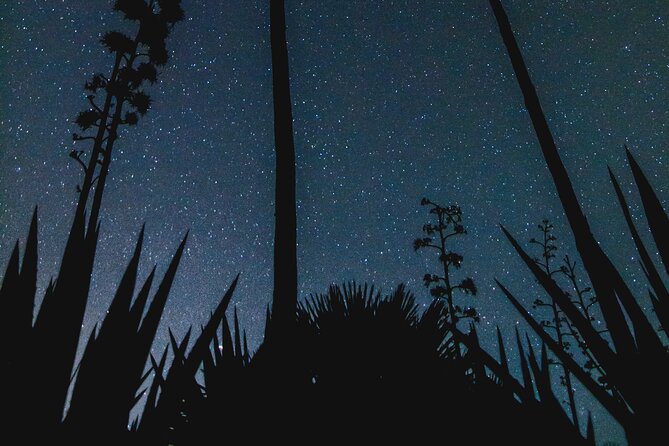
Once you reach the desert area, the schedule shifts from arrival to viewing. This is where you spend about 1 hour 40 minutes looking up, learning, and using telescopes.
Here’s what makes it more than a simple astronomy demo:
- You’ll learn to identify the main constellations visible on the night of your visit.
- The guide also explains positional astronomy, so you understand how orientation in the sky works rather than memorizing random shapes.
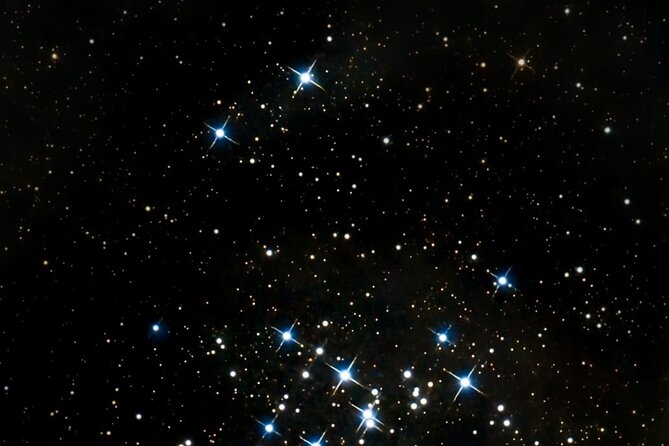
- Through the telescopes, you’ll explore deep-sky targets such as open clusters, globular clusters, and binary stars.
And if the Moon is out, you won’t just notice it—you’ll be able to observe its craters in detail and understand how they form over time. That’s the kind of “wait, that’s real” moment you can’t fully get from photos.
This is also where the guide’s energy really matters. In past nights, the guide named Gonzo has been described as enthusiastic and funny, with a style that works even if you’re brand-new to astronomy. The result is that you’re not stuck listening to technical talk; you’re actively guided through what to look for.
What you can expect to see through the scopes
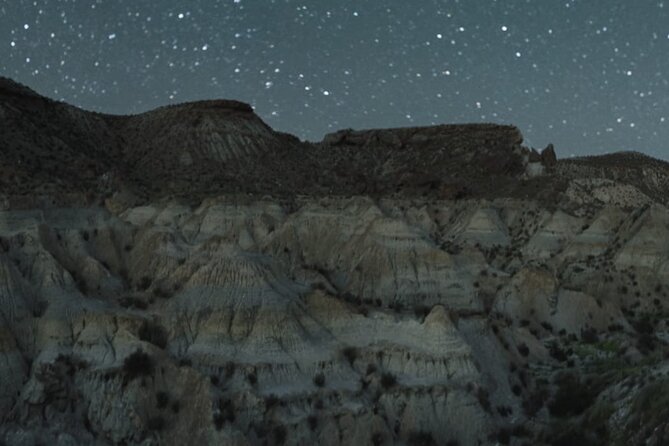
Stargazing always depends on the sky on the night, but the experience is clearly structured to show a mix of easy wins and impressive targets.
You can expect telescope time devoted to:
- The Moon (especially if it’s visible)
- Planets such as Jupiter (and features like its moons, when conditions allow)
- Saturn-related views (one night described Saturnus through the telescope)
- Additional deep-sky objects like clusters and galaxies
Some nights may include standout items beyond the standard list—for example, one description includes a comet and a galaxy through the telescope. Think of those as bonuses that depend on viewing conditions, not guarantees.
Also, don’t underestimate the value of learning to locate things. Once you learn the practical methods for orienting yourself, you can keep using the same approach the next time you’re under a dark sky.
Comfort matters: blankets, optional chairs, and night air
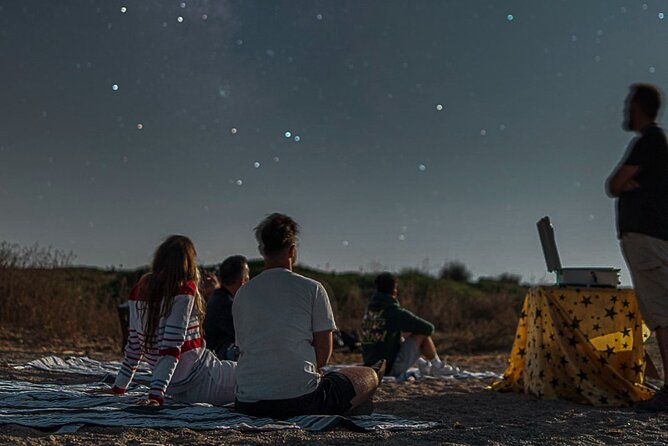
You’ll be able to lay down on the ground with blankets provided. That’s a big deal because telescopes can mean you spend time stationary while the guide helps different people see the targets.
If you want more support, there’s an option to request a camping chair for €3 per person, but only if availability allows and you’ve requested it in advance.
What should you bring in your own bag? The provided info doesn’t list a full packing list, but winter conditions can be cold enough that a warm layer helps. One practical takeaway from real use: bring a coat or something warm enough to stay comfortable while you watch for long stretches.
And keep in mind the tour is outdoors and focused on night skies. If you’re sensitive to cold, it’s worth dressing for it rather than hoping blankets will solve everything.
Western-movie stories meet astronomy that actually clicks
One of the most appealing parts is the way the tour connects local culture to the sky above it. You’ll hear the story of Western movies filmed in these surroundings, which gives the desert a sense of place before you start naming constellations.
Then you shift into science with an approach that’s easy to follow. The goal isn’t to turn you into an astronomer. It’s to help you understand how the sky is organized so the names you hear land in your brain.
That’s also why the positional astronomy piece matters. If the guide only pointed at stars, you’d leave knowing some names and missing the “how.” With orientation skills, the sky becomes something you can explore again later.
Price and value: does $30.07 make sense?
$30.07 per person is a modest price for a guided night that includes:
- Professional telescopes
- Blankets
- An astronomical monitor certified by the Starlight Foundation of the Canary Islands Astrophysics Inst.
- A structured session teaching constellations, Moon details, and deep-sky objects
You’re not paying for “someone telling you about stars.” You’re paying for access to equipment and guided learning in one of the better dark-sky areas around Almería.
There are a few add-ons if you want them: a personalized photo costs extra (€12 per booking), and transport from Retamar or Almeria City costs €25 per person if available by request. Optional chairs cost €3. Those extras are exactly that—extras. The core experience is still the telescopes, the dark-sky location, and the instruction.
If you’re traveling on a budget, this is also an easier value call than many longer tours. Two hours keeps time costs low, and the group size stays small.
Who this tour is best for (and who might want to choose another plan)
This works especially well if:
- You’re curious about astronomy but don’t want to study first
- You want a structured night with real viewing targets
- You’re traveling with teens or kids and want something that holds attention
It’s also a good pick if you’re the type who likes short, focused experiences with a clear payoff. You’ll leave with names you can recognize and a sense of how to orient yourself under the stars.
If you’re hoping for a hands-off “just vibe in silence” stargazing session, you may prefer something less guided. This tour is very much instruction-led, with the guide and telescopes doing most of the heavy lifting for you.
Logistics that can affect your night
This is a small-group experience, with a maximum of 15 travelers. That’s excellent for stargazing because you’re not fighting for telescope time or feeling like you’re swallowed by a crowd.
The tour uses a mobile ticket, and it’s offered in English. Confirmation usually arrives at booking, unless you’re booking within 10 hours of travel, in which case you’ll get confirmation as soon as possible based on availability.
One more practical detail: this activity requires good weather. If skies don’t cooperate, you’ll be offered a different date or a full refund. Since you’re spending the evening outdoors and relying on visibility, this rule matters.
Should you book Stargazing Night in the Tabernas Desert?
I’d book it if you want a dark-sky experience in a short time window and you like guided learning. The combination of night-vision-friendly setup, professional telescopes, and real astronomy instruction is what makes this feel worth it, not just pretty.
Skip it or be cautious only if you strongly dislike being outdoors at night or you’re traveling on a schedule where a weather-based change would cause stress. Otherwise, it’s a great match for couples, families, and solo travelers who want a memorable evening that’s genuinely about the sky, not just the destination.
FAQ
How long is the stargazing night in Tabernas?
The activity is about 2 hours.
Is this tour offered in English?
Yes, the tour is offered in English.
Do we get telescopes during the experience?
Yes. The experience includes professional telescopes.
Is transport from Almeria or Retamar included?
No. Transport from Retamar or Almeria City is available only upon previous request and availability, and it costs €25 per person.
What if I want to sit instead of lying on the ground?
Blankets are provided to lay down, and you can request a camping chair for €3 per person if availability allows.
What happens if the weather is bad?
This experience requires good weather. If it’s canceled due to poor weather, you’ll be offered a different date or a full refund.