REVIEW · SAN BARTOLOME DE TIRAJANA
Gran Canaria: Sunset & Stargazing Tour: PickUp or Self Drive
Book on GetYourGuide →Operated by Stargazing Gran Canaria · Bookable on GetYourGuide
Clouds hide Gran Canaria’s best show. This small-group Sunset & Stargazing night blends mountain roads with real telescope time and guide storytelling. In recent outings, guides like Diego and Stephan have led the astronomy in English, with a calm, hands-on feel.
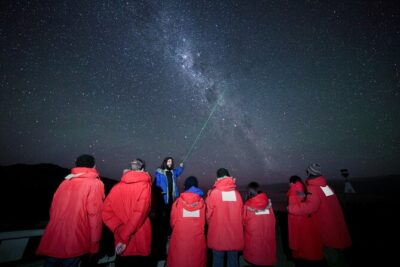
What I like most is how the sky becomes the main event, not just a quick stop. You’re shown planets and star clusters through powerful telescopes, then walked through constellations with a laser guide.
One thing to plan for: it runs at high altitude (around 1800m), so evenings can feel very cold, and once in a while an equipment issue can happen.
You’ll also love the sunset setup. You’ll sip a glass of cava or juice while you watch the light drop above the clouds, then head deeper into the island for true darkness at Llanos de la Pez.
I also like the souvenir angle: you get a downloadable professional night-sky photo taken with astrophotography techniques. The only drawback is that there are no meals included, so if you get snacky later, you’ll want to handle it yourself.
In This Review
- Key highlights you can actually plan around
- What You Get for $53: Sunset, Cava, Telescopes, and a Real Photo
- Pickup in the South vs Self-Drive: Avoid the Classic Meeting-Point Headache
- Inside the 4–6 Hour Flow: Why the Timing Is Built for Darkness
- First Viewpoints: The Mirador Astronómico Stop That Sets the Mood
- Sunset at Mirador de la Degollada de la Becerra: Cava, Clouds, and Sometimes Teide
- Llanos de la Pez Dark-Sky Session: Constellations, Telescopes, and Laser Guidance
- The Professional Astrophotography Download: Your Souvenir Isn’t Just a Screenshot
- What the Views Teach You: Why the “Scenic Drive + Stars” Combo Works
- What to Wear (and Bring): The Cold Is Real at 1800m
- Group Size, Energy, and the Driver-Guide Factor
- Price and Value: When This Tour Feels Worth It
- Who This Tour Suits Best (and Who Should Rethink It)
- Should You Book This Gran Canaria Sunset & Stargazing Tour?
- FAQ
- How long is the Gran Canaria Sunset & Stargazing tour?
- Where does the pickup option operate on Gran Canaria?
- What happens if I choose the self-drive option?
- What’s included in the welcome drink?
- Will I be able to see objects through telescopes?
- Do I get a photo from the tour?
- What should I wear?
- Is the tour suitable for children or wheelchairs?
- Are meals included?
Key highlights you can actually plan around
- Best-night-sky focus: minimal light pollution at the remote site means darker, better views
- Sunset above the clouds: cava or juice at a viewpoint where Teide can be seen in the right conditions
- Laser-guided constellation tour: you don’t just stare—you follow along
- Telescopes and tablet visuals: stargazing plus live deep-sky images displayed on-site
- Astrophotography souvenir: a downloadable photo of you or your group under the stars
- Small-group feel: guided and structured over a 4–6 hour evening
What You Get for $53: Sunset, Cava, Telescopes, and a Real Photo
At about $53 per person, this is priced like an activity night, not like a museum ticket. You’re paying for the full package: viewpoints, expert-led astronomy, telescopes, and an astrophotography photo download. If you’re the type who wants more than a “pretty sky from a parking lot,” this value makes sense.
The core of the experience is simple. First you build the night with scenic driving and sunset drama. Then you switch to astronomy: guides point things out, telescopes do the heavy lifting, and the constellations have a guided line so you know what you’re looking at.
That photo piece is also a practical win. A lot of stargazing tours show you the sky and stop there. Here, you leave with a downloadable souvenir, using astrophotography techniques, which is exactly what most people struggle to capture on their own.
Pickup in the South vs Self-Drive: Avoid the Classic Meeting-Point Headache
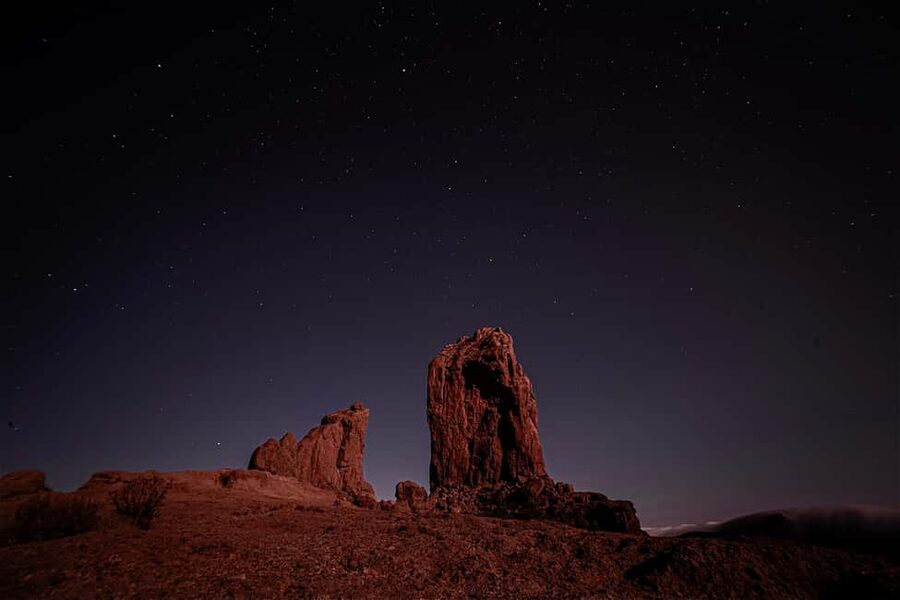
You’ll choose one of two modes, and it matters.
If you pick the pickup option, you’ll be collected from your hotel or a designated pickup point in the South of the island, and then dropped back after. The pickup area is the south coast between Puerto Mogan and Bahia Feliz, with drop-offs later in spots like Arguineguín, Puerto Rico, Maspalomas, Bahia Feliz, La Playa de Mogán, and Playa del Aguila.
If you choose self-drive, you drive for the duration, then meet the group at the designated meeting point. From there, you follow the lead vehicle of Stargazing Gran Canaria. This is workable, but it does mean you should show up early enough to feel calm—not rushed—especially if you’re not used to mountain driving.
Either way, the tour stays guided. You don’t navigate the stargazing site on your own. The group moves together from viewpoint to viewpoint, which is a big part of why the experience feels smooth even when it’s cold outside.
Inside the 4–6 Hour Flow: Why the Timing Is Built for Darkness
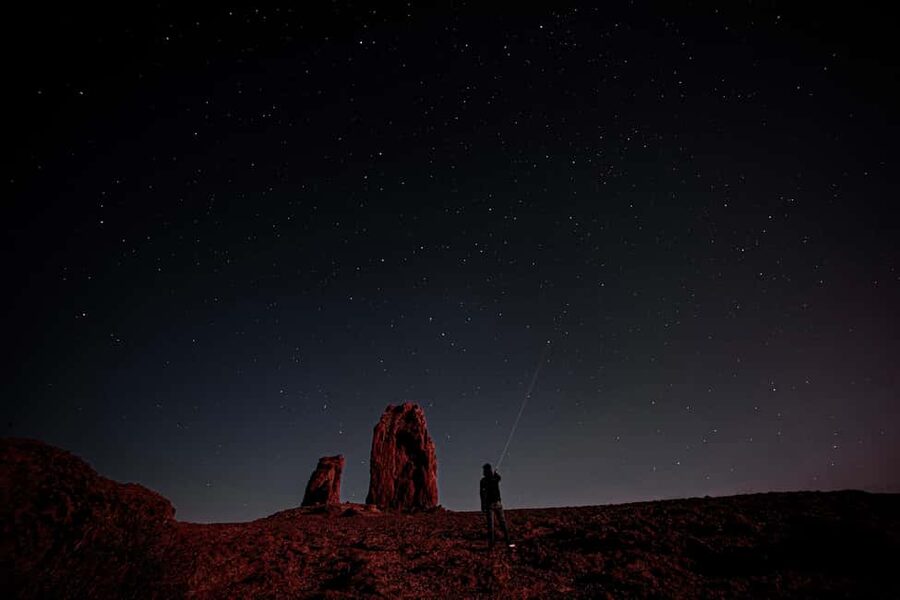
The schedule is built around one goal: getting you into proper dark-sky conditions after sunset. You’re out for 4 to 6 hours, and it doesn’t feel like a long slog because the night has “chapters.”
In the early part, you’re in transit and viewpoint breaks. Then you’re at the main sunset spot, where you can watch the light drain away above the clouds while you sip a drink. After that, you head deeper inland to Llanos de la Pez for the guided astronomy session.
There are multiple short coach segments through the evening. The itinerary includes a couple of bus/coach portions (one around 20 minutes early on, and longer stretches later), plus brief stops for photos and viewpoints. That structure matters because it keeps the astronomy time focused. You’re not spending the whole night stuck in traffic.
First Viewpoints: The Mirador Astronómico Stop That Sets the Mood
Before the official sunset scene, you get a special photo-and-stretch break at Mirador Astronómico de la Degollada de las Yeguas. This viewpoint is known for a big “look out over the Grand Canyon of Gran Canaria” kind of feeling—big scale, sharp light, and lots of places to frame photos.
The stop is short—about 10 minutes—so treat it like a reset button. Wear your warm layers before you get out. Bring your camera, but also use this moment to check your settings quickly. If you wait until you’re at the astrophotography stage, you’ll waste time fidgeting in the cold.
This early viewpoint also helps the night land emotionally. You go from the bright, scenic side of the island to the edge of darkness. It makes the later stargazing session feel like a real shift, not just a change in location.
Sunset at Mirador de la Degollada de la Becerra: Cava, Clouds, and Sometimes Teide
The main sunset stop is Mirador de la Degollada de la Becerra, and it’s placed high (about 1550m). The selling point here is the view above the clouds, where you can watch the island turn golden, then fade into night.
You’ll be served a welcome drink: a glass of cava or juice. It’s a small detail, but it’s the kind you remember because it ties the atmosphere together. You’re not just waiting for darkness—you’re watching the moment when the sky becomes usable for real stargazing.
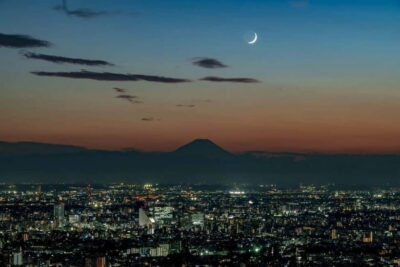
On clear evenings, you can also spot Teide in Tenerife and Pico de las Nieves in Gran Canaria from this viewpoint. You can’t control the weather, so treat this as a bonus. Still, it’s a nice reminder: even if you’re focused on stars, you’re also getting a cross-island “big picture” moment.
If you’re wondering what this stop feels like: expect a lot of pointing, lots of photos, and then that collective quiet when the first stars start showing.
Llanos de la Pez Dark-Sky Session: Constellations, Telescopes, and Laser Guidance
Now you hit the remote stargazing site at Llanos de la Pez, for about 1.5 hours of guided observing. This is the “why Gran Canaria for astronomy” part. The tour specifically aims for minimal light pollution and clear skies.
Here’s what makes it more than staring up and hoping. You get:
- Laser-guided constellation tour, so you can track what the guide is pointing at
- Telescopes for seeing planets, galaxies, nebulae, and star clusters
- Live deep-sky images shown on-site on tablets
That laser + tablet combo is genuinely helpful for beginners. When you’re brand new, a lot of star maps look like random dots. This approach connects the dots—and gives you context before you crane your neck for 30 minutes.
And yes, you can look through the scopes. Recent guides have shown views like Jupiter and its moons and Saturn (including Saturn’s rings, when conditions allow). One review highlighted Saturn as a life-changing moment. If that sounds dramatic, good—that’s the energy this part is designed to create.
Expect the guide to explain what you’re seeing in plain language. Multiple recent experiences praised guide storytelling and clear explanations, with guides like Diego in particular earning consistent praise for how engaging and organized the session feels.
The Professional Astrophotography Download: Your Souvenir Isn’t Just a Screenshot
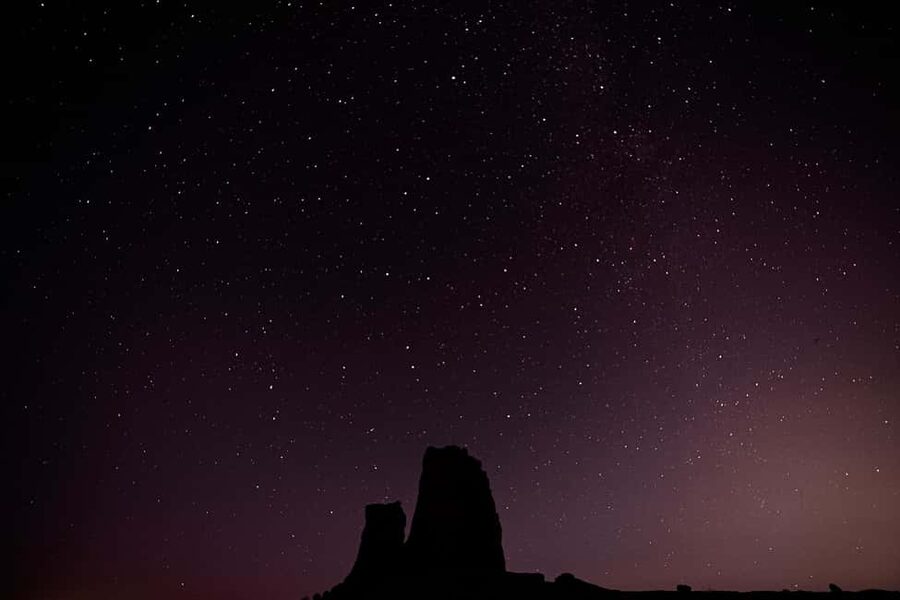
At the end of the night, you get a professional night-sky photo of you or your group, made using astrophotography techniques. You’ll receive a downloadable image afterward. This is one of the best “value adds” because it solves a real problem.
Most people can’t take a great night-sky photo on a phone. You need the right settings, the right timing, and a steady setup. Even if you have a camera, it’s hard to get it right while you’re also cold and excited. Having a dedicated astrophotography approach means you get a result that actually looks like the sky you saw.
If you bring your own camera, you can still try. Just don’t let your whole focus become your gear. The tour experience is the guided observing first, and your professional photo is the backup that saves the souvenir.
What the Views Teach You: Why the “Scenic Drive + Stars” Combo Works
I like that the tour doesn’t split into two unrelated halves. The driving and viewpoints aren’t filler. They teach your eyes how to shift from daylight contrast to night visibility. You also build patience into the evening—something astronomy demands.
The sunset-on-clouds staging is smart. It’s dramatic, yes, but it also buys you time for the gradual transition. By the time you’re at Llanos de la Pez, your brain is ready for the darker sky.
And the guide-led constellation tour gives you a mental map. Without that, stargazing can feel like looking at a ceiling and guessing. With it, you start recognizing patterns and understanding where things sit in the night.
The guides also tend to bring a warm human touch. Some recent evenings included extra comfort treats like hot chocolate and cake near the viewing portion. That’s not the same as meals, but it’s a nice morale booster when you’re up at altitude.
What to Wear (and Bring): The Cold Is Real at 1800m
This is the part you shouldn’t wing. The tour runs at an elevation around 1800m, and it can get cold fast in the mountains. Winter coats are provided, which helps, but it’s still on you to layer well.
Bring:
- Warm clothing
- Closed-toe shoes (important)
- A camera if you have one
From recent experiences, you’ll be happier if you also think beyond the provided coat. Some people recommended gloves and extra layers like hats and even double socks. If you hate chilly evenings, you’ll want to prepare like you’re going out for a proper winter walk.
Also skip open-toed shoes. You’ll be standing and waiting in the cold, and closed footwear keeps you comfortable.
Group Size, Energy, and the Driver-Guide Factor
This is a small-group tour, which is a big deal for stargazing. A smaller group means the guide can keep an eye on people, answer questions, and reposition you when the telescope viewing rotates through different targets.
Recent reviews repeatedly praised the host style—friendly, professional, and organized. One person mentioned the van ride and a comfortable setup, plus a sense that the guide had a plan rather than improvising.
When the guide knows their stuff and keeps the flow moving, you feel like you’re getting “the good version” of stargazing: you look, you learn, and you don’t feel lost.
Price and Value: When This Tour Feels Worth It
Let’s talk money, because $53 can feel like a lot or a steal depending on what you want.
You’re paying for multiple value layers:
- Transportation around the island’s interior viewpoints
- Sunrise/sunset staging with a welcome drink (cava or juice)
- A guided astronomy session with telescopes
- Laser-guided constellations and live deep-sky images on tablets
- A professional astrophotography download
- Winter coats provided
If you’re the type who wants stars plus structure, you’ll likely feel good about the price. If you only want a quick look and you’re comfortable guiding yourself with apps, you might find it harder to justify. But for most visitors, this is exactly the mix that turns the sky into something you understand.
Who This Tour Suits Best (and Who Should Rethink It)
This is a great fit if you:
- Want a guided astronomy night, not just a viewpoint
- Like sunset views above the clouds
- Enjoy photo keepsakes and easy souvenirs
- Don’t mind cold weather if you dress for it
It may not suit you if:
- You need wheelchair accessibility (the tour isn’t suitable for wheelchair users)
- You’re traveling with children under 5
- You have recent scuba activity up to 24 hours prior
Also, plan around food. Meals and snacks aren’t included. If you tend to get hungry while waiting, bring your own snack strategy for before or after, so the night doesn’t get derailed.
Should You Book This Gran Canaria Sunset & Stargazing Tour?
Book it if you want the best combination of sunset viewing + guided astronomy + telescopes + a real photo souvenir. The tour feels built for people who care about seeing the sky properly, and who appreciate a thoughtful evening rhythm rather than a rushed grab-and-go.
Hold off if cold nights and long drives aren’t your thing, or if you need meals and snacks included. Also, choose pickup vs self-drive based on your comfort with mountain driving and meeting points.
If you’re flexible, dress warm, and go in ready to look up, you’ll likely end the night with the kind of stargazing memory that sticks.
FAQ
How long is the Gran Canaria Sunset & Stargazing tour?
It runs for about 4 to 6 hours, depending on the starting time and the evening schedule.
Where does the pickup option operate on Gran Canaria?
The pickup option covers the south of the island, between Puerto Mogan and Bahia Feliz, with drop-offs at several south/coast locations after the tour.
What happens if I choose the self-drive option?
With self-drive, you drive yourself and meet the group at the designated meeting point. You then follow the lead vehicle of Stargazing Gran Canaria for the rest of the tour.
What’s included in the welcome drink?
You’ll get a welcome drink at the sunset site: cava or juice.
Will I be able to see objects through telescopes?
Yes. The tour includes a guided stargazing session with telescopes, led by Starlight certified guides.
Do I get a photo from the tour?
Yes. You’ll receive a downloadable professional night-sky photo taken using astrophotography techniques.
What should I wear?
Bring warm clothing and closed-toe shoes. Winter coats are provided because the tour takes place around 1800m, where evenings can be cold.
Is the tour suitable for children or wheelchairs?
Children under 5 aren’t suitable, and the tour is not suitable for wheelchair users.
Are meals included?
No. Meals and snacks are not included, so plan to eat on your own outside the tour time.