REVIEW · VINCENTIA
Vincentia: Jervis Bay Beach Stargazing with an Expert
Book on GetYourGuide →Operated by Blue Mountains Stargazing · Bookable on GetYourGuide
Jervis Bay looks different when the sun drops. This 90-minute night tour takes you away from city glare for naked-eye stargazing with a guide who points out what matters and why it’s there. I especially love the laser-guided constellation storytelling, because it makes the sky feel less like random dots and more like a map.
You’ll also get real observing time: telescope viewing plus binocular looks at sky highlights. The one possible drawback is weather. If skies are overcast, you could get cancelled with a credit or refund, so it pays to keep your plans flexible.
In This Review
- Key highlights to know before you go
- Jervis Bay at night: why the sky finally feels close
- The 90 minutes: what the flow feels like on the beach
- Constellation stories and star-navigation hacks you’ll remember
- Telescope and binocular time: what you might see depends on the season
- What the telescope can show (season dependent)
- What the binoculars add
- Q&A with the stargazing expert: how to use it well
- The Milky Way, satellites, and the International Space Station possibilities
- Comfort, group size, and practical stuff that affects the night
- Price and value: is $65 worth 90 minutes of stargazing?
- Who this tour suits best in Jervis Bay
- Weather reality check: what happens if the sky won’t cooperate
- Should you book Vincentia: Jervis Bay Beach Stargazing with an Expert?
- FAQ
- How long is the stargazing tour?
- Where does the tour meet?
- How many people are in the tour?
- Can I book if fewer than 8 people sign up?
- What can you see during the tour?
- Is the tour suitable for young children?
- Is it dog-friendly or wheelchair-accessible?
- What happens if it’s overcast?
Key highlights to know before you go
- Laser-guided constellation storytelling with waves sounds for a calmer, clearer sky focus
- State-of-the-art telescope viewing (what you see depends on the time of year)
- Astronomy binoculars to catch more than just the brightest objects
- Q&A with an astrophysics-focused expert, so you can ask about what you’re seeing
- Complimentary night sky digital photo souvenir to keep
Jervis Bay at night: why the sky finally feels close
The whole point of this experience is simple: dark sky beats city light. Jervis Bay is the kind of place where the horizon feels real, and the stars look like they’re sitting right above the waterline.
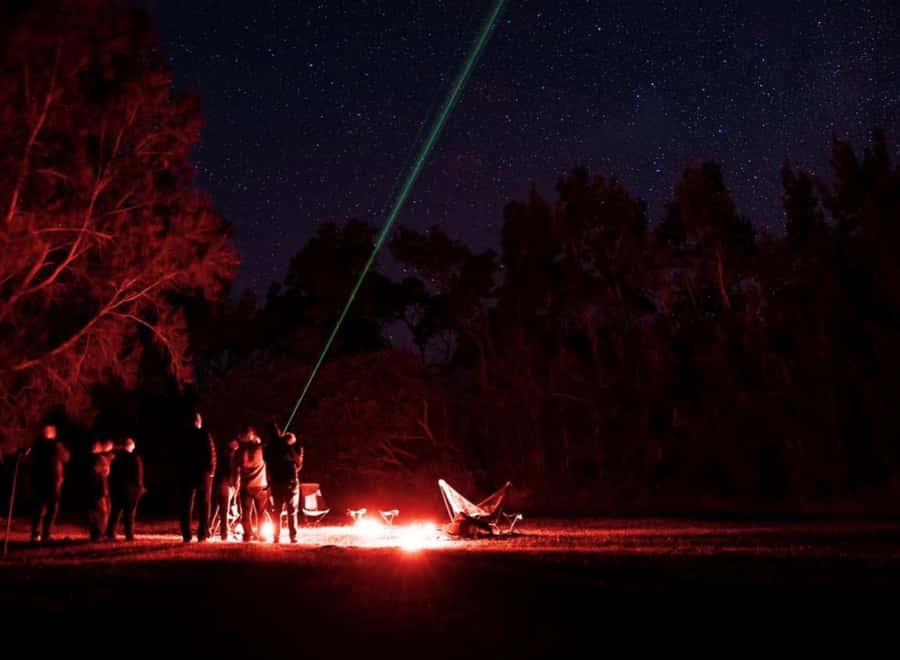
What makes this tour work is the pacing. You’re not rushing. The guide uses a laser-guided approach so you spend your time finding things, not guessing where to look. And because it’s on a beach in Vincentia, the setting supports the mood: you get sea air, dark openness, and a sky you can actually study.
The 90 minutes: what the flow feels like on the beach
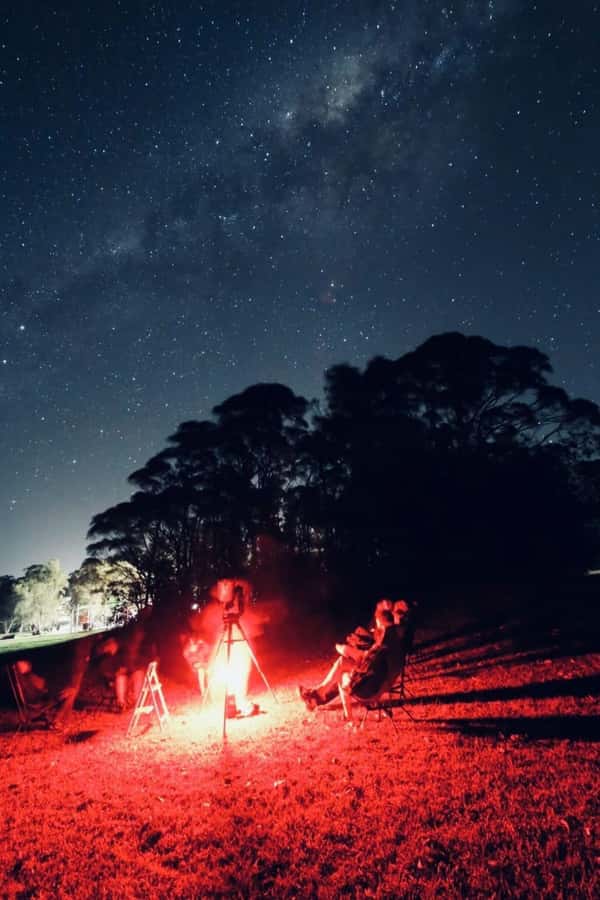
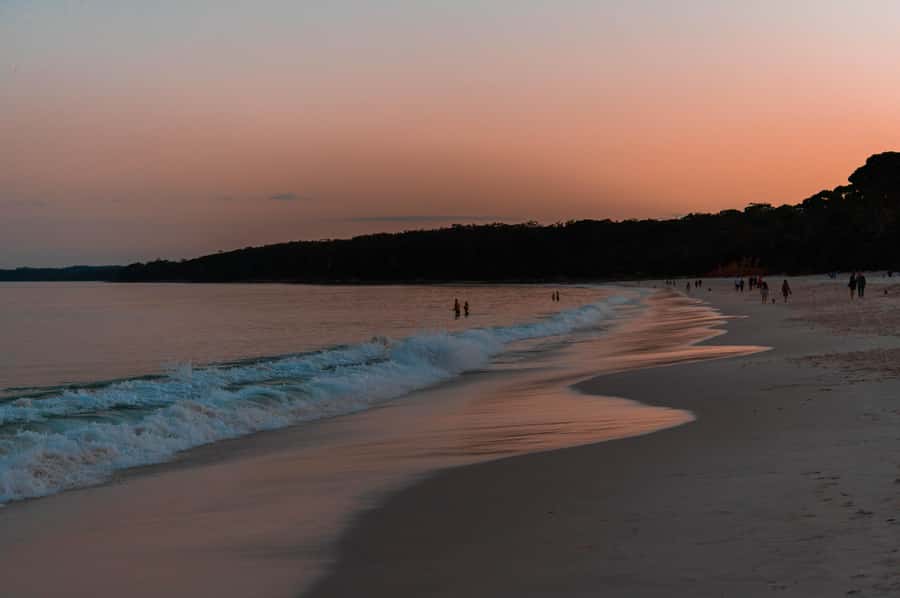
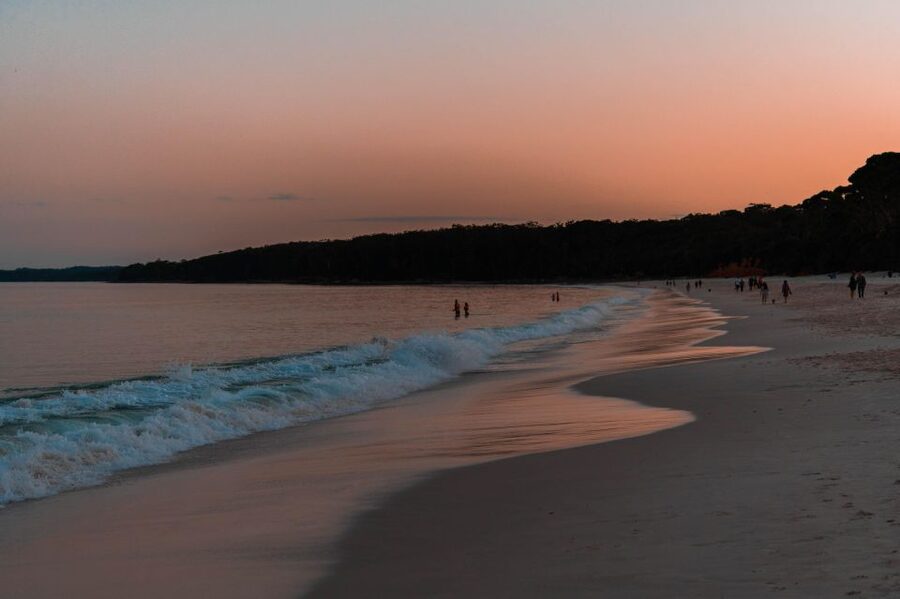
Plan on a tight, focused session. The tour runs for 90 minutes, and the meeting point is a beach in Vincentia. After booking, you’ll get the exact location, so keep an eye on your email.
In practice, the evening is built in layers. First comes laser-guided naked-eye astronomy, with waves sounds paired with simple explanations. Then you shift to observing tools: astronomy binoculars and, depending on the night and season, time at the telescope. There’s also dedicated time for questions, so you’re not stuck nodding politely while wondering what you just saw.
One practical note from experience with this kind of setup: you may be seated on chairs. One helpful heads-up is that the chairs need careful handling, so don’t treat them like stadium seats—take your time when moving and settling in.
Constellation stories and star-navigation hacks you’ll remember
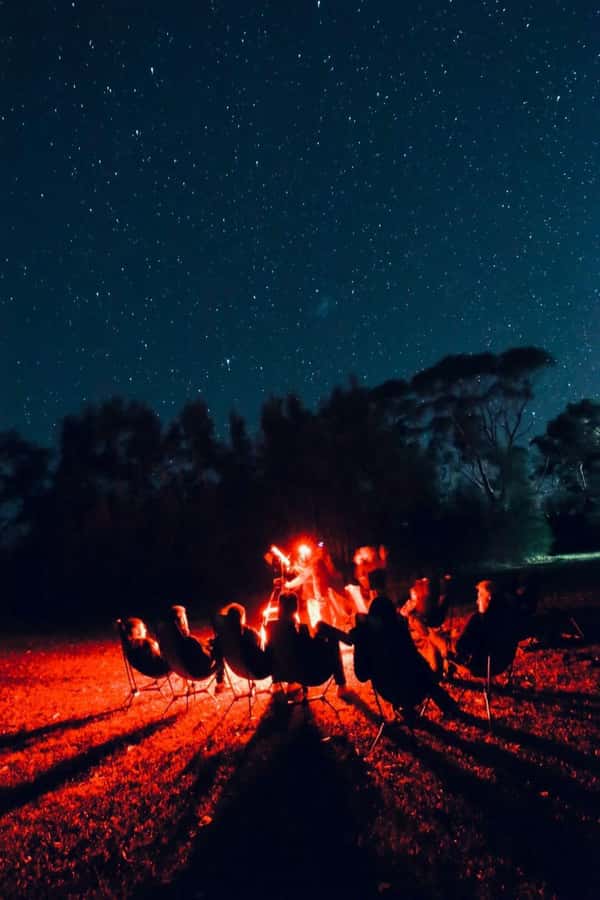
This isn’t just pointing at bright stars. The guide leads you through constellation storytelling in a way that teaches your brain how to recognize patterns fast.
The sky portion includes:
- Laser-guided naked-eye observing with waves sounds
- Tips and hacks on navigation using the stars
- What you may spot, depending on the season, like the Milky Way, satellites, the International Space Station, Tiangong, and shooting stars
Then comes the storywork. You’ll hear about constellations and star signs, with a focus on Orion (timing depends on the time of year). You’ll also get what I think is the most fun part for curious minds: “antique” constellations and how different cultures saw the same sky differently. It turns stargazing into something human, not just scientific.
If you’ve ever felt lost under a night sky, this is where the value lands. The guide gives you a mental shortcut. Instead of staring harder, you start looking smarter.
Telescope and binocular time: what you might see depends on the season
Here’s the key reality: the sky changes. This tour is designed for that. Telescope targets and binocular favorites depend on the time of year, so the guide adapts to what’s available.
What the telescope can show (season dependent)
You may get views like:
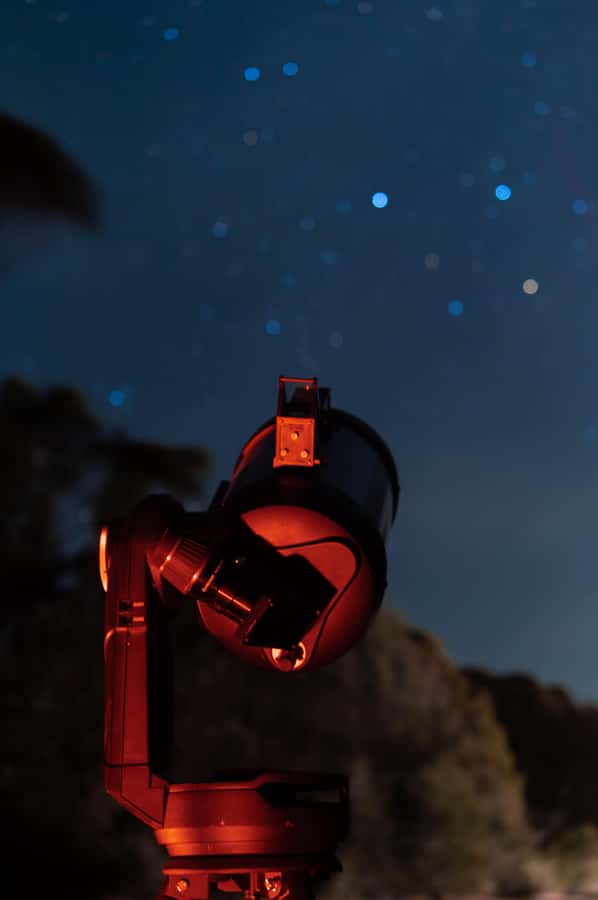
- The Moon with craters and seas
- Saturn’s rings
- Jupiter’s moons
- Planets such as Mars and Venus
- Deep-sky objects like the Orion Nebula
- Star clusters, double stars, triple stars
- Deep space objects including galaxies
That range matters. Naked-eye stargazing gives you scale and context. The telescope then gives you detail—textures, separations, and the kind of contrast your eyes can’t easily pull from the dark alone.
What the binoculars add
Binoculars are a great in-between tool. They widen your field of view compared to the telescope and can make faint objects feel less out of reach. Even if you only catch a couple of targets, binocular viewing helps you build confidence fast.
If you love learning by seeing, this combo is a solid plan: start with the big picture, then move into specifics.
Q&A with the stargazing expert: how to use it well
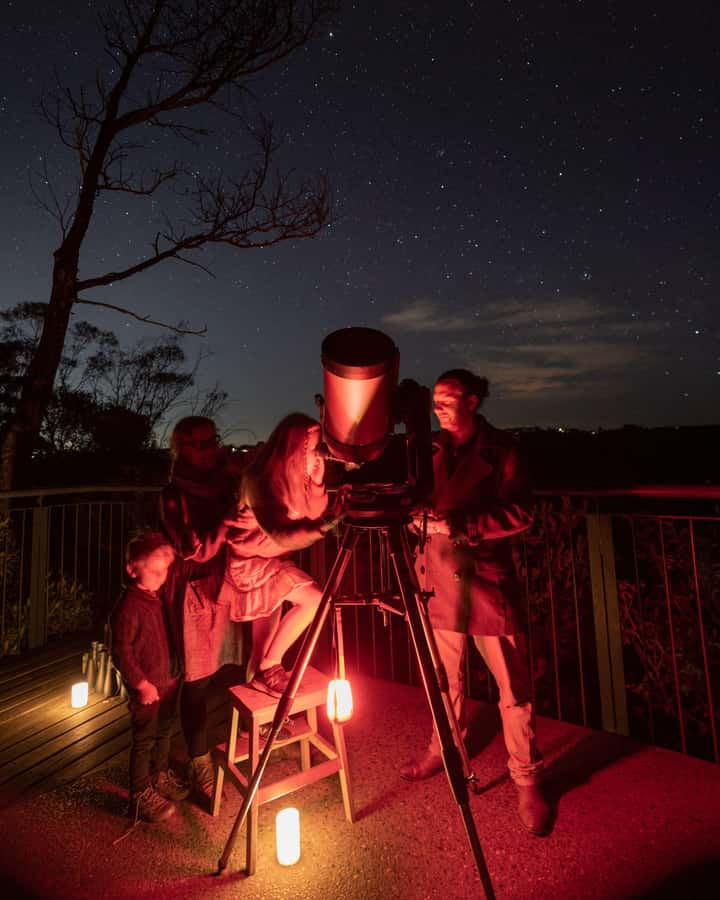
The tour includes Q&A with an astrophysicist-focused expert. That’s not filler time. This is where you can turn observation into understanding.
To get more out of it, come ready with questions that match what you’re seeing, like:
- What am I noticing about the pattern right now?
- Why does that object look different than the others?
- What should I look for next in the timeline of the night?
The best part of having a live expert is that you can ask for clarification on the spot. And since the evening covers both navigation through stars and constellation history, you can steer the conversation toward whatever type of curiosity you have—science, stories, or both.
The Milky Way, satellites, and the International Space Station possibilities
Even with a great sky, not every night produces the same “wow” moments. The tour is built to take advantage of what might appear.
Depending on the time of year, you may see:
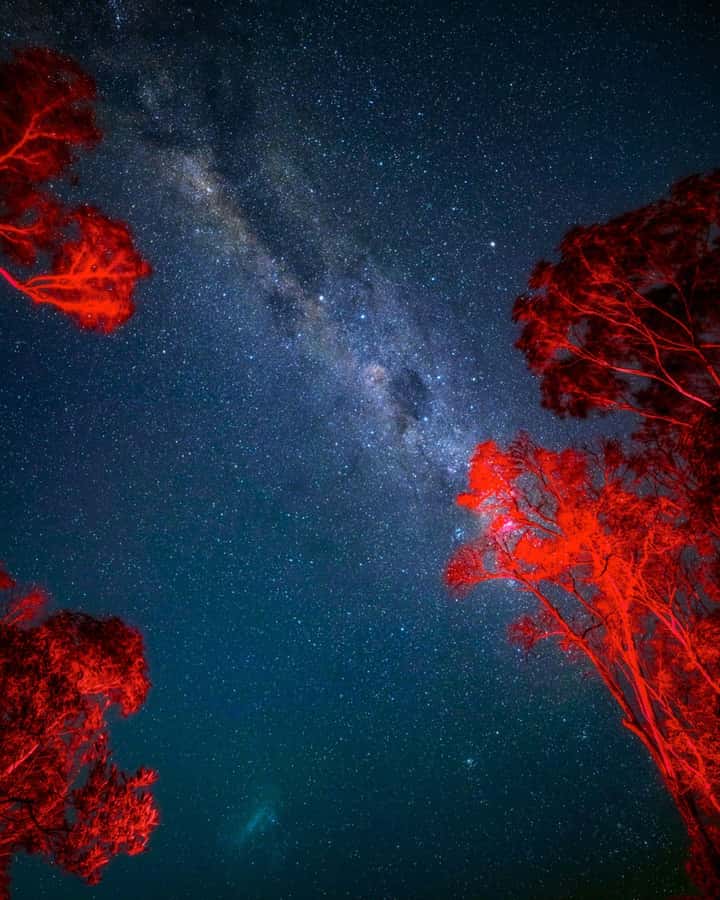
- The Milky Way
- Satellites
- The International Space Station
- Tiangong
- Shooting stars
A big takeaway for your planning: treat these as “possible highlights,” not guaranteed trophies. The sky controls the show. Your best move is to show up ready to look, listen, and adjust—because the guide is clearly set up for that flexible, night-by-night reality.
Comfort, group size, and practical stuff that affects the night
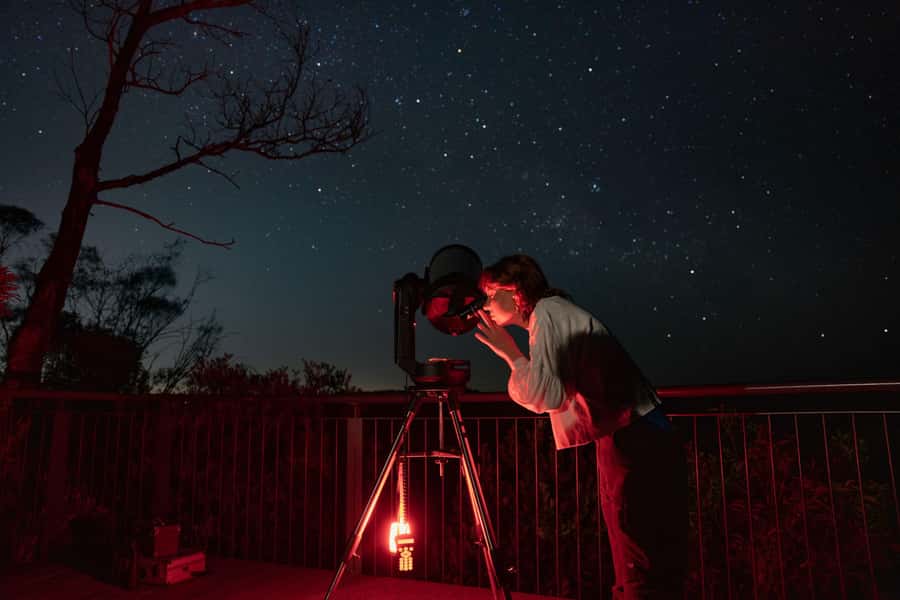
This tour caps at 20 participants. It also needs a minimum of 8 people to run. If you book when fewer than 8 people are signed up, you’ll be contacted 24 hours before the tour to confirm whether it will run. If the minimum isn’t met, you’ll receive a refund.
Group size matters because it affects how smoothly observing time works at the telescope. With up to 20 people, you should get a fair chance to look, especially since the tour includes both binocular viewing and telescope time rather than only one setup.
Also note the rules that protect the experience for everyone:
- No alcohol and no drugs
- Alcoholic drinks aren’t allowed in the vehicle
This matters more than it sounds. Dark-sky sessions work best when people can stay focused and the group stays quiet and calm.
Price and value: is $65 worth 90 minutes of stargazing?
At $65 per person for a 90-minute guided session, the value comes from what’s included—not just the location.
You’re paying for:
- An out-of-this-world 90-min stargazing tour with an astrophysicist
- State-of-the-art telescope viewing (season dependent)
- Astronomy binoculars
- Laser-guided constellation storytelling
- Q&A with the astrophysicist
- A complimentary night digital photography souvenir
The best way to judge value is to think about replacement costs. If you tried to do this yourself, you’d need equipment, a dark-sky plan, and the know-how to identify objects quickly. Here, the guide does the “translation work” so you spend time observing instead of troubleshooting.
On top of that, the inclusion of a digital night sky photo souvenir is practical. It gives you something to take home that matches the night’s theme, without needing to master astrophotography on your own.
Who this tour suits best in Jervis Bay
This is ideal if you want a guided night sky experience that mixes science and stories. You’ll likely get the most out of it if you’re:
- Curious about constellations and why different cultures saw the sky differently
- Interested in seeing a range of objects, from planets to deep-sky targets (when available)
- Happy to sit for short stretches and let the guide lead your attention
It’s also a good fit for families with kids who can stay engaged. Children must be above 6 years old. Tickets are separated for ages 6–15 as child tickets, and the tour isn’t listed as suitable for children under 6.
Two practical limitations to know upfront:
- It’s not dog-friendly
- It’s not wheelchair-accessible
And because it’s on a beach and designed for night observing, it’s also not set up for babies under 1.
Weather reality check: what happens if the sky won’t cooperate
Astronomy depends on the sky. If conditions are overcast, you’ll get an email cancellation notification at 3 pm on the day of the tour. The plan then is either:
- A credit valid for 3 years, transferable to other people, usable as a gift voucher for Jervis Bay or the Blue Mountains
- Or a refund, with 5% service fees non-refundable
If you’re booking around other plans, this flexibility helps. But it also means you should avoid stacking this tour at the top of a rigid schedule. You want your night to be able to breathe.
Should you book Vincentia: Jervis Bay Beach Stargazing with an Expert?
Book it if you want a night sky experience that’s structured and explained. I like that you get both the big-picture storytelling—constellations, star signs, navigation hacks—and the hands-on looking through binoculars and a telescope. The tour is built to help you actually identify what you’re seeing, not just admire the darkness.
Skip it or hesitate if you need a sure thing regardless of weather. Overcast can cancel the tour, and while the refund/credit options exist, you’re still tied to conditions at 3 pm that day.
If your goal is a guided, practical stargazing session in Vincentia with a real astrophysics-led approach and a keepsake photo, this one is easy to recommend. Just bring your curiosity, stay patient with the sky, and let the guide do the pointing.
FAQ
How long is the stargazing tour?
It runs for 90 minutes.
Where does the tour meet?
The exact meeting location is sent after booking, and it will be a beach in Vincentia.
How many people are in the tour?
The maximum group size is 20. The tour needs a minimum of 8 participants to run.
Can I book if fewer than 8 people sign up?
You can still book for fewer participants. If the tour doesn’t reach the minimum, you’ll be notified 24 hours before and you’ll receive a refund.
What can you see during the tour?
What you see depends on the time of year. Options listed include the Milky Way, satellites, the International Space Station, Tiangong, shooting stars, and targets like the Moon, Saturn’s rings, Jupiter’s moons, Mars, Venus, the Orion Nebula, star clusters, and some deep space objects.
Is the tour suitable for young children?
Children must be above 6 years old. The tour is not suitable for children under 6, and it also isn’t listed as suitable for babies under 1.
Is it dog-friendly or wheelchair-accessible?
It is not dog-friendly and not wheelchair-accessible.
What happens if it’s overcast?
If skies are overcast, you’ll get an email notification at 3 pm on the day of the tour. You’ll be offered a credit valid for 3 years transferable to other people (gift voucher for Jervis Bay or the Blue Mountains) or a refund with 5% service fees non-refundable.