REVIEW · FUNCHAL
Stargazing Tour on Madeira Island
Book on GetYourGuide →Operated by Madeira Fauna & Flora · Bookable on GetYourGuide
Madeira swaps sunshine for starlight. This 3.5-hour Madeira stargazing tour pairs a visit to Pico do Arieiro with guided telescope views of the Moon, planets, star clusters, and far-off galaxies. You’ll also get myth-and-constellation storytelling while you warm up with tea or chocolate.
I like that the experience focuses on the sky, not just the idea of stargazing. High-quality observation equipment makes it easier to spot details like Moon craters and planet features, and the whole thing is wrapped in blanket-and-hot-drink comfort so you stay relaxed during the long looks. The guides also keep the explanations moving, which matters when you’re freezing and trying not to fumble with your seat or jacket.
One thing to think about: this is an outdoor nighttime activity. Madeira nights can feel a lot cooler than daytime, so you’ll want your windbreaker and jacket and comfy clothing ready to go.
In This Review
- Key things to know before you go
- How the 3.5-hour flow really feels (pickup to telescope)
- Pico do Arieiro: why start at a famous peak
- What you’ll see through the telescopes (and what each target does for beginners)
- Deep space views beyond our galaxy: galaxies, nebulae, and clusters
- Blankets, hot tea or chocolate, and the guide stories that make it stick
- Price and value: is $70 worth a short night tour?
- Pickup, van spotting, and where the tour operates
- Who should book this stargazing tour on Madeira
- Quick FAQ on the Madeira stargazing experience
- FAQ
- What’s included in the stargazing tour?
- How long is the tour?
- Where are the pickup and drop-off locations?
- What will I be able to see?
- Is there a guide, and what languages are offered?
- What should I bring for nighttime viewing?
- Are pets or alcohol allowed?
- Should you book this Madeira stargazing tour?
Key things to know before you go
- Pico do Arieiro first, then the sky: you’ll get a guided stop at one of Madeira’s most famous peaks before telescope time
- Top observation equipment included: telescopes and observation material are part of the experience, not an extra add-on
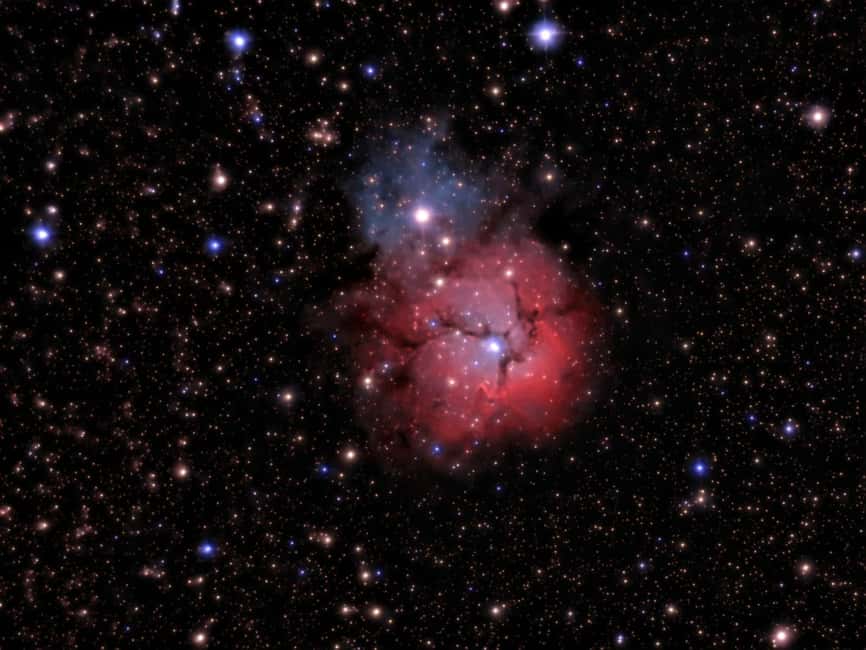
- Moon, planets, and deep-sky objects: expect views ranging from lunar craters to galaxies, nebulae, and star clusters beyond our galaxy
- Blankets and warm drinks: tea or chocolate helps you stay comfortable while you stare upward
- Pickup and drop-off from Funchal and Caniço areas: three pickup points, with a white van marked for Madeira Fauna & Flora
- English and Portuguese live guide: plus some content that may be shown in its original language
How the 3.5-hour flow really feels (pickup to telescope)
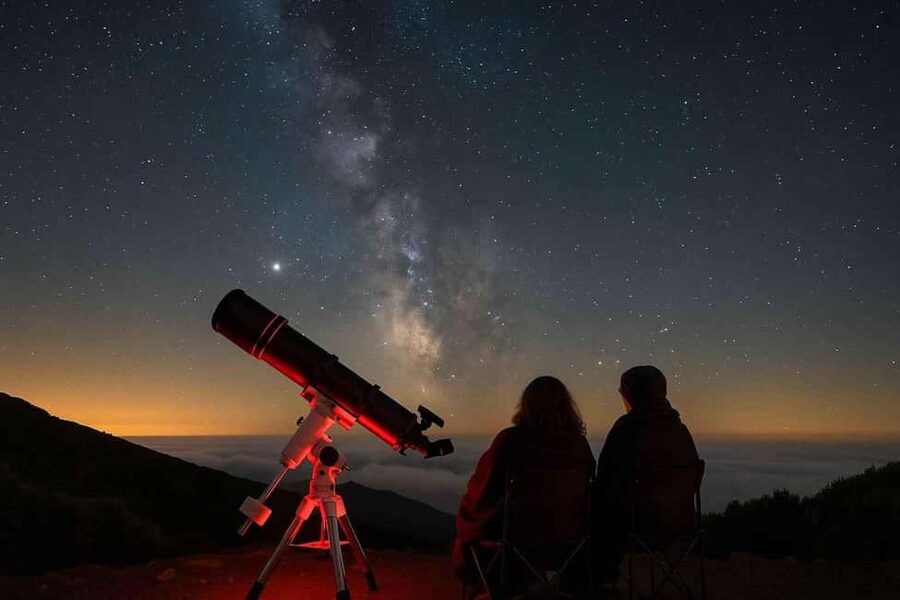
This is a short, focused night outing. You’re picked up from one of the planned areas, driven to the activity spots, and then brought back after the viewing session, keeping your evening from turning into a half-day logistics puzzle.
You’ll get a guided rhythm: a peak stop for context, then time at the telescopes for specific targets. The structure matters because stargazing is slower than sightseeing on foot. If you’ve ever tried to learn the sky alone, you know how quickly you lose time; here, your guide keeps the session moving so you’re not just standing around waiting for your eyes to adjust.
The pace is also friendly for first-timers. The tour blends viewing with stories about constellations and mythology, so you’re learning while you’re looking. That mix is a big reason people leave with that wow feeling, since you’re not only seeing objects—you’re understanding what you’re seeing.
Finally, the included coffee break and the hot tea or chocolate help you last through the cool parts without rushing. For a 3.5-hour tour, it’s a smart way to keep comfort and attention aligned.
Pico do Arieiro: why start at a famous peak
Pico do Arieiro isn’t here just for a quick photo moment. Having a guided stop at this well-known Madeira peak helps you set the scene before you switch into “astronomy mode.”
First, it changes your perspective of the island. Madeira is all about height and views, and starting with a peak reminds you you’re on a volcanic island with dramatic terrain. Even if your main goal is the stars, that “we’re in the right place” feeling makes the later sky time more satisfying.
Second, the guided approach gives you context. Stargazing is easier when you understand where you are, what conditions matter, and why the plan for the night is built the way it is. That’s not flashy, but it makes the telescope targets feel more meaningful.
The only drawback is what you already know about peak visits at night or during cooler times: you’ll want layers and care with footwear. This tour requires comfortable clothing suitable for temperatures that are lower than normal, and you should plan accordingly even during the peak portion.
What you’ll see through the telescopes (and what each target does for beginners)
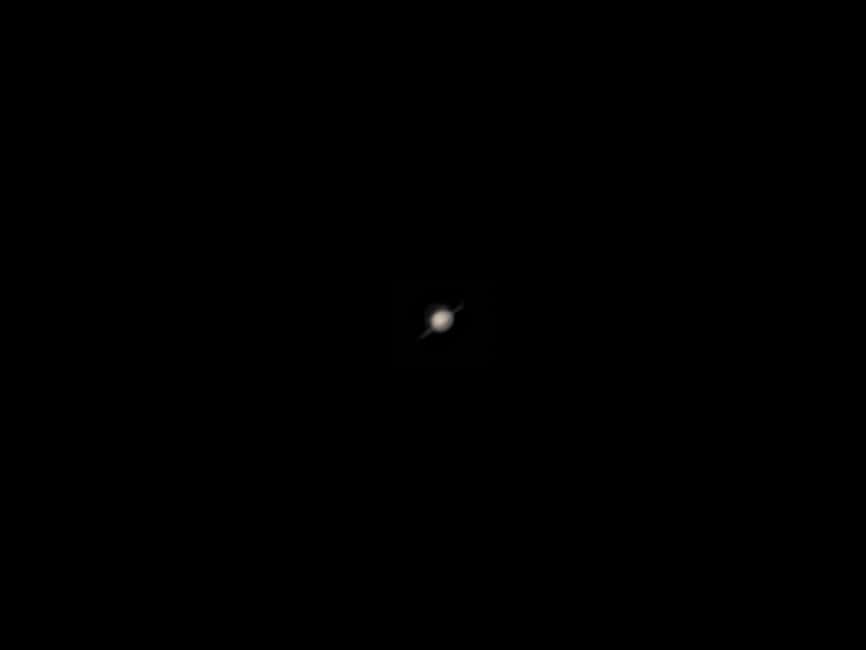
This tour isn’t vague “look at some stars.” The viewing list is specific, and that’s where the value is. You’ll observe the Moon’s craters, the planets in our solar system and their distant moons, and then move outward to stars, star systems, and brilliant star clusters.
For most people, the Moon is the fastest confidence builder. Once you see craters through a telescope, it stops being just a bright circle in the sky and becomes a real surface with texture. That makes the rest of the session feel more “real,” not imaginary.
Planets and moons add the next step: you begin to understand how our solar system is structured. You’re not just seeing points of light; you’re seeing the idea of bodies orbiting and how telescopes reveal shape and separation you can’t get with the naked eye.
Then you move into stars and star systems. This is where your guide’s storytelling helps. When someone connects a target to what you’re supposed to look for—constellations, myths, and how those patterns were used—you start recognizing parts of the sky on your own, long after the tour ends.
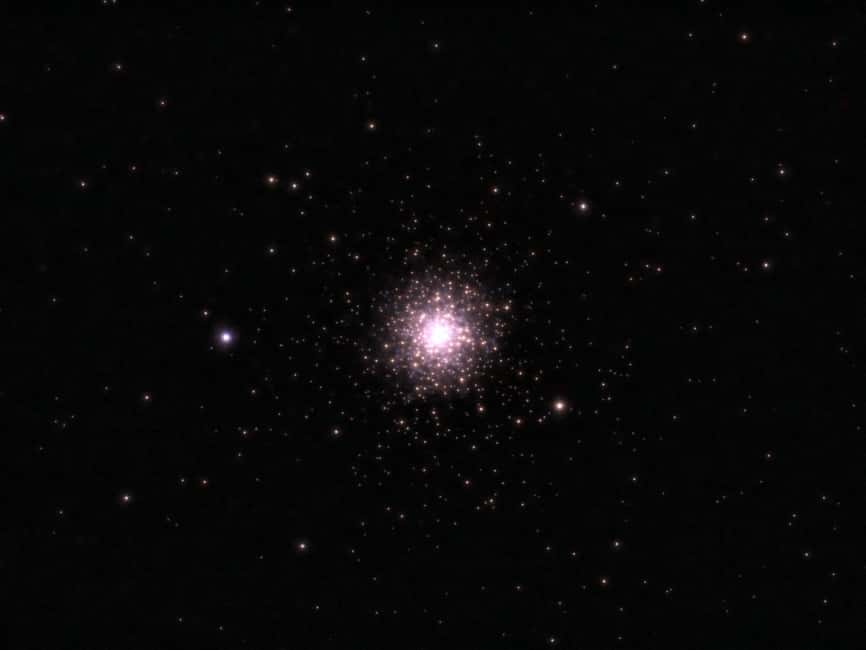
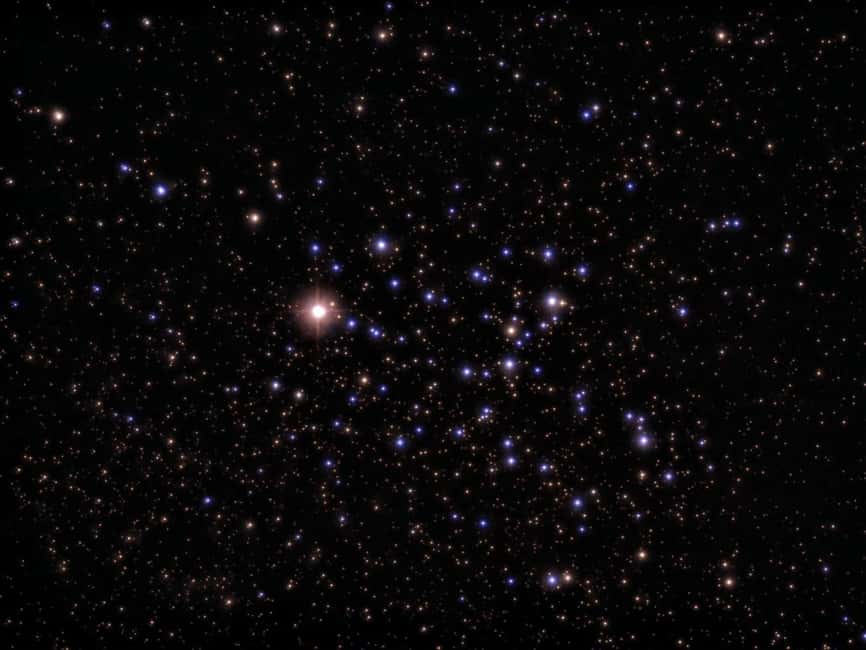
Finally, star clusters are a great mid-session treat. Star clusters can look like they’re “sparkling more,” and they show how dense space really is, even in a small patch of night.
A practical note: stargazing takes concentration. Wear something warm enough that you won’t spend the whole session thinking about your hands. You’ll see more when you’re not distracted by the cold.
Deep space views beyond our galaxy: galaxies, nebulae, and clusters
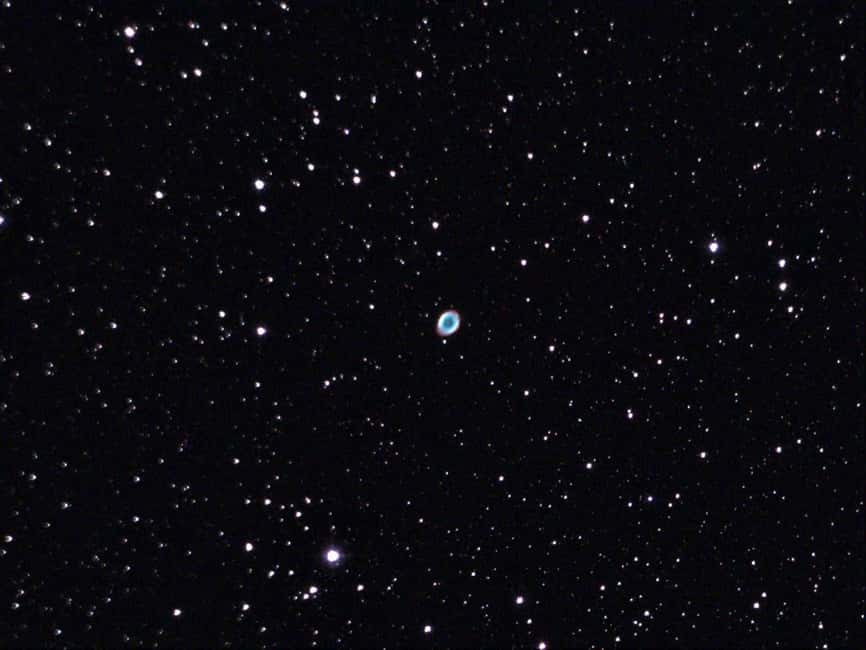
The tour’s second viewing phase focuses on deep-sky objects using a special deep-sky telescope. This is where the experience shifts from “cool astronomy basics” to “space gets huge fast.”
You’ll observe objects like galaxies, nebulae, and star clusters located beyond our galaxy. That phrasing is the key. You’re not just learning about far-away space—you’re using a telescope to actually look at targets that represent enormous distances.
The guide frames it as traveling millions of light-years through the telescope. In plain terms, you’re seeing light that left those objects long ago. That’s why the session can feel emotional for people who didn’t think they’d care this much. It turns space into something time-based, not just visual.
Deep-sky objects also reward a guide’s direction. Telescopes have limits, and your eyes need time and focus. When you’re told what to watch for, the difference between a frustrating view and a satisfying one is huge.
If you’re coming from the “I want a once-in-a-lifetime look at the sky” mindset, this part is the payoff. It’s also the part that makes the $70 price feel less like a sightseeing ticket and more like an astronomy session with real equipment.
Blankets, hot tea or chocolate, and the guide stories that make it stick
One reason this tour works for beginners is that it doesn’t separate comfort from learning. You’ll be snuggled up in a blanket, and there’s hot tea or chocolate to keep the session pleasant while you wait for your eyes to adjust.
That comfort is practical. When you’re warm, you’re more patient. You stay in place long enough for the guide to explain what’s coming next, and you’re less likely to miss the moment when a target becomes clear.
Then there are the stories: constellations, mythology, and space facts that connect the sky to human culture. You might not remember every technical detail later, but you’ll likely remember the “hook.” For example, if someone tells you why a constellation got its name, you’ll start seeing the pattern instead of just staring at random dots.
English and Portuguese live guidance is a plus, especially in a mixed-language group. Just note that some content can be shown in its original language, so if you’re relying on language 100%, mentally prepare for a few moments where visuals do the talking.
Also, the experience is designed so you can ask questions without breaking the flow. One review noted that an early explanation about a strange light helps reduce people calling out questions mid-session. That’s a small timing detail, but it points to something important: if you’re curious about any lights or equipment behavior, asking right away is the best way to keep your focus on the sky.
Price and value: is $70 worth a short night tour?
At $70 per person for about 3.5 hours, the value is mostly about what’s included. You’re paying for telescope time with observation material, plus pickup and drop-off in the planned areas, and a coffee break.
If you tried to do this on your own, you’d quickly spend time solving the hardest parts: where to go, how to get there at the right time, and how to handle the equipment and guidance. Stargazing isn’t just “find a dark spot.” It’s choosing targets, keeping your eyes steady, and having the right tools.
So instead of thinking about the price as a ticket for a van ride, think of it as paying for access to real viewing equipment and a guided setup that turns the sky into a planned lesson. For many visitors, that shift—from random looking to guided viewing—is the difference between a nice night and a memorable one.
The comfort additions—blankets and warm drinks—also keep the experience feeling complete. You’re not stuck paying extra for basic warmth after you already paid for transport and access.
Pickup, van spotting, and where the tour operates
This tour is built around pickup and drop-off in the Funchal and Caniço areas. You’ll have three pickup options: Funchal, Luso Árabe, and Câmara De Lobos. Drop-off is at those same three locations.
To find the meeting vehicle, look for a white van with the Madeira Fauna & Flora logos on the outside. That small detail matters at night, when your brain is already tired and it’s harder to read signage.
One practical caution: transfers outside the Funchal and Caniço areas aren’t included. If you’re staying farther away, plan for getting to one of the pickup points on your own so you don’t end up scrambling.
Also check what the tour allows inside the vehicle and during the activity. No smoking in the vehicle, no alcohol and drugs, and no pets (assistance dogs are allowed). They also prohibit sharp objects and weapons, and they ask you not to make fire or litter. It’s a standard safety and comfort list, but it’s worth knowing before you pack.
Who should book this stargazing tour on Madeira
I think this tour is a great fit if you want stargazing without running the whole operation yourself. It’s especially good for:
- First-time stargazers who need clear guidance for what to look for
- People who want a short evening activity with pickup and drop-off included
- Anyone who likes learning through stories, not just through facts
- Couples and small groups who want a calm, focused night rather than a rushed sightseeing circuit
It might be less ideal if you hate cold weather, because you’ll be outdoors and you’re expected to dress for lower-than-normal temperatures. It’s also not a good match if you’re traveling with unaccompanied minors, since unaccompanied minors aren’t allowed.
And if you’re expecting total freedom to wander—this isn’t that. It’s a guided telescope session. That’s part of the point, but it helps to know what kind of experience you’re buying.
Quick FAQ on the Madeira stargazing experience
FAQ
What’s included in the stargazing tour?
You get observation material, a coffee break, and the pickup and drop-off service in the Funchal and Caniço areas.
How long is the tour?
The duration is 3.5 hours.
Where are the pickup and drop-off locations?
Pickup and drop-off are available in Funchal, Luso Árabe, and Câmara De Lobos.
What will I be able to see?
You’ll observe the Moon’s craters, planets of the solar system and their distant moons, plus stars, star systems, star clusters, and deep-space objects like galaxies and nebulae using a deep-sky telescope.
Is there a guide, and what languages are offered?
Yes, there’s a live tour guide. Languages are English and Portuguese, and some content may be shown in its original language.
What should I bring for nighttime viewing?
Bring a windbreaker and a jacket, and wear comfortable clothing suitable for cooler temperatures.
Are pets or alcohol allowed?
Pets are not allowed, though assistance dogs are allowed. Alcohol and alcoholic drinks in the vehicle aren’t allowed.
Should you book this Madeira stargazing tour?
If your goal is a guided night sky experience with real equipment and clear targets, I think this one is a strong choice. The blend of Moon-to-deep-space telescope viewing, warm drinks, blankets, and pickup makes it feel easy to do and satisfying to remember.
I’d book it if you’re in Funchal or Caniço and you want to spend a few hours under dark skies without planning routes, driving times, or astronomy gear. Skip it only if cold nights put you off, or if your group doesn’t fit the basic rules like unaccompanied minors or pets.