REVIEW · VILA NOVA DE GAIA
Exclusive visit to the Astronomical Observatory of Gaia
Book on GetYourGuide →Operated by Porto Secret Spots · Bookable on GetYourGuide
A roof that opens to the heavens makes this stop feel different fast, even before the tour starts. You’ll learn how Gaia’s Astronomical Observatory uses a rare instrument to study the sky with serious precision, and it’s all wrapped in a short, friendly visit led by enthusiastic Physics students from the Faculty of Sciences.
Two things I really like: the unusual building with a roof that slides open for observing the sky, and the focus on the history and mechanics of measuring time in a place actually designed for it. One thing to keep in mind: this visit is set up for a daytime-style experience, so if you’re hoping for night-time telescope viewing, you may be disappointed.
In This Review
- What makes it worth your time (and where to be realistic)
- Key points to know before you go
- Entering the observatory on Monte da Virgem
- The Mirror Meridian Circle: how the building helps you measure time
- The 60-minute flow: walk in, guided physics, walk out
- What you learn about time: from sky events to clocks
- Guides who teach like they care (not like they recite)
- Price and value: €17 worth it for a one-hour science stop
- A quick reality check on night-time stargazing
- Practical rules you’ll want to plan around
- Who should book this observatory visit
- Should you book the exclusive visit to the Astronomical Observatory of Gaia?
- FAQ
- How long is the visit to the Astronomical Observatory of Gaia?
- What does the tour include?
- Where is the observatory located?
- How much does it cost?
- Is the tour suitable for children?
- Are photos or videos allowed?
- What languages is the tour offered in?
- Is it possible to cancel if my plans change?
- Can I book without paying immediately?
What makes it worth your time (and where to be realistic)
This is the kind of tour that works even if you’re not a science person. The guide explains the why behind the equipment, not just the what, and the whole thing stays human-scale: 60 minutes, English, and plenty of chances to ask questions.
Still, there’s a practical consideration. The observatory’s most special work involves observing carefully—yet feedback points out that night observations and using the telescope after dark may not always be available.
Key points to know before you go
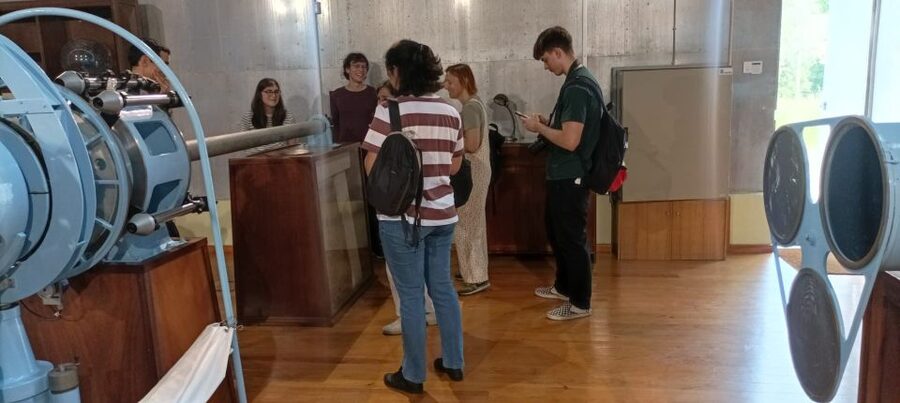
- A roof that opens to the sky: you’re literally inside an observation tool, not just looking at one.
- The Mirror Meridian Circle: a rare instrument used to track stars as they pass the local meridian.
- Designed for astronomy training: created in 1948 to support studies connected to the Faculty of Sciences.
- A sliding-roof semi-cylindrical observatory: built for precision, not comfort-first sightseeing.
- Physics student guides: you get energy and explanation aimed at real understanding, in English.
Entering the observatory on Monte da Virgem
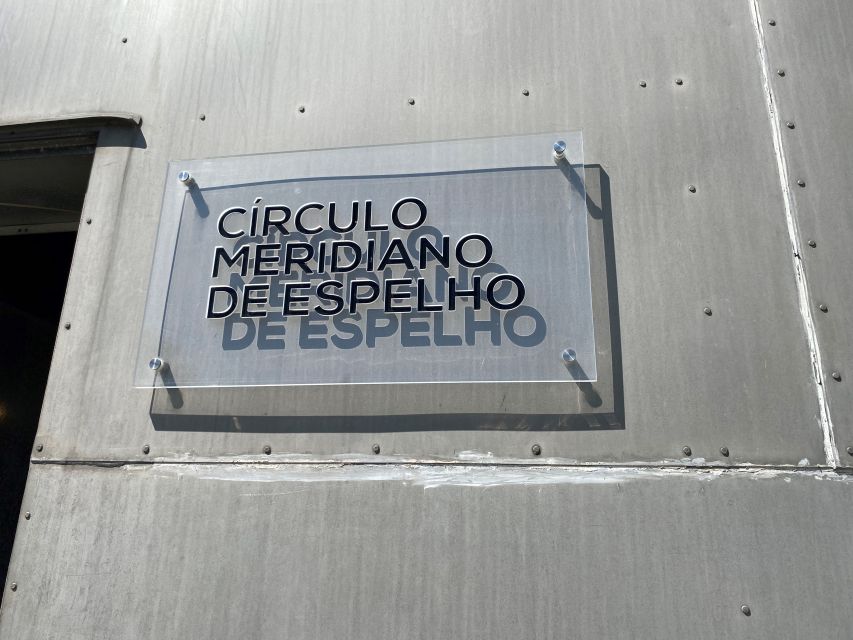
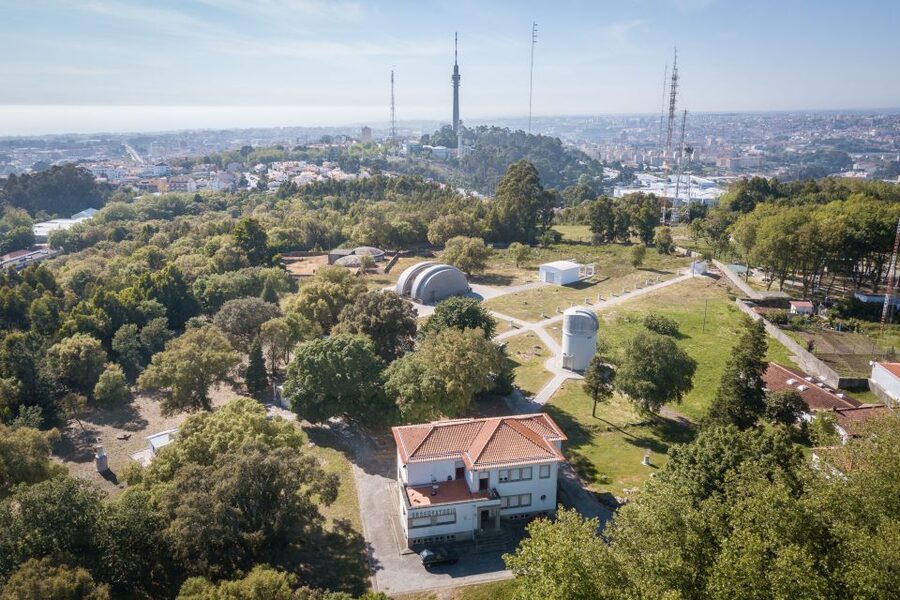
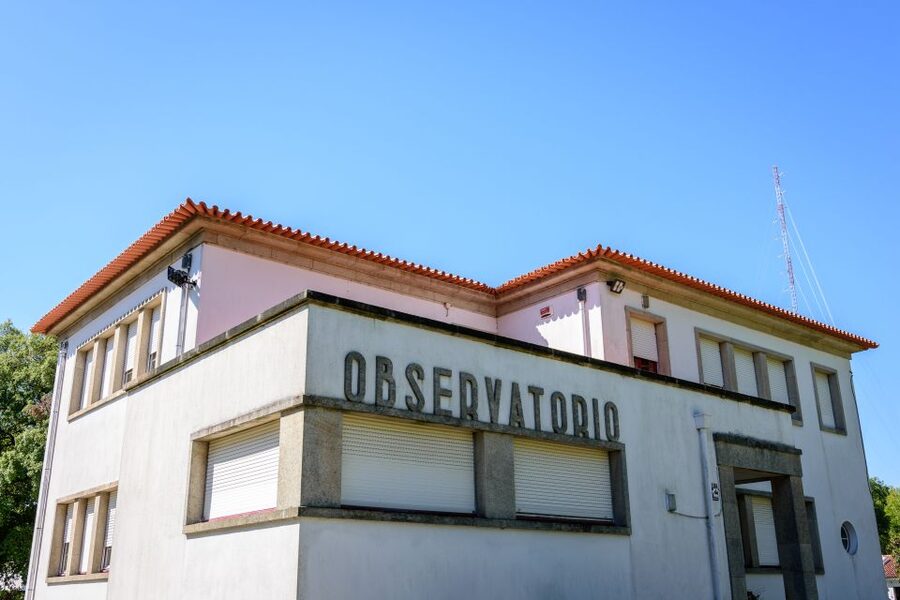
Gaia has a discreet astronomical stop at the top of Monte da Virgem: the Astronomical Observatory. You’ll meet at 4430-146 and then do a short 5-minute walk up to the building. That walk matters. It helps you shed the day-tour mindset and start seeing the visit as something more like a working site than a museum room.
Once you arrive, the first thing you notice is the building’s design. This isn’t a classic dome that hides everything. It’s a semi-cylindrical structure with a roof that slides out of the way so you can observe with the sky overhead. It gives you an immediate feel for the purpose: this place is built to measure what the sky does, at the right moment, from a specific point.
The visit itself is timed and compact: you’ll spend about 30 minutes with a live English guide, then you’ll do the second 5-minute walk back. That structure is a benefit if you’re combining activities in Northern Portugal. You get a concentrated science experience without eating your whole afternoon or day.
The Mirror Meridian Circle: how the building helps you measure time
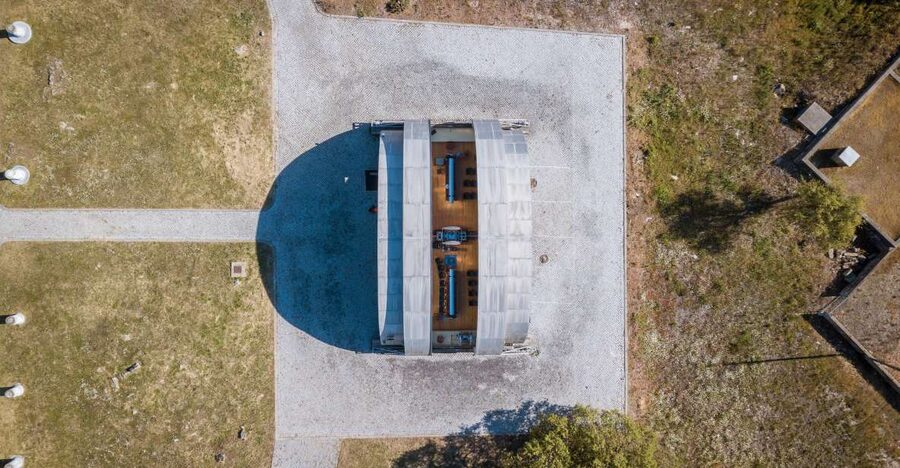
The observatory’s story starts in 1948, created to complement astronomy studies at the Faculty of Sciences. About nine years later, the site added its most notable instrument: the Mirror Meridian Circle.
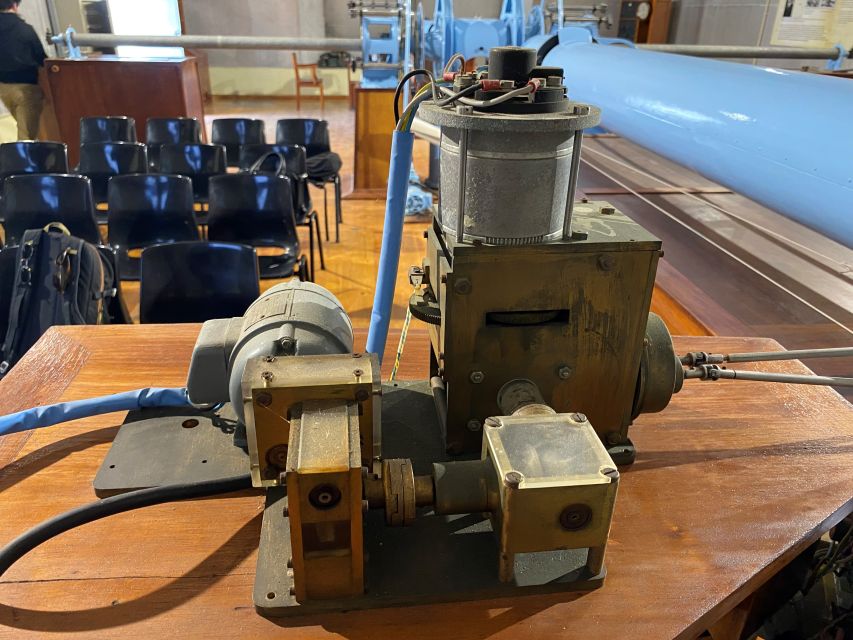
This instrument is the star of the show, and the details you’ll hear are the point. A meridian circle is all about using the sky’s apparent motion—especially how stars cross the meridian line at a known location—to get precise measurements. The guide will explain how the device supports that work, and why the building’s design is part of the accuracy.
The Mirror Meridian Circle sits in a semi-cylindrical building where the roof slides. That sliding roof isn’t just architectural drama. It lets the observatory open to the sky when observations need to happen, while keeping the equipment protected when it isn’t in use. In plain terms: the observatory is engineered to help the measurement stay consistent.
And here’s what I find genuinely interesting for your travel brain: this is a place dedicated to a human obsession—time. Not time as in your phone clock, but time as in the long, careful work of determining when events happen in the sky. That’s how observatories helped humans build calendars, refine navigation knowledge, and improve how we interpret the universe.
One more detail that makes this tour feel special: the Mirror Meridian Circle is rare. The observatory has one of these instruments, and there are only two more in the world. That global rarity changes the value. You’re not just visiting a local attraction; you’re seeing something uncommon, even by astronomy standards.
The 60-minute flow: walk in, guided physics, walk out
The schedule is simple, and that’s good. Here’s how the experience plays out on your clock:
1) Arrive and walk (5 minutes)
You move from the meeting point to the observatory. Expect a short uphill feel on Monte da Virgem. It’s not described as a long hike, but it’s enough to make you notice the setting.
2) Guided tour (about 30 minutes)
This is the core. The guide explains the observatory’s creation in 1948, the arrival of the Mirror Meridian Circle nine years later, and how the sliding-roof setup supports precise observation of stars as they pass the local meridian.
This is also where you’ll get the most useful “interpretation” part of the tour: how the equipment’s mechanisms helped humans tell time across different eras, and what those same tools mean in a modern context. The tour specifically raises a question about the observatory’s telescopes—what they were used for back then and what they do now—and the guide’s job is to connect those dots for you.
3) Walk back (5 minutes)
You end where you started, easy and clean.
Why this matters for you: when a tour is only one hour, the quality depends on focus. Here, the focus is physics students, time-measuring tools, and the building’s rare design. You’re not stuck listening to a long lecture. You’re learning the why behind a specific piece of equipment—and then you leave with a clearer mental model of how observatories work.
What you learn about time: from sky events to clocks
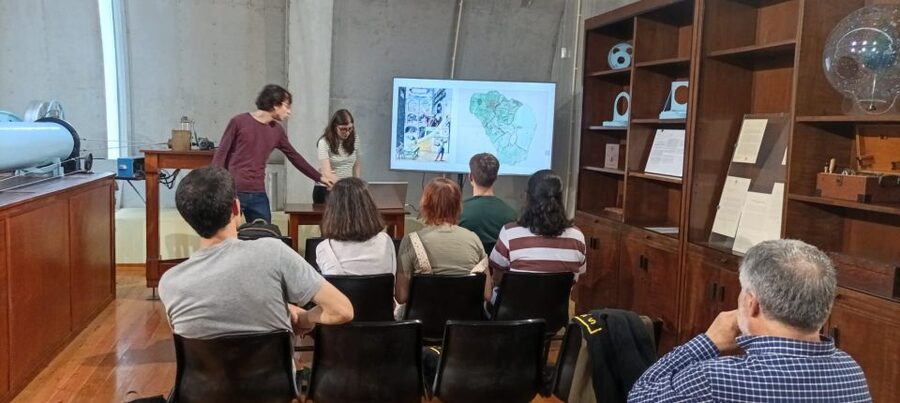
You’ll hear the history of time in a very literal way. This isn’t a generic talk about clocks. It’s about how astronomers measure time by tracking the sky—especially the predictable way stars move and how instruments use that motion.
The tour framing makes a lot of sense: the observatory was created to support astronomy education, and the Mirror Meridian Circle was added soon after. That timeline tells you this was built not only to observe, but to teach methods that rely on accuracy. When someone builds an instrument for measuring the sky, they’re also building a system for repeating measurement across nights, seasons, and generations.
During your guided visit, you’ll also learn about the mechanisms that help us “tell time through the times.” That wording points to a deeper idea: the sky provides reference points, but humans still have to turn observation into usable timekeeping. The observatory’s equipment and layout are designed to make that transformation more reliable.
And the telescopes question is more than trivia. If you come away wondering what has changed and what hasn’t, that’s a good outcome. It means you’re thinking like the engineers and astronomers who had to adapt tools to new goals while staying grounded in measurement fundamentals.
Guides who teach like they care (not like they recite)
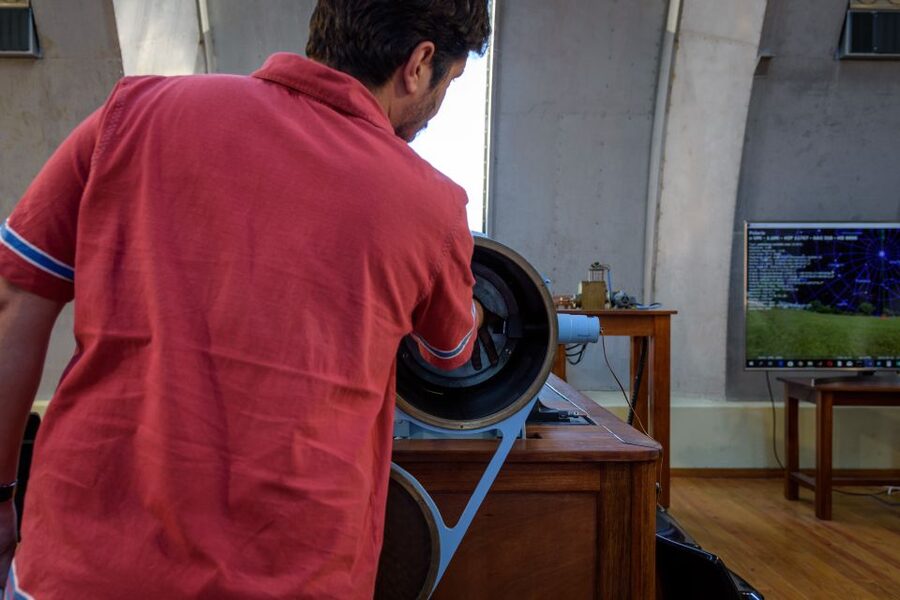
The guides are Physics students from the Faculty of Sciences, and you can feel the difference when the explanation has energy. In the feedback connected to this visit, one of the most praised parts is the passion shown during the tour. That matters because astronomy tools can feel intimidating if you only get surface-level facts.
Here, the guide is there to translate. They connect the building, the instrument, and the measurement concept into something you can actually grasp in one hour. You’re not expected to have an astronomy background. You’re expected to leave with a clearer sense of how the observatory works and why its design is so specific.
Small practical note: you’ll be in English, and the visit is intentionally short. If you want to ask questions, do it early enough that you don’t run out of time.
Price and value: €17 worth it for a one-hour science stop
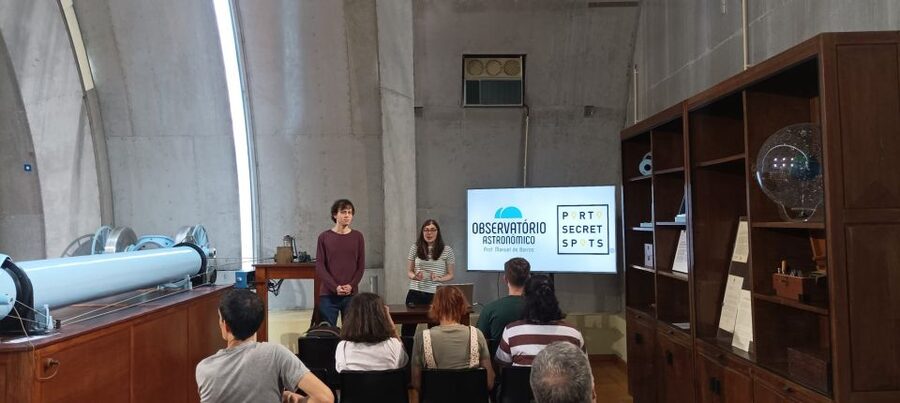
At $17 per person for about 1 hour, this doesn’t feel like a big splurge. What pushes it into “good value” territory is that you’re paying for three things at once:
- Access to a rare kind of instrument (only two more worldwide)
- A building designed for precise observation, including the sliding roof
- A guided explanation in English led by Physics students
If you’ve ever paid for an attraction where the explanation feels thin, you’ll recognize the difference here. This is a focused visit tied to one clear object: the Mirror Meridian Circle and the observatory’s design for measuring the meridian passage of stars. For $17, that specificity is the value.
One more value angle: if you’re in the Norte Region and you want something that feels authentic and local, this fits well. It’s not a generic “look at a viewpoint” stop. It’s a working science space with a strong sense of purpose.
A quick reality check on night-time stargazing
This is the part I’d treat as your decision filter.
The observatory experience is built around careful observation, and the equipment is designed for that. But feedback connected to this activity notes that the equipment may not be available for night-time observations, and at least one person wished they could use the telescope at night.
So here’s my practical advice: if your main goal is dark-sky stargazing after sunset, don’t book this assuming that will automatically happen. If your goal is learning how time and star positions are measured using a unique instrument and a roof-opening observatory, then you’re in the right place.
Practical rules you’ll want to plan around
The visit includes real restrictions, and they’re there for a reason. Remember:
- No flash photography
- No video recording
- The experience is not suitable for children under 12
Also, since it’s an hour-long guided tour with walking before and after, dress for comfort. Even if the walk is short, you’re going to be near outdoor air and open sky, depending on weather.
Who should book this observatory visit
This tour suits you if:
- You like science when it’s explained clearly, not buried in jargon
- You’re curious about how humans turned the sky into timekeeping
- You want a compact activity with a rare instrument and a unique building design
It’s less ideal if:
- You need a kid-friendly outing under 12
- You specifically want guaranteed night telescope viewing
Should you book the exclusive visit to the Astronomical Observatory of Gaia?
I’d book it if you want a short, meaningful science stop that feels grounded and real. The Mirror Meridian Circle, the sliding-roof observatory, and the idea of learning time-measurement from the sky all point to a tour with a clear purpose. At $17 for about 60 minutes in English, it’s priced like an accessible experience—yet the rarity of the instrument gives it real weight.
Just go in with the right expectations: treat this as an educational observatory visit, not a guaranteed night-stargazing session. If you’re good with that, you’ll likely find it a smart, different use of time in Gaia.
FAQ
How long is the visit to the Astronomical Observatory of Gaia?
The visit lasts about 60 minutes total.
What does the tour include?
You get a guided tour in English, focused on the observatory, its history, and how it measures time using its instruments.
Where is the observatory located?
It’s in Gaia, in the Norte Region of Portugal, at the top of Monte da Virgem.
How much does it cost?
The price is $17 per person.
Is the tour suitable for children?
No. It is not suitable for children under 12.
Are photos or videos allowed?
You can’t use flash photography and you can’t do video recording.
What languages is the tour offered in?
The visit is offered in English.
Is it possible to cancel if my plans change?
Yes. You can cancel up to 24 hours in advance for a full refund.
Can I book without paying immediately?
Yes. The experience offers reserve now & pay later to keep plans flexible.