REVIEW · HANMER SPRINGS
Hanmer Springs: Guided Stargazing Tour
Book on GetYourGuide →Operated by Manuka Skies · Bookable on GetYourGuide
The stars feel close. In Hanmer Springs, I love how this small-group stargazing tour pairs myth-and-constellation stories with real night-sky observing in a dark-sky native forest spot. You start by learning the patterns overhead, then switch to telescopes that reveal targets you can’t see with the naked eye.
My other favorite part is the hands-on vibe: you get guidance for telescope viewing and also time to explore with astro binoculars and an interactive star finder. The one big consideration is weather and cold—this experience depends on clear sky, and you’ll want proper wind-proof layers because the setting is outdoors.
In This Review
- Key points you’ll care about
- Meeting Point and the Two-Hour Flow from Hanmer Springs
- Before the Telescopes: Hot Drinks, Blankets, and a Dark-Sky Mindset
- Naked-Eye Navigation: Finding the Southern Cross and Getting Your Bearings
- Electonically Guided Telescope Time: Omega Cluster and Sombrero Galaxy
- Manual Telescopes, Astro Binoculars, and Free-Roam Practice
- What You Learn (and What You’ll Actually Remember)
- Price and Value: Is $77 Worth It?
- Who This Tour Fits Best (and Who Might Want Another Option)
- Should You Book This Hanmer Springs Guided Stargazing Tour?
- FAQ
- How long is the Hanmer Springs guided stargazing tour?
- Where does the shuttle pickup happen?
- What time does the tour usually start?
- What equipment is included?
- Are drinks and snacks provided?
- Do I need to bring anything?
- What can I see during the tour?
- What if the weather is poor?
Key points you’ll care about
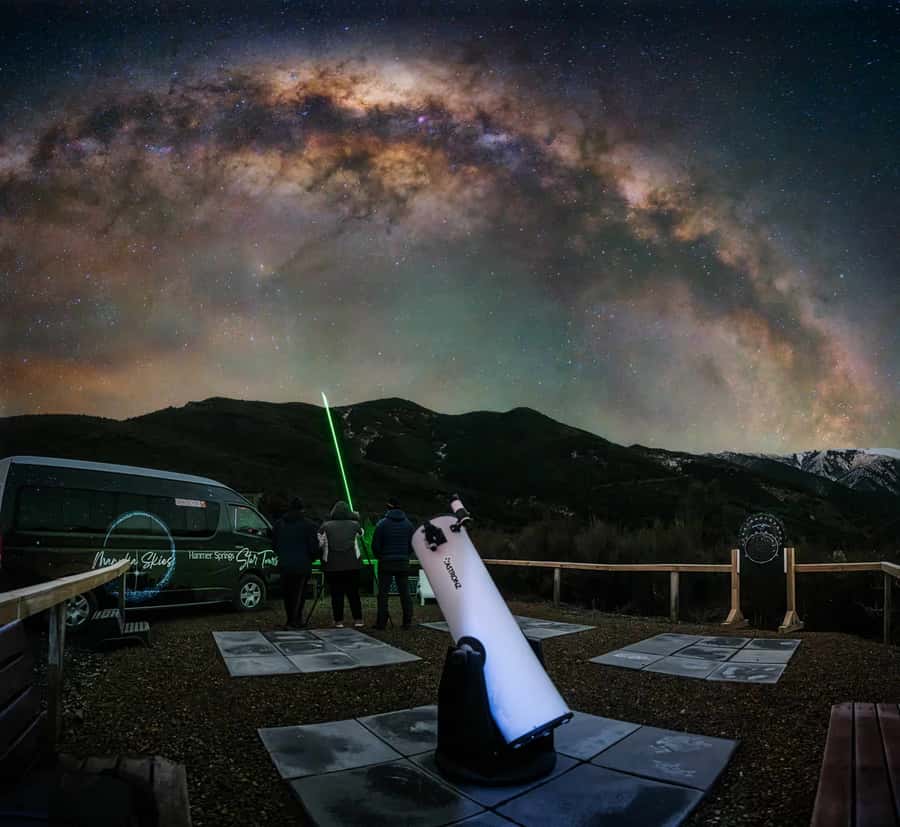
- Two-hour outing with shuttle pickup from Hanmer Springs Village, so you don’t have to drive or guess where to go.
- Start with naked-eye navigation, including famous southern patterns like the Southern Cross.
- Electronics-guided telescope viewing for deep-sky objects such as the Omega Cluster and Sombrero Galaxy.
- Lounge-first observing with blankets, warm drinks, and astro binoculars set up for comfortable sky time.
- Manual telescopes plus free-roam time, so you can test your bearings instead of just watching.
Meeting Point and the Two-Hour Flow from Hanmer Springs
This tour runs on a tight, easy schedule—about 2 hours total from pickup to drop-off. You’ll catch the included shuttle from the bus and shuttle stop on Jacks Pass Road, outside the public toilets, and right next to the Thermal pools. If you’re driving in, there’s adjacent parking at that same pickup point.
Your start time depends on the season. In winter, tours typically begin around 7:30 PM, while summer often means a later start around 10:00 PM. Either way, the timing matters because you want your sky orientation to happen while it’s dark enough to spot constellations and then keep your eyes adjusted for telescope viewing.
This is also a limited-to-10-participants format. That size is big enough for a fun group energy, but small enough that your guide can keep an eye on whether you’re actually finding things in the sky.
Before the Telescopes: Hot Drinks, Blankets, and a Dark-Sky Mindset
The tour starts with a shuttle ride into a local dark sky viewing area. Once you arrive, you’re greeted with hot drinks and snacks, plus blankets and lounge chairs. It’s not just comfort fluff; it’s smart planning. When you’re lying back for sky viewing, you stay warmer and you can focus on the night instead of rushing to warm up every few minutes.
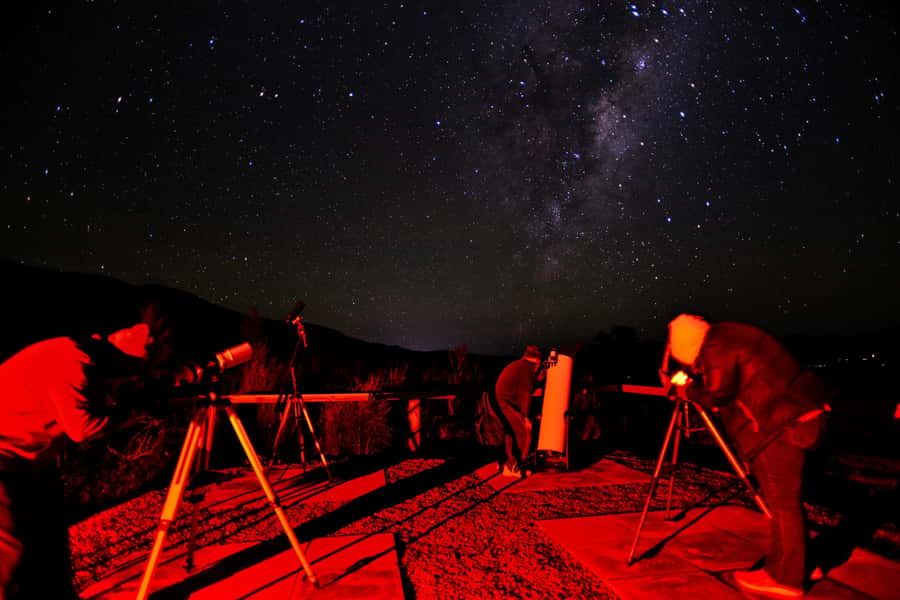
You’ll also get a complimentary red-light torch. That’s a small detail with a big payoff: red light helps you preserve night vision, which makes constellation spotting and star tracking much easier.
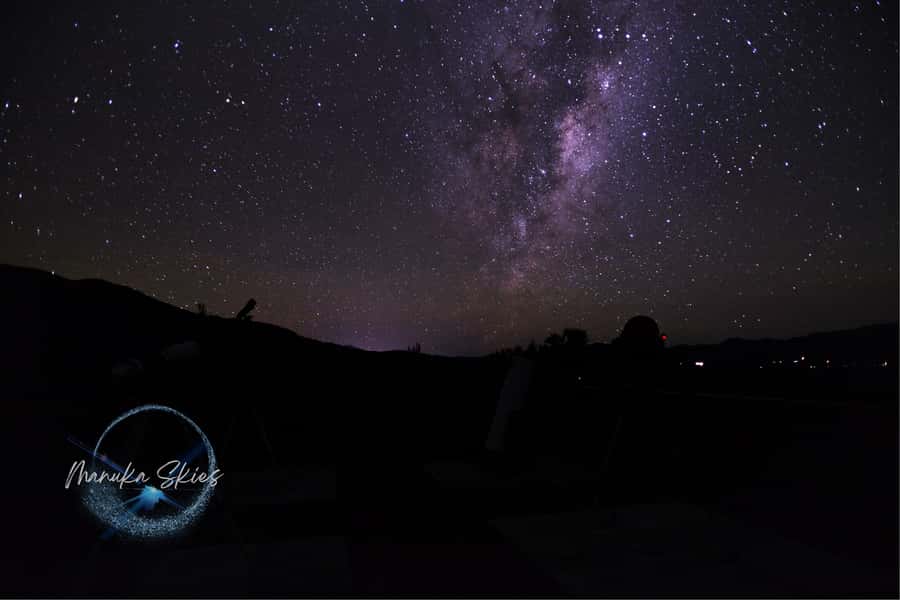
The location itself is a key part of the experience. You’re observing from a spot surrounded by native forest, so you’re in a darker, quieter setting than you’d get in town. That makes the sky feel more dramatic, even if you’re new to astronomy.
Naked-Eye Navigation: Finding the Southern Cross and Getting Your Bearings
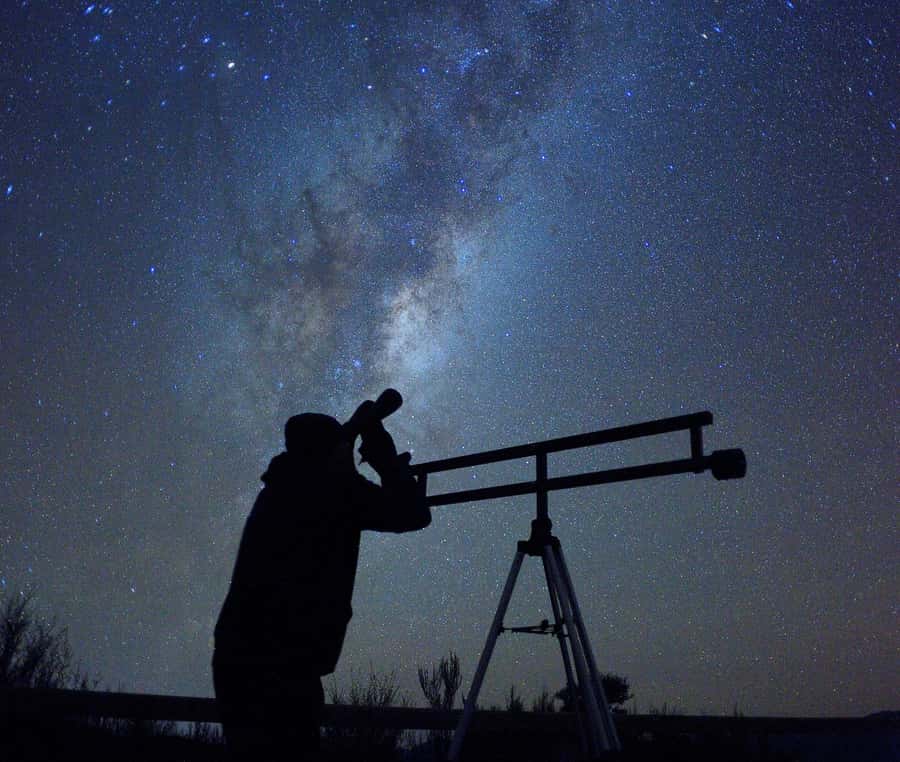
The guide-led portion begins with naked-eye stargazing. This is where the tour earns its value, because you’re not just being shown objects—you’re learning how to find your way around the sky.
You’ll talk through stars and constellations and get specific help with navigation. A highlight is the Southern Cross, which is one of the easiest southern landmarks to use if you want to orient yourself in the dark. The lesson isn’t only about memorizing shapes; it’s about understanding how the sky hangs together so you can locate new points over time.
I like this approach because it sets you up for everything after. When you later look through an electronically guided telescope, you’ll already have a mental map of where you are. That means you spend less time wondering where the target is, and more time actually enjoying the view.
You’ll also get a first taste of the interactive side with guidance on using a star finder, so you’re active in the process from the start.
Electonically Guided Telescope Time: Omega Cluster and Sombrero Galaxy
After the orientation, the tour shifts into telescope viewing. This is where you go from patterns to objects.
The electronically guided telescope is designed for deep-sky targets—things that you typically can’t see with the naked eye. Among the featured targets are the Omega Cluster and the Sombrero Galaxy. Those names might sound like a catalog, but the real benefit is what they represent: views that feel like you’re looking into another part of the universe instead of only spotting bright stars.
An electronically guided scope also helps if you’re not confident yet with sky navigation. You’re still learning, but the guide can help you line up quickly and keep the experience moving. That matters in a short tour, especially when cold and darkness can drain patience.
The result is a better first impression of astronomy. You’ll see more than a few bright points of light—you’ll connect the idea of clusters and galaxies to what your eyes and the telescope are actually showing you.
Manual Telescopes, Astro Binoculars, and Free-Roam Practice
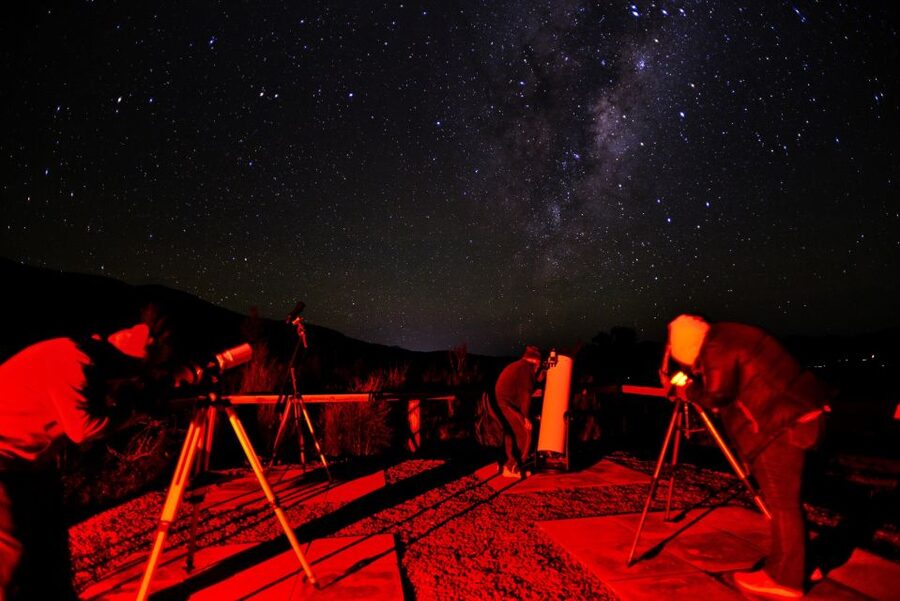
One of the most practical parts of this tour is that you’re not stuck watching through a single setup. There’s a mix of equipment and modes.
You’ll find manual telescopes available for free-roam time. You’re still supported by guides, but this is your chance to practice rather than only observe. You’ll also use astro binoculars, which work especially well from the lounges—so you can recline fully and scan the sky without constantly adjusting your posture.
The interactive star finder turns this into a more game-like experience. The idea is simple: find your target, confirm it, then try again. This gives your eyes and your brain repetition, which is how star spotting clicks.
This hands-on time is a big reason I think the tour works well for different comfort levels. If you’re a complete beginner, you’ll still get help. If you already enjoy looking up, you’ll appreciate the chance to try the tools yourself.
What You Learn (and What You’ll Actually Remember)
This experience builds skills you can use again. The tour includes an information brochure, so you’re not leaving with only brief impressions—you can reference what you learned later.
Expect to leave with a better sense of:
- How to navigate using familiar southern landmarks like the Southern Cross
- What deep-sky objects mean in practice (clusters and galaxies you can’t see without help)
- How to use star-finder style tools to line up your viewing
And based on the way the tour is described, the guide style is a key part of the experience. People highlight passion for the stars and a strong focus on both facts and the stories behind what you see. That combo is what keeps stargazing from turning into a quiet, repetitive lecture. You get explanations that feel connected to the actual sky above you.
Price and Value: Is $77 Worth It?
At $77 per person for a 2-hour evening, the key question is what you get for that price.
You’re not just paying for access to a telescope. Your ticket includes:
- All stargazing equipment (telescope, binoculars, and related tools)
- Warm drinks and snacks
- Blankets, lounge chairs, and a red light torch
- Shuttle pickup and drop-off from Hanmer Springs Village
- A guided experience capped at a small group size
So you’re buying convenience, comfort, and guidance all at once. In a place like Hanmer Springs, where you’d still need transport to reach proper dark-sky conditions, the shuttle saves you time and stress. And since you get both guided telescope time and hands-on practice, you don’t feel like you paid for one short look and then sent on your way.
If you’re hoping for a guided night that feels organized—warm, interactive, and designed around actual observing—this pricing looks reasonable for what’s included.
Who This Tour Fits Best (and Who Might Want Another Option)
This tour is a good match if you:
- Want an organized way to learn the southern night sky
- Prefer a comfortable setup with lounge chairs and blankets
- Like guided explanations but still want to try the tools yourself
- Enjoy astronomy stories, including myths and sky traditions tied to constellations
It’s less suitable if you need wheelchair access, since it’s not listed as appropriate for wheelchair users.
It also has one clear boundary: alcohol and drugs aren’t allowed. That keeps the experience focused and helps keep the group calm and comfortable in the dark.
Should You Book This Hanmer Springs Guided Stargazing Tour?
I’d book it if you want a structured stargazing evening with the right mix of comfort, guidance, and hands-on practice. The combination of naked-eye navigation plus telescope viewing is exactly what makes beginners feel successful fast.
Before you go, plan for the practical reality: bring warm clothing and a hat. Weather can shift, and the whole point of the night is being outside long enough to let your eyes adjust. If you show up dressed for wind and cold, you’ll get way more out of those lounge-chair views and telescope sessions.
If you’re mainly chasing one thrilling photo moment, this may feel more educational than purely spectacle. But if you want the bigger win—learning how to find things in the sky and actually understanding what you’re looking at—this tour is a strong choice.
FAQ
How long is the Hanmer Springs guided stargazing tour?
The experience runs for about 2 hours from shuttle pickup to drop-off.
Where does the shuttle pickup happen?
The shuttle departs from the bus and shuttle stop on Jacks Pass Road, outside the public toilets, next to the Thermal pools.
What time does the tour usually start?
Start times vary by season. It typically starts around 7:30 PM in winter and around 10:00 PM in summer.
What equipment is included?
You’ll have access to stargazing equipment including a telescope and binoculars, along with an interactive star finder and a complimentary red light torch.
Are drinks and snacks provided?
Yes. You’ll receive complimentary hot drinks and snacks at the location.
Do I need to bring anything?
Bring warm clothing and a hat. A wind-proof jacket and gloves are strongly recommended.
What can I see during the tour?
You’ll learn constellations using the naked eye, and you’ll also view deep-sky objects through the telescope. Examples mentioned include the Omega Cluster and Sombrero Galaxy.
What if the weather is poor?
If the tour can’t proceed due to poor weather, you’ll be notified about 30 minutes prior to departure.