REVIEW · WENTWORTH FALLS
Blue Mountains: Stargazing with a Telescope and Astronomer
Book on GetYourGuide →Operated by Blue Mountains Stargazing · Bookable on GetYourGuide
Saturn can look unreal up close. In Wentworth Falls, this 90-minute stargazing tour pairs a computerized telescope with an astronomer so you can go from cloudy sky myths to real objects you can point out. I especially like the cozy pace, including hot chocolate under blankets while the sky lesson stays friendly and clear.
What really makes it click is the way the guide teaches you how to see. On nights when the sky cooperates, you’ll learn star colors and how to spot constellations with your own eyes, not just through gear. And if you get a guide like Tim, you’ll feel the knowledge is local and practical, with explanations that stick.
One thing to keep in mind: the night depends on conditions, and there can be moments where crowding stretches telescope time. If the sky is poor, you’ll have a backup plan, but it’s still worth going in with the right expectations and packing warm clothing.
In This Review
- Key things I’d watch for
- Why Wentworth Falls at night is the real draw
- The 90-minute flow: what happens when the lights go down
- Meet at Wentworth Falls lookout picnic area
- Quick orientation and Blue Mountains context
- Learn to spot stars and constellations with your eyes
- Planet and satellite introduction
- Telescope time, depending on conditions
- Wrap up with hot chocolate
- Naked-eye astronomy: the part you’ll be glad you paid for
- Telescope views: what you might see, and why it matters
- The popular “wow” targets
- When the sky is less cooperative
- Hot chocolate, blankets, and comfort in Blue Mountains winter
- Weather reality and the indoor planetarium backup
- Price and what you’re really paying for ($65 per person)
- Who this tour suits best
- Should you book this Blue Mountains stargazing tour?
- FAQ
- How long is the stargazing tour?
- Where do I meet the guide?
- What’s included in the $65 per person price?
- Is transportation included?
- Is the tour suitable for children?
- What should I bring?
- What happens if the sky is overcast?
- If the tour is cancelled due to bad weather, do I get a refund?
- Is the tour wheelchair accessible, and is it in English?
Key things I’d watch for
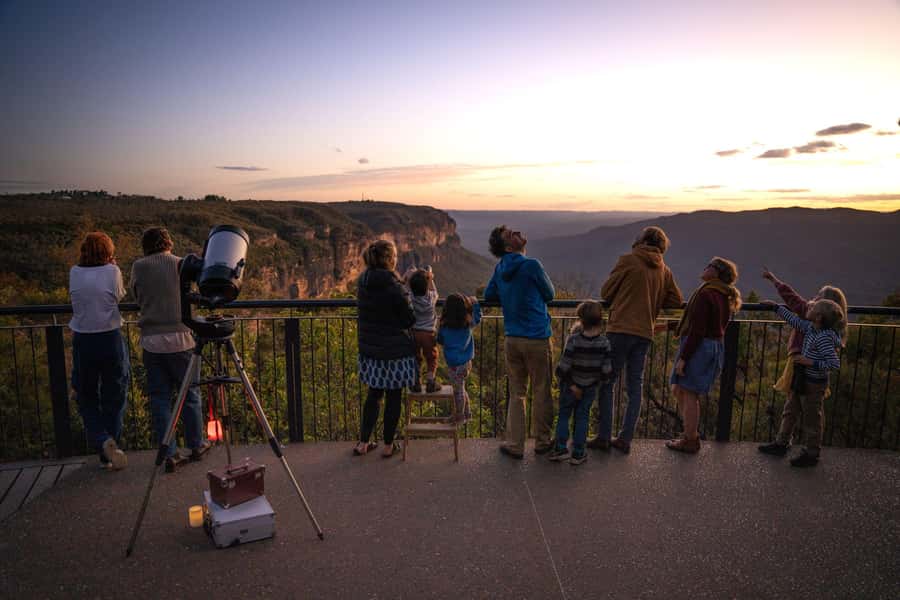
- Computerized, professional-grade telescope so you can actually target planets and deep-sky objects
- Naked-eye constellation tips that help you keep learning after the tour
- Hot chocolate + blankets in winter, including Barista Oat milk for dairy-free, nut-free, soy-free needs
- Weather backup options if clouds block the view, including an indoor planetarium in Leura
- Equipment hygiene with binoculars and telescope tools sanitized between use
Why Wentworth Falls at night is the real draw
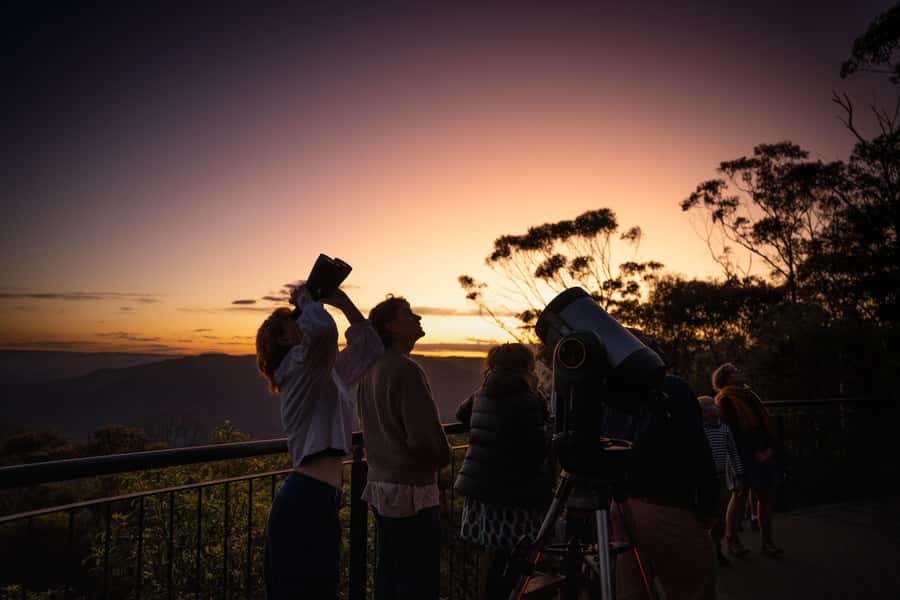
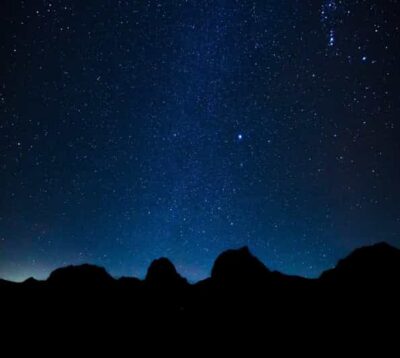
The Blue Mountains aren’t just scenic in daylight. At night, you get a big-sky feeling that’s rare close to major towns, and this tour is set up specifically for that: dark enough for stargazing, with the guidance to help you make sense of what you’re seeing.
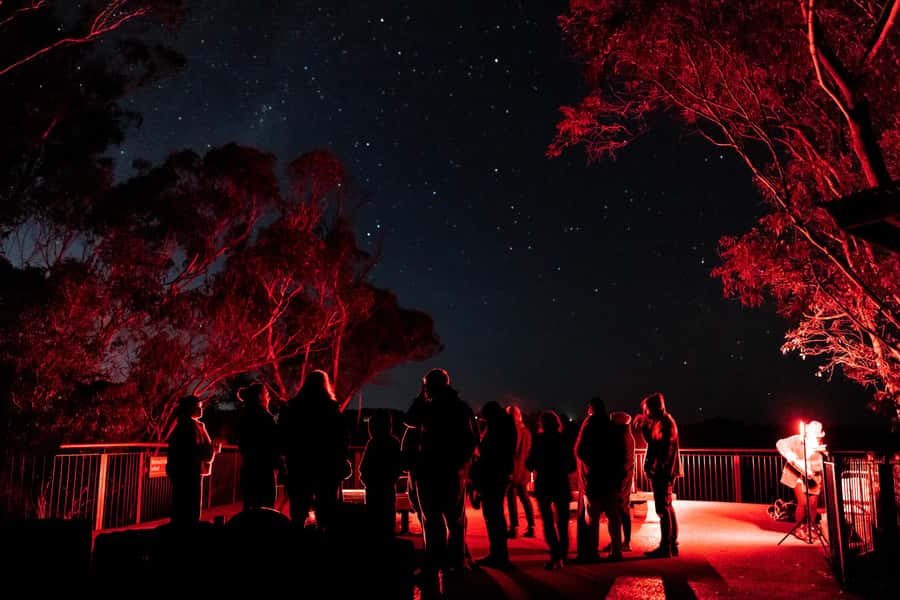
The meeting point is at the Wentworth Falls lookout picnic area, which means you’re starting with a view, not wandering around in the dark guessing where to stand. From there, the night unfolds step-by-step: history talk, constellation basics, then telescope time based on what the sky allows.
This is also World Heritage country, so you’re not just doing astronomy as a standalone activity. You’re doing it in a place with a strong sense of landscape and time, and the guide kicks off with an introduction to the Blue Mountains through time before you look up.
The 90-minute flow: what happens when the lights go down
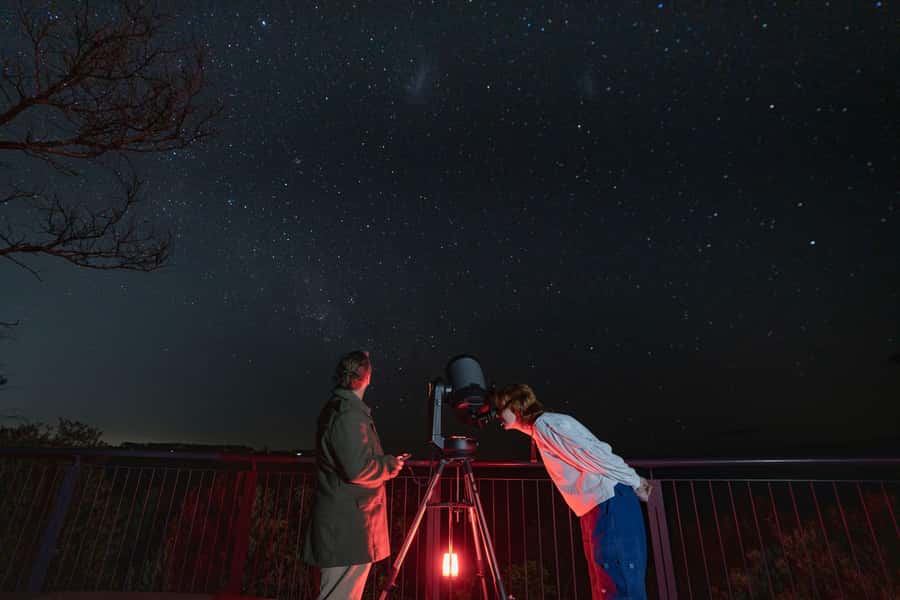
This is a tight, focused tour. You’re there for 90 minutes, and the structure is designed so you don’t just stare and hope. Here’s the typical rhythm you can expect.
Meet at Wentworth Falls lookout picnic area
You’ll meet your Blue Mountains Stargazing guide at the Wentworth Falls Picnic area at the Wentworth Falls lookout. It’s about a 10-minute drive from Katoomba, and you’re walking around 5 minutes from the carpark to the meeting spot.
That matters because it reduces the “where do we go” stress. You’re already at a lookout point, so the guide can get you facing the right direction quickly.
Quick orientation and Blue Mountains context
Before astronomy, there’s a short introduction that ties the Blue Mountains to time and place. You’re basically getting a calm warm-up so the night feels grounded, not random.
Learn to spot stars and constellations with your eyes
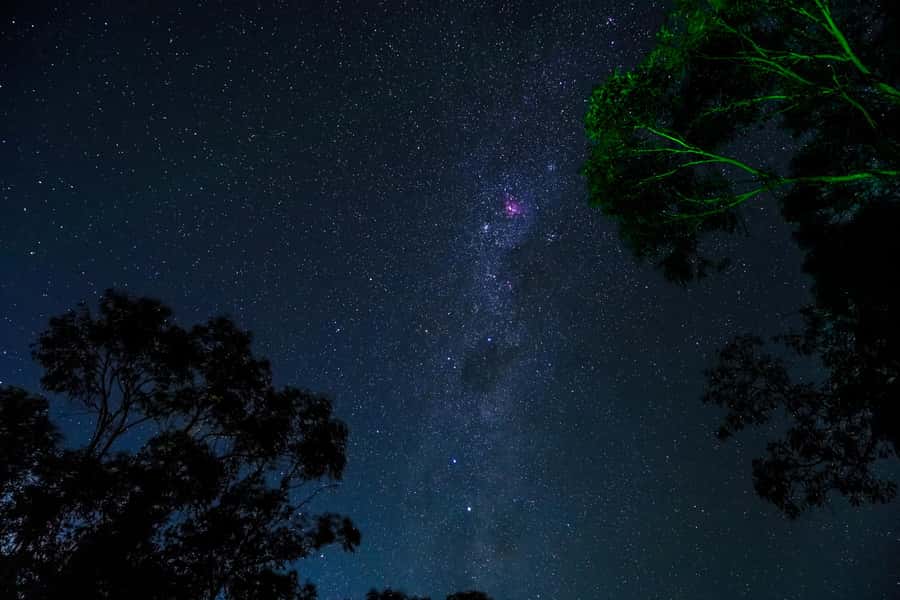
Then you shift to naked-eye astronomy. You’ll try identifying stars and constellations overhead and get tips and tricks to make that easier. This is one of the most useful parts for me because it turns the tour into a skill, not just an entertainment moment.
You can also expect some story time about constellations—fun, simple explanations that help names stop being abstract. The goal is that you can look up after the tour and recognize at least a few patterns without needing a screen.
Planet and satellite introduction
Next comes a practical overview of the celestial “dance,” including planets and satellites. You’re not just hearing names; you’re learning how the objects behave so the sky feels organized, even when it’s dark and unfamiliar.
Telescope time, depending on conditions
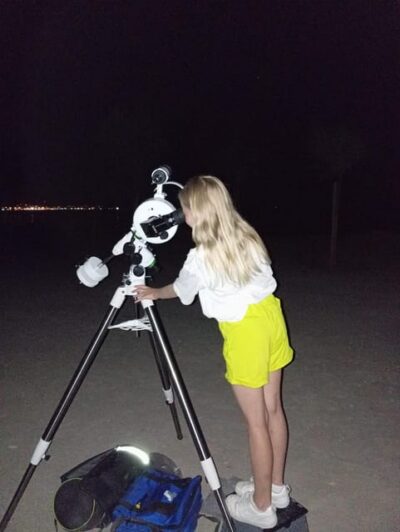
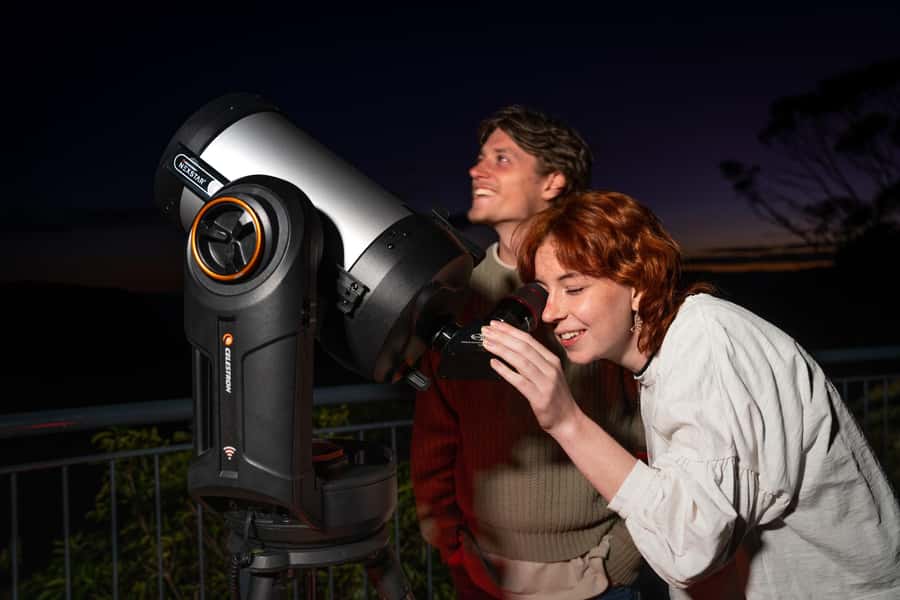
After the teaching, you move into the main event: viewing through a computerized telescope and using binoculars. What you see depends on the night’s conditions, so the guide uses the telescope to target objects that are available.
If the sky cooperates, you’ll have a chance to view items like the Moon’s craters and seas, Saturn’s rings, and moons of Jupiter. You may also scan for Mars, Venus, the Orion Nebula, star clusters, and even double or triple stars.
Wrap up with hot chocolate
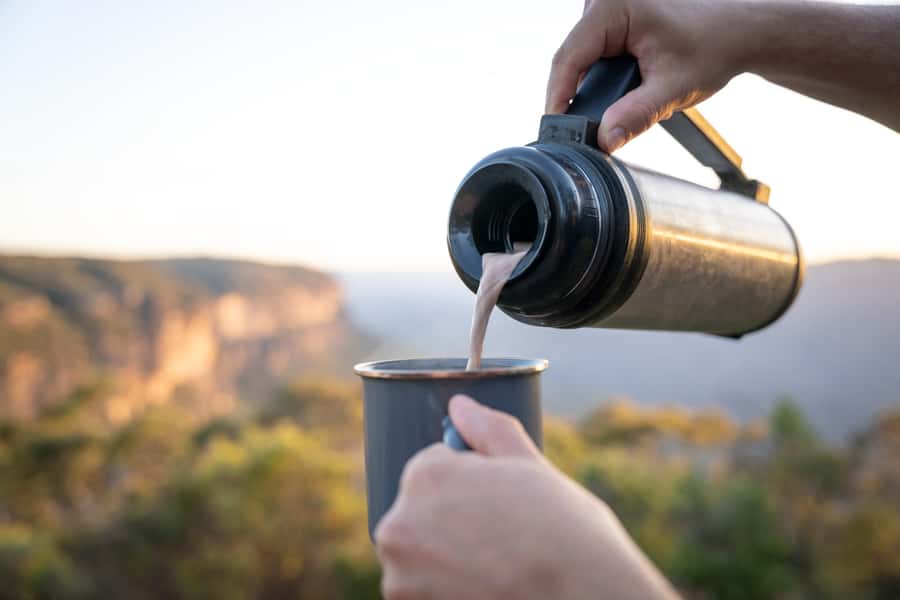
While the viewing shifts, you’ll settle in with hot chocolate and blankets in winter. The warmth isn’t just for comfort; it keeps the pace steady so you don’t burn out after standing around.
Naked-eye astronomy: the part you’ll be glad you paid for
A telescope is great, but the real value is what you carry home. This tour teaches you how to identify stars and constellations using just your eyes, which means the next time you see the night sky you won’t feel like you’re staring at random dots.
One guide highlight from prior nights is the way the astronomer explains star colors. That’s a small moment, but it helps your brain connect observation to explanation. Instead of stars looking like decorations, they start to make sense as different lights in the sky.
You’ll also get tips for recognizing patterns faster—so the learning isn’t frustrating. And because the instruction is part of the tour flow (not tacked on at the end), you’re actually using the skills while the guide is standing right there to help.
Telescope views: what you might see, and why it matters
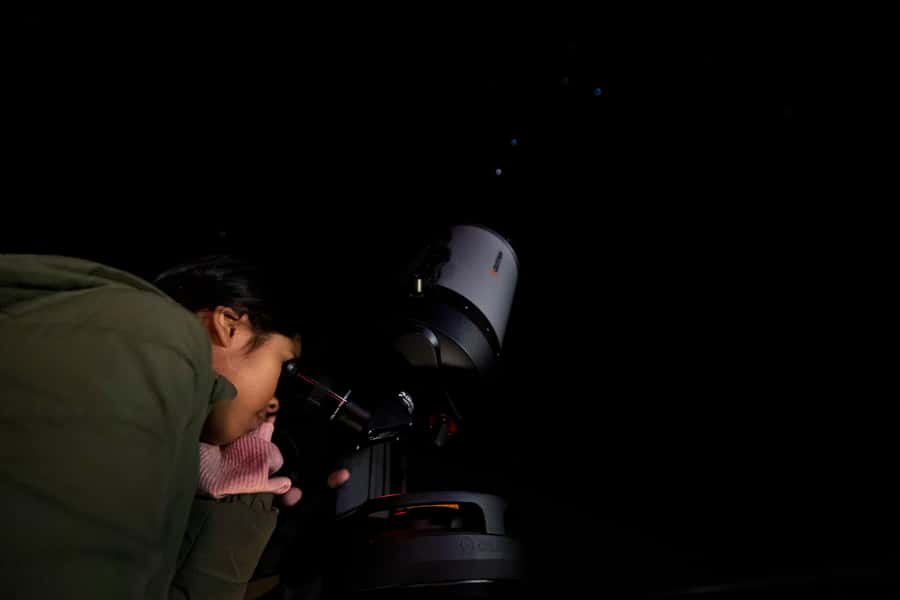
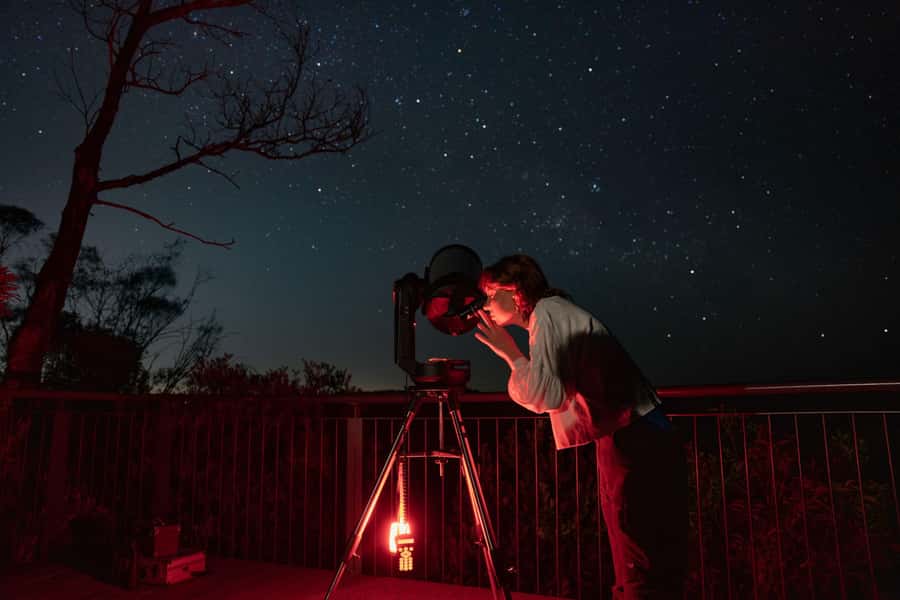
The telescope is computerized and described as professional-grade equipment, and that’s a big deal for first-timers. Without guidance, stargazing can be a guessing game. With a computerized setup plus a guide, you’re more likely to get clear targets instead of spending your time trying to line up blurry suggestions.
The popular “wow” targets
If conditions are right, the tour can include:
- Saturn’s rings
- Jupiter’s moons
- The Moon with visible craters and seas
- Mars and Venus
- The Orion Nebula
- Star clusters
- Double and triple stars
- Shooting stars, when they appear
- Deep space objects such as galaxies
Saturn is often the standout because the rings are the kind of sight that makes you rethink what distance really means. Jupiter’s moons are another big confidence builder: you learn what you’re looking for, and then you can actually spot multiple points around the planet instead of just guessing.
When the sky is less cooperative
Cloud cover and haze happen. On heavier cloud nights, you may get fewer targets or shorter viewing windows. One practical takeaway: you can still learn a lot from the constellation and telescope “orientation” parts, even if the list of visible objects shrinks.
Also note a potential reality of group tours: on busier nights, the telescope time may feel stretched for a crowd. The good news is that the guide’s role is to keep things moving so you still get value, even if there isn’t perfect “equal time at the eyepiece” for everyone.
Hot chocolate, blankets, and comfort in Blue Mountains winter
This isn’t a sit-on-the-ground-for-hours kind of night. Comfort is built in.
You’ll have blankets in winter, plus hot chocolate. The tour also includes a milk option listed as Barista Oat milk that’s dairy-free, nut-free, and soy-free. If you’re managing allergies, that’s not a small detail—it removes a lot of uncertainty.
And since you’ll be standing or waiting while the guide talks, the blanket + warm drink combination helps you stay present instead of counting minutes until you’re cold.
Weather reality and the indoor planetarium backup
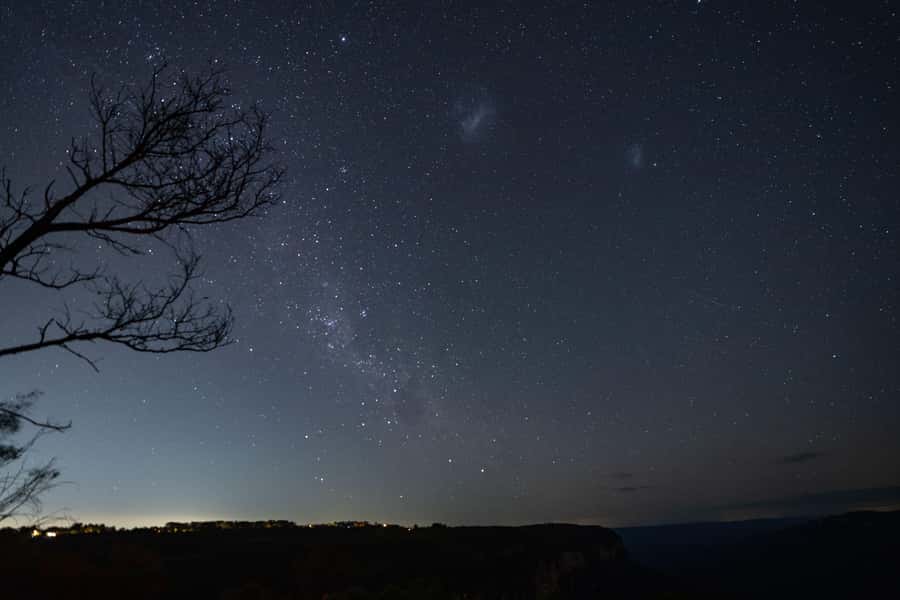
Stargazing is weather-dependent, and this tour faces that head-on with a backup plan.
- If you get overcast skies, you’ll receive an email by 1:00 pm on the day of the tour.
- If cancellation happens due to poor weather, you can choose between:
- a voucher to reschedule (transferable, valid for 3 years), or
- attending an alternative 90-minute indoor Planetarium Astronomy tour in Leura, led by an astrophysicist inside a dome with a powerful projector.
Two important notes to keep your decision-making clear:
- There is a strict policy of no refund if the cancellation is due to bad weather.
- You’re offered a way to still participate, which usually makes more sense than hoping the weather turns at the last second.
If your travel schedule is tight, I’d treat this like a “best-conditions-first” activity: you may not control the sky, but you can control how flexible your plans are.
Price and what you’re really paying for ($65 per person)
At $65 per person for 90 minutes, this is priced like a guided activity, not a cheap group event. So here’s where the value shows up:
- You’re paying for an astronomer (not just a casual host).
- You get access to a computerized telescope, plus binoculars.
- Blue Mountains National Park fees are included, which matters in this region.
- Comfort items are included: blankets in winter and hot chocolate.
The big cost item you might not expect is transportation. The tour listing says transportation isn’t included, so plan on getting yourself to Wentworth Falls (or to wherever your day’s base is).
If you’re the type who wants more than a quick look—someone to explain what you’re seeing—this price feels fair. If you mainly want a casual, hands-off stare at the sky, you might resent the guided “learning mode.” This tour leans educational on purpose.
Who this tour suits best
This is a good fit if you:
- want to see specific targets like Saturn’s rings, Jupiter’s moons, and the Orion Nebula
- want help learning constellations and star patterns using your own eyes
- like a structured evening that moves from stories to sky skills to telescope viewing
- travel with winter comfort needs (blankets + warm drink are part of the package)
- need allergen-aware hot chocolate, with the listed oat milk option
It’s not suitable for children under 6. Also, if you’re traveling with very limited time, the weather shift can change what happens that night, so it helps to stay flexible.
One more practical thought: if you’re sensitive to cold, bring warm clothing. Even with blankets, you’ll be outside long enough to notice the evening air.
Should you book this Blue Mountains stargazing tour?
I’d book it if you want an evening that teaches you something you can use again later. The telescope plus the naked-eye instruction is the winning combo. You’re not just chasing a rare photo; you’re building sky-reading confidence.
Skip it only if you hate uncertainty from weather and you can’t handle the “clouds might reduce viewing” reality. Also consider how you feel about group nights: if you prefer a very quiet, private telescope experience, you may find the shared logistics less than perfect.
If you’re staying near Katoomba and you can get to Wentworth Falls easily, this tour is a strong use of a winter evening. Even on nights that limit what’s visible, the guide-led constellation and astronomy learning keeps the night from feeling wasted.
FAQ
How long is the stargazing tour?
The tour lasts 90 minutes.
Where do I meet the guide?
Meet your Blue Mountains Stargazing guide at the Wentworth Falls Picnic area at Wentworth Falls lookout. It’s about a 10-minute drive from Katoomba and a 5-minute walk from the carpark.
What’s included in the $65 per person price?
The tour includes a 90-minute stargazing experience, an astronomer guide, a computerized telescope, binoculars, blankets in winter, and Blue Mountains National Park fees.
Is transportation included?
No. Transportation is not included.
Is the tour suitable for children?
It is not suitable for children under 6 years old.
What should I bring?
Bring warm clothing, especially since the tour runs outdoors in winter.
What happens if the sky is overcast?
If skies are overcast, you’ll receive an email by 1:00 pm on the day of the tour.
If the tour is cancelled due to bad weather, do I get a refund?
No refund is issued if the cancellation is due to bad weather. You can choose a voucher to reschedule (valid for 3 years) or attend an alternative 90-minute indoor planetarium astronomy tour in Leura.
Is the tour wheelchair accessible, and is it in English?
Yes. The tour is wheelchair accessible, and it runs in English.