REVIEW · CHILE
Stargazing Hiking Valle de Elqui
Book on Viator →Operated by Collasuyo Astronómico SPA · Bookable on Viator
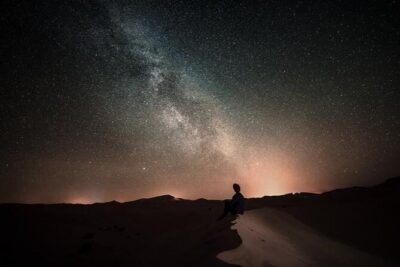
A clear sky starts with a calm plan. This Stargazing Hiking Valle de Elqui session mixes a real mountain sunset hike with guided astronomy, plus a cultural layer that makes the night sky feel personal, not just scientific. You’ll begin at Casa Pumagui with safety recommendations, then head up for that last-light glow over the Andes before the sky show begins.
Two things I genuinely like: you get hands-on viewing through astronomical binoculars on a tripod (a Celestron 20×80 setup), and you also get astronomical photography so you can take home more than just blurry phone shots. The guide, Loreto, is clearly serious about the cultural side too, and it comes through as respectful and thoughtful rather than tacked on.
One thing to consider: this is scheduled late evening and is weather-dependent, so if clouds roll in, the experience may be moved or refunded. It also requires hiking-shoe footwear and moderate fitness, and it’s not for anyone under 14.
In This Review
- Key highlights to know before you go
- Valle de Elqui nights: what this 4.5-hour outing really delivers
- Casa Pumagui safety briefing and starting calm
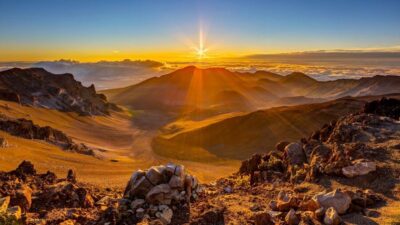
- Sunset viewpoint hike over the mountains near Vicuña
- Meditation bowls and the Indigenous astronomy lens
- Constillations with Celestron 20×80 binoculars on a tripod
- Astronomical photography: turning the night into a keepsake
- Gear, pace, and what to wear for evening viewing
- Price check: is $100 a good value for 4.5 hours?
- Private transportation timing from Vicuña to Villaseca
- When to schedule it: the evening windows by month
- Who should book this, and who should skip it
- Should you book Stargazing Hiking Valle de Elqui?
- FAQ
- What time does the Stargazing Hiking Valle de Elqui experience start?
- How long is the experience?
- Where does the tour start and end?
- Is this a private tour?
- What age is the tour designed for?
- What’s the fitness level required?
- What should I wear?
- What’s included in the price?
- What if weather is bad, or I need to cancel?
Key highlights to know before you go
- Casa Pumagui safety briefing before you start walking and looking
- Sunset viewpoint hike over the mountains in the Elqui Valley
- Sound therapy with meditation bowls to slow your brain down before stargazing
- Indigenous worldview + astronomy guided in a respectful way
- Celestron 20×80 binoculars set up for sky viewing on a tripod
- Astronomical photography built into the experience so you can save the night
Valle de Elqui nights: what this 4.5-hour outing really delivers
This isn’t just a telescope-and-go event. The format is built like a sequence: moving first (sunset hike), then stillness (meditation and sound therapy), then focusing (constellations), then recording (astronomical photography). That flow matters because it helps you experience the night sky with your whole body, not only your eyes.
You also get cultural context while you’re looking up. The guide leads you through an indigenous worldview and the ancestral links between cultures and astronomy, so the stars aren’t presented as random points. That’s one of the reasons this feels more meaningful than a basic stargazing tour.
Expect a short but full evening, about 4 hours 30 minutes. It’s offered as a private activity, meaning it’s designed for only your group, not a big mixed crowd.
Casa Pumagui safety briefing and starting calm
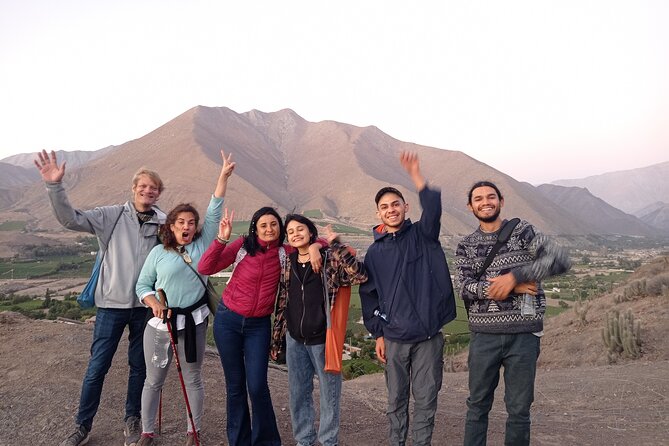
You start at Casa Pumagui, and the first step is safety recommendations. That’s not glamorous, but it’s smart, especially for an evening that includes walking and later standing or sitting while looking upward.
Then the mood shifts. The experience includes meditation and sound therapy with bowls. I like this because it makes the sky part feel intentional. You’re not just chasing darkness; you’re giving yourself a few minutes to settle, listen, and become present.
This early calm also helps with patience. Astronomy rewards attention, and if you’re distracted or rushed, you’ll miss details.
Sunset viewpoint hike over the mountains near Vicuña
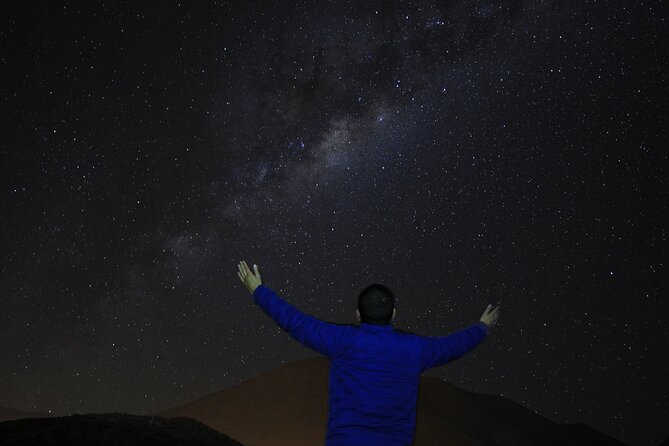
After the start at Casa Pumagui, you move toward a majestic viewpoint for sunset over the mountains. The payoff here is simple: you get the valley’s colors as daylight fades, before the stars take over.
You’ll hike with support gear included, including trekking poles. That’s a practical detail worth paying attention to, since the evening schedule and the mountainous setting can make footing feel more demanding than you expect.
The schedule is also built for timing. The tour runs late evening, with specific starting windows that change by month (more on that in the FAQ). So you’ll want to plan your arrival so you’re ready when the group heads out.
Meditation bowls and the Indigenous astronomy lens
One of the most distinctive parts of this experience is the cultural structure around the sky. Before the constellations, you connect through meditation and sound therapy with bowls, then explore an indigenous worldview about how cultures link to the stars.
I appreciate this because it gives you a reason to look beyond your own expectations. Even if you’re not a history person or a science person, you can follow along with a guide who knows how to frame the night in a human way.
Also, the whole thing comes across as grounded and respectful. Loreto’s approach, based on how the experience is described and how she responds, emphasizes deep respect for the cultural content. That matters because stargazing can get overly technical fast, and here it stays connected to meaning.
Constillations with Celestron 20×80 binoculars on a tripod
Once the sky is ready, you’ll focus on what you’re seeing. The guide directs your gaze toward the Andean constellations, and you observe through astronomical binoculars: a Celestron 20×80 setup mounted on a tripod.
This is a big deal. A lot of stargazing tours use small handheld optics or just point you in a direction and hope for the best. With a tripod-mounted 20×80, you’ll have steadier viewing and a more stable way to track what the guide is showing.
What you should do mentally: treat it like a guided class, but outdoors. The best moment won’t be the loudest one; it’ll be when you can actually hold your eyes on a constellation pattern long enough to understand what you’re looking at.
Astronomical photography: turning the night into a keepsake
You don’t leave this with only memories in your head. Astronomical photography is included, alongside snacks and warm drinks like coffee and/or herbal tea.
That photography component changes the value of the tour. If you’ve ever tried to shoot stars with a phone, you know how quickly it turns into disappointment. Here, the tour is built to support actually capturing the night.
Also, there’s something practical about getting help rather than going solo. You’ll know when to shoot, what to focus on visually, and how to prepare for low-light conditions while you still enjoy the sky instead of juggling technical frustration.
Even if you’re not a photographer, this is a chance to get a real souvenir from a night sky session in the Elqui Valley.
Gear, pace, and what to wear for evening viewing
This experience is for people with moderate physical fitness. That’s the sweet spot for many travelers: you don’t need to be a marathon athlete, but you also shouldn’t expect a totally flat, sit-down-only schedule.
Good news: you’re not going in empty-handed. Included items cover hiking support and comfort:
- Trekking poles
- Portable chair
- Astronomical binoculars
- Snacks and coffee/herbal tea
You do need to bring the one key personal item they ask for: hiking shoes. Wear footwear with real traction, especially for evening footing.
One more factor: participation is prohibited if anyone is under the influence of alcohol, and the guide has the right of admission. Keep the group experience pleasant and safe so you can fully enjoy the sky.
Price check: is $100 a good value for 4.5 hours?
At $100 per person for about 4 hours 30 minutes, the value depends on what you compare it to.
Here’s what’s doing the heavy lifting for the price:
- Celestron 20×80 binoculars on a tripod (not just basic optics)
- Astronomical photography included
- Trekking poles and a portable chair
- Snacks and coffee/herbal tea
- Private format (only your group participates)
- Private transportation transfer from Vicuña to Villaseca
So you’re paying for an experienced-led, gear-supported night program, not just a guide pointing at stars. Even better, private tours often save time and keep the pace controlled, which matters when you’re working with sky conditions and late-evening timing.
The main limitation is what isn’t included: transfers outside the specified Vicuña-to-Villaseca route aren’t covered, and the listing notes the price does not include an air-conditioned vehicle. If you’re staying somewhere else, confirm your connection so you’re not scrambling at pickup time.
Private transportation timing from Vicuña to Villaseca
This activity includes a private transportation transfer from the city of Vicuña to Villaseca, which is a helpful detail if you’re basing yourself in that area. It also means you’re less likely to waste the evening trying to coordinate multiple rides.
Timing is strict. You must arrive 15 minutes before the departure time, and delays of more than 10 minutes can mean exclusion from the experience. With stargazing, that’s not a power move; it’s just how darkness schedules work.
The tour also runs with a clear ending point: it ends back at the meeting point.
When to schedule it: the evening windows by month
This experience has specific evening windows that change through the season:
- January: 8:00 PM to 9:00 PM
- February: 7:30 PM to 9:00 PM
- March: Monday to Saturday, 7:00 PM to 9:00 PM
Because those windows shift, you should book based on the exact dates you plan to be in the Elqui Valley. Also note that the experience requires good weather. If it’s canceled due to poor conditions, you’ll either get offered a different date or a full refund.
Who should book this, and who should skip it
I think this fits best if you want three things at once: nature time, astronomy guidance, and cultural storytelling. It’s also ideal if you like learning that isn’t dry. Watching constellations is fun, but it lands better when you’re also given a framework for what the sky means.
You’ll also enjoy it more if you’re comfortable with a short hike at night and can handle a moderate fitness level. You don’t need to be an expert hiker, but you should be ready for trekking and late-evening conditions.
Skip it if:
- you’re bringing someone under 14 (participation is not suitable under that age)
- you prefer a totally seated, non-walking experience
- you want a casual, no-instruction tour where you only look at your phone
Should you book Stargazing Hiking Valle de Elqui?
If you’re choosing between a basic stargazing outing and something with a guided approach plus real gear, I’d lean toward booking this. The combination of the sunset hike, the meditation and sound bowls, Loreto’s clearly respectful focus on Indigenous sky worldview, and the Celestron 20×80 binoculars makes it feel like a complete evening rather than a short add-on.
That said, be honest about your readiness for a late-evening program with punctual requirements and hiking shoes. If you’re good with that, you’ll likely come away with both visual memories and a better understanding of what you saw.
FAQ
What time does the Stargazing Hiking Valle de Elqui experience start?
The start window changes by month. In January it runs from 8:00 PM to 9:00 PM, in February from 7:30 PM to 9:00 PM, and in March Monday to Saturday from 7:00 PM to 9:00 PM.
How long is the experience?
It lasts about 4 hours 30 minutes.
Where does the tour start and end?
It starts at the meeting point in Navarino, Peralillo, Vicuña, or Coquimbo, Chile. It ends back at the same meeting point.
Is this a private tour?
Yes. It’s a private activity, and only your group participates.
What age is the tour designed for?
It’s designed for travelers age 14 and older, and it is not suitable for children under 14.
What’s the fitness level required?
You should have moderate physical fitness.
What should I wear?
You must wear hiking shoes.
What’s included in the price?
Included are trekking poles, astronomical photography, a portable chair, astronomical binoculars, coffee and/or herbal tea, and snacks. It also includes private transportation transfer from Vicuña to Villaseca.
What if weather is bad, or I need to cancel?
The experience requires good weather. If it’s canceled due to poor weather, you’ll be offered a different date or a full refund. There is free cancellation up to 24 hours in advance for a full refund; within 24 hours, the amount paid is not refunded.